It started innocently enough, suddenly someone was writing those boring business emails for you, and you sounded so knowledgeable and so articulate, almost impressive. It was fun in the beginning, like discovering a superpower you didn’t earn but weren’t going to return either. But like most things that seem too good to be true, the ‘but’ appeared very quickly.
As we started going deeper, building automations, running analytics, doing research…, the waters got muddy. And that’s when we started noticing things: inconsistencies, untruths, flat-out lies delivered with the same calm, confident tone as everything else, with no hesitation. Yes, AI lied, and it was just wrong, beautifully, articulately wrong.
So we did what any reasonable person would do. We tried to reason with it. And we got the famous response: “You are correct. I apologize for the confusion. From now on I will…” And then it doesn’t. And you try again. And you get the exact same “You are correct…” Like talking to a golden retriever who keeps running even though you asked it to stay.
That’s when you want to pick up your laptop and throw it into the deepest ditch you can find. But you stop, take a breath, and you come back to your center. Because here’s my take on this AI age: the most important skill it’s forcing us to develop has nothing to do with prompts or tools or automation. It’s the ancient art of not losing your mind when it stops making sense. Although AI is assisting you, you are still at the helm; you have to be.
Florence Scovel Shinn knew something about that. Writing in the 1920s, long before anyone could have imagined arguing with a machine that politely lies to your face, she understood that the real battle was never out there. It was always in here, in the words you speak, the thoughts you feed, the inner world you either tend or abandon. She was right then. She’s more right now.
You stop anthropomorphizing it.
That’s the first and hardest one; we are wired for connection. We see faces in clouds and intentions in machines. When AI says “I understand,” something in us actually believes it does. It doesn’t. It’s pattern matching at a scale we can’t comprehend, dressed up in the language of empathy.
In The Game of Life and How to Play It, Shinn writes about the danger of giving power to external conditions: of letting the outside world dictate your inner state. AI is the ultimate external condition. Endlessly shifting, unreliable, occasionally brilliant, frequently maddening. The moment you stop expecting it to behave like a conscious being, the frustration vanishes. You wouldn’t scream at your dishwasher for not understanding how bad your day was, or would you?
You stay the author, not the audience.
AI is seductive because it produces constantly, effortlessly, and on demand. Slowly, without noticing, you can go from creator to consumer of your own work. Your voice starts sounding like everyone else’s, and your ideas arrive neatly pre-packaged.
Shinn was radical in her belief in The Power of the Spoken Word, that your words are creative forces, that what you speak and think actively shapes your reality. Let a machine speak for you long enough, and you start to forget what your own voice sounds like. The spiritual practice here is ruthless self-awareness, knowing when you’re steering and when you’ve handed over the wheel.
You protect your silence.
Most people don’t know that if you’re using AI all day, you are in constant cognitive conversation even when you think you’re just “checking something quickly” (your nervous system doesn’t know the difference)!
Silence, real silence, no input, no output, no screen time (beware of the black mirror!), is now a radical act. Meditation, walks without a podcast, or just sitting with your own thoughts without immediately asking something to organize them for you. That’s how you stay sane and where you stay you.
You remember what it can’t touch.
Your intuition, your lived experience, the way you know something is wrong before you can explain why, the grief that shaped you, the joy that surprised you creates that unique way you see the world that no dataset was ever trained on.
In Your Word is Your Wand, Shinn offers affirmations as anchors, simple declarations that return you to your own power when the world has pulled you away from it. In the AI age, we need them more than ever. Not as magical thinking but as conscious acts of remembering who you are when everything around you is trying to tell you that intelligence is something that happens on a server somewhere. It isn’t. Real intelligence, the kind that knows when to laugh, when to grieve, when to walk away from the laptop, that is still entirely yours.
And when all else fails, you laugh.
Because “You are correct, from now on I will…” followed immediately by doing the exact same thing again is genuinely, objectively funny. The absurdity of it is a gift if you let it be. Laughter is the fastest route back to your center.
And on the days when the frustration rises anyway, when you’ve had one too many “You are correct, from now on I will…” moments and you can feel yourself being pulled out of your own center: stop, breathe, and say:
“I now smash and demolish every untrue record in my subconscious mind. They shall return to the dust-heap of their native nothingness, for they came from my own vain imaginings.”
Florence Scovel Shinn wrote that long before any of this existed. And yet here it is, more useful than ever. Because the chaos was never really in the machine. It was in the moment I forgot that my mind creates my experience, not the other way around.
The AI will do what the AI does. And I will do what only I can do. Come home, right back to myself.
Your Smartphone Is Making You Dumber, Anxious, and Exhausted, And You Already Know It
You’ve felt it. That hollow, slightly sick feeling after an hour of scrolling. The way your attention has gotten shorter. The way you reach for your phone before you even know why. You don’t need a study to tell you something is wrong, your body already knows.
But here’s the thing nobody talks about: the problem isn’t you. It’s not a willpower problem. It’s not a discipline problem. You’re not weak. You’re just outgunned.
The apps on your phone were built by some of the smartest engineers on the planet, armed with behavioral psychology, billions of data points, and one singular goal: to make you unable to stop. Infinite scroll, variable reward loops, notification anxiety, the compulsive check, these aren’t accidents. They’re features. And they’re running 24/7 against a brain that evolved to scan the horizon for predators, not parse an endless feed of outrage and highlight reels.
A digital detox isn’t a wellness trend. It’s something more fundamental than that. It’s the act of reclaiming your own mind.
What Actually Happens When You Log Off
The research on digital detox is still young, but what we have is telling. Studies on reduced social media use show meaningful drops in anxiety and stress within days, not weeks. People sleeping through short detox periods logged around 20 extra minutes of sleep per night on average. That doesn’t sound like much until you run the math: that’s over two extra hours of sleep per week your phone has been quietly stealing from you.
Blue light from screens suppresses melatonin, the hormone your brain uses to know it’s time to sleep. But it’s not just the light. It’s the mental state: the unresolved arguments you read, the news cycle that never ends, the comparison spiral of watching everyone else’s curated life. Your nervous system goes to bed activated, and it shows up the next day irritable, foggy, and reaching for the phone again to feel something. The cycle feeds itself.
What people consistently report after even a few days of reduced digital use is striking in its simplicity: they feel calmer. They notice more. They’re actually present in conversations instead of half-present while mentally composing their next caption. The world gets a little more textured and a little less urgent.
This isn’t nostalgia for some pre-internet golden age. This is your brain returning to baseline.
Why Willpower Is the Wrong Tool
Here’s where most digital detox advice fails you. It tells you to “be more intentional” or “set limits” and then sends you back to the same device, with the same apps, running the same algorithms. That’s like telling someone to drink less while keeping a bottle on their desk.
The smartphone as we know it is an entertainment machine first and a communication tool second. Its entire interface, the large glassy screen, the swipe mechanics, the app ecosystem, is optimized for consumption, not for living. And you carry it everywhere, all the time, which means the temptation never fully disappears. Willpower is a finite resource. Eventually, you’ll check.
This is why the most interesting conversation in tech right now isn’t about apps or screen time settings. It’s about the device itself.
There’s a generational twist to this story that nobody saw coming. Gen Z, the generation that grew up with smartphones glued to their hands, is quietly leading a retro rebellion. Thrift stores and eBay listings for old BlackBerries, Nokia bricks, and early 2000s flip phones are seeing a genuine resurgence, driven largely by younger people who are exhausted by the always-on, always-performing nature of modern smartphone life. They’re not doing it ironically. They’re doing it because a phone that can only call and text is a phone that can’t trap you. I get it.
I’m there too, I’m done with my iPhone! We’ve built an entire social hierarchy around a rectangle. Having last year’s iPhone isn’t just outdated anymore, it’s a status signal, a scarlet letter that says you couldn’t keep up. People genuinely look down on a cracked screen or an older model the way previous generations judged a worn-out car or an off-brand outfit. We got played into making a trillion-dollar corporation’s annual upgrade cycle into a personality trait. The thing has been a slot machine in my pocket for years, and I’m ready to trade the dopamine lottery for something that actually serves me instead of harvesting me. The question isn’t whether to make a change. It’s what to replace it with.
A Different Kind of Phone
A quiet movement has been building for a few years now: people ditching the smartphone slab entirely, or at least supplementing it, with devices that are built around a different philosophy. Not “here’s everything, good luck” but “here’s what you actually need.”
The Light Phone II is the purest expression of this idea. An e-ink display, a handful of tools, calls, texts, music, podcasts, maps, and nothing else. No social media. No browser rabbit holes. No YouTube. People use it as a full-time phone or as a dedicated weekend device when they want to actually be somewhere instead of documenting that they were there. The Wisephone 2 follows a similar ethos, offering a curated app environment that keeps you functional without turning you into a scroll zombie.
These phones are not for everyone. Giving up a full smartphone requires trade-offs most people aren’t ready to make. But they represent a shift in thinking that matters: the idea that the best tool for mental health might be one that asks less of you, not more.
The Middle Ground: Phones That Nudge You Toward Intention
Not everyone is ready to go full monk mode. But there’s a middle path that’s been quietly gaining traction, and I just walked it myself.
I ditched my iPad for a Bigme B7, a color ePaper tablet, and I love it! The e-ink screen is easier on my eyes, there’s no blue light wrecking my sleep, and honestly, the slight delay in the display just naturally slows me down (I tend to be squirrel-hyper). I stopped mindlessly tapping and scrolling. I am now much more intentional, and I’m actually reading.
The Bigme HiBreak takes that same philosophy and puts it in a phone. A 13-inch e-ink Android phone that runs apps but feels nothing like a smartphone. No glowing slab screaming for your attention. Just a calm, paper-like screen that makes doomscrolling feel like exactly the effort it isn’t worth.
These aren’t phones for people who want to do less. They’re phones for people who want to think more clearly while they do it, be more aware and intentional.
The Unihertz Titan 2 looks like a phone from an alternate timeline where nobody decided the keyboard was unnecessary. It’s a rugged Android 15 device with a physical QWERTY keyboard, a compact 4.5-inch square display, 5G, 12GB of RAM, and 512GB of storage. The battery is 5050 mAh, which means it actually lasts through the day without becoming a source of anxiety in itself.
Here’s what makes it interesting for anyone trying to detox: the form factor itself works against doomscrolling. The small, square screen is genuinely awkward for TikTok or Instagram Reels. The keyboard layout signals to your hands and your brain that this is a device for doing things, not watching them. You’ll find yourself writing emails, sending actual messages, and using the built-in toolbox utilities. The experience nudges you toward participation instead of consumption.
The Titan 2 Elite, soon to be released, is the slightly more refined sibling, with the same keyboard-first philosophy, same rugged build, same fundamental belief that a phone should serve you rather than swallow you.
These aren’t perfect minimalist devices. You can still install whatever you want. But the design friction is real, and friction is exactly what compulsive behavior needs to break its grip.
Clicks Communicator: Communication Without the Consumption Trap
The Clicks Communicator takes a slightly different approach. It’s a keyboard-first Android 16 phone with a 4-inch OLED display, 5G, expandable storage, and, bless whoever approved this, a 3.5mm headphone jack. Clicks positions it explicitly as a “communication-first” device, and that framing matters more than it might seem.
The phone’s notification LED is one of its smartest features. You can see at a glance whether something needs your attention without unlocking the device and tumbling into the feed. That single layer of friction between you and the screen is surprisingly powerful. Most of our compulsive checking isn’t about information, we need it’s anxiety discharge. Having a light that tells you “nothing urgent” breaks the loop before it starts.
Clicks also makes a Power Keyboard accessory that can turn your existing smartphone into a more intentional, keyboard-first experience while adding a built-in power bank. If you’re not ready to switch devices but want to shift the relationship, that’s an interesting entry point.
How to Actually Use These in a Detox Plan
Having the right device is a lever, not a solution. Here’s how to use it.
Use a minimalist or keyboard-first phone as a focus device. You don’t have to go all in. Try using it during your workday or on weekends while keeping your main phone in another room. The separation creates space. The different device creates a different mental mode.
Enforce app rules on the detox device. No social media. No news apps. No games that are just behavioral loops with graphics. Keep it to messages, maps, music, and maybe one or two apps you actually use for things that matter.
Build time windows, not bans. Checking messages twice a day at defined times is more sustainable than declaring you’ll never look at your phone again. The goal isn’t asceticism, it’s agency.
Replace the habit, not just the device. Your brain will look for something to do with the time and attention the phone used to consume. Have something ready. Paper books. Long walks without earbuds sometimes. Journaling. Calling someone instead of messaging them. Cooking a meal slowly. The analog replacements aren’t consolation prizes, they’re the point.
What It Means to Be Smart About Your Phone
We’ve spent a decade treating “smart” as a synonym for “capable of more.” A smarter phone does more things, connects to more services, serves more content. But there’s another definition of smart that we keep forgetting: appropriate for the task.
The smartest phone for your mental health might be the one you forget exists for hours at a time. The one that doesn’t demand anything from you. The one that you pick up because you want to use it, not because you felt a compulsive pull you can’t quite explain.
Start small. Try a no-phone hour before bed tonight. Try a weekend where you leave the main device at home and see what your keyboard phone can actually handle. You’ll be surprised. And more importantly, you’ll be present for whatever happens next, not documenting it from behind a screen, but actually in it.
The matrix, it turns out, is optional. You just have to decide to step out.
When the serums stop doing what they promised, maybe it’s time to look somewhere a tube can never reach.
Wellness & Longevity · 8 min read
· · ·
You know the ritual. Cleanser, toner, serum (the one that costs as much as a decent dinner out), then the moisturiser, the eye cream, maybe a face oil if you’re feeling hopeful. You do it morning and night because that’s what you’re supposed to do. And for a while it felt like it was actually working.
Then one morning you catch yourself in that bathroom light, the honest kind, and something shifts. The creams are still there. The routine is still there. But so are the lines, the tiredness around your eyes, the gradual sagging that no serum has touched. And you think: Is this it? Is this really the best I can do?
What if the answer is no. Not because there’s a better cream out there waiting. But because you’ve simply been looking in completely the wrong direction.
The Biology You Can’t Moisturise Away
Here’s something the skincare industry doesn’t like to talk about. The biggest reasons your skin ages have almost nothing to do with what you put on it. They have everything to do with what’s going on inside your body: your hormones, your cells, your nervous system.
Stress is a good place to start. When you’re chronically stressed, your body keeps pumping out cortisol, and cortisol over months and years breaks down collagen and elastin. Those are the things that keep your skin firm and bouncy. No serum can keep up with that kind of damage. It’s a bit like repainting your walls while someone quietly knocks out the foundations.
Sleep tells the same story. Scientists compared people who sleep well to people who don’t, all at the same age, and the poor sleepers showed noticeably more aging signs. They also took longer to recover from sun damage. Not a small difference either. A significant one. And honestly, no night cream does what a proper night’s sleep does for your skin.
“The most powerful thing you can do for your skin isn’t in a bottle. It’s in how you spend the hours before you close your eyes.”
And then there’s something even deeper going on. Long-term stress and depression have been linked to shorter telomeres. Think of telomeres as tiny protective caps on your chromosomes that keep your cells healthy and young. When they shorten, your cells age faster. That shows up throughout your body and yes, it shows up on your face too.
When You’ve Just Had Enough
There’s a particular kind of tiredness that comes with a beauty routine that’s stopped working. It’s not just the time it takes. It’s the hope you keep putting into it. The quiet belief that this product, this time, will be different. And when it isn’t, when you’re standing there washing it all off at the end of another day, that feeling is very real.
But hitting that wall might actually be the most useful thing that’s happened to you in a while. Because it’s the moment you stop asking which product to try next and start asking something much more interesting: what actually works?
The honest answer is mostly the unglamorous stuff we already know about but keep putting off because it doesn’t come in a pretty bottle. Sleep. Moving your body. Managing stress. It sounds almost too simple, but the science behind it is genuinely solid.
What Researchers Found Actually Works
Scientists have studied ways to slow down skin aging that have nothing to do with what you put on your face. What they found is that certain everyday habits can genuinely change how your skin ages, not by working on the surface but by changing what’s happening deep underneath it, at the level of your hormones and your cells.
🧘
Calming Your Stress Even a few minutes of quiet breathing each day has been shown to bring cortisol levels down. Lower cortisol means your collagen breaks down more slowly. Simple, but it really works.
🌙
Taking Sleep Seriously Going to bed and waking up at roughly the same time, putting your phone down an hour before sleep. Your skin does most of its repairing at night and it needs you to actually be deeply asleep for that to happen.
🏋️
Lifting Something Heavy This one surprised even the researchers. Strength training was found to actually thicken the skin and switch on genes that help keep it firm and healthy. You don’t need a gym either. Bodyweight at home counts.
🌿
Watching What Goes In Smoking and drinking a lot age the face faster than almost anything else. More lines, more puffiness, loss of volume over time. If stress is what drives those habits, working on the stress is where to start.
The Part Nobody Talks About: How You See Yourself
Studies have found something really interesting about people in their 50s, 60s and 70s who felt they looked younger than their age. They weren’t just using better products. They tended to have a more positive attitude toward getting older, better overall health, and more energy for life. How you feel about yourself actually feeds back into how you look. That’s not wishful thinking. There’s real biology behind it.
Compare that to what happens when you spend years obsessively checking your face for new signs of aging. That constant scrutiny is stressful. Stress raises cortisol. Cortisol breaks down collagen. There’s a sad irony in the fact that worrying intensely about looking old can actually speed the whole thing up.
“Being kinder to yourself about how you look might do more for your face than anything you’ve ever put on it.”
This isn’t about giving up or pretending you don’t care. It’s about realising that taking care of yourself and accepting where you are right now aren’t two different things. You can do both. Sleep well, move your body, eat reasonably, keep your stress in check and stop treating the mirror like something to dread. Your face responds to all of it.
A Different Kind of Routine
Making this shift doesn’t mean adding more things to your morning. If anything it feels like putting something down. That low-level anxiety of hoping a product will fix something it was never designed to fix. You get to let that go. What replaces it is simpler: a regular bedtime, ten minutes of quiet, a bit of movement, a bit more water and a bit less wine. Not perfect. Just better than yesterday.
None of this is groundbreaking. But it works in ways that go right down to the level of your hormones, your sleep cycles and your body’s ability to repair itself. No cream in the world reaches that deep.
Your skin isn’t a surface problem. It never was. It’s showing you what’s going on inside: how you’re sleeping, how much stress you’re carrying, how you’re treating yourself day to day. Start tending to that, and the reflection genuinely begins to change.
“The best anti-aging thing you can do today is completely free. It’s the way you talk to yourself when you pass a mirror, and the time you finally decide to put the phone down and sleep.”
On Aging, Bio-Suits, and Learning to Float Downstream
There’s a moment—and if you’re past forty, you know exactly what I’m talking about—when you catch your reflection and think, who is that? Not in the dramatic, movie-moment kind of way. More like a quiet, unsettling realization that the face staring back at you doesn’t quite match the one you’ve been carrying around in your mind’s eye for decades.
For me, that moment arrived somewhere in my mid-forties. I noticed things. Small things at first. A line that didn’t disappear when I stopped squinting. A certain… softness where there used to be definition. Nothing catastrophic, nothing anyone else would probably notice. But I noticed. And once I noticed, I couldn’t un-notice.
So I did what any reasonable, intelligent woman in the twenty-first century does: I fell headfirst into the rabbit hole of rejuvenation.
The Reign of the Cream Queen
It started innocently enough—a new night cream. Something with retinol, because apparently retinol was the answer to everything. And it worked, sort of. Enough to make me think: if this cream does this, imagine what a better cream could do. And so began my reign as the Cream Queen.
My ex-husband coined that title, and honestly, I wore it with pride. I’ve always lived pretty minimally. I’m not a stuff person, never have been. But cosmetics? Not makeup, mind you, I couldn’t care less about contouring or the latest lip color. Creams, though. Serums. Essences. Ampoules. I had them all. My bathroom counter looked like a small apothecary, lined with promises in elegant glass bottles.
There was always a new one to be tried. A revolutionary formula from Korea. A clinical-grade serum from Switzerland. Something with peptides. Something with stem cells. Something with ingredients I couldn’t pronounce but desperately wanted to believe in. Then another, then another, then another.
I told myself it was self-care. An investment in myself. And maybe it was, to some degree. But looking back, I can see what it really was: a kind of desperate bargaining with time itself.
When Creams Weren’t Enough
Eventually, the creams stopped being enough. The law of diminishing returns kicked in, and I found myself researching the next level: Botox. Fillers. The real artillery.
I remember my first appointment—the strange cocktail of excitement and shame. Like I was doing something slightly illicit, something I shouldn’t need. But the results? Undeniable. I looked… refreshed. Like I’d had the best sleep of my life and a two-week vacation. People noticed. They said I looked “well-rested.” (The universal code for “you got work done, and it looks good.”) That worked for a moment. And then I needed more.
That’s the thing they don’t tell you about Botox and fillers; they wear off. Your face doesn’t just stay frozen in that perfect moment. Time keeps moving, and your body keeps metabolizing, and suddenly you’re back in that chair, credit card in hand, chasing the same result. And like that, over and over. Each time, the bar seemed to move a little higher. The goalposts kept shifting. The thing I was chasing kept retreating. I needed a reset!
The Reset That Broke Everything Open
My reset came in the form of a move. Yes, I move a lot, it’s practically a personality trait at this point. But not all moves are resets; some are just changes of scenery. A new backdrop for the same life. This time was different.
This time, things didn’t quite work the way I expected or planned. Quite the contrary; everything went seemingly “wrong.” The logistics fell apart. The plans I’d carefully constructed crumbled. Nothing landed where it was supposed to land.
I spent months feeling like I’d made a terrible mistake. Like I’d blown up my life for nothing. But here’s what I’ve learned about destruction: sometimes it’s renovation in disguise.
Now that I’m above the battleground, now that I have some distance, some perspective, I can actually see it went right. It went the best possible way for me. The breakdown was the breakthrough. I just couldn’t see it while I was in the rubble.
The Wanderer Who Forgot to Wander
Here’s a confession: I never wanted to get too comfortable in this bio-sim. This life. This experience or whatever you want to call it. I never wanted to side with any philosophy, religion, group, custom, nation, country. I wanted to stay as I came: a wanderer just passing through. An observer. Someone who moves through the game without being owned by it. That was always the plan.
But somewhere along the way, I allowed my biological suit to rule over me. This body—this temporary vessel that I’m using to navigate this particular reality—became my identity. Its wrinkles became my failure. Its gray hairs became my shame. Its gradual softening became something I had to fight rather than accept.
This last move made me see my mistake. It made me stop. It made me look back. And it made me admit, with something approaching wonder, that my ways were wrong. In a game of time and change, I wanted something to stay the same.
Think about how absurd that is. In a universe defined by impermanence, where everything is born and dies, where landscapes erode, where civilizations rise and fall, I was over here demanding that my face remain unchanged. That these particular cells, this specific arrangement of collagen and elastin, resist the fundamental nature of existence itself (at least here, where we now find ourselves). That is not the point. That was never the point.
Learning to Float
I have to go with the flow, not row my boat upstream. This sounds like a cliché, I know. “Go with the flow.” The kind of thing you’d see on a yoga studio wall or a motivational poster featuring a stock photo of a river. But clichés become clichés because they contain truth, and this one contains a truth I’d been running from my entire adult life.
Rowing upstream takes so much more energy than floating downstream. I was exhausting myself fighting the current, fighting time, fighting the natural progression of things. And for what? To look slightly more like a past version of myself? To freeze-frame a single moment in a life that is, by design, constant motion?
I looked at myself one day—really looked—and said: I am okay with whatever my bio-suit looks like. It’s not me. I am the life itself. The unseen force running the machine. I was never born, and thus I can never die. My bio-suit was, and will. It has a beginning and an end, like all matter does. But I am not the suit. I am what animates it.
The Quiet Revolution
I started loving my new features. The lines that tell stories. The softness that speaks of years lived fully. I’m letting my grays grow out too, something that would have horrified the Cream Queen of five years ago. I’m not obsessively working out or dieting. I am just being, and I’m totally okay with it.
Now, before you think I’ve gone full granola and thrown out my entire bathroom cabinet: I’m not saying I’m never buying another facial cream again, or never working out again. No. That’s not the point either.
I’m just saying that these things no longer preoccupy me. They no longer take my time from the things I find more valuable. I’m still checking the advances in cosmetics, I still read and learn. I’m just not letting the changes I’m experiencing make me feel less worthy than a twenty-five-year-old with perfect skin. Quite the contrary.
Because here’s what that twenty-five-year-old doesn’t have: over five decades of learning how to come home to herself. The hard-won wisdom of a thousand mistakes. The peace that comes from finally, finally surrendering the fight against the river and letting it carry you where it will.
She’ll get there. We all do, if we’re lucky. If we live long enough. If we stop long enough to notice. The Cream Queen has abdicated her throne. And honestly? The view from here is better than any mirror ever showed me.
P.S. Speaking of moves and resets—if you’re someone who’s been contemplating a big change of scenery, or if my mention of moving sparked something in you, I recently wrote about my relationship with relocation and what it’s taught me over the years. You might find it resonates: https://wp.me/pgCoz8-lG
Some moves were strategic. Following a job opportunity, seeking better weather, testing out a new city that looked promising online. Some moves were desperate. Fleeing a place that was slowly suffocating me. Some moves were impulsive. I got bored and needed a change, so I packed up and left.
But here’s what I’ve realized after all these relocations: moving works for some people, and it genuinely doesn’t work for others. And that’s not a judgment. It’s just the truth.
Most of the people I know moved once. When they left their childhood home for college or their first job. And then they stopped moving. They put down roots. They bought houses. They built lives in one place. And when I mention my latest move, they look at me with genuine confusion and say, “I don’t know how you do it.”
The honest answer? I don’t know how they do it.
The thought of driving the same roads, shopping at the same stores, talking to the same people, living in the same place for the rest of my life makes me feel claustrophobic. It feels like a slow death. Not dramatic, just a gradual dimming of possibility. I would go insane.
But I also understand that my wiring is not universal. Some people would go equally insane with constant change.
So if you’re reading this because you’re considering a move, maybe there’s a better job opportunity, maybe you’ve always wondered what it would be like to live somewhere else, maybe something in your current situation doesn’t quite fit. This is for you. Not to convince you to move, but to help you understand whether moving is actually aligned with who you are.
Why People Move (And It’s Not Always About Geography)
When we talk about moving, we usually frame it in practical terms: a job opportunity, better schools, lower cost of living, proximity to family, climate preferences.
Those are all real factors. But they’re not the whole story.
Some people move because they’re running toward something. They have a vision of a different life, and they’re willing to uproot themselves to pursue it. They see a city and imagine themselves there. They research neighborhoods obsessively. They’re excited about the possibility of reinvention.
Other people move because they’re running away from something. The place they’re in has become intolerable. The weather is making them depressed, the job market is dead, the community doesn’t align with their values, the relationship that kept them there has ended.
I’ve experienced both motivations. The “toward” moves feel different from the “away” moves. The “toward” moves are energizing. The “away” moves are necessary but often leave a residue of grief.
But there’s a third category that I don’t think gets discussed enough: people who move because they are constitutionally wired to need change.
These are the people, like me, who can’t stay in one place for too long without feeling restless. It’s not that the place is bad. It’s not that something is wrong. It’s that something feels static. We need novelty. We need the stimulation of learning a new city. We need the challenge of building new routines and making new friends. We need the growth that comes from stepping into unfamiliar territory.
This isn’t better than the opposite wiring. It’s just different.
What Moving Actually Does (Beyond the Obvious)
When you move, the surface level things are obvious: new address, new commute, new grocery store.
But the deeper shifts are where the real transformation happens.
Moving forces you to edit your life. You can’t take everything with you. You have to decide what actually matters. I’ve moved enough times to know that we accumulate stuff out of inertia, not necessity. Every move is an opportunity to shed what’s not serving you. And here’s the thing: you never regret giving things away. You just regret carrying them with you.
Moving dissolves your fixed identity. When you stay in one place, you become a specific version of yourself to that community. You’re the person with that job, that friend group, that reputation, those habits. When you move, all of that context disappears. You get to decide who you become. You can be braver. You can try things you never would have tried in your old city because nobody there knows the old you.
Moving expands your perspective radically. When you’ve lived in multiple places, you start to see that the way things are done in your home place is not the way things have to be done. People in Wisconsin are friendly in a completely different way than people in California. The food is different. The relationship to time is different. The pace of life is different. The way communities form is different. You realize that reality is not fixed. It’s culturally constructed. And that realization changes how you move through the world permanently.
Moving teaches you that you’re more adaptable than you thought. The first time you move somewhere completely foreign, the first time you navigate an unfamiliar city, make friends from scratch, figure out new systems, it’s genuinely hard. But you do it. And then you realize: I can do hard things. I can build a life anywhere. I can handle uncertainty. That’s not a small thing. That’s foundational confidence that stays with you forever.
Moving introduces you to versions of yourself you didn’t know existed. I’m a different person in different cities. Not fundamentally different. My core values are the same. But my expression is different. In some places, I’m more social. In others, I’m more introspective. I like different things. I prioritize different activities. I become different versions of myself based on what each place calls out in me. That richness, knowing all those versions of yourself, is genuinely valuable.
What Staying in One Place Actually Offers (And It’s Not Nothing)
But here’s where I need to be honest: there are real, significant benefits to staying in one place that get overlooked in our culture that valorizes novelty and experience.
Deep roots create stability. When you’ve been in one place for decades, you have a genuine community. Not just acquaintances. Actual people who know you deeply, who have history with you, who will show up for you in crisis. You have institutional knowledge. You know which doctors are good, which restaurants are worth the hype, which neighborhoods are changing, which schools are best. That knowledge is valuable.
Long term projects become possible. You can’t build a thriving garden in a year. You can’t develop a genuine craft or skill in the time it takes to learn a new city. You can’t write a book while you’re emotionally processing a move. Long term projects require stability. They require the luxury of not having to figure out where the grocery store is. If you have deep goals that take years to accomplish, building a business, mastering a skill, creating something meaningful, then staying in one place is an advantage.
Fewer experiences, but deeper experiences. This is the trade off nobody talks about. When you move frequently, you have breadth. You’ve lived in 10 cities. You’ve experienced 10 different cultures. You have stories from everywhere. But you also have less depth. You never became really good friends with that interesting person because you moved after two years. You never saw a community project through to completion because you left before it was finished. You never got to be someone’s mentor or the person everyone calls when they need advice.
Community contribution becomes meaningful. In one place, over many years, you can actually change things. You can be the person who started the neighborhood garden. You can be on the school board. You can mentor young people. You can invest in institutions and see them grow. You can leave a legacy in a place. That’s a different kind of fulfillment than the stimulation of constant change.
Grounding has real psychological benefits. There’s something about having roots that’s deeply stabilizing. Even if you’re moving toward something, there’s often a grief in leaving. But when you stay, you get to experience the opposite. The deepening of connection, the sense of belonging, the confidence that comes from being truly known by your community.
So How Do You Know If You Should Move?
Here’s the thing: it’s not actually about whether the new place is “better.” It’s not even primarily about practical factors like jobs or weather, though those matter.
It’s about whether staying still or moving forward aligns with who you are.
Ask yourself these questions.
What happens to your energy when you imagine living in the same place for 10 more years? Does it feel grounding and peaceful? Or does it feel like a slow suffocation? Your gut response matters more than your logical analysis.
How do you typically respond to problems in your current situation? Do you try to solve them and build something better? Or do you fantasize about leaving? People who are wired for moving often reach for the escape hatch. People who are wired for staying often reach for solutions.
What excites you more: mastery or novelty? Do you get fulfillment from becoming deeply expert at something, from knowing your community intimately, from the compound benefits of long term investment? Or do you get energy from learning new systems, meeting new people, experiencing new things? Neither is better. They’re just different.
How do you respond to boredom? Some people respond to boredom by going deeper. Getting more involved in their community, taking up new hobbies, building new projects. Others respond to boredom by leaving. If you’re in the second category, staying in one place is going to be genuinely hard.
What’s the quality of your discomfort right now? Are you uncomfortable because something fundamental isn’t working? The job market is dead, you’re in a toxic relationship, you’re depressed because of the weather? Or are you uncomfortable because you’ve gotten used to things and want stimulation? The first kind of discomfort is often solved by moving. The second kind of discomfort usually just moves with you to the next place.
Do you have unfinished projects or relationships? If you leave right now, would you regret not seeing something through? Or are you genuinely ready for a new chapter?
The Reality Check: When Moving Doesn’t Solve the Problem
Here’s something nobody warns you about: sometimes you move, and you realize the problem was you, not the place.
I’ve moved to cities that looked perfect online. The pictures were beautiful. The weather was supposed to be amazing. The job market seemed vibrant. The food scene looked incredible. And then I got there and discovered that none of it was as good as it looked on the internet. The shops weren’t where I expected them to be. The restaurants I wanted to try had closed years ago. The community I thought I’d find didn’t actually exist the way I imagined it.
But worse, sometimes I moved and realized that what I was actually running from couldn’t be escaped through geography.
I moved to Wisconsin for a job opportunity, and the depression that followed wasn’t about Wisconsin. Well, it was partially about Wisconsin and the relentless winter. But it was also about my own internal struggle with isolation and disconnection. When I left Wisconsin, I thought I was leaving the problem behind. I wasn’t. I was just moving my problem to a new location.
That’s the harsh truth about moving that people don’t talk about: you take yourself with you. If you’re depressed, moving might help, but it won’t cure depression. If you’re lonely, moving might offer new opportunities for connection, but it won’t automatically make you less lonely. If you’re struggling with anxiety, a new city won’t suddenly make anxiety disappear.
Sometimes moving is exactly what you need. It breaks you out of a stagnant pattern. It forces you to grow. It introduces you to new possibilities you couldn’t have imagined before.
Sometimes moving is just changing your scenery while your actual problems follow you to the new address.
The only way to know which one it is: honest self reflection before you move. What are you actually moving toward? What are you running from? Is the thing you’re running from location based? Or is it you?
For Those Considering Their First Big Move
If most of the people you know settled after one move, and you’re wondering if you should be the one to move again, here’s my truth.
Maybe you should. Maybe the next place will be exactly what you’re looking for. The right community, the right job, the right energy. Maybe you’ll arrive and feel like you’re finally home. Maybe that move will change your life in ways you can’t predict right now.
Or maybe you’ll get there and realize it’s not what you imagined. Maybe the shops aren’t as good as they looked online. Maybe the people aren’t as friendly. Maybe the job didn’t work out. Maybe the weather was only part of the problem. Maybe you moved and discovered that you were running from something internal, not external.
I’ve experienced both. I’ve moved to places that were absolutely right for that chapter of my life. And I’ve moved to places that seemed perfect and turned out to be completely wrong. Both moves taught me something.
But here’s what I know: if you’re wired like me, if you need change, if you need novelty, if you need to experience different versions of yourself, then not moving would be a slow suffocation. It would be choosing a comfortable prison over an uncertain adventure.
And if you’re wired the opposite way, if you thrive on depth, community, mastery, and roots, then staying would be the wise choice. Constant moving would be exhausting rather than energizing.
The key is knowing which one you are.
And if you’re still not sure, that’s okay. Sometimes you have to move to find out. Sometimes you have to stay to find out.
But at least make the choice consciously. Don’t move because you think you’re supposed to. And don’t stay because you’re afraid. Do it because it’s aligned with who you actually are.
And if you do decide to move? If you’re wired for change and you’re ready to take that leap?
That’s where real preparation matters.
Because moving is hard enough without being disorganized. The logistics alone can break you if you’re not strategic. Which is why I created my 6 Month Moving Guide and Journal to handle all the practical complexity while you focus on the emotional and energetic aspects of the transition.
This guide breaks down everything you need to know about moving. From the first decision through six months of settling in. Comprehensive checklists, packing strategies organized by move type, inventory systems, and space to process the emotional journey.
Because whether you’re a person who moves frequently or someone taking a big leap for the first time, you deserve a system that makes the process less painful.
Money is supposed to be neutral ink on paper and numbers on a screen—but for most people right now, it feels anything but neutral. It feels like pressure, like chaos, like a system that keeps tightening while you’re doing everything you can just to stay afloat. If you haven’t already started to resent money a little, or the way the whole thing seems rigged, you probably know someone who has.
The truth is: these are trying times. You didn’t design this economy, you can’t single‑handedly rewrite housing costs, wages, or grocery prices, and you’re not “bad with money” because you feel overwhelmed by all of it. What you can change is the relationship you have with money inside your own nervous system—how much fear it triggers, how much shame it carries, and how much power it has to dictate your sense of worth and safety. That’s why The Money Shift Journal: A 13‑Week Money Mindset Reset to Calm Your Nervous System and Finally Feel “Enough” exists.
Why money feels so personal now
Money has always been about more than math, but lately that truth is harder to ignore. Behind the spreadsheets and budgets live childhood stories (“we don’t talk about money”), family rules (“we always hustle”), cultural messages (“if you’re not ahead, you’re failing”), and very real experiences of scarcity, debt, and instability.
Layer on top of that the last several years—pandemic shock, rising costs, unstable work, constant bad news—and you have a perfect storm. Even people who technically “know what to do” with money are finding themselves:
Avoiding their accounts because they can’t bear to look.
Overspending to cope with stress and depletion.
Under‑charging for their work because asking for more feels unsafe or selfish.
Gripping every dollar so tightly that they never feel allowed to rest or enjoy what they have.
Eventually, the resentment builds. Not just toward bills and balances—but toward money itself, and sometimes toward the version of you who “let it get this way.” That resentment is understandable, but it’s also heavy. It can make every decision feel like a fight and every setback feel like proof that nothing will ever change.
A journal is not going to fix housing prices or student loans. It can, however, offer a way to stop turning all of those pressures against yourself. That’s where The Money Shift Journal comes in.
What The Money Shift Journal is (and isn’t)
This journal grew out of real conversations with people who were tired of being told to “just budget better” when what they were actually dealing with was fear, shame, and nervous systems stuck in survival mode. They didn’t need another lecture. They needed a structured, compassionate way to sit with their money life for a few minutes a day without feeling judged or overwhelmed.
The Money Shift Journal is:
A 13‑week guided companion, not a blank notebook.
Built around one simple page per day, usually 3–10 minutes.
Structured in weekly themes so you’re not answering the same questions on repeat.
Designed to work with real patterns: overspending, avoidance, under‑earning, scarcity, and over‑saving.
It is not:
A shaming checklist of everything you’re “doing wrong.”
A rigid system that falls apart if you miss a day.
A promise that mindset alone will magically erase difficult circumstances.
Instead, it meets you where you are and asks, gently, “What is true about my money life today—and what is one small shift I’m willing to practice?”
How the 13‑week journey works
Rather than 90 days of identical pages, the journal moves through 13 evolving weekly themes that reflect the stages most people actually go through when they’re changing a deep pattern.
A few examples:
Week 1 – Getting Honest With Money You start by simply noticing how money feels right now—without trying to fix it. The prompts invite you to name your emotions, track one or two money moments a day, and celebrate even the smallest win.
Week 2 – Seeing My Patterns Here you begin mapping what actually happens when money enters the picture: the triggers, the go‑to reactions, the stories that flare up. Overspending, avoidance, “there’s never enough”—you start connecting events to patterns rather than blaming yourself in a vague way.
Mid‑journey weeks – Values, Numbers, Boundaries Once awareness is there, the journal gently turns toward action: noticing how your money choices line up (or don’t) with what you value, looking at your numbers with curiosity instead of panic, and practicing boundaries like “not yet,” “no,” or “I need time to think.”
Later weeks – Receiving, Enjoyment, Identity As you build some steadiness, the focus shifts to allowing support, practicing balanced enjoyment (instead of all‑or‑nothing spending), and meeting the version of you who relates to money with more agency and ease. You’ll explore who you were, who you’re becoming, and which habits you want to carry forward.
Built into the 13 weeks are three deeper reflection sections that act like chapter breaks. Each one asks different questions—about awareness, behavior, and identity—so you can recognize how you’ve changed rather than feeling stuck reviewing the same things again and again.
Miss a day? Two? A week? You don’t start over. You simply come back to the current week and continue. The journal is structured for real life, not for an imaginary version of you who never gets tired or overwhelmed.
Working with your nervous system, not against it
One of the quiet, radical choices behind The Money Shift Journal is the decision to treat your nervous system as a key player in your money life. You’re not just asked what you think about money; you’re asked how it feels in your body. Tight chest when you see a bill. Buzzing in your head when you think about debt. Collapse when you imagine asking for a raise.
Instead of judging these reactions, the prompts treat them as data:
What were you feeling before that money moment?
What did your body do after?
What urge did you have—spend, avoid, fix everything at once, shut down?
What did you actually choose, and what might you like to try next time?
Over time, this teaches your system that looking at money does not automatically equal danger. You practice small, safe experiments—opening an account while breathing slowly, doing one tiny task you’ve been avoiding, letting yourself enjoy a reasonable purchase without spiraling into guilt. The goal is not to become unfeeling; it is to become grounded enough to make decisions you can stand behind.
To support this, the journal also includes three step‑by‑step money meditations, written for people who don’t consider themselves “good at meditating.” They invite you to:
Meet a wise inner “Money Guardian” who sees your whole story without judgment.
Revisit an old money memory and offer your younger self the compassion and truth they never got at the time.
Connect with a future version of you who has walked further along this path and ask them what they stopped doing, what they started, and what one small step you can take this week.
You can use these meditations anytime the written prompts feel like “too much” or when you need a softer way in.
Who this journal is for
This journal is for you if any of these feel familiar:
You feel a spike of dread when you open your banking app—or avoid opening it at all.
You swing between strict control and “I already messed up, so what’s the point?” spending.
You chronically under‑charge or hesitate to ask for more, even when you know you’re delivering real value.
You always feel behind, no matter what the numbers say, and it’s exhausting.
You sense a growing bitterness toward money, work, or “the system,” and you don’t want that feeling to harden into your permanent worldview.
You do not need to be a “journaler” or have any spiritual or financial background. You only need to be willing to meet your money life with a little more honesty and a little more kindness than before.
What can realistically change in 13 weeks
Thirteen weeks will not make every external problem vanish. But it can change the way you move through those problems—and that matters.
By the end of The Money Shift Journal, you can expect to:
Recognize your money patterns quickly and name them without collapsing into shame.
Recover faster after a “slip” instead of letting one hard week become a lost month.
Feel more connected to what you value and more aware of how money can serve that, even in small ways.
Have a handful of concrete practices—questions, meditations, tiny actions—you can return to whenever life gets loud again.
Most importantly, you are likely to feel less alone with money. You’ll have spent 13 weeks in conversation with yourself, discovering that there is a wiser, kinder part of you capable of steering your financial life, one choice at a time.
If you’re ready to shift
You can’t change the entire system. You can’t control every curveball life throws at your bank account. But you can change the agreement you have with money inside your own mind and body. You can choose to move away from resentment and self‑blame toward a relationship that feels steadier, more honest, and more humane.
That is what The Money Shift Journal is here to support.
If something in you is tired of carrying this alone, consider that your sign. You don’t have to overhaul everything overnight. You only have to pick up a pen, meet yourself on one page, and begin.
Moving from Florida to Virginia seemed straightforward enough on paper. Both states technically share similar climate zones, both have humidity, both get their fair share of sunshine. But what the climate maps don’t tell you is how dramatically different winter feels when you’re no longer in the Sunshine State—and how quickly your skin will let you know about it.
I’ve taken my bodily suit, my bio-sim, to all four corners of the realm. It’s been through a lot. Yet, although it’s resilient and has adapted to countless environments, it is still quite sensitive to any nuances and changes in the code of the place we travel to. And when I surprise it with something new that it’s not particularly fond of, it lets me know. But no worries, my body-suit and I are good friends now, we know and understand each other well. So when the skin says: I don’t like this. I respect that and I listen.
Within my first Virginia winter, my skin staged a full rebellion. The damp cold of Nor’easters combined with constant indoor heating created the perfect storm for eczema-prone skin. My Florida skincare routine—one that had worked beautifully for years—suddenly became completely inadequate.
The telltale signs appeared almost immediately: those pesky red bumps forming across my face, particularly under the corners of my mouth, followed by the inevitable drying and flaking. For a few days, things would calm down, my skin would look almost normal, and I’d think maybe I’d turned a corner. Then the cycle would start all over again. If you’ve dealt with eczema, you know exactly what I’m talking about. It’s exhausting, frustrating, and sometimes feels like a battle you can’t win.
Understanding Eczema-Prone Skin
Let me be clear from the start: I’m not a dermatologist or medical professional by any means. I’m simply someone who has been living with skin issues my entire life. I know my skin intimately—its triggers, its needs, its temperamental moods. I’ve learned through decades of trial and error that my skin demands a specific mixture of moisturizer and ointment to stay balanced, especially during challenging seasons.
Here’s something you should know about how I see things: You might have noticed I speak of the body differently—I call it my bio-sim, my bodily suit. That’s because I recognize two distinct realities: the internal one (the true self, the consciousness, the life force that you actually are) and the external one (your body, the vehicle you’re using for this experience). These two realities are separate, yet they intersect in this biological experience we’re having. One cannot exist here without the other, but only one is permanent—only one is the real you.
The real you needs to support the temporary vessel that belongs here, in this realm of physicality. You are not your body, though you’re using it. And when you understand this distinction, when you allow your bio-suit to connect more harmoniously with the consciousness operating it, some of the discomfort eases. Not all of it—this is still a physical experience with physical challenges—but the relationship changes.
Now, is this too much for a skincare blog? Maybe. But it’s how I actually understand what’s happening when my skin reacts. So take what resonates and leave the rest.
Eczema—atopic dermatitis in medical speak—is what happens when the skin barrier gets compromised. It becomes inflamed, itchy, red, cracked, rough. The barrier loses its ability to hold moisture and protect against what the environment throws at it. And winter weather? It amplifies everything, stripping away what little protection remains.
What makes eczema maddening is how personal it is. What triggers a flare-up in one bio-sim might be completely neutral to another. Some react to fabrics, others to foods, stress, weather shifts, or what seems like absolutely nothing at all. The unpredictability can drive you crazy if you let it.
My Journey: I’ve Tried Everything
And I mean everything.
Over the years, I’ve explored every avenue you can imagine. Different diets—elimination diets, anti-inflammatory protocols, fasting, whole food plant-based, carnivore, you name it. Medical treatments ranging from conventional to alternative. Medications of every variety. I’ve been living spirituality since I can remember, so the mind-body-spirit connection isn’t something I “explored”—it’s been my reality, my lens for understanding how everything in this body is interconnected.
The truth is, I know why my skin reacts. It’s in the blood, it’s in the pineal gland—but that’s a conversation for another blog post. That might be too much or too ethereal for this particular audience. For now, I want to focus on what’s working for me right now, in this moment, as I navigate these Virginia winters with eczema-prone skin that demands more than it ever did in Florida.
My Current Winter Skincare Arsenal
After much experimentation, I’ve developed a multi-pronged approach—working from the inside out and the outside in. Here’s what’s currently helping me maintain this vessel:
Starting from Within: Nutritional Support
I’ve recently added Greenford Eczema Treatment & Support for Natural Reliefto my daily routine. This USA-made supplement combines skin vitamins and herbals specifically formulated for eczema, acne, psoriasis, and rosacea. What caught my attention was the comprehensive formula: zinc, niacinamide, and probiotics—all backed by research for their role in skin health.
Zinc supports wound healing and reduces inflammation. Niacinamide strengthens the skin barrier and reduces water loss—exactly what compromised eczema skin needs. And probiotics? The gut-skin axis is real. What’s happening in your digestive system shows up on your skin’s surface. This supplement alone isn’t a miracle cure, but it’s a solid piece of the overall strategy.
I also keep Nordic Naturals Ultimate Omega on hand for omega-3 support. High-quality fish oil brings anti-inflammatory properties that support the skin from within. I look for third-party tested options—the last thing you need is taking in toxins while trying to reduce inflammation in your system.
Gentle Cleansing: The Foundation
Before we talk about treatment, let’s talk about what you’re putting on your skin daily. Harsh cleansers will wreck compromised skin barriers. I switched to Vanicream Gentle Facial Cleanser—free of dyes, fragrance, masking fragrance, lanolin, parabens, and formaldehyde releasers. It doesn’t strip the skin’s natural oils, which matters because every time you strip those away, you’re making inflammation’s job easier.
For body washing, Naturium The Calmer Ceramide Body Wash has been essential. It’s fragrance-free, formulated specifically for dry and sensitive skin, and contains ceramides that help maintain the skin barrier. Dermatologist-tested, paraben-free, and cruelty-free. Like the Vanicream cleanser, it adds moisture while cleansing rather than depleting what’s already there.
Targeted Treatment: Ointments and Creams
When my skin is actively rebelling, I’ve recently started using Froya Eczema and Psoriasis Ointment. I’ve just discovered this one, so I’m still testing it, but it does provide relief. I appreciate the natural ingredient approach—it calms inflammation and creates a protective barrier. However, let me be honest: it’s not cortisol. It helps, absolutely, but when things get really bad, I need something with more force behind it.
A high-quality moisturizer is still non-negotiable for eczema-prone skin in winter, but now the focus shifts to a cleaner, plant-based formula. Made Simple Skincare’s Lavender Grapefruit Body Moisturizer(I am lavender-crazy!) has become my daily go-to after trying countless options; it is certified organic, raw, vegan, and non-GMO, made only with rich butters and oils like shea, coconut, almond, and jojoba that actually nourish instead of just coating the surface. Because it is a concentrated, whipped, butter-like texture with a light essential-oil scent, I use a small amount and warm it between my hands before smoothing it over damp skin twice a day—right after my morning cleanse and again before bed—while being mindful that any fragrance must not be a trigger for my eczema.
Lavera has completely taken over the “in my bag always” role for me. This German gem feels like a genuine upgrade rather than a lateral swap. I keep Lavera Basis Sensitiv Cream with me everywhere now. The texture feels so luxurious and cocooning without being greasy, and the soft, natural scent is something I actually look forward to throughout the day. Virginia’s heated indoor air still strips moisture faster than you think, so those quick, sensual reapplications of Lavera—after washing hands or whenever they start to feel tight—keep minor dryness from snowballing into full-blown flare-ups.
My Best Buddy: Prescription Strength Relief
Now let’s talk about my secret weapon, the friend I hope I don’t need but am always grateful to have: triamcinolone acetonide cream USP, 0.1%.
There are months, sometimes even years, when this prescription topical steroid sits unused in my cabinet. But then there are times—brutal winter weather, high-stress periods—when it absolutely saves the day. When eczema flares become inflamed, itchy, and unbearable, this medication breaks the cycle quickly and effectively.
I know some dermatologists have become more conservative about prescribing topical steroids. I understand the concerns about long-term use and potential side effects like skin thinning. But here’s my take, formed through decades of lived experience in this body: those doctors clearly never had eczema, or at least not severe eczema. When you’re in the midst of a serious flare-up, when your skin is on fire and you can’t sleep because of the itching, when you’re scratching in your sleep and waking up to blood under your fingernails—you need something that works, and you need it fast.
Not all blood is the same, not all skin is the same, and not all eczema is the same. What works for one bio-sim might not work for another. I use my triamcinolone acetonide judiciously, only when truly needed, and always as directed. But I refuse to feel guilty about having an effective tool in my arsenal.
The Bigger Picture
Managing eczema-prone skin requires patience, self-awareness, and willingness to adapt. What worked in Florida doesn’t work in Virginia. What works in summer might not work in winter. What works this year might need adjustment next year.
But here’s what I’ve learned through this experience: relief is possible. It takes trial and error, investment in quality products, and lifestyle adjustments, but you can manage eczema effectively when you learn to work with your bio-sim instead of against it. Listen to what your skin is telling you. Stay consistent with your routine. Don’t hesitate to seek professional help when needed. And remember that this journey is uniquely yours—what I’m sharing is my path, not a prescription for yours.
My Virginia winter skin is still a work in progress, but with this combination of internal support, gentle cleansing, targeted treatments, daily moisture, and my trusty prescription backup, I’m finding balance. The red bumps appear less frequently, the dry patches heal faster, and those good-skin days are starting to outnumber the bad ones.
If you’re dealing with similar challenges, know that you’re not alone in this—and that relief is possible when you find the right combination for your unique bio-sim makeup.
Disclaimer: This blog post reflects my personal experience and should not replace professional medical advice. Always consult with a dermatologist or healthcare provider before starting new treatments or supplements. Some links in this post are affiliate links, which means I may earn a small commission at no extra cost to you if you make a purchase.
Note: This is a living guide. As I remember additional tips, discover new products, or gain fresh insights from future moves, I’ll update this post. Bookmark it and check back periodically for new information.
A Complete 6-Month Moving System
After multiple moves across local, cross-country, and international distances, I created a 6-Month Moving Guide & Journal that consolidates everything you need in one place. It includes comprehensive checklists organized by timeline, detailed packing guides for different move types, room-by-room organization strategies, inventory tracking systems, and all the practical logistics covered in this blog post.
Beyond the checklists, the journal provides space to process the emotional journey of moving—the adjustment period, building new routines, navigating loneliness, and the energetic recalibration that happens when you relocate. If you want a structured, all-in-one system to support both the practical and emotional sides of your move. Get yours HERE!
Moving. Just reading that word probably made your stomach tighten a little, didn’t it?
I’ve moved more times than I care to count. Local moves, cross-country moves, international moves—I’ve experienced them all. And here’s what I’ve learned: every single move is demanding, no matter the distance. Each one takes a toll on you physically, emotionally, and energetically in ways you might not expect until you’re in the thick of it.
But here’s the good news: with the right preparation, the right mindset, and yes, the right products, you can make the process significantly less painful. Let me walk you through what I’ve learned from all my moves, and share the Amazon products that have genuinely saved me time, energy, and sanity.
The Energetic Reality of Moving: What Actually Happens to You
Before we dive into packing tape and boxes, let’s talk about something most moving guides skip entirely: what moving does to you energetically and emotionally.
Each place you live exists within its own energetic program—its own vibration, its own frequency. When you move, you’re not just changing your address; you’re shifting into an entirely different energy signature. And your body, mind, and spirit all feel it.
When my family and I moved to Europe last year, we immediately noticed the energy was much lower than what we were accustomed to in the US. Time felt like it was crawling. We found ourselves emanating more energy than the people around us, and oddly enough, we felt hot constantly—something we never experienced back home. The moment we returned to the US just two weeks ago, it was like someone flipped a switch. The energy was higher, faster, more intense. And we felt cold.
This isn’t just jet lag or climate adjustment. It’s the fundamental energetic difference between locations. Each place vibrates at its own frequency, and when you move, your entire system has to recalibrate. Understanding this helps you be more patient with yourself during the transition period.
The emotional component is just as real. You’ll love some things about your new place and hate others. That’s the nature of this world—it’s a realm of opposites. No place in the simulacrum is perfect. The sooner you accept that, the easier each move becomes.
The Emotional and Social Landscape of Moving: What No One Tells You
The Adjustment Period: When Everything Feels Foreign
Here’s something I wish someone had told me before my first big move: everything being different is exhausting in ways you don’t anticipate.
When you move to a new place, it’s not just your address that changes. Suddenly, you don’t know which grocery store has the best produce. You don’t know if you need to turn left or right to get to the highway. The weather patterns are unfamiliar—maybe it rains at different times, or the humidity feels different on your skin, or the sun sets at a completely different hour than what your body clock expects.
The houses look different. The architecture has a different feel. Apartment layouts follow different logic. The distance between things surprises you—what you thought would be a quick drive turns into a 30-minute journey, or vice versa.
At first, this novelty can be genuinely thrilling. There’s an adventure in discovering new coffee shops, exploring different neighborhoods, finding your new favorite restaurant. Everything feels fresh and full of possibility. You’re collecting new experiences, seeing your life from a different angle.
But then, usually around week three or four, something shifts.
When the Novelty Wears Off: The Nostalgia Wave
The thrill starts to fade, and nostalgia creeps in. You miss the ease of knowing where everything is. You miss your favorite walking route that you didn’t even realize was your favorite until it was gone. You miss the barista who knew your order. You miss how quickly you could run errands because you had the perfect route mapped out in your head.
This is completely normal. You’re not failing at your move. You’re experiencing what every person experiences when their daily autopilot gets completely disrupted.
Your brain is working overtime to create new neural pathways for all these new routes, new routines, new faces. That’s genuinely exhausting. Everything that used to be automatic now requires conscious thought. And conscious thought burns energy fast.
Give yourself permission to feel nostalgic. It doesn’t mean you made the wrong choice. It means you’re human, and humans get attached to the familiar, even to things we didn’t particularly love about our old place.
What If You Realize You Don’t Like It?
And then there’s the question nobody wants to ask out loud: what if you move somewhere and realize you actually don’t like it?
Maybe the culture isn’t what you expected. Maybe the pace of life doesn’t match your energy. Maybe the weather is more oppressive than you thought it would be. Maybe the community just doesn’t feel right, and you can’t quite put your finger on why.
This happened to us in subtle ways during our year in Europe. We loved many aspects—the walkability, the history, the slower pace of meals, the architecture. But we also struggled with things we didn’t expect to struggle with. The lower energy felt draining after a while. The bureaucracy was maddening in ways that tested our patience daily.
If this happens to you, first: breathe. Second: remember that no place is perfect. Every location will have things you love and things you hate. That’s the nature of living in a world of contrasts and opposites.
But also, be honest with yourself. Give it real time—at least six months to a year if you can. Sometimes what feels wrong at first becomes comfortable with familiarity. Your nervous system needs time to recalibrate. Your social connections need time to develop.
However, if after genuine time and effort it still doesn’t feel right, it’s okay to admit that. It’s okay to move again. You’re not a failure. You tried something, gathered information, and can now make a more informed decision about what you actually need in a place to feel alive and grounded.
The Job Search in Unknown Territory
Finding work in a new environment adds another layer of complexity to an already demanding transition.
If you moved without a job lined up, you’re dealing with financial stress on top of all the adjustment stress. You’re trying to navigate a new job market, possibly new industries, definitely new networks. The companies are unfamiliar. The commute times are unknown. You might not even know which areas are considered the “good” places to work.
And if you’re interviewing, you’re doing it while living out of boxes, possibly sleeping on an air mattress, definitely not at your mental and emotional best.
Here’s what helped me: treat the job search as part of the adventure, not a desperate race. Research companies the same way you researched your new neighborhood. Join local professional groups online before you even arrive. Reach out to people on LinkedIn who work in your field in your new city—you’d be surprised how many people are willing to grab coffee with a newcomer.
Also, be patient with yourself. Job hunting is hard enough in familiar territory. In a new place, it’s legitimately harder. You’re fighting against the fact that you don’t have established networks, you might not know the local industry landscape, and you’re energetically depleted from the move itself.
The Loneliness: When You Don’t Know Anyone
This is perhaps the hardest part of moving that no one adequately prepares you for: the profound loneliness of not knowing a single person.
You can’t call someone to grab coffee. You can’t text a friend to meet for a walk. You have no one to ask for recommendations, no one who gets your references to local things because there are no local things you share yet.
Weekends stretch out empty. Evenings feel longer. You realize how much of your identity was wrapped up in your social connections, and now you have to rebuild all of that from scratch.
But here’s what I learned, especially from our time in Europe: the expat and newcomer communities can be incredibly welcoming if you know where to find them.
Finding Your People: The Expat Magic
When we moved to Europe, I was genuinely worried about making friends. We didn’t speak the local language fluently. We didn’t know the cultural norms. We were the ultimate outsiders.
But the expat community changed everything.
Within a few months, I had made more genuine friendships than I’d made in years back home. We went on weekend trips together. We navigated bureaucracy together. We celebrated holidays together, creating new traditions that blended all our different backgrounds. We supported each other through the unique challenges of living in a foreign country.
There’s something about shared displacement that creates instant bonds. Everyone is starting fresh. Everyone is slightly vulnerable. Everyone understands the weird mix of excitement and homesickness because they’re living it too.
We used Facebook groups for expats in our city, Meetup for activity-based gatherings, and even apps specifically designed for making friends as an adult (yes, they exist, and yes, they can work). We said yes to invitations even when we were tired. We hosted dinners in our tiny apartment. We showed up.
The Culture Shock of Returning “Home”
Here’s something that genuinely surprised me: moving back to the US after a year abroad came with its own unexpected sadness and culture shock.
We thought coming home would be easy. It’s home, right? We know how things work here. We speak the language. We understand the culture.
But we’d changed. And we noticed things we’d never noticed before.
Americans, particularly in the US, are much more closed off than we remembered. People are friendly in a surface-level way—they’ll smile and wave—but actually breaking into established social circles feels nearly impossible. Everyone already has their friend groups, their routines, their full lives. They’re not really looking for new people.
The expat community had been so open, so eager to connect, so intentional about building relationships. Back in the US, that openness largely disappeared. People are busy. They’re stressed. They’re tired. They have their established bubbles, and there’s not a lot of room for newcomers.
This isn’t a judgment—it’s just a different social reality. But it was saddenning in a way I didn’t expect. I missed the ease of making plans, the spontaneity of friendships, the genuine curiosity people had about each other’s lives and backgrounds.
Practical Strategies for Building Community in Your New Place
Whether you’re moving across town or across an ocean, here’s what actually works for building a new social life:
Start before you arrive: Join local Facebook groups, neighborhood forums, Reddit communities for your new city. Start asking questions and participating in conversations. Some people might even offer to meet up once you arrive.
Say yes to everything at first: Your natural instinct might be to hibernate and recover from the move. Resist that for the first month or two. Say yes to invitations, even small ones. Someone asks if you want to grab coffee? Yes. Neighbor invites you to a block party? Yes. Coworker mentions a happy hour? Yes.
Find your third places: These are spaces that aren’t home or work—coffee shops, gyms, yoga studios, libraries, bookstores, community centers. Become a regular somewhere. Familiarity breeds connection.
Join something with built-in repetition: A weekly class, a sports league, a book club, a volunteer organization. You need to see the same people multiple times for friendships to develop. One-off events rarely lead to lasting connections.
Use technology intentionally: Apps like Bumble BFF, Meetup, and Nextdoor exist specifically to help people connect. Yes, it feels weird at first. Do it anyway.
Be patient and persistent: Building a genuine social circle takes six months minimum, often a year or more. Don’t give up after a few awkward coffee dates. Keep showing up.
Lower your expectations initially: Your new friends might not replace your old friends right away. That’s okay. Start with activity partners, casual acquaintances, friendly faces. Deep friendships take time.
The Timeline of Emotional Adjustment
Here’s roughly what to expect emotionally as you settle in:
Weeks 1-2: Honeymoon phase. Everything is exciting and new. You’re running on adrenaline and curiosity.
Weeks 3-6: Reality sets in. The novelty wears off. Nostalgia hits hard. You might feel regret or wonder if you made a mistake. This is normal. Push through.
Months 2-4: Frustration peak. You’re tired of not knowing where anything is. You’re lonely. You miss your old life. This is often the hardest period. Don’t make major decisions during this time.
Months 4-6: Things start clicking. You have a few favorite spots. Maybe you’ve made an acquaintance or two. Routines are forming. It’s still hard, but it’s getting easier.
Months 6-12: Genuine settling. You have actual friendships forming. You know your way around. The new place is starting to feel like it could actually be home. You can remember your old place with fondness without desperate longing.
Year 2+: Fully integrated. This is home now. You have your people, your places, your routines. You can’t imagine living anywhere else—until you move again and start the whole cycle over.
Be Gentle With Your Heart
Moving is one of the most emotionally demanding things we do as humans. You’re not just changing locations—you’re changing your entire daily existence, your social fabric, your sense of belonging and familiarity.
Every emotion you feel during this process is valid. The excitement and the grief. The adventure and the exhaustion. The hope and the homesickness. Let yourself feel all of it without judgment.
And remember: adjustment isn’t linear. You’ll have good days where you love your new life, and then suddenly a bad day where you want to pack everything up and go back to what was familiar. Both are part of the process.
The emotional and social challenges of moving are real, but they’re also temporary. With time, intention, and self-compassion, you will build a new life. You will find your people. You will create new favorite spots and routines.
The place that feels foreign today will, eventually, feel like home.
The Three Types of Moves (And How Each One Feels Different)
1. Local Moves: Short Distance, Still Surprisingly Demanding
Let me tell you about the time we moved across the street. Literally. One apartment complex to another, just across a busy road.
I thought it would be a piece of cake. I mean, we could practically wave to our new place from our old balcony. Wrong. So wrong.
It was still incredibly demanding. We moved from the 2nd floor to the 10th, which alone made the entire process exhausting. And despite the short distance, we still had to rent a truck to safely transport our furniture across that busy road. There’s no way around the logistics of a move, even when you’re moving 200 feet.
The emotional impact: Local moves have their own unique frustration. You think it should be easy because you’re staying in the same area, but the physical demands are just as real. The advantage? You know the area, you’re not learning a new city, and you can make multiple trips if needed.
What you’ll need for a local move:
Since you have the flexibility of proximity, you can prioritize efficiency and multiple trips. Here’s what makes local moves manageable:
Heavy-Duty Moving Bags with Handles and Zippers– These are absolute game-changers for clothes, bedding, and soft items. Unlike cardboard boxes, you can reuse them for storage afterward. The ones with reinforced handles can hold 50+ pounds and compress down when you’re done. Buy a 6-8 pack depending on your household size.
Mattress Bags with Handles (All Sizes) – I didn’t discover these until recently, and now I’ll never move without them. They completely cover your mattress, protect it from dirt and damage, and the handles mean you can drag it without ever touching the actual mattress. Get the size that matches your bed: Twin, Full, Queen, or King.
Heavy-Duty Packing Tape – 6 Roll Pack with Dispensers – You’ll use more tape than you think humanly possible. Having dispensers saves your fingernails and your sanity. Get at least one 6-pack for an average-sized apartment.
Clear Plastic Storage Bins with Lids – Here’s my secret: these serve double duty. Use them for moving, then keep using them for storage in your new place. I pack bathroom supplies, cleaning products, and small kitchen items in these. The clear sides mean you can see what’s inside without opening them. Start with 10-15 bins for a 2-bedroom place.
Moving Blankets – Protect your furniture from scratches and dings. These are especially crucial for wood furniture and anything with a finish you care about.
Furniture Sliders – Save your floors and your back. These let you slide heavy furniture across rooms without lifting. Keep them afterward—you’ll use them every time you want to rearrange.
2. Cross-State Moves: The Art of Deciding What Matters
When we made our cross-state move, we faced the big question every long-distance mover confronts: what comes with us, and what stays behind?
We downsized significantly. The decision-making process was methodical: we considered the cost of each item, how useful it was, how much we could sell it for, and how valuable it would be to someone else if we gave it away. Whatever was high value in all those categories, we kept. The rest we sold if we could, and we gave a lot away.
Here’s something important I’ve learned about giving: you receive in the same way you give. That’s the universal law. When we gave away quality items to people who genuinely needed them, that generosity came back to us in unexpected ways.
The emotional impact: This type of move is harder emotionally because distance means finality. You’re not just changing addresses; you’re leaving behind a whole chapter of your life. The farther the distance, the more emotionally demanding it becomes—not necessarily physically, but emotionally. You’re severing connections, changing communities, starting over.
What you’ll need for a cross-state move:
Long-distance moves require more strategic packing because everything needs to survive a lengthy journey:
Bubble Wrap – 175-350 Feet– Don’t underestimate how much you’ll need. I bought two rolls thinking it would be plenty, and I ran out before I finished my dishes. Get at least 350 feet for a typical household.
Packing Paper – 10lb Bundle – This is different from newspaper and won’t leave ink stains on your belongings. Wrap every fragile item, every glass, every plate. A 10-pound bundle contains about 320 sheets.
TV Box for Flat Screens– If you didn’t keep your original TV box (and who does?), get one of these. They’re specifically designed for modern flat screens and will save you from a cracked screen disaster. They come in various sizes—measure your TV before ordering.
Picture and Mirror Boxes – These telescoping boxes protect your framed art, mirrors, and photos. Don’t just wrap these items in blankets—they need rigid protection.
Vacuum Storage Bags – Compress clothing, bedding, and linens to save massive amounts of space. Get a variety pack with different sizes. These can reduce the volume of soft goods by 75%.
Stretch Wrap – 1000 Feet – This stuff is magic. Wrap furniture with drawers to keep the drawers from sliding out during transport. I even leave items inside drawers and wrap the whole piece. It’s also perfect for bundling related items together.
Heavy-Duty Corrugated Moving Boxes – Variety Pack– Get multiple sizes: small for books and heavy items, medium for general household goods, and large for lightweight bulky items. For a 2-3 bedroom home, get at least 30-40 boxes total.
Permanent Markers – Bold Tip, Multi-Pack – Label EVERYTHING. And I mean everything. Write the room name and a detailed list of contents on each box. Don’t just write “kitchen”—write “kitchen – everyday dishes, coffee mugs, utensils.” You’ll thank yourself later.
Dolly and Hand Truck– Rent or buy. Seriously. Moving heavy items without a dolly is unnecessary punishment. If you have appliances, get an appliance dolly with a strap system.
3. International Moves: A Complete Energy Shift
Moving abroad is unlike anything else. Last year, we moved to Europe for a year, and we just got back two weeks ago. For an international move, we had to completely reimagine what we needed.
We gave away all our furniture to people who needed it. In Europe, particularly, you don’t rent from companies—you rent from people. And those apartments come fully furnished, often with everything you need to live there, from dishes to linens to appliances.
The emotional challenge: As funny as it sounds, we missed Amazon. We’re so accustomed to ordering what we need and getting it quickly. Not all European countries have Amazon, and the ones that do don’t have the same efficiency we’re used to in the US. That’s a small thing, but it’s those small conveniences you don’t realize you depend on until they’re gone.
Emotionally, moving to a vastly different culture is always challenging. You’ll love certain aspects and struggle with others. When we returned to the US, we faced a different challenge entirely: buying everything again. Starting from scratch. Again.
What you’ll need for an international move:
International moves are about smart packing and practical essentials for your transition:
EU Plug Adapters with USB Ports – This is NON-NEGOTIABLE if you’re moving to Europe. Get adapters that turn one European Type C outlet into multiple US outlets plus USB ports. Look for ones with 3-4 outlets and 2-3 USB ports (including USB-C). Buy at least 2-3 adapters. These work in most European countries including Spain, Italy, France, Germany, Portugal, Iceland, Netherlands, Greece, and more. NOTE: They don’t work in UK, Ireland, or Scotland—those require Type G adapters.
International SIM Card or E-SIM Plan– Get your phone connectivity sorted before you land. This is crucial for navigation, communication, and peace of mind.
Compression Packing Cubes– For international moves, you’re likely living out of suitcases. Packing cubes keep everything organized and maximize luggage space. Get a set with different sizes.
Digital Luggage Scale– Avoid overweight baggage fees. These portable scales let you weigh your luggage before heading to the airport.
Universal Travel Adapter (Worldwide) – If you’re moving somewhere other than Europe, get a universal adapter that covers US, UK, EU, and AU plugs. Look for ones with multiple USB ports.
Portable Power Bank – High Capacity– Essential during travel days and while you’re getting settled. Get one that’s at least 20,000mAh and has both USB-A and USB-C ports.
International Voltage Converter (If Needed)– Important: plug adapters don’t convert voltage. If you’re bringing high-wattage devices like hair dryers or straighteners, check if they support 110-240V dual voltage. If not, you need a voltage converter. Most modern electronics (phones, laptops) are dual voltage, but check before you plug them in.
TSA-Approved Luggage Locks – Protect your belongings during international transit. Get several—you’ll use them on multiple bags.
Document Organizer with RFID Protection – Keep your passport, visa documents, travel insurance, and other critical papers safe and organized. RFID protection prevents electronic theft of your information.
Moving Checklists
Your Complete Moving Timeline: Before, During & After
Moving is overwhelming when you try to hold everything in your head at once. Break it down into these three phases, and suddenly it becomes manageable.
Before the Move: Preparation Checklist
6-8 Weeks Before:
Research and book your moving company or rent a moving truck
Start decluttering—go room by room and decide what’s coming with you
Create a moving binder or digital folder for all important documents (contracts, receipts, inventory lists)
Order packing supplies (boxes, tape, bubble wrap, markers, etc.)
Notify your landlord if you’re renting (check your lease for required notice period)
Start using up pantry items and freezer food—less to move or waste
Research your new area (grocery stores, doctors, veterinarians, etc.)
4 Weeks Before:
Confirm moving dates with your moving company or truck rental
Start packing items you don’t use daily (off-season clothes, books, decorations)
Label every box with room name and detailed contents
Take photos of valuable items and electronics setups (especially cable configurations)
Schedule utility disconnections at your old place
Schedule utility connections at your new place
Update your address with USPS (submit change of address form)
If moving internationally, confirm visa requirements, passport validity, and travel documents
2 Weeks Before:
Notify important parties of your address change (bank, credit cards, insurance, subscriptions, employer, IRS)
Confirm moving day details with your moving company
Pack most of your belongings, leaving only daily essentials
Defrost freezer if moving appliances (do this at least 24 hours before)
Arrange for childcare and pet care on moving day
Get copies of medical and dental records, prescriptions
Back up computer files and important digital data
If moving internationally, notify your phone carrier and arrange international plans
1 Week Before:
Pack your “First Day/Night Essentials Box” (keep this with you, not on the truck)
Clean out your refrigerator and pantry
Confirm moving day arrangements one final time
Fill any necessary prescriptions
Withdraw some cash for tips and unexpected expenses
Charge all devices fully
Take final meter readings for utilities
Moving Day Eve:
Pack remaining items except absolute essentials for the morning
Prepare your bed for one last sleep (or sleep on an air mattress)
Set aside clothes for moving day
Double-check that your essentials box is ready
Get a good night’s sleep (seriously—you’ll need the energy)
During the Move: Day-Of Checklist
Morning:
Eat a good breakfast (you won’t have time later)
Do a final walkthrough of every room, closet, cabinet, and drawer
Check behind doors, under beds, in the garage, storage areas
Take final photos of the empty space (especially if renting—proof of condition)
Meet the movers or pick up your rental truck
Keep important documents, valuables, and essentials box with you at all times
Throughout Moving Day:
Stay hydrated—keep water bottles accessible
Direct movers or helpers clearly about what goes where
Keep your phone charged and accessible
Take periodic breaks—moving is physically demanding
Do a final check of all rooms before leaving
Lock all windows and doors
Turn off lights, thermostat, water
Take final meter readings
Drop off keys as required
At Your New Place:
Verify all your items arrived (check against your inventory)
Direct placement of furniture before boxes pile up
Check for any damage immediately and document it
Test all utilities (water, electricity, gas, internet)
Locate your essentials box immediately
Make beds first—you’ll want them ready when exhaustion hits
Know where your toilet paper is
After the Move: Settling In Checklist
First 24-48 Hours:
Unpack essentials box completely
Set up beds and bathroom necessities
Unpack kitchen basics so you can eat
Test all appliances
Locate fuse box, water main shutoff, and emergency exits
Walk around the neighborhood to orient yourself
Find the nearest grocery store, pharmacy, gas station
Set up wifi and essential technology
Take care of yourself—order food if you’re too exhausted to cook
First Week:
Unpack room by room—don’t try to do everything at once
Register your vehicle if you moved to a new state
Update your driver’s license if required
Register to vote in your new location
Find your new doctors, dentist, veterinarian
Introduce yourself to neighbors
Locate important services (hospital, police, fire department)
Set up trash and recycling service if needed
Test smoke detectors and carbon monoxide detectors
Change locks if desired (or confirm landlord changed them)
First Month:
Finish unpacking all remaining boxes
Update your address with any remaining institutions
Get familiar with local public transportation (if applicable)
Explore your new area—find your favorite spots
Join local community groups or online neighborhood forums
Update your emergency contacts with your new address
Schedule any required vehicle inspections for your new state
If international, register with local authorities if required, open a local bank account, get a local phone number
Properly dispose of packing materials (recycle boxes or offer them to others who are moving)
Do something to celebrate—you survived the move!
Ongoing:
Give yourself time to adjust—it takes weeks or even months to feel settled
Be patient with the emotional and energetic recalibration process
Reach out to people—building a new community takes effort
Keep important moving documents for at least a year (receipts, inventory, contracts)
If you stored items, schedule retrieval or decide if you actually need them
Pro Tips for Every Phase
Take photos of everything: Your old place empty, your new place before you move in, how electronics are connected, damage to items during the move—photos are your best protection and memory aid.
The essentials box is non-negotiable: Phone chargers, toilet paper, paper towels, basic toiletries, change of clothes, medications, important documents, snacks, water bottles, basic tools, and anything else you need to function for 24 hours without unpacking.
Label obsessively, but smartly: Don’t just write “kitchen.” Write “kitchen – everyday dishes, coffee maker, mugs, silverware.” Your future self will thank you at 9 PM when you desperately need a coffee mug.
Protect your energy: Moving is physically, emotionally, and energetically exhausting. Don’t schedule anything important for several days after your move. Give yourself recovery time.
Accept help, but be specific: People often offer to help but don’t know what you need. Give specific tasks: “Can you pack my books on Saturday?” or “Can you watch my kids on moving day?”
The 80/20 rule applies: You’ll use 20% of your items 80% of the time. Unpack that 20% first (clothes, toiletries, kitchen basics, work essentials). The rest can wait.
Remember: these checklists are guides, not rigid requirements. Every move is different. Adapt them to your specific situation, and don’t beat yourself up if you don’t check every box. The goal is progress, not perfection.
Universal Moving Essentials (No Matter What Type of Move)
Some products are essential regardless of where you’re moving or how far:
Ziplock Bags – Variety Pack – From quart to gallon to 2.5-gallon sizes. These are perfect for hardware, small parts, junk drawer contents, cords, and anything small that could get lost. Label them with a marker.
Cable Organizers and Ties – Wrap and label all cables before packing electronics. Nothing is more frustrating than a box full of tangled mystery cables.
First Day/Night Essentials Box Kit – Pack this box last, load it last (so it comes off first). Include toilet paper, paper towels, basic cleaning supplies, phone chargers, a change of clothes, toiletries, medications, important documents, and snacks. Label it clearly in red: “OPEN FIRST.”
Heavy-Duty Trash Bags – Use them for trash as you pack (moving is the perfect time to purge!), for packing soft items like pillows and stuffed animals, and for protecting items from dust and moisture.
Tool Kit with Basics – You’ll need screwdrivers, Allen wrenches, and other tools for disassembling and reassembling furniture. Keep this with you during the move, not packed away.
Touch-Up Paint Pens – If you’re leaving a rental, these can help cover minor wall damage and increase your chances of getting your deposit back.
The Mental Preparation Matters as Much as the Physical
Here’s what I want you to understand: although moving is stressful and takes enormous amounts of energy, good preparation makes it so much easier.
Research is crucial. Don’t wait until moving day to figure out what you need. Get supplies ahead of time. Read reviews. Order early so you’re not panicking the night before.
But also, be gentle with yourself. Moving is one of life’s most stressful events for a reason. You’re not just transporting objects—you’re transitioning between entire chapters of your life, between different energetic programs, between different versions of yourself.
Take breaks. Stay hydrated. Ask for help. And remember: the chaos is temporary. In a few weeks, you’ll be settled in, and this will all be behind you.
My Final Moving Wisdom
After all these moves, here’s what I know for certain:
You’ll always need more supplies than you think. Whatever you think you need, double it.
Label obsessively. Your future self will be grateful.
Give generously. What you give comes back to you.
Accept the energetic shift. Your body needs time to adjust to a new place. Be patient with yourself.
Do your research. Every move has unique requirements. Don’t assume.
Start early. Packing always takes longer than you expect.
Keep important items with you. Don’t pack your passport, medications, or valuables in the moving truck.
Moving is hard. There’s no way around that truth. But with the right preparation, the right tools, and the right mindset, you can move through it (pun intended) with much less stress and much more grace.
Now go order those supplies, make your plan, and take a deep breath. You’ve got this.
Note: As an Amazon Associate, I earn from qualifying purchases. All products mentioned are ones I’ve personally used or researched extensively for moving purposes.
The Hidden Psychology Behind Chronic Dissatisfaction
We tell ourselves a comforting lie: that our chronic dissatisfaction is a personal failing, a cognitive error to be corrected. We pathologize the restless yearning that makes us believe others have it better, labeling it “grass is greener syndrome” as if it were a malfunction of perception. But what if this relentless comparative dissatisfaction isn’t a glitch in human psychology—what if it’s the very mechanism that made us human in the first place? What if the cure we’re seeking would strip away the engine of our species’ extraordinary success?
Consider this: every ancestor of yours who felt perfectly content with their cave, their hunting grounds, their tribal status—their genes likely died with them. Meanwhile, the dissatisfied ones, the ones who looked across the valley and wondered if life might be better there, who gazed at the stars and invented gods and agriculture and civilization—those restless malcontents are your direct lineage. The grass is greener syndrome isn’t a modern pathology amplified by social media; it’s an ancient adaptive strategy that we’ve only recently decided to treat as a disease.
The real matrix we need to escape isn’t the one that makes us compare ourselves to others. It’s the one that insists we shouldn’t.
The Evolutionary Paradox of Satisfaction
Natural selection operates on a brutally simple principle: organisms that leave more offspring win. In this game, satisfaction is a losing strategy. The contented animal doesn’t expand its territory, doesn’t seek new food sources, doesn’t innovate when conditions change. Contentment, in evolutionary terms, is stagnation wearing a smile.
Neuroscience reveals this uncomfortable truth at the cellular level. The brain’s reward system—powered by dopamine—is fundamentally designed around prediction error, not satisfaction. When something exceeds expectations, dopamine surges. When reality matches prediction, the signal flatlines. This isn’t a bug; it’s the core algorithm. As neuroscientist Robert Sapolsky notes, “Dopamine is not about pleasure—it’s about the anticipation of pleasure, about the pursuit.” The moment you achieve what you wanted, your neurochemistry immediately recalibrates, establishing a new baseline. The hedonic treadmill isn’t something you can step off; it’s the ground beneath your feet.
This explains why lottery winners return to their baseline happiness within months, and why achieving that dream job, relationship, or body brings a satisfaction that evaporates like morning dew. We interpret this as personal weakness—if only we could be more grateful, more mindful, more present. But we’re fighting against millions of years of selection pressure that ruthlessly eliminated every ancestor who figured out how to be permanently satisfied.
The Buddhists understood this millennia before we had fMRI machines. The Second Noble Truth declares that the root of suffering is tanha—often translated as “craving” but more accurately understood as “thirst that cannot be quenched.” But here’s where Buddhist philosophy and evolutionary biology diverge dramatically: Buddhism offers this diagnosis as a path to liberation through acceptance and non-attachment. Evolution offers no such escape—it simply reveals that this unquenchable thirst is precisely what kept you alive long enough to read these words.
Social Comparison: The Double-Edged Sword We Can’t Sheathe
Leon Festinger’s social comparison theory describes how we evaluate ourselves through the lens of others, but it stops short of asking the crucial question: why are we built this way? The standard answer—that we need to assess our relative standing—is unsatisfyingly circular. A deeper look reveals something more profound.
Human beings are the only species that can imagine counterfactual realities. When you see someone with a better job, relationship, or life circumstance, you’re not merely observing a fact—you’re running a complex simulation of an alternative version of your own existence. This capacity for mental time travel and scenario modeling is the cognitive foundation of our dominance as a species. It’s what allows us to plan, to strategize, to innovate. But it comes with an inescapable cost: we can always imagine ourselves in someone else’s position, and our brain treats these simulations as data points for comparison.
Carl Jung wrote, “The meeting of two personalities is like the contact of two chemical substances: if there is any reaction, both are transformed.” But in the modern world, we don’t just meet two personalities—we encounter thousands daily through screens, each interaction leaving a residue of comparison. Social media didn’t create comparative thinking; it simply weaponized a mechanism that was already our most powerful cognitive tool and our deepest source of suffering.
Here’s the uncomfortable truth that positive psychology tends to gloss over: upward social comparison—looking at those “above” you—is painful but motivating. It drives achievement, innovation, and self-improvement. Downward comparison—looking at those “below” you—feels good but breeds complacency. The very mechanism that causes our dissatisfaction is inseparable from the one that drives our ambition. You cannot have one without the other.
Philosopher Søren Kierkegaard captured this paradox brilliantly: “Comparison is the thief of joy.” True enough. But comparison is also the midwife of progress, the spark of creativity, and the foundation of aspiration. To eliminate comparison from human psychology would be to lobotomize the species.
The Myth of the Present Moment
The mindfulness movement offers an elegant solution to the grass is greener syndrome: live in the present moment, practice gratitude, focus on what you have rather than what you lack. This advice is simultaneously profound and profoundly insufficient.
Eckhart Tolle’s “The Power of Now” has sold millions of copies by promising liberation from psychological time—from the regret of the past and the anxiety of the future. But humans are the species that colonized every continent precisely because we don’t live in the present moment. We plan harvests six months ahead, build structures that will outlast our grandchildren, and sacrifice present pleasure for future gain in ways no other animal can imagine.
The present moment is where animals live. The past and future are where humans dwell.
This isn’t to dismiss mindfulness—there’s robust evidence that meditation practices can reduce anxiety and increase wellbeing. But the prescription to “be present” as a cure for comparative dissatisfaction misses a crucial point: the ability to project yourself into alternative futures and simulate different life paths isn’t a deviation from proper human functioning. It is proper human functioning.
Marcus Aurelius, writing his Meditations as Rome’s emperor, understood this tension: “You have power over your mind—not outside events. Realize this, and you will find strength.” Notice what he doesn’t say: that you can eliminate the mind’s tendency to wander, to compare, to imagine alternatives. He speaks instead of power over the mind, acknowledging its turbulent nature rather than promising its pacification.
The Stoics, despite their reputation for austere acceptance, were not advocating for passive contentment. Epictetus was a former slave who became one of history’s most influential philosophers precisely because he refused to accept his circumstances as final. The Stoic practice of negative visualization—imagining loss to appreciate what you have—is itself a form of comparative thinking, just directed strategically.
The Commitment Problem: Why Settling Is Rational and Impossible
Modern psychology frames the grass is greener syndrome as a “fear of commitment,” pathologizing the inability to settle. But from a decision-theory perspective, the reluctance to commit to suboptimal choices is perfectly rational—perhaps the only rational response to uncertainty.
Consider the paradox at the heart of committed relationships, careers, and life paths: you can only discover whether a choice was correct by committing to it fully enough to experience its true nature. But once you’ve committed that deeply, the sunk costs—emotional, temporal, financial—make it almost impossible to objectively evaluate whether an alternative would have been better. You’re trapped in what economists call an “information cascade” where your past decisions influence your interpretation of present circumstances.
The dating world illuminates this brutally. Dating apps create what psychologists call “choice overload”—the paradoxical finding that more options lead to less satisfaction. But this isn’t irrational; it’s a reasonable response to changed informational conditions. When your grandparents chose each other from among a few dozen possibilities in their small town, committing wasn’t agonizing—the counterfactuals were limited and known. When you’re swiping through thousands of potential partners, each with curated profiles highlighting their best selves, your brain is doing exactly what it evolved to do: recognizing that you lack sufficient information to determine the optimal choice.
Friedrich Nietzsche observed, “He who has a why to live can bear almost any how.” We invert this, thinking that finding the perfect “how”—the right job, partner, city, lifestyle—will provide the “why.” But meaning doesn’t emerge from optimal circumstances. It emerges from the decision to extract meaning from whatever circumstances you inhabit. This is the one insight where ancient wisdom and modern psychology actually align: meaning is constructed, not discovered.
The Dark Side of Self-Optimization
The contemporary solution to grass-is-greener thinking has become a new form of the same disease: relentless self-optimization. Can’t appreciate your current circumstances? Try gratitude journaling. Still dissatisfied? Add meditation, therapy, exercise, better nutrition, optimized sleep. The self-help industrial complex has transformed the cure into another object of comparison: now you can feel inadequate not only about your circumstances but about your inability to properly appreciate them.
This meta-level comparison—judging yourself for judging yourself—is perhaps the cruelest trap of all. You’re not just falling short of others’ achievements; you’re failing at the very techniques designed to help you stop caring about falling short. As psychologist Carl Rogers warned, “The curious paradox is that when I accept myself just as I am, then I can change.” But we’ve twisted this into a new imperative: change yourself into someone who can accept themselves.
The Taoist concept of wu wei—effortless action, non-striving—points toward a different possibility. Not the elimination of dissatisfaction, but the cessation of the secondary struggle against dissatisfaction itself. Lao Tzu wrote, “Nature does not hurry, yet everything is accomplished.” But we’ve built a civilization predicated on the opposite principle: hurry toward accomplishment, and perhaps you’ll approach nature’s effortlessness.
Here’s the trap: every technique for reducing comparative thinking requires comparison to implement. You can’t practice gratitude without mentally contrasting what you have against what you lack. You can’t cultivate present-moment awareness without noticing how often your mind wanders to past and future. You can’t reduce social comparison without tracking your progress at… reducing social comparison.
Beyond Cure: Living With Sacred Discontent
What if we’ve been asking the wrong question? Not “How do I cure my grass-is-greener thinking?” but “What would I do with my discontent if I stopped treating it as a problem to be solved?”
The artist’s struggle with their work, the scientist’s dissatisfaction with current theories, the activist’s rage at injustice—these are all forms of the grass-is-greener instinct channeled into creation rather than consumption. The difference isn’t the presence or absence of comparative dissatisfaction; it’s the direction in which that energy flows.
Rainer Maria Rilke, in his “Letters to a Young Poet,” offered advice that applies far beyond poetry: “Perhaps all the dragons in our lives are princesses who are only waiting to see us act, just once, with beauty and courage. Perhaps everything that frightens us is, in its deepest essence, something helpless that wants our love.” What if your chronic dissatisfaction isn’t a dragon to be slain but a princess in disguise—not a malfunction but a signal, not a curse but a compass pointing toward your unlived potential?
The question then becomes not whether the grass is actually greener elsewhere, but whether you have the courage to tend your own patch with the intensity you’ve been reserving for imaginary alternatives. This isn’t acceptance in the sense of resignation. It’s acceptance in the sense of receiving—receiving your dissatisfaction as information, as energy, as the raw material of transformation.
The Unanswerable Question
Perhaps the deepest truth about the grass-is-greener phenomenon is that it’s fundamentally unanswerable. You can never know if the other path would have been better, because taking it means abandoning this one. The multiverse of your possible lives exists only in imagination, at least from our current perspective, and imagination is simultaneously our species’ greatest power and most reliable torturer.
So we return, finally, to the question that has no comfortable answer: If your dissatisfaction is both the engine of your achievement and the source of your suffering, if comparison is both the thief of joy and the spark of growth, if the present moment offers peace but the temporal expanse of past and future makes you human—what then?
Not contentment. Not elimination of desire. But perhaps something stranger: the cultivation of what we might call sacred discontent—the discontent that builds rather than corrodes, that motivates rather than paralyzes, that acknowledges the grass might indeed be greener elsewhere while choosing to plant seeds here anyway.
Can you hold the paradox without resolving it? Can you be both ambitious and grateful, both striving and accepting, both dissatisfied and at peace? Can you look across the fence at greener grass and think, “Yes, that looks beautiful—and so does this,” without collapsing into either complacency or despair?
That, perhaps, is the only question worth answering. And the answer can only be lived, never spoken.
We live in an age obsessed with manifestation, yet plagued by a curious irony: the person who can manifest a parking spot, a chance encounter, or even a free coffee seems utterly incapable of manifesting rent money. The individual who “accidentally” attracts toxic relationships with clockwork precision cannot, for the life of them, attract a stable job. This isn’t mere bad luck or cosmic oversight—it’s a profound revelation about the architecture of human consciousness and the machinery of reality itself.
The popular manifestation narrative tells us to “ask the universe” and “align our energy,” but these platitudes obscure a more uncomfortable truth: we are not failing to manifest our needs—we are succeeding brilliantly at manifesting our deepest, most unconscious beliefs about ourselves. The universe isn’t withholding; it’s a perfect mirror. And what it reflects back is not what we consciously want, but what we subconsciously believe we deserve, what we secretly fear we are, and what we’ve been conditioned to expect since childhood. To understand why genuine needs elude us while unwanted patterns repeat endlessly is to peer behind the curtain of consensus reality and confront the ghost in our own machine.
The Tyranny of the Survival Self
At the core of this paradox lies a fundamental misunderstanding about the nature of need itself. Modern manifestation culture, borrowing liberally from both quantum mysticism and positive psychology, suggests that all desires are created equal—that manifesting a luxury car requires the same energetic recipe as manifesting food security. This is demonstrably false, and the reason illuminates something profound about human psychology.
When we operate from genuine need—from deficit, from survival mode, from the primal layers of Maslow’s hierarchy—our nervous system activates an entirely different program. Fear-based desire doesn’t feel like desire at all; it feels like desperation. And desperation, neuroscientifically speaking, narrows our perceptual field, activates threat-detection systems, and floods our decision-making apparatus with cortisol and adrenaline. As psychologist Daniel Kahneman demonstrated in his work on cognitive biases, scarcity literally makes us stupid—it reduces cognitive bandwidth, impairs judgment, and creates a feedback loop of poor decisions.
But here’s where it gets philosophically interesting: this biological response isn’t a bug; it’s a feature. Carl Jung wrote, “Until you make the unconscious conscious, it will direct your life and you will call it fate.” When you need something desperately—when your survival feels contingent on obtaining it—you broadcast not the frequency of abundance, but the frequency of lack. You don’t attract what you need; you attract more experiences that confirm your belief in scarcity. The universe, operating as a neutral feedback mechanism rather than a benevolent parent, gives you exactly what you’re energetically prepared to receive: more evidence that you are someone who struggles, who lacks, who must fight for scraps.
This is why the homeless person manifests more homelessness, why the chronically broke manifest more financial catastrophe, why the lonely attract more loneliness. Not because they’re doing manifestation “wrong,” but because their entire psychosomatic system is calibrated to survival threat. They’re not manifesting from their prefrontal cortex; they’re manifesting from their amygdala. And the amygdala doesn’t create—it replicates known patterns of danger to keep you vigilant, to keep you “safe” in the reality you already know, even if that reality is painful.
The Hidden Intelligence of Unwanted Manifestations
Consider now the opposite phenomenon: the things we don’t want, yet manifest with remarkable consistency. The job we hate that we keep getting hired for. The relationship dynamic we swore we’d never repeat. The financial crisis that arrives like clockwork every few years. These aren’t accidents or cosmic pranks—they’re messages, written in the only language the unconscious knows: repetition.
Freud called this the “repetition compulsion”—the unconscious drive to recreate painful scenarios from our past in a futile attempt to master them. But we can frame this more generously: unwanted manifestations are the psyche’s way of pointing us toward unresolved material. As Friedrich Nietzsche observed, “In every real man a child is hidden that wants to play.” That child—that wounded, adaptive self we constructed in response to early trauma or conditioning—is still running the show, still trying to resolve ancient dilemmas by recreating their conditions.
When you repeatedly manifest financial instability, for instance, you’re not cursed—you’re unconsciously completing a pattern. Perhaps scarcity was your family’s religion, the water you swam in, the air you breathed. Financial struggle became your identity, your proof of belonging, your strange form of loyalty to your origins. To manifest abundance would be to betray your tribe, to become unrecognizable to yourself, to venture into unknown psychological territory where you have no map. Better the devil you know. So your unconscious faithfully manifests what’s familiar, even if it’s painful, because the brain prefers predictable pain over unpredictable pleasure.
This is the shadow work that manifestation gurus rarely discuss: you must befriend your unwanted manifestations, not resist them. They are breadcrumbs leading back to the moment you decided something false about yourself—that you weren’t worthy, that you were too much, that love was conditional, that safety required self-abandonment. Marcus Aurelius wrote, “The impediment to action advances action. What stands in the way becomes the way.” Your obstacles aren’t blocking your manifestation; they are your manifestation, showing you precisely where your consciousness needs liberation.
The Energetic Signature of Authenticity
So how do we distinguish between a genuine need and a fear-dressed-as-need? How do we know if we’re manifesting from wholeness or wound? The answer lies not in the mind, but in the body—that ancient, honest instrument that cannot be fooled by spiritual bypassing or positive affirmations.
Genuine needs arise from a place of somatic calm, even when they’re urgent. There’s a difference between “I need to eat because I’m hungry” and “I need to eat expensive food to prove I’m successful.” The first creates a clear, purposeful pull—your body knows what it needs and communicates this without drama. The second creates tension, anxiety, performance pressure—the signature of fear-based desire masquerading as necessity.
Somatic psychology has demonstrated that the body holds memory and truth in ways the conceptual mind cannot access. When you think about a genuine need—say, safe housing—and you scan your body, you’ll typically notice a sense of groundedness, perhaps urgency but not panic, a clarity of purpose. There’s alignment between what you’re asking for and who you are. But when you think about a fear-based desire—say, needing a luxury apartment to prove your worth—your body tells a different story: tightness in the chest, shallow breathing, a quality of grasping or striving, a sense that your very identity depends on this external thing.
This is because fear-based desires aren’t really about the object itself—they’re about filling an internal void, proving something, avoiding a feeling, or maintaining a defensive identity structure. Bessel van der Kolk, in his groundbreaking work on trauma, showed that “the body keeps the score.” Your soma knows when you’re lying to yourself. It knows when you’re chasing someone else’s definition of success, when you’re trying to manifest from an Instagram aesthetic rather than from your actual values, when you’re confusing wants with needs because culture told you what to desire.
The Alchemy of Redirection
But there’s another layer to this mystery that the manifestation-industrial complex rarely touches: sometimes the universe—or the deeper intelligence of your own higher self—protects you by not giving you what you think you need. This is perhaps the most difficult teaching to accept when you’re in genuine struggle, when you’ve done the inner work, when you’re exhausted from “aligning your energy,” and still, nothing arrives.
Lao Tzu understood this when he wrote, “When I let go of what I am, I become what I might be.” Sometimes the job you desperately needed to manifest doesn’t come because accepting it would have meant abandoning your true calling. Sometimes the relationship you begged for doesn’t materialize because you needed to learn to be whole alone first. Sometimes the money doesn’t show up because you were meant to discover that your deepest fear—of poverty, of worthlessness—was a paper tiger all along, and your real treasure was learning to feel safe in uncertainty.
This isn’t spiritual bypassing or toxic positivity. It’s recognizing that we exist within multiple timeframes simultaneously: the urgent now of survival needs, and the longer arc of soul development. Your conscious self operates in the former; your unconscious wisdom operates in the latter. And sometimes these two selves have different agendas. Your ego wants the quick fix, the external validation, the thing that will finally make you feel safe. Your deeper self wants your liberation—even if liberation requires walking through the very fire you’ve been trying to avoid.
This is why spiritual traditions across cultures emphasize surrender—not as passive resignation, but as radical trust in a larger intelligence. The Bhagavad Gita teaches “yogah karmasu kaushalam”—yoga is skill in action, but also relinquishing attachment to fruits. You act with full commitment, you tend your internal garden, you show up for your manifestation—and simultaneously, you release your death grip on the outcome, trusting that what arrives (or doesn’t) serves your becoming in ways your limited perspective cannot yet comprehend.
The Somatic Revolution: Manifesting from the Body Up
If we accept that genuine manifestation requires alignment between conscious desire, unconscious belief, and somatic truth, then the path forward becomes clear—and radically different from what popular manifestation teaches. We must begin not with vision boards and affirmations, but with befriending our bodies, excavating our genuine needs from beneath layers of conditioning, and learning to discern the subtle difference between fear’s urgent whisper and truth’s calm knowing.
This means practicing what Peter Levine calls “somatic experiencing”—dropping beneath the story level of “I need this thing” and into the felt sense of what’s actually happening in your system. It means asking, when a desire arises: Does my jaw clench? Do my shoulders rise? Does my breathing become shallow? Or do I sense an opening, a yes that comes from my center, a feeling of rightness even if the path is uncertain?
It means employing the “5 Whys” technique not just intellectually, but somatically. “I want to manifest a new car.” Why? “To feel confident.” Notice your body as you say this. Why do you need confidence from a car? “Because I feel overlooked.” What happens in your chest when you admit this? Why do you feel overlooked? “Because I don’t feel valued.” Breathe into that. Where is the pain of not feeling valued located? Keep following the breadcrumbs until you arrive at the original wound—the moment the story began that you weren’t enough as you are.
This is the real work of manifestation: not manipulating external reality with willpower and wishful thinking, but excavating and rewriting the internal source code that generates your experience. Jung again: “Who looks outside, dreams; who looks inside, awakes.” The person who awakens to their true needs—not society’s needs, not their wounded child’s desperate strategies, but their authentic requirements for thriving—discovers something remarkable: those needs begin to meet themselves, often in unexpected ways, because they’re finally asking the right questions.
Beyond the Manifestation Matrix
We’ve been sold a lie about manifestation—that it’s a cosmic vending machine where correct thoughts dispense desired outcomes. This kindergarten spirituality fails spectacularly when confronted with real human complexity: trauma, systemic oppression, neurodivergence, chronic illness, intergenerational poverty. You cannot simply “raise your vibration” out of structural inequality or think your way through legitimate nervous system dysregulation.
But there’s a deeper truth beneath the new-age superficiality: we are, indeed, participating in the creation of our experienced reality, not through magical thinking, but through the lens of attention, the filter of belief, and the stories we tell about what’s possible. Cognitive science confirms that we don’t perceive reality objectively—we perceive what our predictive models expect to see, filtered through our past experiences and current nervous system state. We literally live in different worlds based on different internal configurations.
So the question isn’t whether manifestation “works”—it’s recognizing that you’re already manifesting constantly, unconsciously, automatically, based on your deepest held beliefs about reality, self, and possibility. The question is: are you manifesting from your conditioning or from your consciousness? From your wounds or from your wholeness? From the frightened child who learned to survive or from the essential self that existed before the world told you who you should be?
The path out of the manifestation paradox isn’t more techniques or stronger willpower—it’s radical self-honesty. It’s the willingness to sit with your body and ask: “What do I actually need right now, beneath what I think I want? What am I afraid would happen if I received it? What identity would I have to release? What family loyalty would I betray? What comfortable suffering would I have to surrender?”
And perhaps most radically: “What if not manifesting this thing is the manifestation—the universe’s strange mercy, redirecting me toward something I can’t yet see, teaching me through absence what presence never could?”
This is the wisdom tradition’s understanding of manifestation, stripped of its commercial packaging: you cannot attract what you haven’t become. And becoming is not a matter of affirmations or vision boards—it’s the slow, patient work of integrating your shadow, befriending your body, questioning your assumptions, and learning to hear the difference between desire that arises from lack and desire that emerges from fullness.
The person who can finally manifest their genuine needs is not the person who learned better manifestation techniques. It’s the person who stopped abandoning themselves long enough to discover what they actually needed. And that discovery is not the beginning of manifestation—it’s the manifestation itself, already complete.






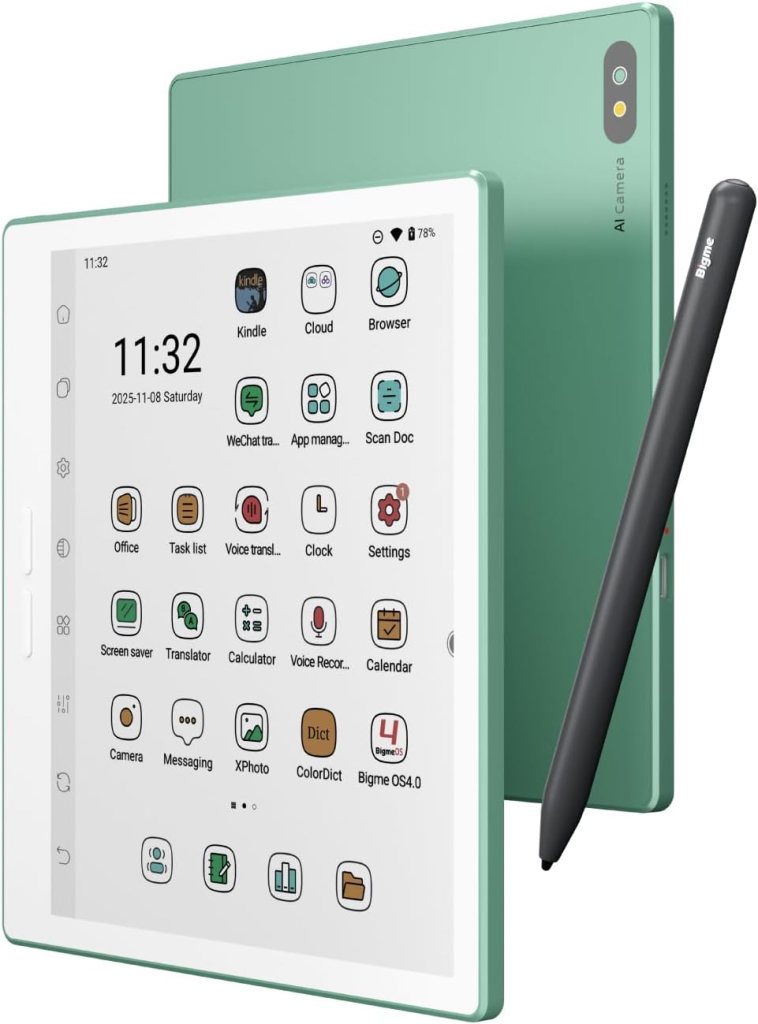
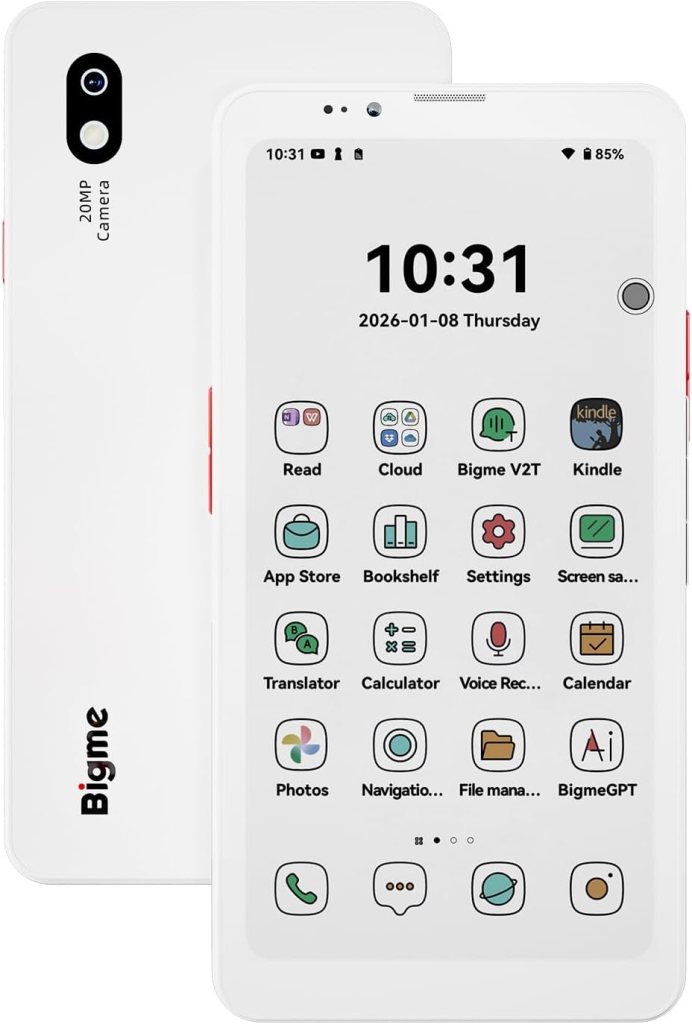

















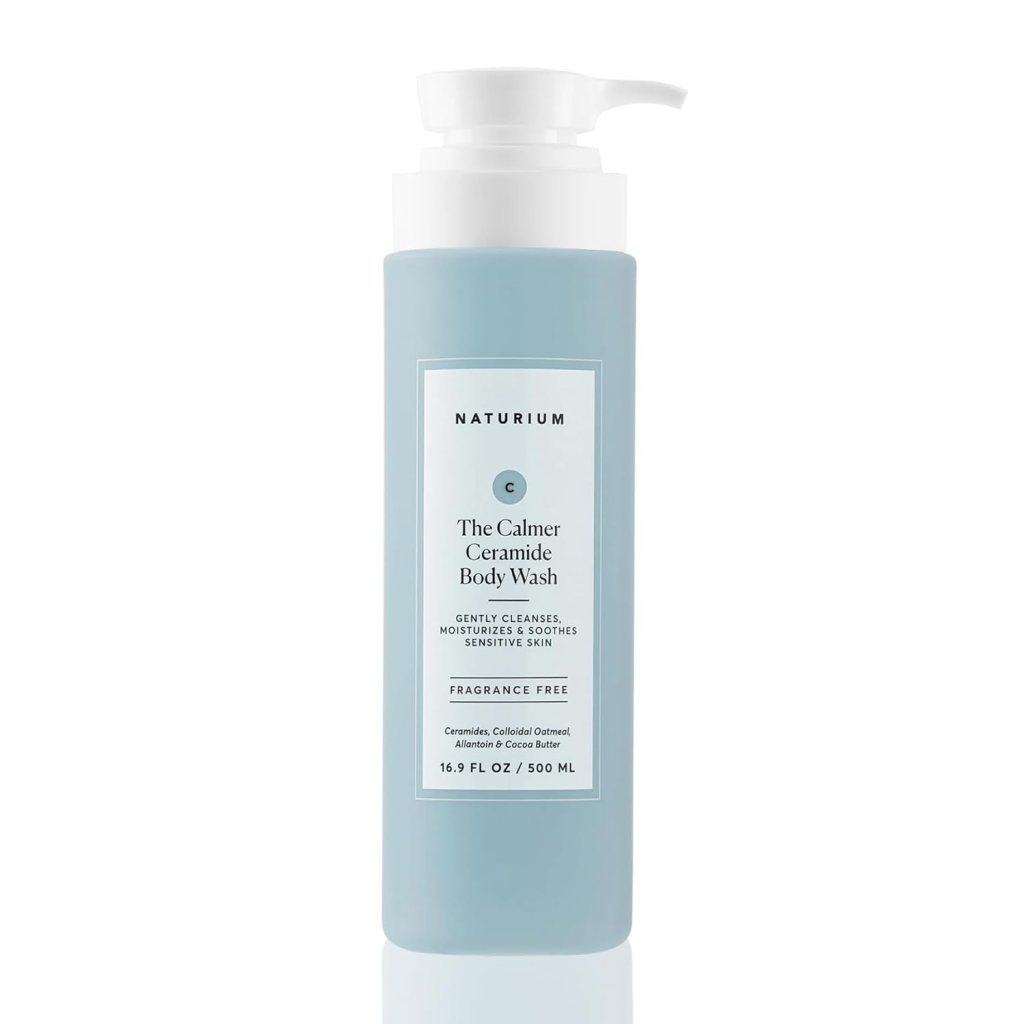


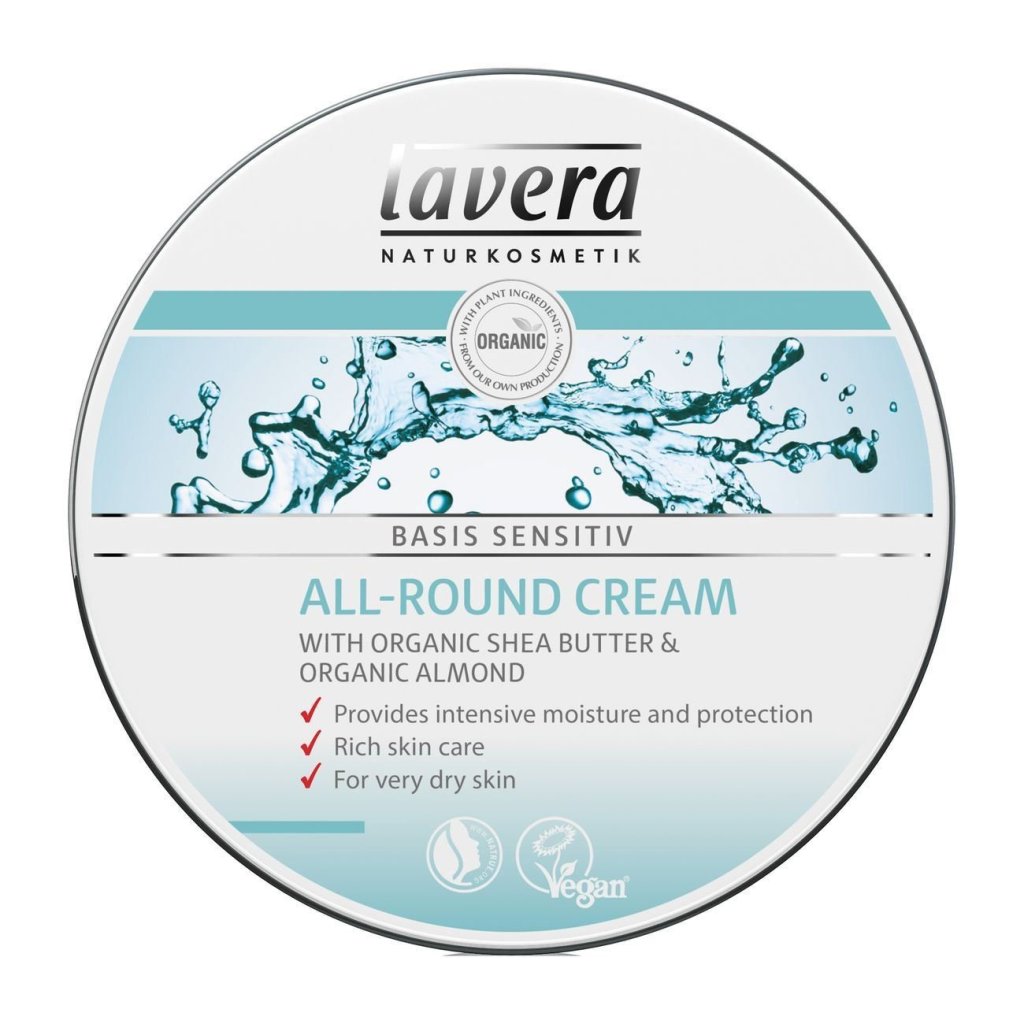


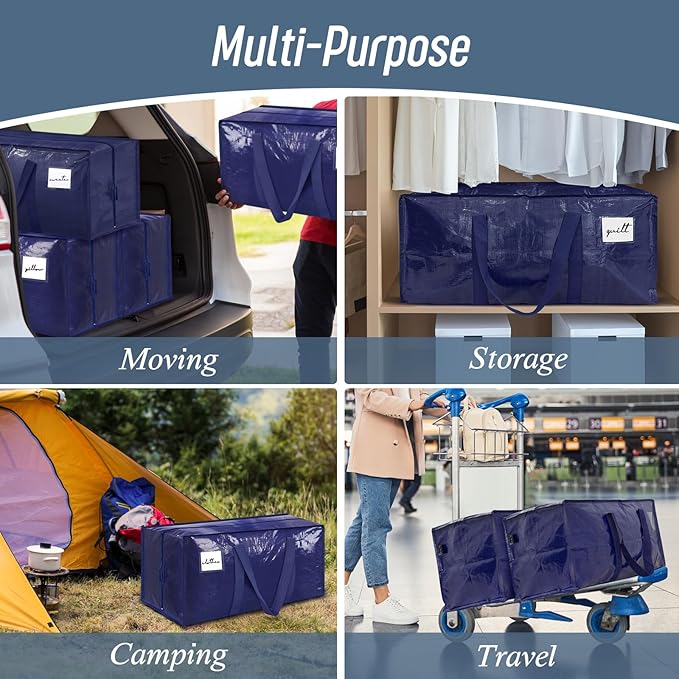
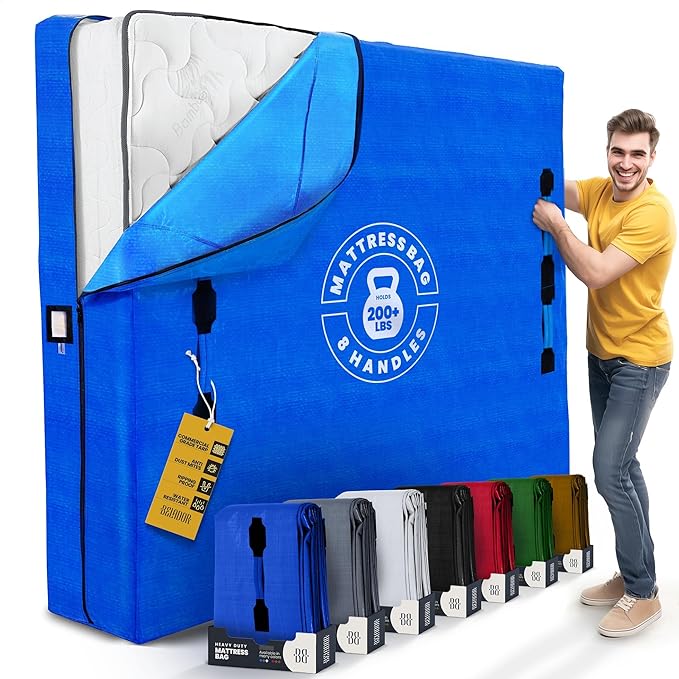

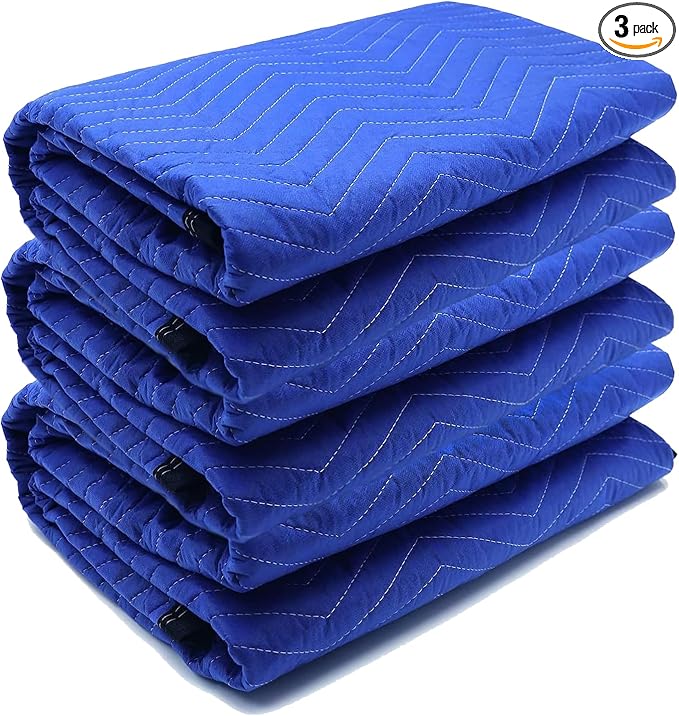
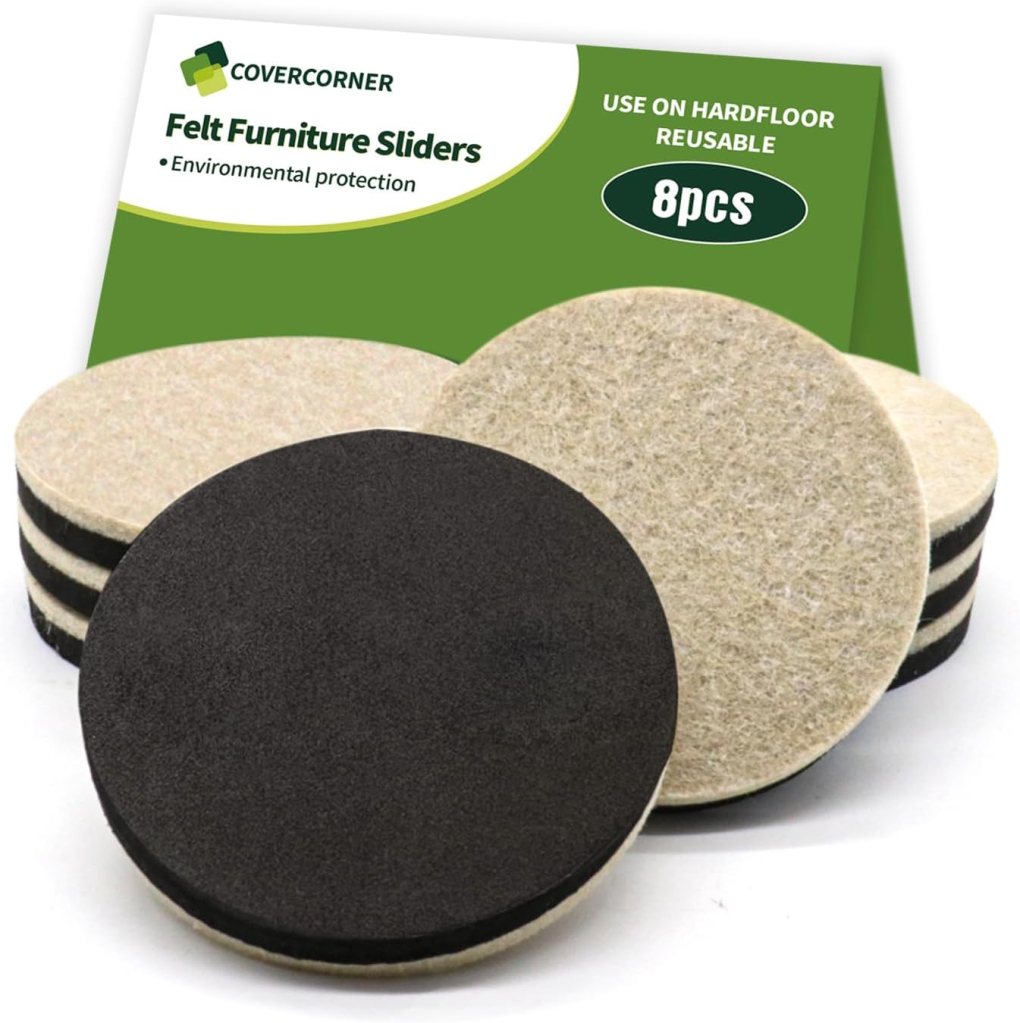


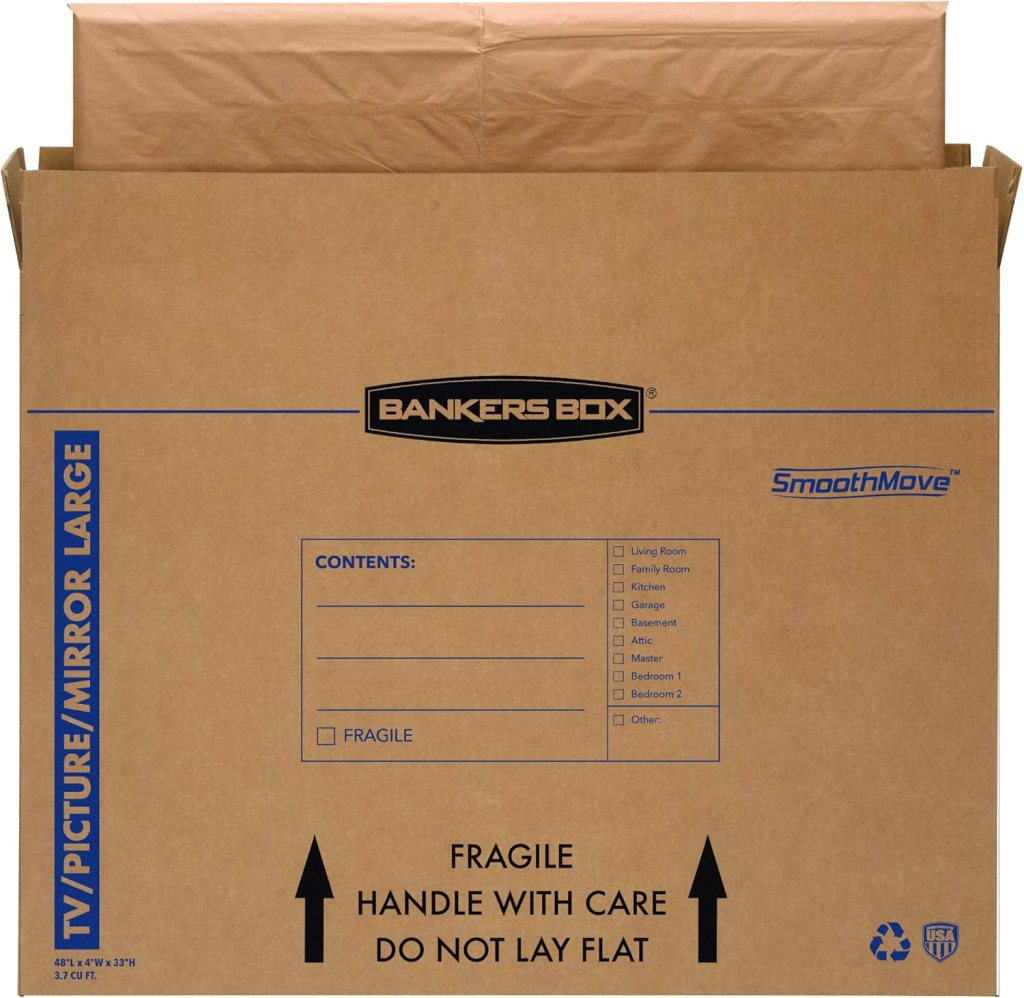
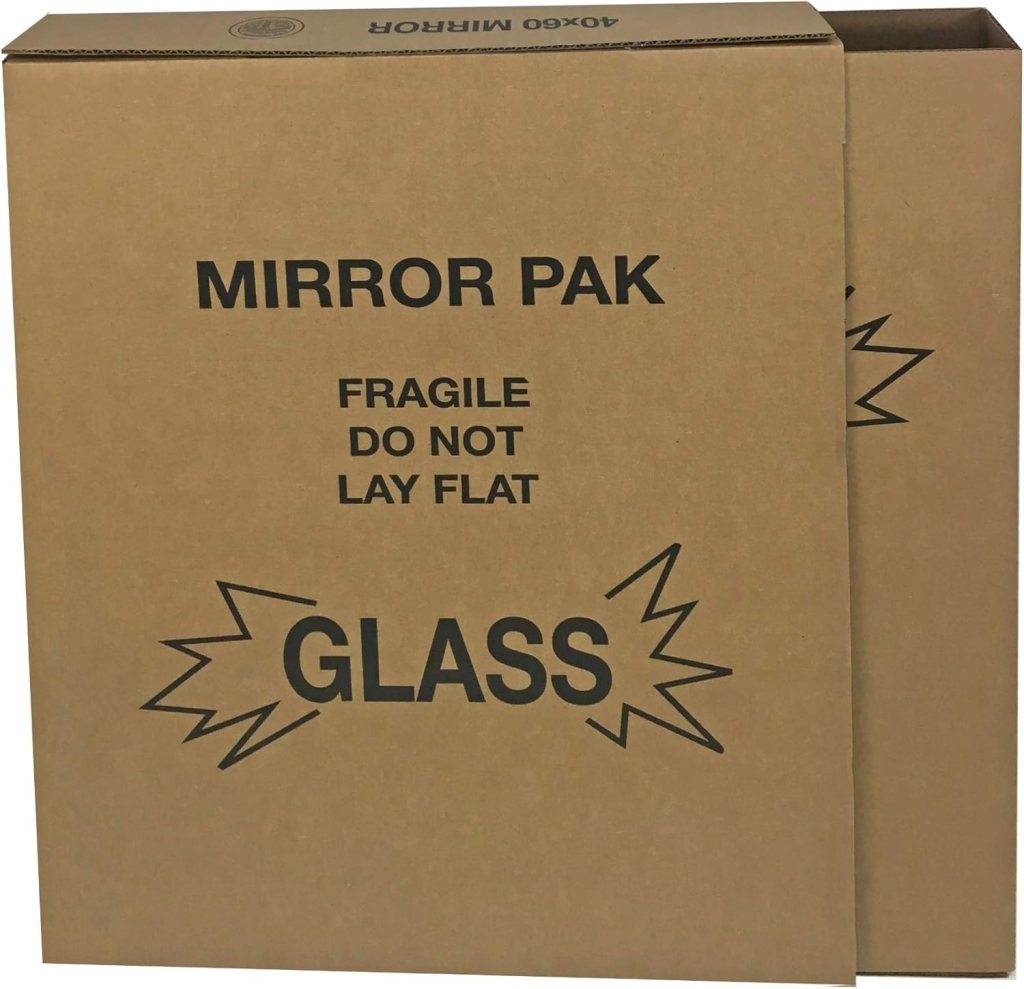

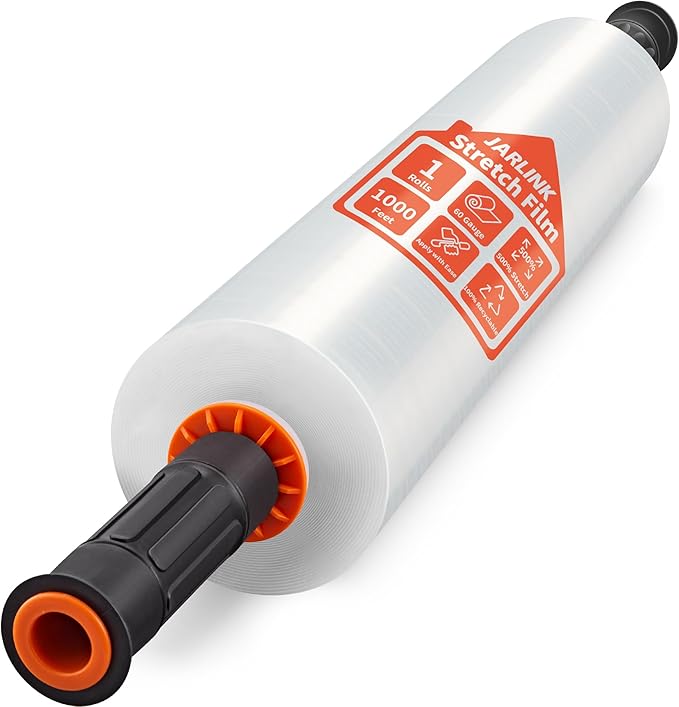

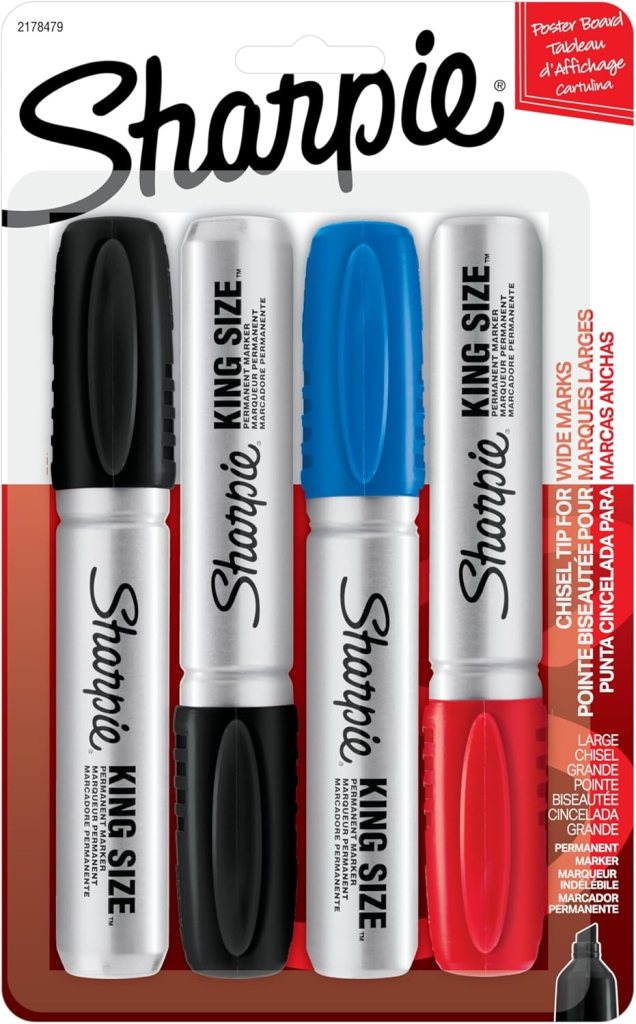
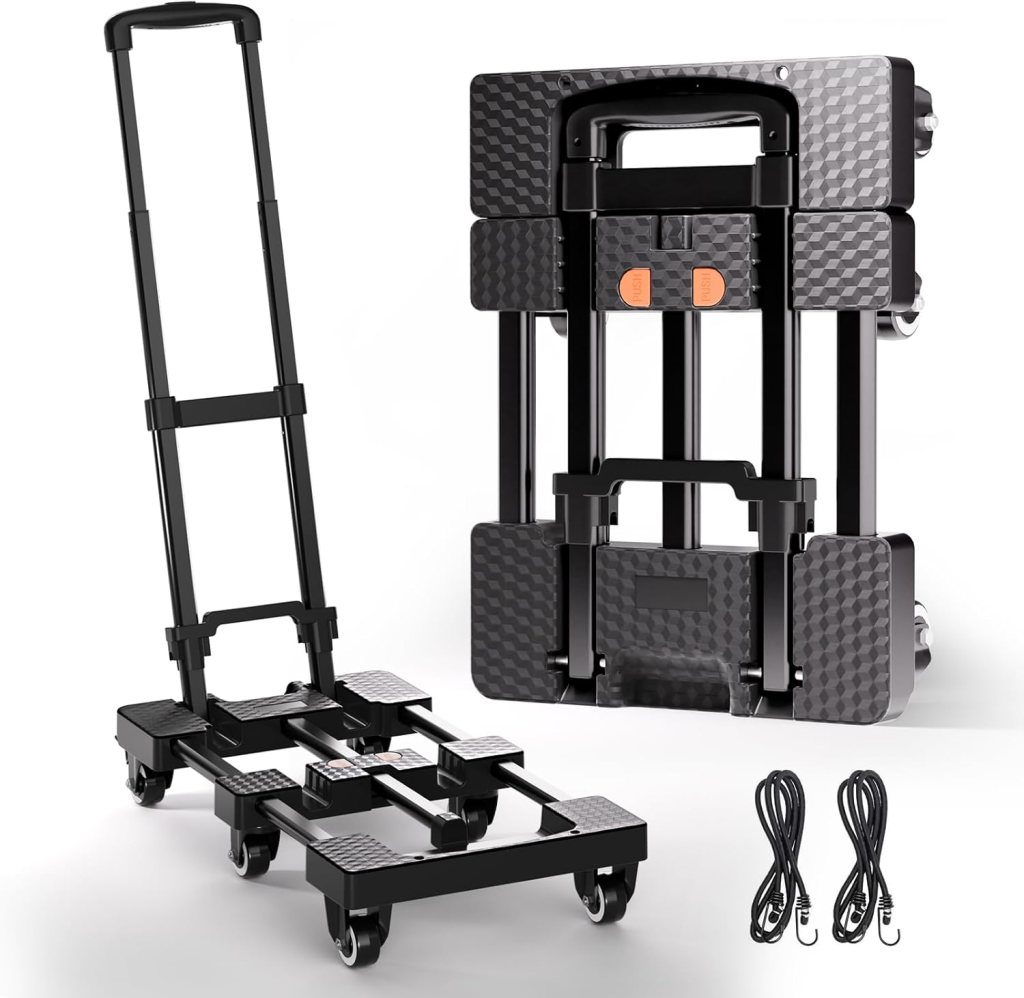
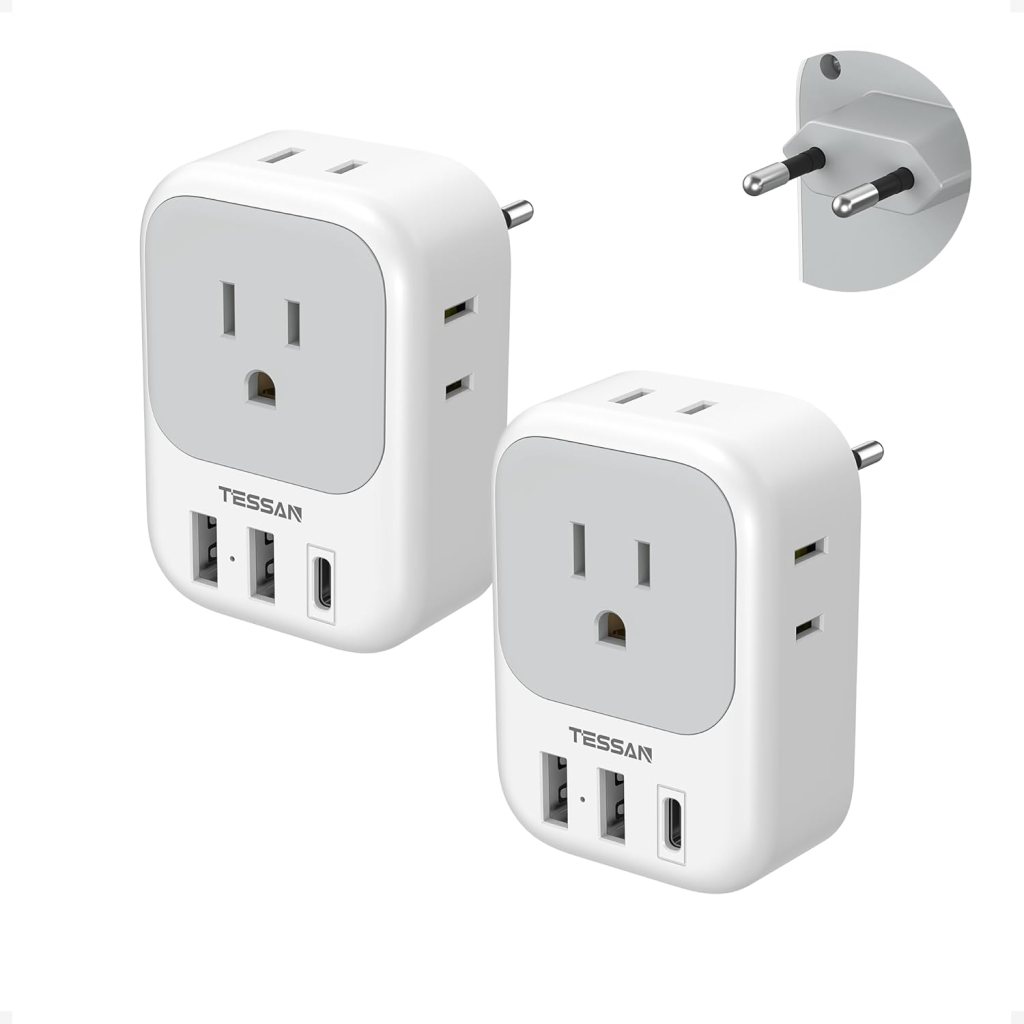

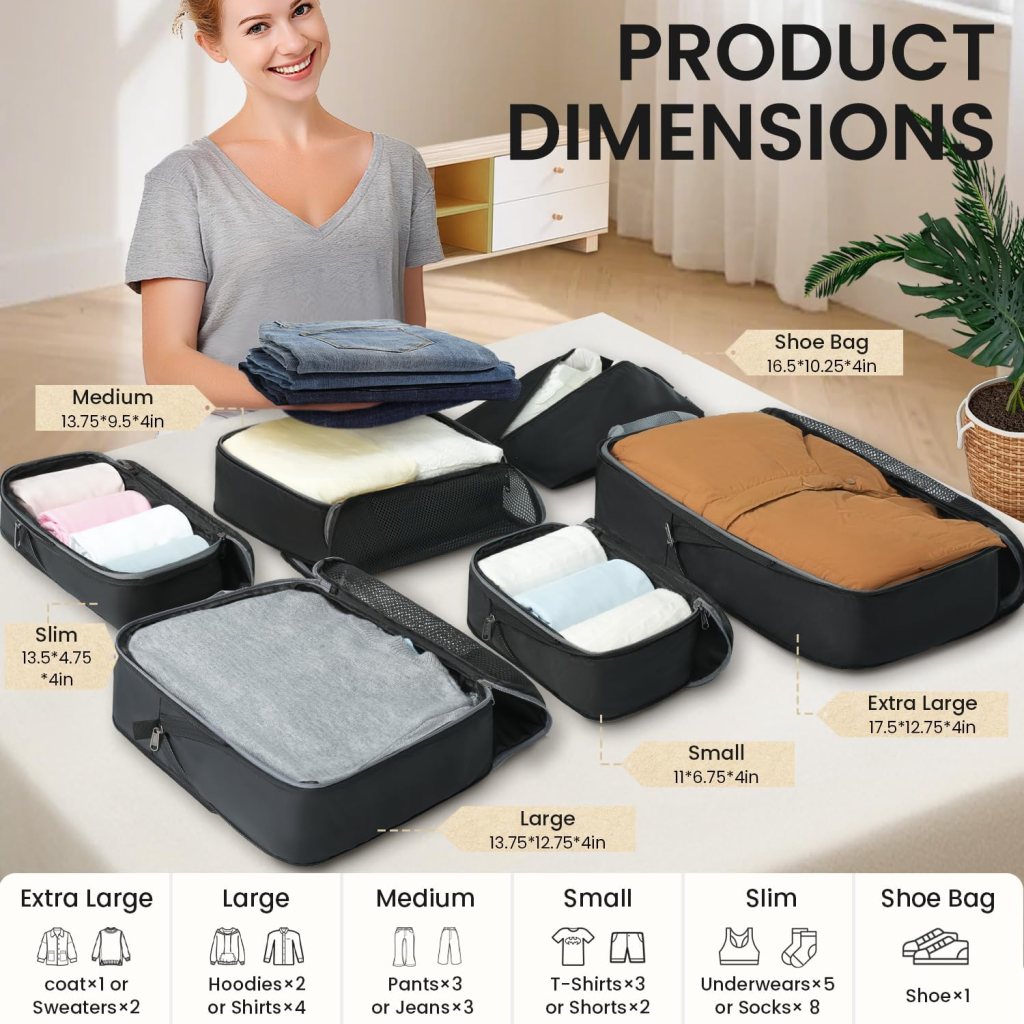
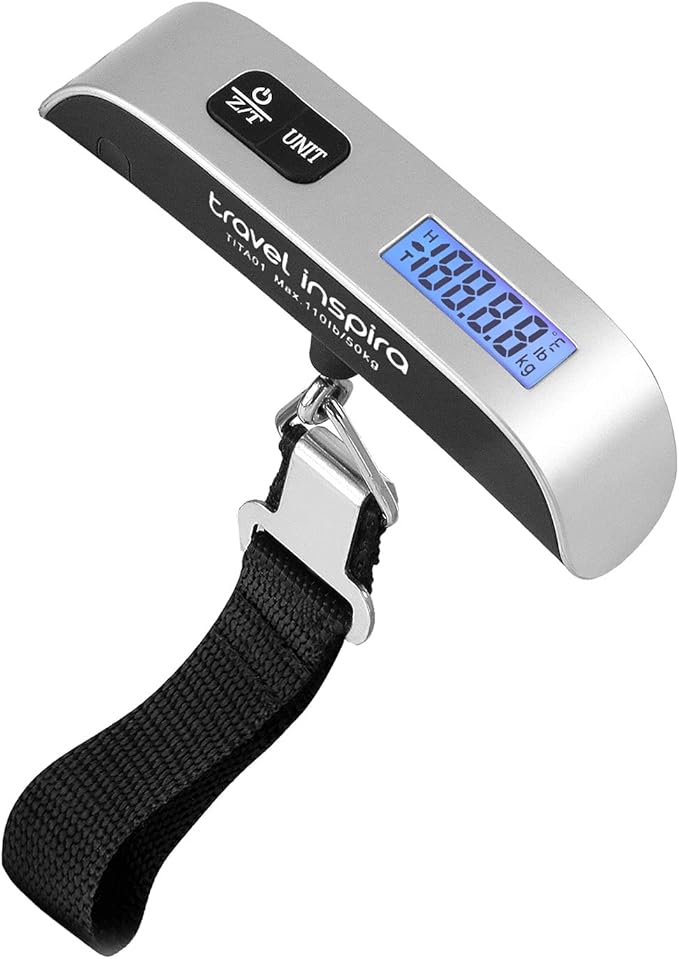
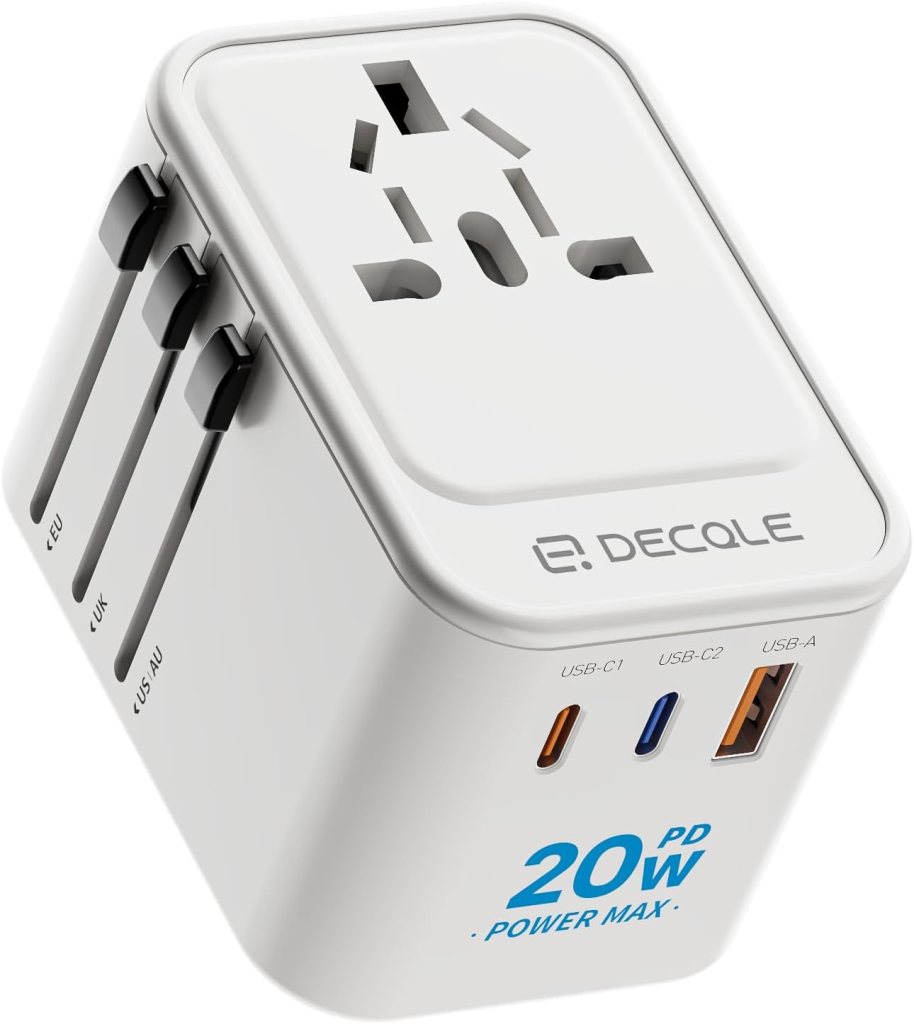

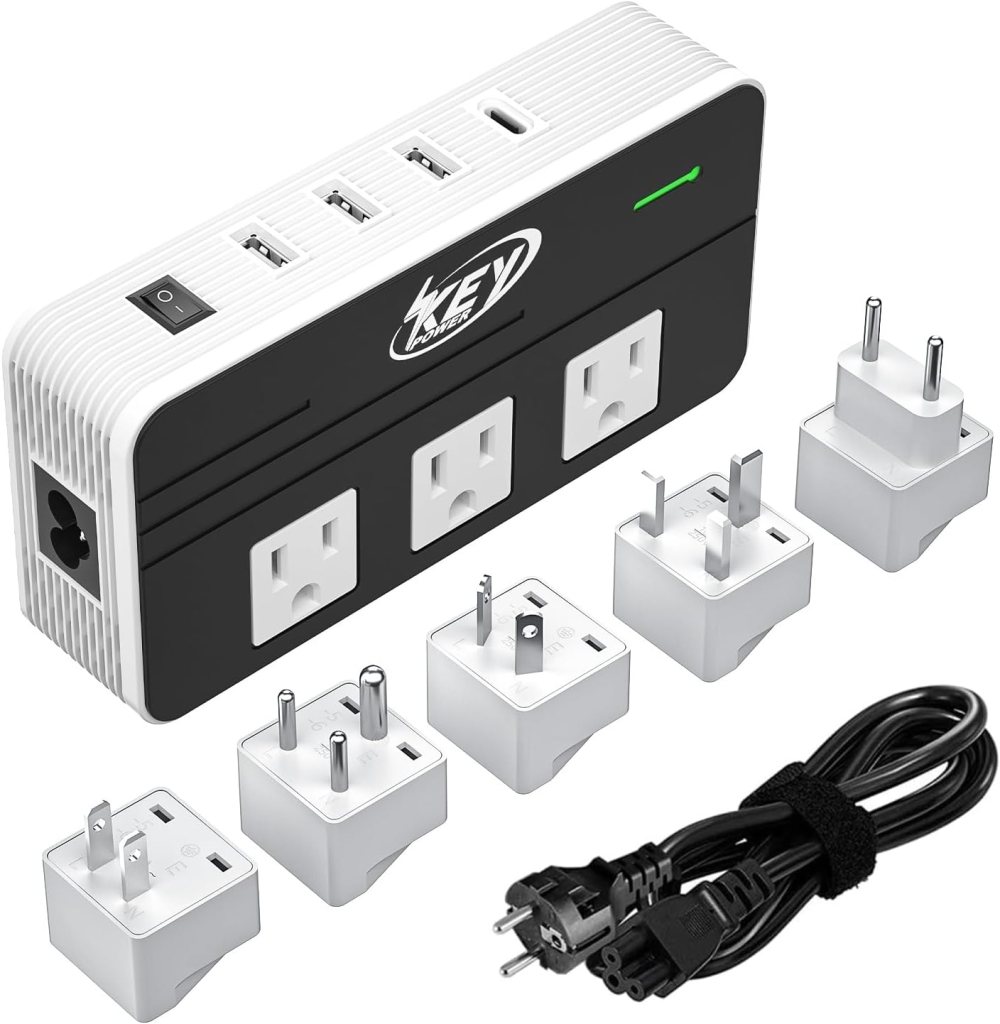

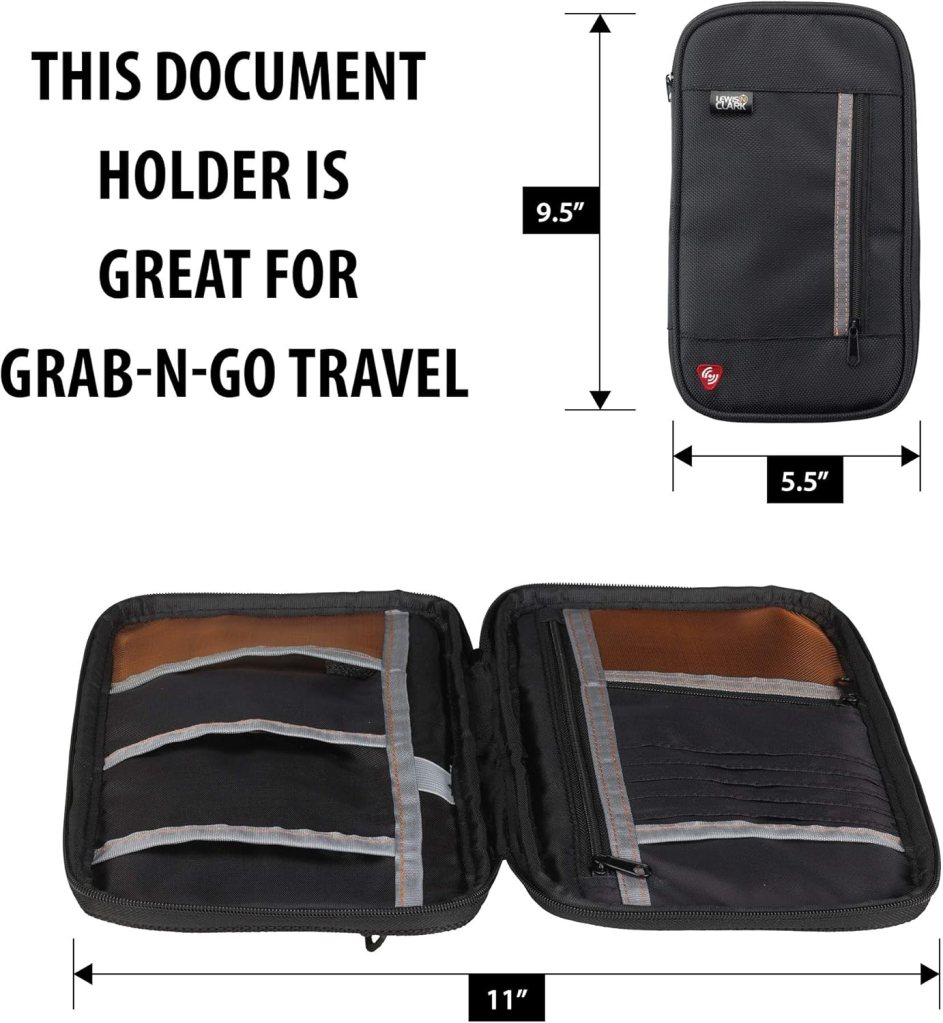





 Astra Aeternum X