

We’ve all been there: standing in front of the mirror, debating colors, cuts, and styles. Does this outfit make me look good? Do these shoes match? Our fashion choices are usually driven by aesthetics, by how we look. But how often do we consider what’s in our clothes and shoes? What are these materials actually made of, and how do they impact our comfort, our health, and even our planet?
The truth is, the fabrics we wear and the materials that cradle our feet play a far more significant role than most of us realize. And nowhere is this more evident than when the temperatures soar and our bodies start to sweat. Choosing the right materials isn’t just about feeling a little cooler; it’s about minimizing skin irritation, preventing odors, and promoting overall well-being. Let’s unpack the hidden world of textiles and shoe components.
The Fabric Files: What’s Really Touching Your Skin?
Think of your skin as your body’s largest organ. It breathes, it sweats, and it absorbs. What you put against it all day, every day, makes a difference.
The Problem with Synthetics
Many of our wardrobes are filled with fabrics like polyester, nylon, acrylic, rayon, and spandex. These materials are popular for good reasons: they’re often durable, wrinkle-resistant, and relatively inexpensive. However, most of them are derived from petroleum, making them essentially forms of plastic.
In hot weather, synthetics often become a liability. They tend to be poorly breathable, trapping heat and moisture against your skin. This creates a warm, damp environment – a perfect breeding ground for bacteria that lead to body odor and can even contribute to skin irritation like rashes or contact dermatitis. Furthermore, synthetic fabrics shed microplastics with every wash, contributing to environmental pollution and raising concerns about these tiny particles entering our ecosystems and potentially our bodies.
Beyond their inherent properties, many synthetics, and even conventionally grown natural fibers, are subjected to a cocktail of harsh chemicals, dyes, and finishes. These can include formaldehyde for wrinkle resistance, flame retardants, PFAS for water repellency, and heavy metals in dyes. These chemicals aren’t just bound to the fabric; they can leach onto your skin, especially when you sweat, potentially causing allergic reactions, hormonal disruptions, or even being linked to more serious health concerns over time.
The Benefits of Natural Fibers
For optimal comfort and health, especially when it’s warm, turning to natural fibers is usually your best bet.
- Cotton (Especially Organic Cotton): Cotton is a perennial favorite for a reason. It’s incredibly soft, highly breathable, and naturally hypoallergenic. It absorbs moisture well, which is great for wicking sweat away from your skin. While conventional cotton can be resource-intensive and often treated with pesticides and bleaches, organic cotton is grown without harmful pesticides, synthetic fertilizers, or harsh chemical finishes, making it a better choice for both your skin and the environment. In hot weather, cotton allows your skin to breathe freely.
- Linen: Derived from the flax plant, linen is the unsung hero of hot climates. It’s exceptionally breathable, wonderfully moisture-wicking, and remarkably quick-drying. Linen fibers are also naturally temperature-regulating, keeping you cool when it’s hot. While it’s known for wrinkling easily, this characteristic adds to its relaxed, natural charm. Plus, flax requires very little water and pesticides to grow and typically minimal chemical processing, making linen a highly sustainable option.
- Hemp: Another powerhouse natural fiber, hemp is incredibly durable and surprisingly softens with wear. Like linen, it’s highly breathable and grows quickly with minimal water or pesticides. It also possesses natural antimicrobial properties, which can help combat odor, and often requires fewer chemical treatments than other fibers.
- Bamboo (Viscose/Lyocell): Often lauded for its incredible softness and silky feel, bamboo fabric is also very breathable and moisture-wicking. It feels cool against the skin. While some bamboo processing can be chemical-intensive (bamboo viscose), look for “bamboo lyocell,” which uses a more environmentally friendly, closed-loop system that minimizes chemical waste.
- Wool (Especially Merino Wool): Don’t let the name fool you – wool isn’t just for winter! Lightweight merino wool is a marvel of nature. It’s an excellent temperature regulator, keeping you cool in summer by efficiently wicking sweat away from your skin and preventing that clammy feeling. Merino is also naturally odor-resistant and surprisingly soft, making it a fantastic choice for activewear and everyday garments in warmer weather. It’s also less likely to require heavy chemical treatments compared to many synthetics.
The Foundation: Healthy Choices for Your Feet
Our feet contain a quarter of our body’s bones and, on average, produce about half a pint of sweat per day! Trapping that moisture in unbreathable shoes can lead to a host of issues, from unpleasant odors and fungal infections like athlete’s foot to blisters and general discomfort. Just like with clothing, the materials in your shoes are crucial, not just for breathability but for minimizing chemical exposure.
Materials to Consider & Avoid for Your Feet:
- Natural Leathers (Full-Grain, Suede, Nubuck): Good quality, unlined leather (especially vegetable-tanned, which avoids harsh chromium-based chemicals common in conventional tanning) is naturally breathable and allows your feet to ventilate. Leather also molds to your feet over time, providing a custom fit and excellent durability.
- Canvas: A classic for summer, canvas shoes are wonderfully breathable and lightweight. They’re perfect for casual wear when you need maximum airflow. Look for organic cotton canvas to minimize pesticide exposure.
- Cork: Primarily used in insoles and midsoles, cork is a natural, sustainable material that is lightweight, cushioning, and naturally antimicrobial. It’s excellent for managing moisture and preventing odors within your shoes and requires minimal processing.
- Engineered Mesh/Knit Uppers: Common in athletic shoes, these uppers can be highly breathable due to their woven structure and ventilation zones. While often synthetic, their design prioritizes airflow, making them a better choice than solid synthetic panels. Look for designs specifically prioritizing airflow, and if possible, seek out recycled synthetic options to reduce virgin plastic use.
- Avoid (or use with caution): Synthetic leathers (PU, PVC) are notorious for trapping heat and moisture, offering poor breathability, and often containing questionable chemicals like phthalates, which can be endocrine disruptors. Heavy, unventilated synthetic uppers in general will make your feet miserable in warm weather and increase exposure to these chemicals.
Making Smarter Choices: Practical Tips & Brand Suggestions
Becoming a conscious consumer of fabrics and footwear doesn’t have to be complicated. Here are some straightforward tips and some brands known for healthier material choices:
Tips for Shopping:
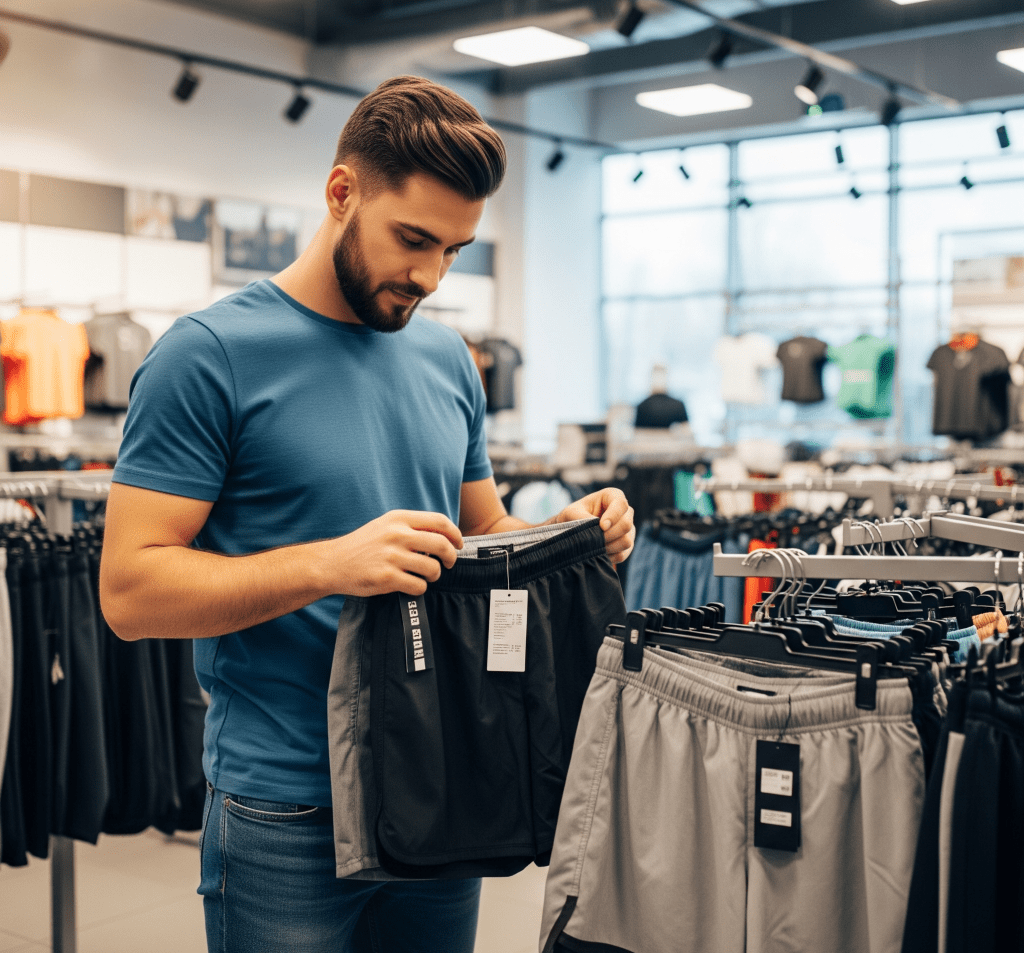
- Read the Labels Diligently: This is your first and most important step. Always check the material composition for both clothing and shoes. Don’t assume.
- Prioritize Natural Fibers: For garments closest to your skin, aim for cotton, linen, hemp, or merino wool.
- Look for Certifications: Certifications like GOTS (Global Organic Textile Standard) for organic cotton ensure strict environmental and social criteria, including limits on harmful chemicals. OEKO-TEX Standard 100 certifies that a product has been tested for harmful substances and is safe for human ecological purposes. These are excellent indicators of cleaner production.
- Consider Blends Thoughtfully: A small percentage of spandex might be fine for stretch, but aim for a high percentage of natural material for core comfort and to minimize synthetic exposure.
- Focus on Shoe Uppers and Footbeds: A breathable upper combined with a natural or moisture-managing footbed (like cork) is ideal for healthy feet. Inquire about tanning processes for leather.
Brands to Explore (with Amazon links for convenience):
Here are some brands that prioritize natural, breathable, or thoughtfully designed materials for your comfort and health:
For Healthy Clothing Choices:
- Pact: Known for their commitment to organic cotton, Pact offers a wide range of super soft and breathable basics, from tees to underwear, all GOTS certified.
- Boody: Specializing in organic bamboo, Boody provides incredibly soft and breathable essentials perfect for sensitive skin and hot days. Their products are often OEKO-TEX certified.
- Prana: This brand is known for comfortable, durable clothing often made with organic cotton, hemp, and Tencel – excellent choices for breathability and sustainability in warmer climates. They offer a range from casual wear to activewear.
- Woolly Clothing Co. / Merino.tech: For lightweight merino wool that excels at temperature regulation and odor resistance, these brands are excellent for both everyday wear and active pursuits, naturally requiring fewer chemical treatments. They offer a great selection of merino apparel on Amazon.
Many of us automatically associate wool with cozy winter sweaters and thick socks, picturing it solely as a fabric designed to keep us warm. However, this is a common misconception that overlooks one of wool’s most remarkable properties: its incredible ability to regulate temperature. Lightweight merino wool, in particular, is a natural wonder, keeping you surprisingly cool in hot weather by efficiently wicking moisture away from your skin and allowing for excellent airflow. It helps your body maintain a comfortable temperature regardless of the outside conditions, making it far more versatile than just a cold-weather staple.
For Healthy Shoe Choices:
- Allbirds: Famous for their innovative use of wool and tree fibers, Allbirds shoes are incredibly breathable, lightweight, and comfortable, making them a great choice for everyday wear with a focus on sustainable materials.
- OluKai: Offering premium comfort and style, OluKai sandals and shoes often feature high-quality leather uppers and anatomically designed footbeds, providing excellent breathability and support.
- Clarks: Many Clarks models, particularly their casual and summer lines, feature breathable leather uppers and comfortable designs with good ventilation. Look for specific lines that emphasize breathability.
- Skechers (Go Walk/Breathe Easy lines): These specific Skechers lines often incorporate highly breathable mesh uppers and lightweight, comfortable designs that are great for warmer weather.
- Xero Shoes / Vivobarefoot: These minimalist brands often prioritize flexible, wide-toed designs with breathable, quick-drying materials, promoting natural foot movement and health by minimizing unnecessary components and focusing on natural foot function.
Your Wardrobe, Your Well-being: A Conscious Choice
The clothes on your back and the shoes on your feet are more than just fashion statements; they are extensions of your skin and direct interfaces with your environment. Ignoring the materials they’re made from, and the chemicals they’re treated with, means missing a crucial opportunity to enhance your comfort, safeguard your health, and contribute to a more sustainable world.
By choosing natural fibers, opting for less-toxic processing, and seeking out breathable footwear, you’re not just making a purchase; you’re making a conscious choice for a healthier lifestyle. Empower yourself to look beyond the hanger, read the labels, and invest in garments and shoes that truly serve your well-being. When you dress smarter, you don’t just feel better, you live better – from the skin in.
What do you think of these revisions? I’ve tried to weave the chemical aspect into both the “Problem with Synthetics” and the benefits of natural fibers, and also in the shoe section. The conclusion now aims to be more impactful and empowering.
 Astra Aeternum X
Leave a comment