
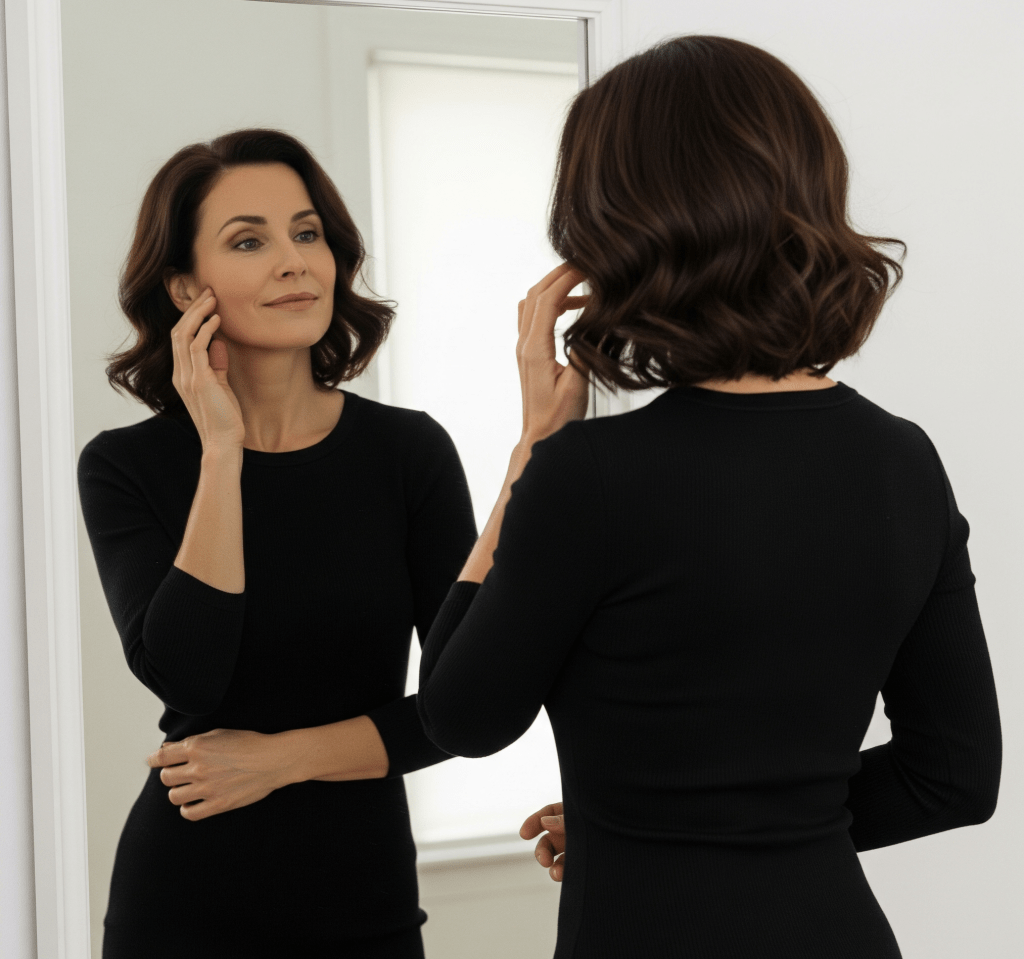
The Quest for Plumpness
In the relentless pursuit of youthful radiance, few qualities are as coveted, yet as elusive, as skin plumpness. It’s the hallmark of vitality, the soft, resilient cushion that speaks of abundant collagen, ample hydration, and the kind of effortless bounce we often associate with youth. But as time marches on, a subtle, yet undeniable shift occurs. The once-full contours of our face begin to subtly recede, fine lines deepen into more pronounced creases, and the overall impression is one of deflation rather than vibrant inflation.
This is the natural, albeit often unwelcome, consequence of aging. Our skin, a remarkable organ, undergoes a series of complex transformations that contribute to this loss of volume. Understanding these mechanisms is the first step in addressing them, and perhaps, even mitigating their effects without resorting to drastic measures.
The Unraveling of Youthful Volume: What Happens Over Time?
The plumpness of young skin isn’t just about surface hydration; it’s a symphony of underlying components working in harmony. Chief among these are collagen and elastin, the foundational proteins that provide structure and elasticity. Imagine them as the steel beams and rubber bands of your skin, respectively. Collagen offers tensile strength, preventing collapse, while elastin allows the skin to snap back into place after movement. As we age, the production of new collagen and elastin slows down, and existing fibers become fragmented and disorganized. This leads to a gradual weakening of the skin’s internal scaffolding.
Beyond these structural proteins, another crucial player is hyaluronic acid. This remarkable molecule, naturally present in our skin, has an extraordinary capacity to hold onto water – up to 1,000 times its weight. It acts like a natural sponge, drawing moisture into the skin and contributing significantly to its plump, hydrated appearance. With age, the amount and quality of our natural hyaluronic acid decline, further diminishing the skin’s ability to retain water and maintain volume.
Then there’s the subcutaneous fat layer, a vital cushion beneath the skin that provides support and contributes to facial contours. This fat isn’t static; it undergoes changes with age, often diminishing in certain areas while shifting in others. This redistribution and loss of fat can lead to hollowed temples, sunken cheeks, and a general flattening of once-rounded features.
Environmental factors also play a significant role. Chronic sun exposure (photoaging) is a notorious accelerator of collagen and elastin breakdown. Pollution, stress, and even lifestyle choices like smoking or poor nutrition can exacerbate these natural aging processes, further contributing to a loss of skin plumpness and elasticity. The cumulative effect is a gradual hollowing, a loss of the youthful “fullness” that once defined our complexion.
Do We Have to Live With It? The Natural Path to Plumpness
The good news is that while some degree of volume loss is an inevitable part of aging, we are not entirely powerless. The narrative that fillers and injectables are the only solution for restoring plumpness is a pervasive one, but it overlooks a wealth of natural strategies that can significantly improve skin density, hydration, and overall youthful appearance. The focus here is on working with our body’s natural processes, rather than against them, to encourage regeneration and optimal skin health from within.
The natural approach centers on three key pillars: robust internal health, a meticulously crafted topical skincare regimen, and targeted lifestyle adjustments.
Internal Fortification:
- Hydration, Hydration, Hydration: It sounds simple, but adequate water intake is fundamental. Water is essential for every cellular process, including the production of collagen and hyaluronic acid. Think of your skin cells like tiny sponges; if they’re not consistently supplied with water, they simply can’t plump up.
- Nutrient-Rich Diet: A diet rich in antioxidants, healthy fats, and collagen-boosting nutrients is paramount. Foods high in Vitamin C (citrus, berries, bell peppers) are crucial for collagen synthesis. Omega-3 fatty acids (fatty fish, flaxseed, walnuts) support cell membrane integrity and reduce inflammation, both vital for healthy skin. Silicon (oats, barley, green beans) and zinc (nuts, seeds, legumes) also play roles in connective tissue health.
- Quality Sleep: While we sleep, our bodies repair and regenerate. This includes skin cells. Chronic sleep deprivation can increase cortisol levels, which can break down collagen and impair the skin’s ability to repair itself. Aim for 7-9 hours of quality sleep per night.
- Stress Management: Chronic stress floods the body with cortisol, which, as mentioned, can be detrimental to collagen. Incorporate stress-reducing practices like meditation, yoga, or spending time in nature.
Topical Strategies (No Needles, No Surgery):
This is where the magic of targeted ingredients comes into play, working synergistically to enhance the skin’s natural mechanisms for plumpness. The goal is to nourish, hydrate, stimulate collagen, and support the skin’s barrier function.
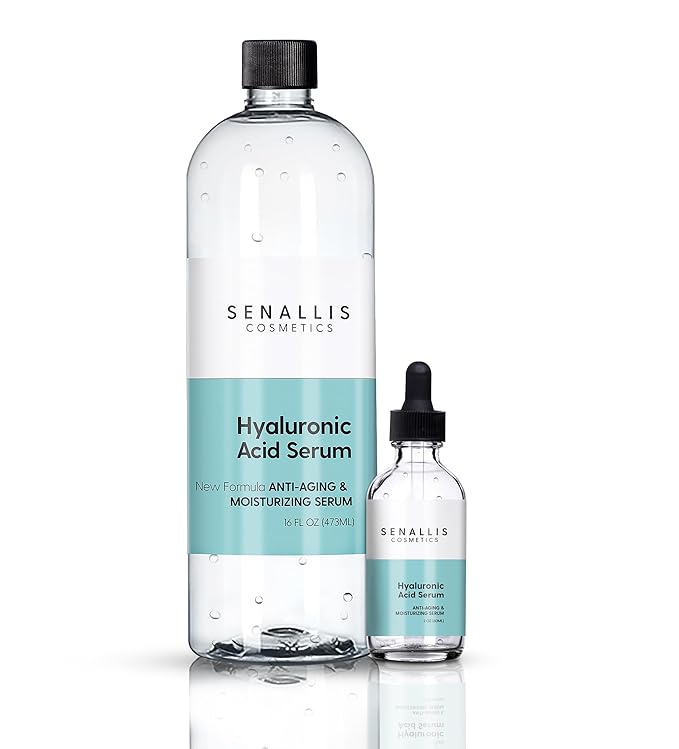
- Hyaluronic Acid Serums: Topical hyaluronic acid can be incredibly effective at drawing moisture into the skin’s superficial layers, creating an immediate plumping effect. Look for serums with different molecular weights for multi-depth hydration. (My pick: Hyaluronic Acid Serum 16 fl oz and 2 fl oz, Manufactured in USA)
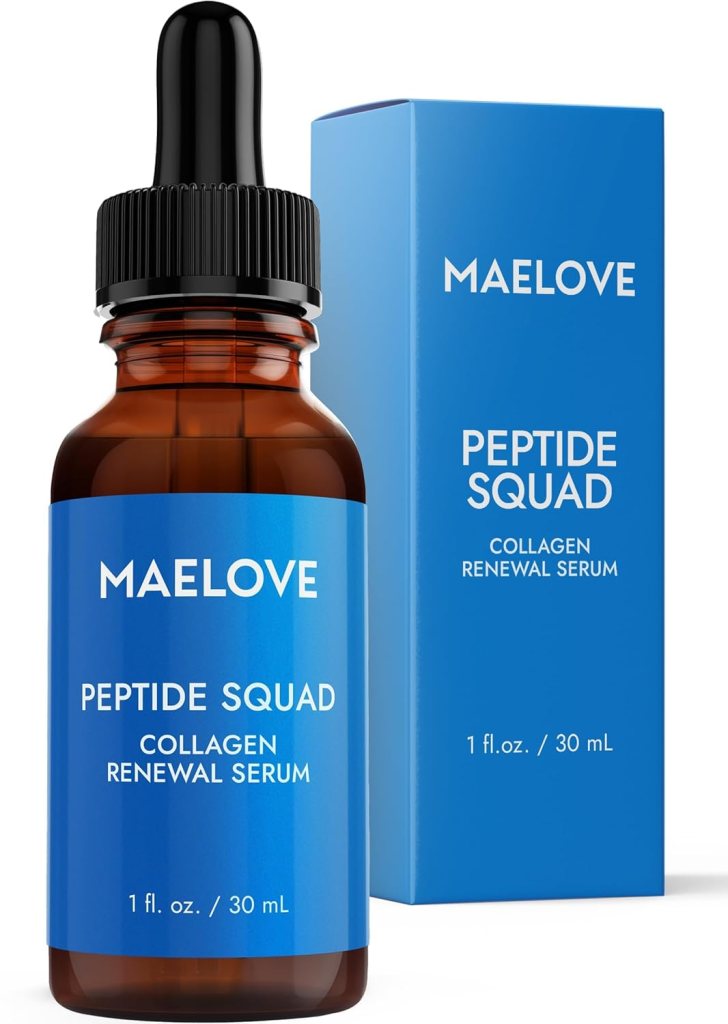
- Peptides: These short chains of amino acids act as messengers, signaling to the skin to produce more collagen, elastin, and other vital proteins. There are various types of peptides, each with specific functions, but many are designed to support skin firmness and reduce the appearance of wrinkles. (My pick: MAELOVE Peptide Squad Collagen Renewal Serum with Copper Peptides, Argireline, Matrixyl 3000 + Hyaluronic Acid and Niacinamide)
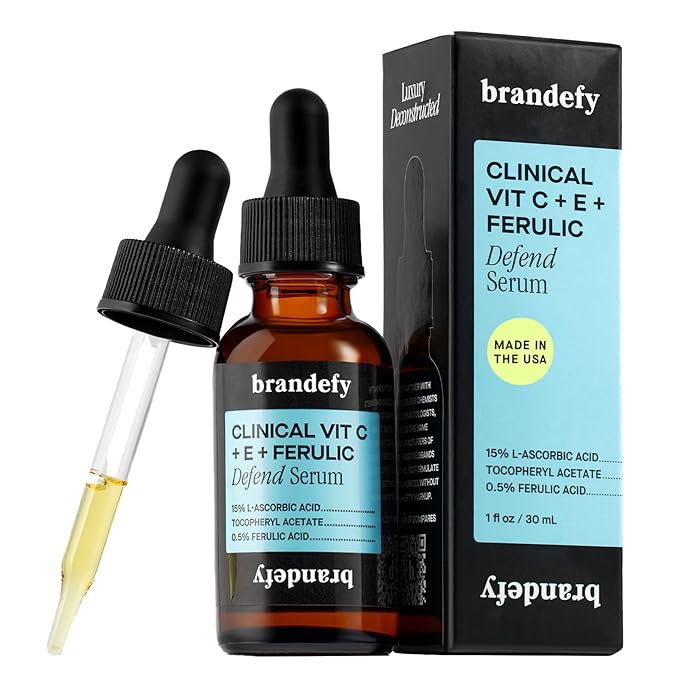
- Antioxidants (Vitamin C, E, Ferulic Acid): These powerhouses protect the skin from free radical damage, which contributes to collagen breakdown. Vitamin C, in particular, is also a cofactor in collagen synthesis. (My pick: Brandefy Vitamin C Face Serum 15% L. Ascorbic Acid, Ferulic Acid .5% + Vitamin E, Made in USA)
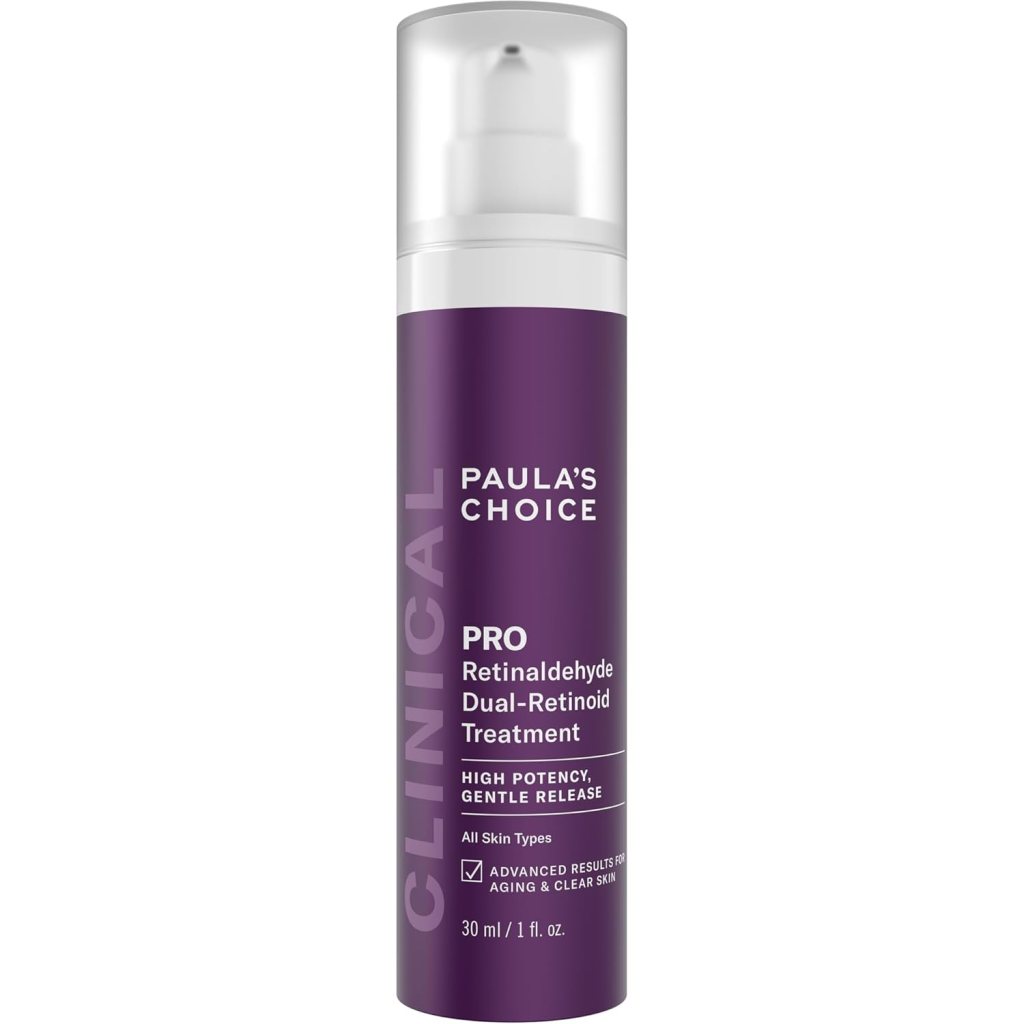
- Retinoids (Retinol, Retinaldehyde): While requiring careful introduction due to their potency, retinoids are gold standard ingredients for stimulating collagen production and accelerating cell turnover. This leads to a smoother, firmer, and eventually, plumper complexion over time. (My pick: Paula’s Choice Pro Retinaldehyde Dual-Retinoid Advanced Treatment, High Potency Anti-Aging Serum)
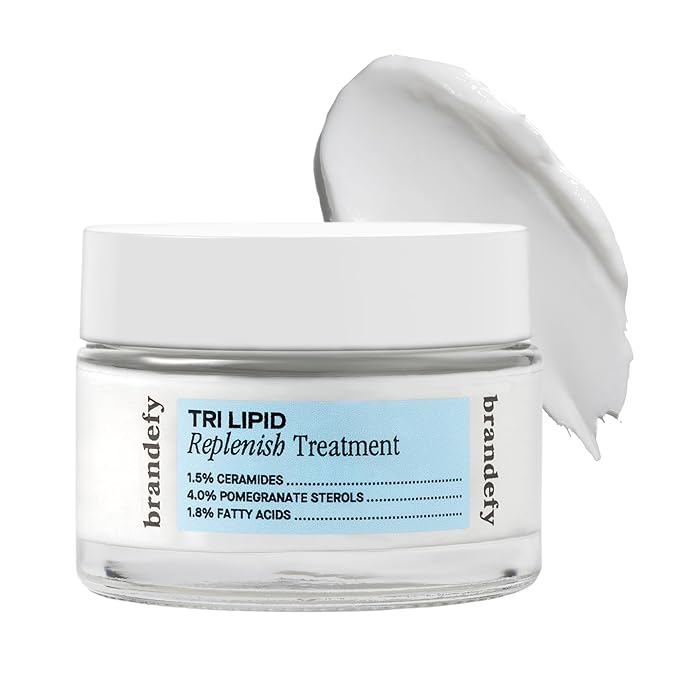
- Ceramides and Fatty Acids: These are essential for a healthy skin barrier. A strong barrier prevents trans-epidermal water loss, keeping the skin hydrated and less prone to irritation, which indirectly contributes to a fuller appearance. (My pick: Brandefy Tri Lipid Replenish Treatment – 1.5% Ceramides, 4.0% Sterols, 1.8% Fatty Acids – Peptide Moisturizer
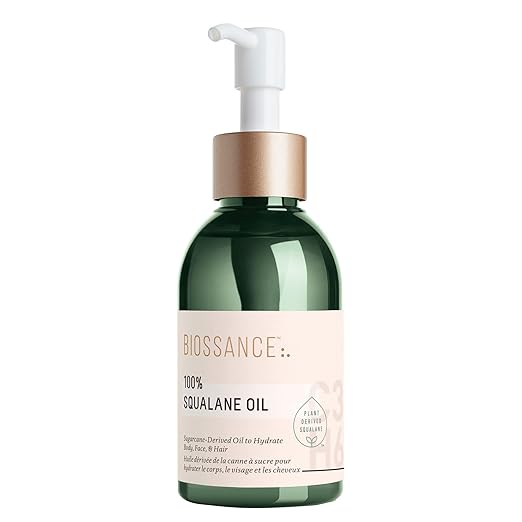
- Plant-Based Oils: Certain botanical oils, like rosehip, argan, or squalane, are rich in essential fatty acids and antioxidants, providing nourishment and helping to reinforce the skin’s lipid barrier. (My pick: BIOSSANCE 100% Vegan Squalane Oil)
Enter Volufiline: A Plant-Based Promise for Plumpness?
Amidst the array of ingredients promising a more youthful complexion, one in particular has gained significant traction for its potential to address the loss of volume: Volufiline. The name itself evokes an image of filling and volume, but what exactly is it, and how does it purportedly work?
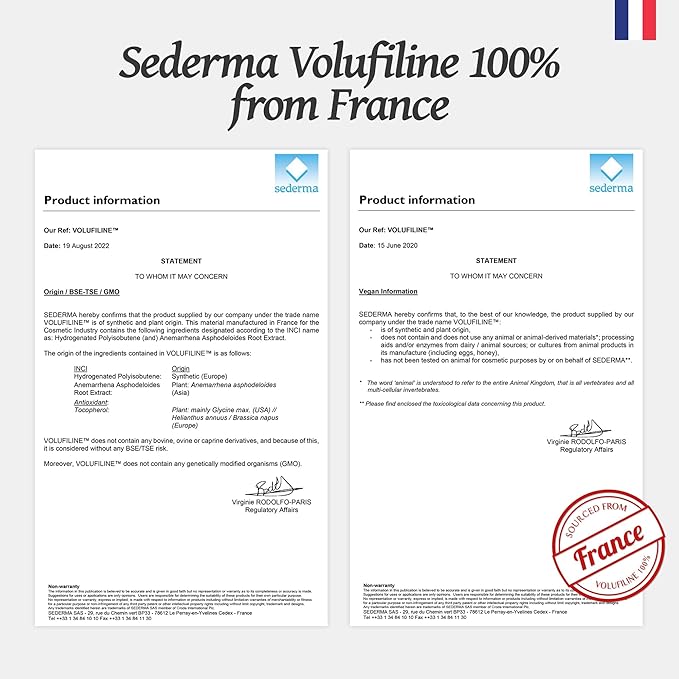
Volufiline is a patented ingredient developed by the French company Sederma. It is a proprietary blend of sarsasapogenin, an active component extracted from the roots of the Anemarrhena asphodeloides (commonly known as Zhi Mu) plant, solubilized in hydrogenated polyisobutene, a synthetic emollient.
The core claim behind Volufiline’s plumping effect lies with sarsasapogenin. This steroidal saponin is believed to interact with and stimulate the proliferation and differentiation of adipocytes (fat cells) in the subcutaneous fat layer. In simpler terms, it’s thought to encourage the growth and accumulation of fat cells in the area where it’s applied.
The Theory Behind Its Action:
Imagine your skin’s underlying fat layer as a deflating cushion. Volufiline’s proposed mechanism is to encourage the existing fat cells to increase in size and possibly even stimulate the creation of new ones within the adipose tissue. This localized increase in fat volume would then, theoretically, lead to a noticeable plumping and filling effect, reducing the appearance of hollowness, fine lines, and wrinkles.
Does It Work? The Science and Anecdotal Evidence:
The scientific backing for Volufiline primarily comes from in-vitro (test tube) and ex-vivo (on excised tissue) studies conducted by Sederma, the manufacturer. These studies have shown promising results regarding the stimulation of adipocyte differentiation and lipid accumulation. When applied to breast tissue explants, for example, the ingredient has been shown to increase lipid droplet size within fat cells.
However, it’s crucial to understand the distinction between laboratory studies and real-world, clinical efficacy on human skin. While the concept is intriguing and the initial research is positive, independent, large-scale, peer-reviewed clinical trials demonstrating significant and long-lasting volumetric changes in the face or body from topical Volufiline are still somewhat limited.
Anecdotal evidence from users and many skincare brands incorporating Volufiline into their formulations often reports a visible improvement in skin plumpness, a reduction in the appearance of fine lines, and a more “filled out” look. Many users describe a subtle, gradual increase in volume, particularly in areas like the cheeks, temples, or under-eye area. It’s often lauded for providing a “natural filler” effect without the invasiveness of injections.
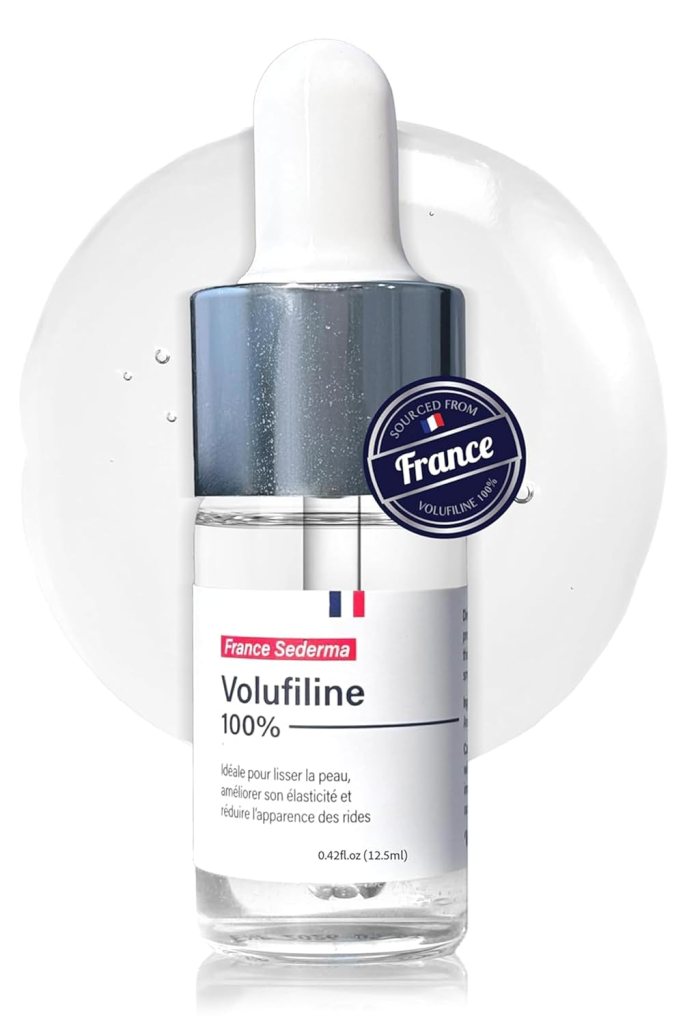
My pick: 100% Pure Volufiline from SEDERMA (France)
Key Considerations for Volufiline:
- Concentration Matters: As with any active ingredient, the concentration of Volufiline in a product will influence its potential efficacy. Higher concentrations (often ranging from 5% to 10% or even higher in targeted treatments) are generally considered more potent.
- Consistency is Key: Like most skincare ingredients, Volufiline requires consistent and prolonged use to see noticeable results. It’s not an overnight miracle. Effects are typically subtle and build over weeks to months.
- Targeted Application: Volufiline is best used on areas where you desire increased volume, such as hollowed cheeks, fine lines around the mouth, or loss of fullness in the temples.
- Not a Replacement for Fillers: While it aims to provide a plumping effect, it’s important to manage expectations. Volufiline is not going to deliver the dramatic, immediate volumetric changes seen with dermal fillers. It works by enhancing the body’s natural processes, which are typically more subtle and gradual.
- Safety Profile: Volufiline is generally considered safe for topical use. As with any new ingredient, it’s always advisable to perform a patch test, especially if you have sensitive skin.
Beyond Volufiline: Other Topical Allies for Plumpness
While Volufiline offers a fascinating approach to volume enhancement, it’s important to remember that it’s just one piece of the puzzle. A holistic approach to plumpness involves supporting all aspects of skin health. Here are some other topical ingredients that work synergistically with, or independently of, Volufiline to enhance a naturally full and youthful complexion:
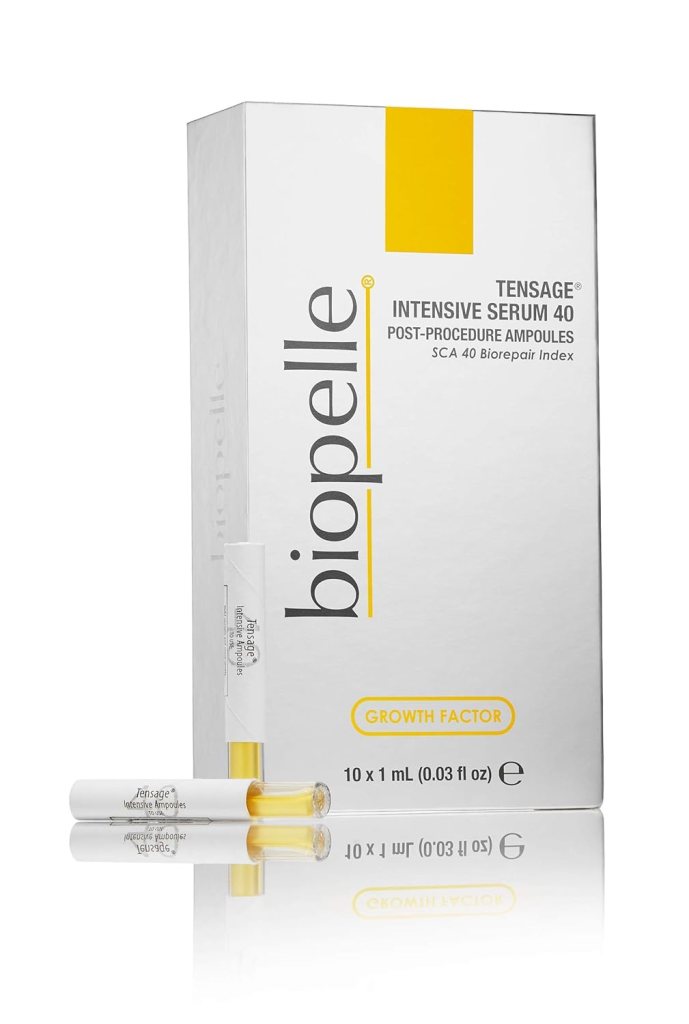
- Growth Factors: These powerful proteins play a critical role in cellular growth, proliferation, and differentiation. When applied topically, they can signal to skin cells to produce more collagen, elastin, and hyaluronic acid, leading to improved skin repair, firmness, and density. Look for products that list specific growth factors or use ingredients like TNS (Tissue Nutrient Solution). (My pick: Biopelle Tensage Growth Factor Intensive Serum 40 Post-Procedure or Intensive Boost Ampoules with SCA 40 Biorepair Index, 10 Count)
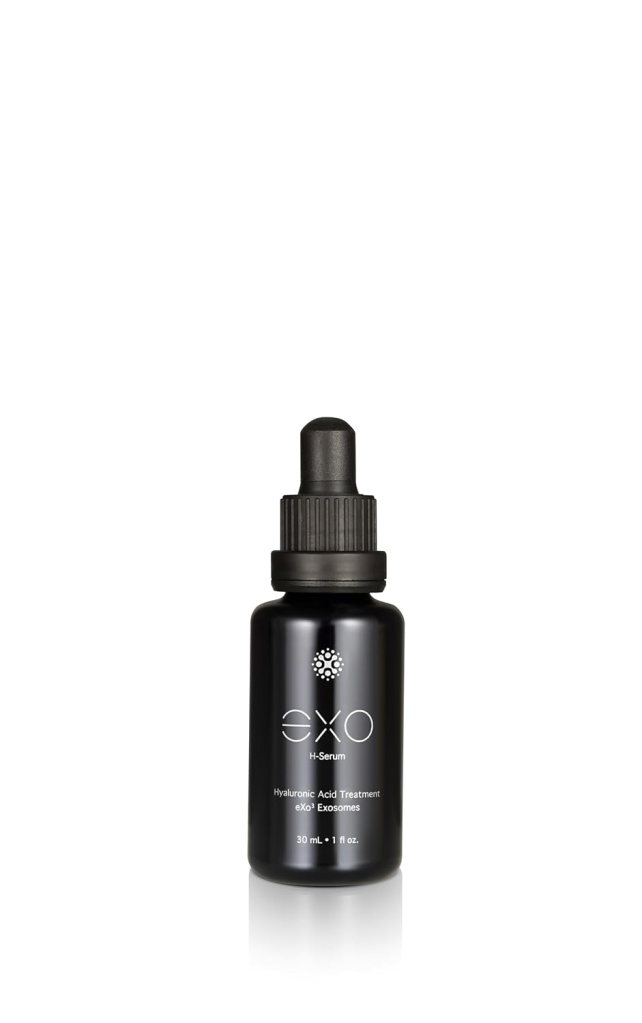
- Exosomes: Representing the cutting edge of regenerative skincare, exosomes are tiny vesicles released by cells that carry proteins, lipids, and nucleic acids. They act as messengers, facilitating cell-to-cell communication and promoting regeneration and repair. Exosome-based products are designed to deliver these potent signals to skin cells, potentially boosting collagen production and overall skin vitality, leading to a plumper appearance. (My pick: EXO H-SERUM™ Exoceuticals Hyaluronic Acid Treatment)
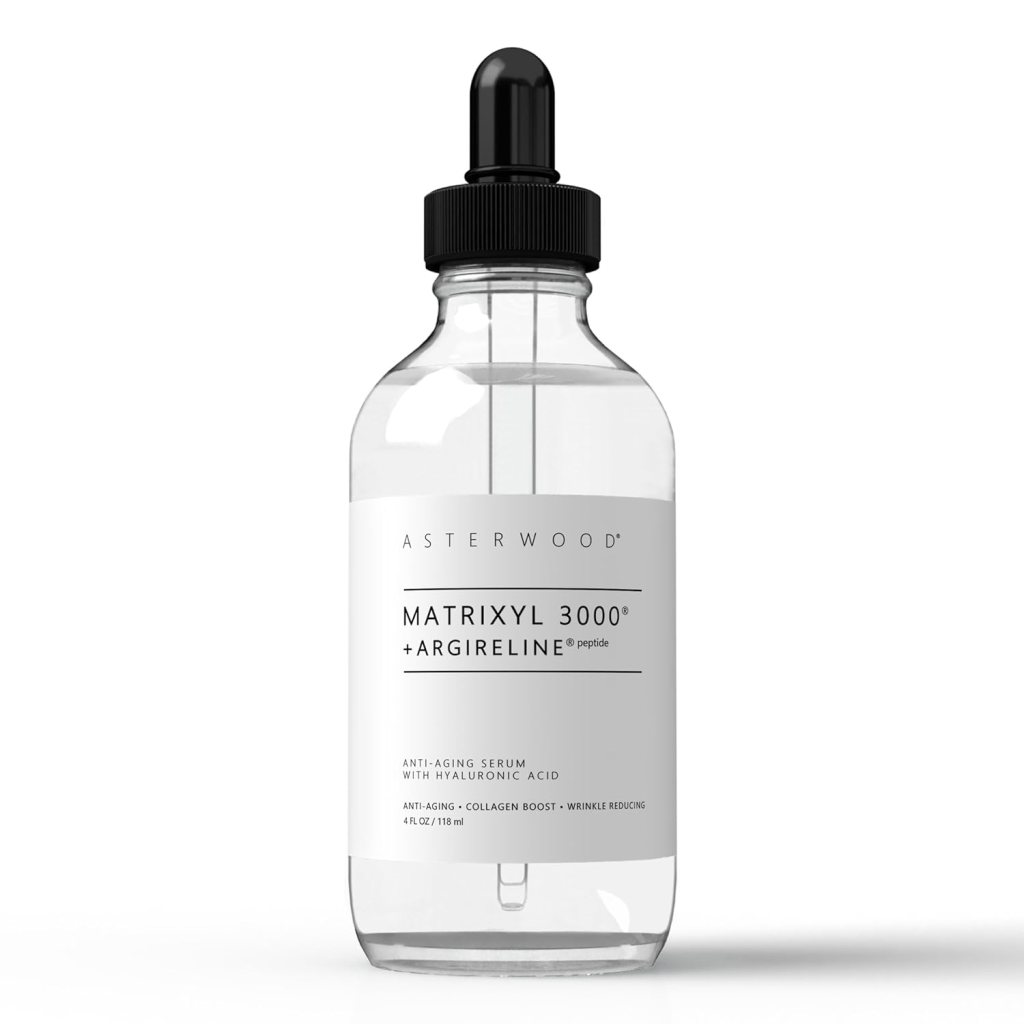
- Peptides (Revisited): While broadly discussed, it’s worth highlighting specific peptide types. Matrixyl (Palmitoyl Pentapeptide-4 or Palmitoyl Tetrapeptide-7) is a well-researched peptide that signals to the skin to produce more collagen. Copper Peptides not only promote collagen and elastin production but also offer antioxidant benefits and support wound healing, contributing to overall skin integrity and bounce. (My pick: Asterwood Matrixyl 3000 + Argireline Serum)
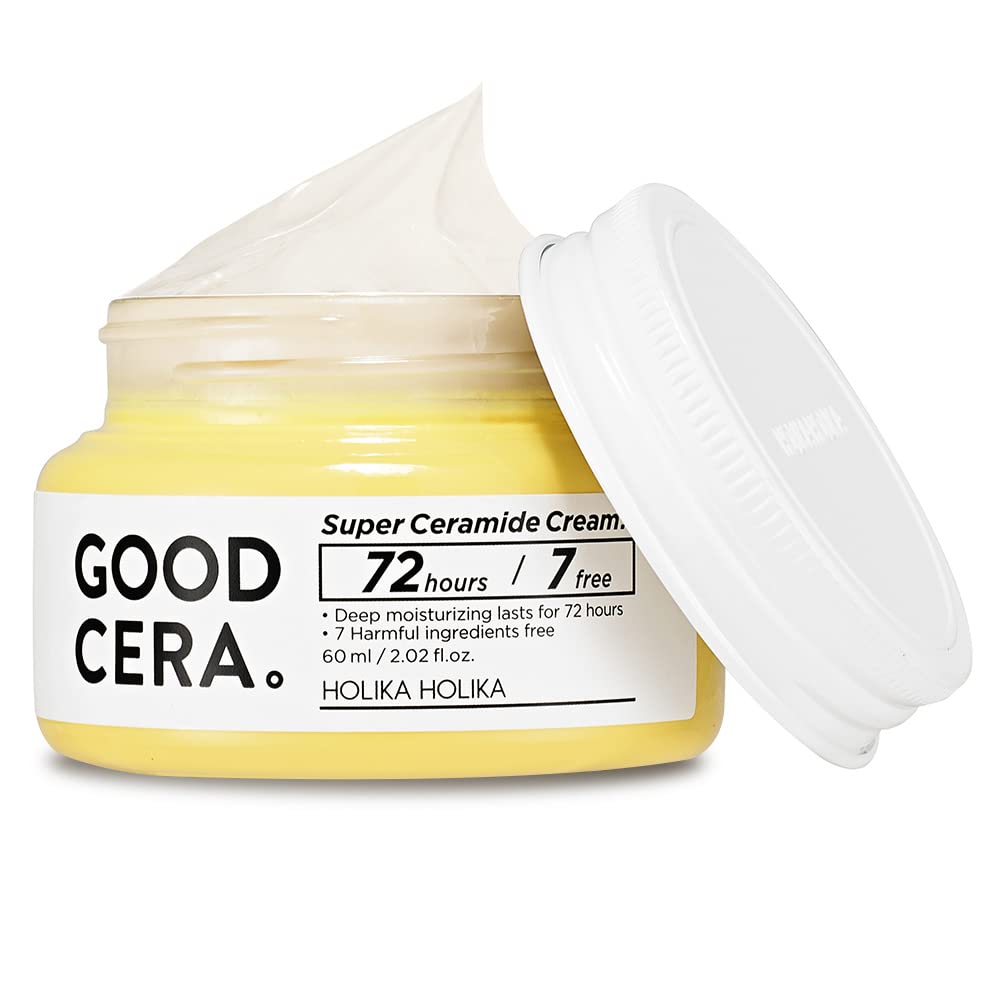
- Ceramides: These are lipid molecules that are naturally found in high concentrations in the outermost layer of our skin (stratum corneum). They are essential for maintaining a healthy skin barrier, preventing moisture loss, and protecting against environmental aggressors. When the skin barrier is intact and robust, it retains hydration more effectively, which directly translates to a plumper, smoother appearance. Incorporating ceramides helps to prevent dehydration-induced fine lines and a dull, deflated look. (My pick: HOLIKA HOLIKA Good Cera Super Ceramide Cream)
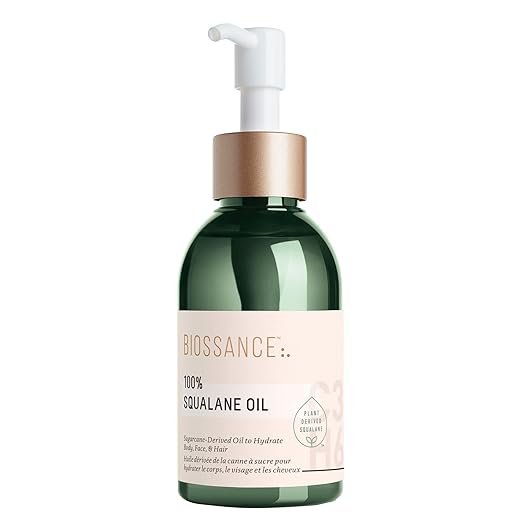
- Squalane: Derived from olives or sugarcane, squalane is a stable, saturated hydrocarbon that mimics the skin’s natural sebum. It’s an excellent emollient, providing lightweight hydration and helping to fortify the skin’s barrier. By preventing moisture loss, squalane contributes to skin plumpness and softness without feeling greasy. It’s suitable for almost all skin types, including acne-prone skin. (My pick: BIOSSANCE 100% Squalane Oil – Sustainable)
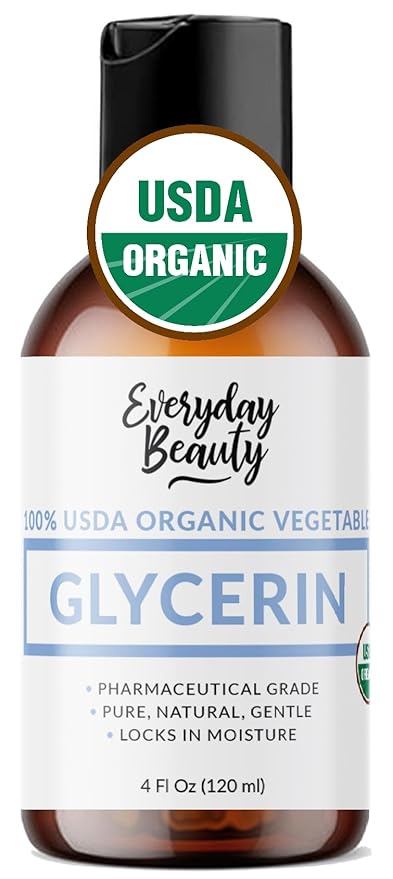
- Glycerin: A humectant, glycerin draws moisture from the air into the skin, providing immediate and lasting hydration. It’s a widely used, effective, and well-tolerated ingredient that helps keep the skin feeling supple and looking plump by increasing its water content. (My pick: 100% Organic Glycerin)
Conclusion: The Art of Natural Plumpness
The journey towards restoring youthful plumpness without surgical intervention or needles is a holistic one, demanding patience, consistency, and a deep understanding of how our skin functions. While the natural decline in collagen, elastin, and subcutaneous fat is an undeniable aspect of aging, we are empowered by a growing arsenal of natural strategies and advanced topical ingredients.
Volufiline presents an intriguing and promising avenue, offering the potential to enhance the volume of the skin’s subcutaneous fat layer from the outside in. For those seeking a non-invasive way to address hollowness and restore a more rounded contour, it represents a compelling option. However, it’s most effective when integrated into a comprehensive routine that addresses all facets of skin health.
True plumpness is not just about one magic ingredient; it’s the culmination of intelligent skincare choices, a nutrient-rich lifestyle, diligent sun protection, and a commitment to overall well-being. By supporting our skin’s natural regenerative capacities through a blend of internal nourishment and expertly chosen topical allies, we can defy the gravitational pull of time, naturally enhancing our skin’s resilience, elasticity, and that coveted, youthful plumpness that radiates vitality. It’s about nurturing our skin back to its fullest, most vibrant self, one consistent, thoughtful step at a time.
 Astra Aeternum X
Leave a comment