

Unpacking Their True Potential in Skincare and Beyond
In the ever-evolving landscape of skincare, where new ingredients promise miracles with dizzying regularity, it’s easy to feel overwhelmed. From retinoids to peptides, hyaluronic acid to vitamin C, we’re constantly on the hunt for that elusive ingredient that will turn back the clock, erase imperfections, or simply give us that coveted glow. Among these contenders, growth factors have surged into the spotlight, hailed by some as the ultimate regenerative breakthrough and dismissed by others as just another overhyped trend.
But what exactly are these powerful proteins, and do they live up to the considerable buzz surrounding them? Are they a true game-changer in the quest for healthier, more youthful skin, or are we being sold a bill of goods? This deep dive will cut through the marketing noise, exploring the science behind growth factors, where they genuinely excel, and where their claims might fall short. We’ll uncover when these cellular messengers are worth the investment and when your money might be better spent elsewhere.
What Exactly Are Growth Factors?
At their core, growth factors (GFs) are naturally occurring proteins in our bodies. Think of them as tiny cellular messengers that play a crucial role in cell growth, proliferation, differentiation, and tissue repair. They communicate with our cells, instructing them to perform vital functions, from healing wounds to producing essential components like collagen and elastin.
These sophisticated proteins bind to specific receptors on the surface of cells, triggering a cascade of intracellular signals that lead to desired biological responses. In our youth, our bodies produce an abundance of these growth factors, contributing to our skin’s plumpness, elasticity, and ability to heal quickly. However, as we age, the production of natural growth factors declines, leading to visible signs of aging like wrinkles, sagging, and slower healing.
There are many types of growth factors, each with distinct functions. Some of the most commonly discussed in the context of skin health include:
- Epidermal Growth Factor (EGF): Stimulates cell growth and keratinocyte proliferation, vital for skin regeneration.
- Fibroblast Growth Factor (FGF): Promotes the growth of fibroblasts, which are the cells responsible for producing collagen and elastin.
- Transforming Growth Factor (TGF): Involved in cell growth, differentiation, and wound healing, particularly in collagen synthesis.
- Keratinocyte Growth Factor (KGF): Specifically promotes the growth and repair of keratinocytes, the main cells in the outermost layer of the skin.
- Platelet-Derived Growth Factor (PDGF): Crucial for wound healing and stimulating cell proliferation.
- Vascular Endothelial Growth Factor (VEGF): Promotes the formation of new blood vessels, essential for nutrient delivery and oxygenation to tissues.
The idea behind incorporating growth factors into skincare is to supplement this natural decline, providing external signals to encourage our skin cells to behave more youthfully, repair damage, and boost their regenerative capacity.
The Promise: Where Growth Factors Shine
The potential of growth factors isn’t just marketing fluff; it’s rooted in significant medical and scientific applications. Their ability to orchestrate cellular repair has made them invaluable in various fields.
Wound Healing and Medical Applications (The Foundation)
The most well-established and scientifically validated applications of growth factors are in wound healing and regenerative medicine. This is where their “holy grail” status truly begins. In clinical settings, growth factors are used to treat:
- Chronic Wounds: Conditions like diabetic ulcers and pressure sores, which struggle to heal on their own, often see remarkable improvement with targeted growth factor therapies.
- Burns: GFs aid in the rapid regeneration of skin tissue, reducing recovery time and minimizing scarring.
- Post-Surgical Recovery: They can accelerate the healing of surgical incisions, leading to better outcomes and reduced complications.
In these medical contexts, growth factors are often delivered directly to the wound site, allowing them to penetrate effectively and stimulate a strong healing response. They promote the formation of new blood vessels (angiogenesis), encourage the proliferation of skin cells, and stimulate the synthesis of collagen and other extracellular matrix components vital for tissue repair. This proven efficacy in serious medical conditions forms the bedrock of their appeal in the cosmetic world.
Skincare: Anti-Aging and Skin Rejuvenation
Given their powerful role in regeneration, it was only a matter of time before growth factors made their way into anti-aging skincare. The premise is compelling: if they can heal severe wounds, surely they can rejuvenate aging skin? In theory, and often in practice, they can offer significant benefits:
- Boosting Collagen and Elastin: By signaling fibroblasts, growth factors encourage the production of new collagen and elastin, the scaffolding proteins that give skin its firmness and elasticity. This can lead to a visible reduction in fine lines and wrinkles and an improvement in overall skin laxity.
- Accelerating Cell Turnover and Repair: GFs help speed up the natural process of cell renewal, leading to a smoother, more refined skin texture, reduced hyperpigmentation (like sun spots), and a more even skin tone. This accelerated repair can also benefit skin damaged by environmental stressors.
- Reducing Inflammation: Some growth factors possess anti-inflammatory properties, which can be beneficial for calming irritated skin and supporting a healthy skin barrier.
- Enhancing Post-Procedure Recovery: Growth factor serums are often recommended by dermatologists for use after in-office procedures like microneedling, laser treatments, and chemical peels. These procedures intentionally create microscopic injuries to stimulate the skin’s natural healing response. Applying growth factors afterwards can significantly enhance and accelerate this repair process, leading to faster healing, reduced downtime, and amplified results. They help to rebuild the skin’s matrix and soothe the skin during its vulnerable recovery phase.
When formulated correctly and used appropriately, growth factors can indeed be a powerful addition to an anti-aging regimen, particularly for those looking to address signs of aging or support skin recovery.
The Pitfalls and Perplexities: Where Growth Factors Fall Short or Face Scrutiny
Despite their impressive potential, growth factors in cosmetic formulations face several significant challenges and criticisms that temper their “holy grail” claims.
The Penetration Predicament
One of the biggest hurdles for topical growth factors is the skin barrier. Our skin is designed to keep things out, and large protein molecules like growth factors struggle to penetrate the outermost layer (the stratum corneum) to reach the deeper dermis where they can exert their full effect. While advanced formulations using liposomes, encapsulation, or other delivery systems aim to bypass this barrier, their complete efficacy in this regard is still a subject of ongoing research. For growth factors to truly work their magic, they need to get to the cells that need their signals, and topical application doesn’t always guarantee this. This is why in-office treatments like microneedling or professional peels, which create micro-channels in the skin, are often recommended to enhance GF delivery.
Stability and Efficacy in Formulations
Growth factors are delicate proteins. They are susceptible to degradation from exposure to light, air, heat, and even certain ingredients in a formula. This means that if a product isn’t formulated or packaged correctly, the growth factors might lose their potency long before they even touch your skin. Products often come in opaque, airless pumps to protect these sensitive ingredients, highlighting the challenges manufacturers face in maintaining their stability and ensuring their efficacy over time.
Ethical Concerns and Sourcing
The origin of growth factors in skincare products can be a point of contention. While many are now plant-derived (e.g., from barley) or synthetically produced, some high-end formulations still use human-derived growth factors, often cultivated from human fibroblasts (skin cells) or stem cells (e.g., from umbilical cords or donated tissues). While reputable companies using human-derived ingredients emphasize strict ethical sourcing and rigorous purification processes, the idea of using human-derived components in cosmetics can be off-putting for some consumers and raises ethical questions. Regulations vary widely by region; for instance, Europe has stricter rules on human-derived substances in cosmetics than the United States.
Lack of Standardization and Regulation in Cosmetics
Unlike pharmaceuticals, the cosmetic industry operates under less stringent regulation when it comes to ingredients like growth factors. This means there’s a significant lack of standardization regarding the concentration, purity, and even the specific type of growth factor used in many products. A “growth factor serum” from one brand might contain a minuscule, ineffective amount, while another might have a potent, stable concentration. This makes it incredibly difficult for consumers to discern genuine efficacy from clever marketing. There’s no FDA approval required for cosmetic ingredients before they hit the market, meaning companies can make claims without the rigorous clinical trials that drugs undergo.
The “More is Better” Fallacy and Cost
Growth factor products are often extremely expensive. The allure of “more” or “higher concentration” can lead consumers to believe a higher price tag automatically equals better results. However, simply packing a product with growth factors doesn’t guarantee efficacy, especially if penetration and stability issues aren’t addressed. For many, the high cost of these products may not justify the incremental benefits they provide over a well-rounded basic skincare routine with proven ingredients like retinoids, antioxidants, and sunscreen.
Addressing the Cancer Concern
A common concern raised about growth factors is whether they can stimulate the growth of cancer cells. It’s a valid question, as growth factors promote cell proliferation. However, it’s important to understand the nuance here:
Growth factors do not cause cancer in healthy cells.
The scientific consensus is that in healthy skin, growth factors stimulate normal, controlled cell processes. The concern primarily lies in individuals with pre-existing, undetected malignant cells or a history of skin cancer. In such cases, theoretically, applying growth factors could potentially fuel the growth of those already abnormal cells. For the vast majority of people with healthy skin, using growth factor serums is considered safe. However, if you have any suspicious lesions, a history of skin cancer, or other significant concerns, it is absolutely essential to consult with a dermatologist before incorporating growth factors into your routine.

Navigating the Market: What to Look For and When to Use
Given the complexities, how can you navigate the world of growth factors effectively?
- Look for Reputable Brands: Stick to brands with a strong scientific backing, often recommended by dermatologists. These companies typically invest in research, proper formulation, and stable delivery systems.
- Understand the Sourcing: If the sourcing (human-derived vs. plant-derived vs. synthetic) is important to you, research the brand’s approach.
- Packaging Matters: Opt for products in opaque, airless pumps or dark glass bottles to protect the delicate proteins from light and air degradation.
- Concentration & Specificity: While not always disclosed for cosmetics, brands that provide information on the type and concentration of growth factors suggest a higher level of transparency and scientific rigor.
- Manage Expectations: Growth factors are not a magic bullet. They work best as part of a comprehensive skincare routine that includes sun protection, antioxidants, and often, retinoids. They can be excellent enhancers, but rarely standalone solutions.
- Professional Guidance: For significant skin concerns or if you’re considering higher-concentration, medical-grade growth factor products (especially after procedures), consulting a board-certified dermatologist is crucial. They can assess your skin, recommend appropriate products, and guide you on proper usage.
My Personal Experience with Growth Factors
On a personal note, navigating the world of growth factors has been quite a journey for me. While the science behind them is compelling, my own experience has shown that not all products deliver on their promises. I’ve found that the only growth factor solutions that genuinely made a noticeable difference for my skin were, unfortunately, at the very high end of the price spectrum, proving to be extremely expensive. I did try several more affordable creams and serums, hoping to find a comparable effect, but, much to my disappointment, these yielded no discernible results whatsoever. It’s important to stress that this is my experience; some individuals swear by more budget-friendly options and achieve fantastic outcomes. It seems that with growth factors, finding what truly works for your unique skin chemistry might involve a bit of trial and error, and sometimes, the investment needs to be significant to see real change.
5 Highly-Rated Growth Factor Solutions on Amazon
To help you start your own exploration, here are 5 well-regarded growth factor solutions available on Amazon. Remember to always check reviews and ingredients carefully to see if they align with your needs and budget.
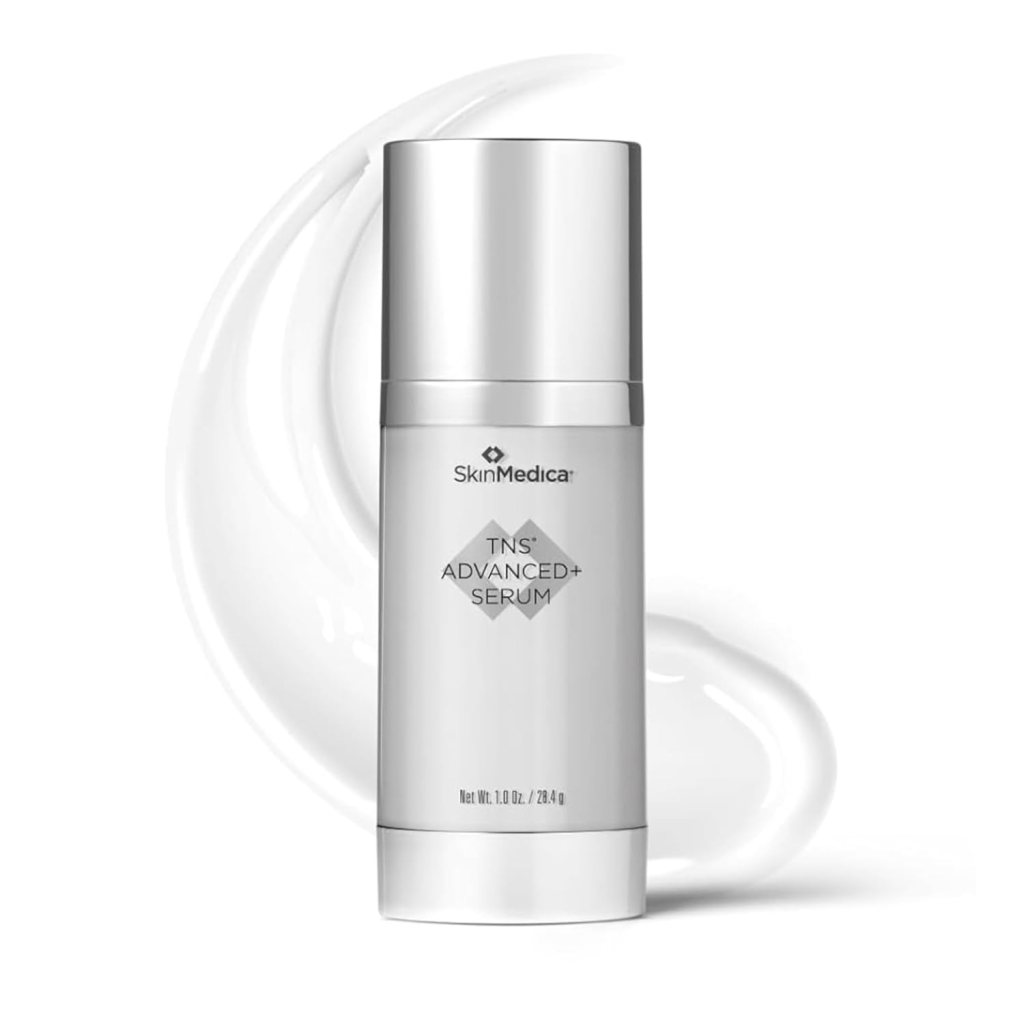
- SkinMedica TNS Advanced+ Serum: Often considered a gold standard in the growth factor category, this serum features a blend of human fibroblast conditioned media (TNS-MR™) and a peptide complex (Renessence Advanced™). It’s designed to reduce the appearance of wrinkles, fine lines, and sagging skin, improving overall tone and texture. While on the higher end of the price scale, many users report significant improvements. (Link)
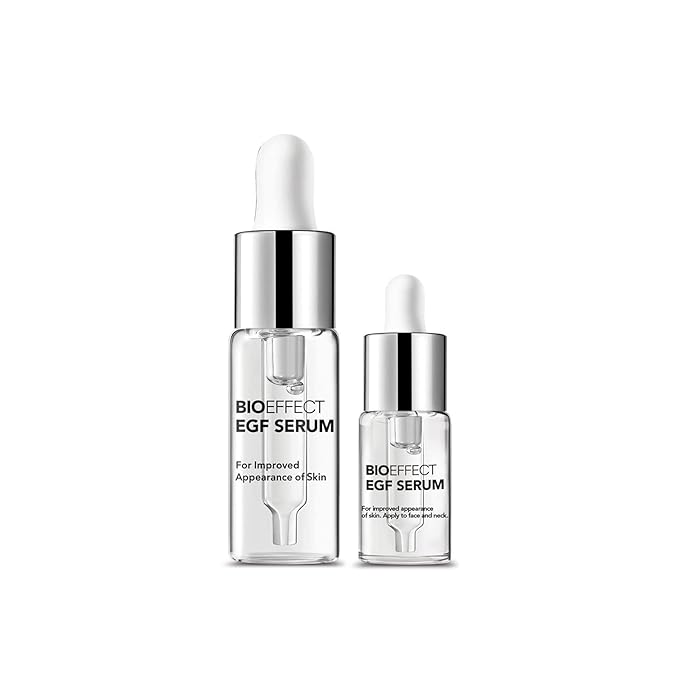
- BIOEFFECT EGF Serum: This unique serum features plant-derived Epidermal Growth Factor (EGF) cultivated from barley. It’s formulated with only a few pure ingredients to ensure stability and efficacy. Praised for its ability to boost hydration, reduce fine lines, and improve skin radiance, it’s a popular choice for those seeking a human-protein-free option. (Link)
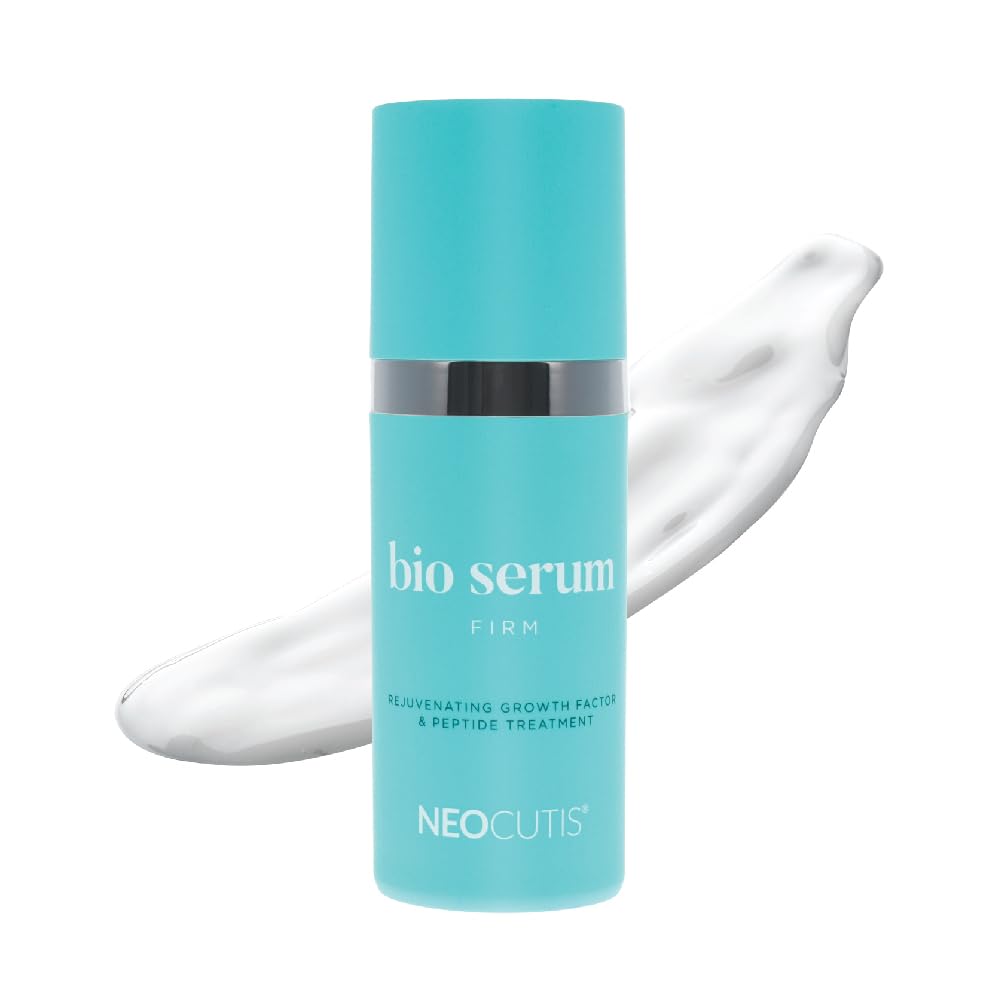
- Neocutis Bio-Serum Firm (with PSP): Neocutis products utilize Processed Skin Proteins (PSP), a proprietary blend of human growth factors, cytokines, and interleukins. This serum aims to reduce the appearance of wrinkles, improve skin firmness, and enhance luminosity. It’s often recommended for mature skin and post-procedure recovery due to its regenerative properties. (Link)
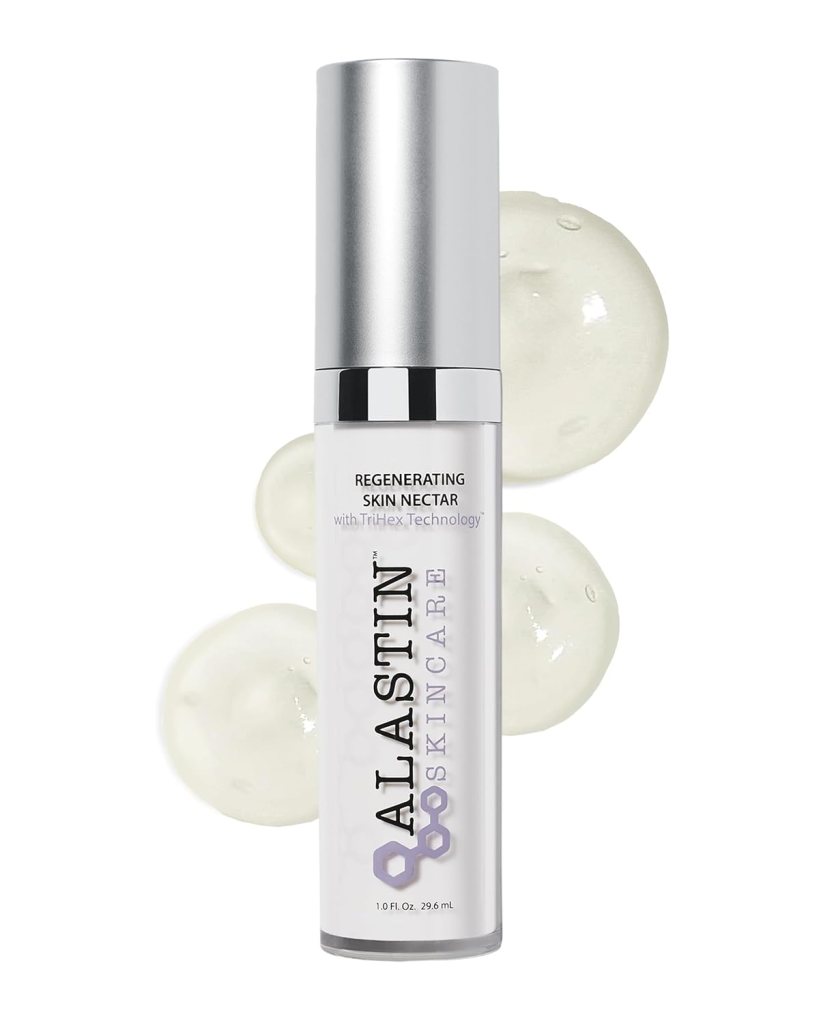
- Alastin Skincare Regenerating Skin Nectar with TriHex Technology: While not solely growth factors, Alastin’s patented TriHex Technology is designed to clear out damaged elastin and collagen and support the skin’s natural ability to produce new, healthy elastin and collagen. This makes it an excellent choice for pre- and post-procedure care, or for daily use to maintain skin health and improve texture. (Link)
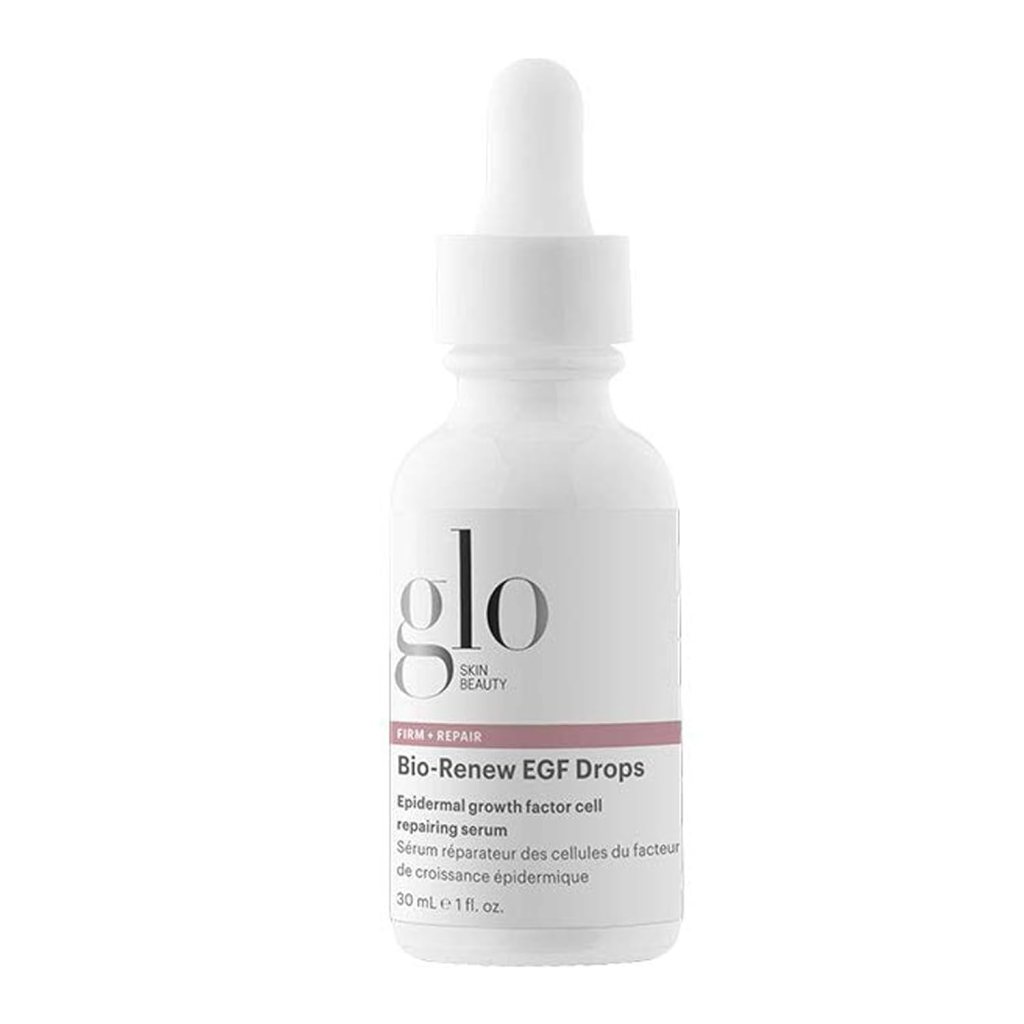
- Glo Skin Beauty Bio-Renew EGF Drops: This serum features 100% vegan EGF combined with a bio-active peptide recovery complex. It’s designed to heal, strengthen, and renew the skin, promoting a more youthful appearance. It’s a good option for those looking for a plant-based, cruelty-free alternative with positive user feedback. (Link)
Conclusion
So, are growth factors worth the hype? The answer is a nuanced yes, but with caveats.
In controlled medical environments, their efficacy in wound healing and tissue regeneration is undeniable and truly transformative. When it comes to topical skincare, the picture becomes more complex. High-quality, well-formulated products, often on the pricier side, can indeed deliver impressive results in improving skin texture, firmness, and overall rejuvenation, especially when used in conjunction with other proven actives or after professional treatments. They are not a universal panacea, however, and cheaper solutions may not provide the desired impact, as my own experience unfortunately demonstrated.
Ultimately, growth factors are a powerful tool in the arsenal of anti-aging skincare, but their true potential is realized when they are correctly chosen, responsibly sourced, and understood within the broader context of skin health. Don’t be swayed solely by bold claims; instead, empower yourself with knowledge, seek professional advice when needed, and remember that finding what truly works for your skin is the most valuable discovery of all.
Have you tried growth factors in your skincare routine, and what has your experience been like?
 Astra Aeternum X
Leave a comment