

Why and How to Stay Cool & Avoid Dis-ease
For those of us who call subtropical, hot, and scorching summer environments home, the annual rise in mercury isn’t just about discomfort; it’s a critical challenge to our well-being. Keeping cool transcends mere sweat avoidance; it becomes a vital strategy for sidestepping “dis-ease” (a deliberate nod to bodily distress) and safeguarding our long-term health. The relentless summer heat is a potent environmental force, quietly yet profoundly impacting every facet of our physiology—from the resilience of our skin and the vitality of our hair to the intricate balance of our gut microbiome and even our fundamental eating habits. But the good news is, armed with understanding and a strategic blend of simple home solutions and smart outdoor tactics, we can not only cope with the intensity of summer but genuinely thrive within its embrace.
The Hidden Toll of Summer Heat on Your Body
Beyond the immediate sensation of rising temperatures and increased perspiration, prolonged exposure to heat places a significant, cumulative stress on our internal systems. Understanding these impacts is the first step toward effective self-preservation.
- Body and Circulation: Our body’s primary response to heat is thermoregulation—a complex process aimed at maintaining a stable core temperature around 98.6°F (37°C). To achieve this, blood vessels dilate (vasodilation), increasing blood flow to the skin’s surface, where excess heat can radiate away. The heart works harder, pumping more blood to support this expanded circulatory effort. While remarkable, this increased cardiovascular activity can be taxing, especially for vulnerable populations such as older adults, infants, outdoor workers, and individuals with pre-existing conditions like cardiovascular diseases, respiratory illnesses, or diabetes. Humidity further compounds this challenge, as it reduces the efficiency of sweat evaporation, forcing the body to expend even more energy (increasing resting metabolic rate) just to stay cool. The inability to effectively shed heat can lead to a spectrum of heat-related illnesses, ranging from milder forms to life-threatening emergencies:
- Heat Cramps: Often the first sign of heat distress, these are painful muscle spasms, usually in the abdomen, arms, or legs, caused by excessive salt and water loss through sweating.
- Heat Rash (Miliaria): This itchy skin irritation results from blocked sweat ducts, trapping sweat beneath the skin. It manifests as tiny red bumps, commonly found in skin folds or areas where clothing rubs. Types vary from mild, clear blisters (miliaria crystallina) to deeper, inflamed bumps (miliaria rubra, pustulosa, profunda).
- Heat Exhaustion: A moderate form of heat illness characterized by heavy sweating, pale skin, weakness, dizziness, nausea, headache, and a rapid pulse. It occurs when the body loses too much water and salt.
- Heatstroke: A medical emergency where the body’s temperature control system fails, causing core body temperature to rise above 104°F (40°C). Symptoms include hot, dry or sometimes profusely sweating skin, confusion, agitation, loss of consciousness, seizures, and rapid, shallow breathing. Without immediate medical intervention, heatstroke can cause brain damage or death. Dehydration, a constant threat in hot weather, not only contributes to these conditions but can also worsen chronic ailments like kidney disease and increase the risk of sudden events like heart attacks or strokes.
- Beyond immediate physical dangers like heatstroke, sustained exposure to high temperatures can have more insidious effects. New research shows links between chronic heat and epigenetic aging at a cellular level, placing additional stress on the kidneys as they work harder to maintain fluid balance. The relentless heat can also severely disrupt sleep patterns, leading to fatigue and impacting overall cognitive function. Furthermore, mental health can suffer, with studies indicating that prolonged high temperatures can exacerbate conditions like anxiety and depression.
- Skin: Our skin, as the body’s primary interface with the environment, endures significant stress during summer.
- Sweat-Related Issues: Excessive perspiration can mix with bacteria and oils, leading to clogged pores, acne flare-ups, and heat rashes. The warm, moist environment also provides an ideal breeding ground for fungal and bacterial infections, such as athlete’s foot or folliculitis.
- Dehydration and Barrier Compromise: Despite feeling moist from sweat, the skin can become severely dehydrated as water rapidly evaporates. This leads to dull, rough, and flaky skin, compromising its protective barrier and making it more susceptible to environmental aggressors and irritation.
- Inflammation and Sensitivity: High temperatures cause blood vessels to dilate, exacerbating conditions like rosacea and leading to increased redness and swelling. Heat can also trigger histamine release, worsening inflammatory skin conditions like eczema and hives.
- UV Damage and Hyperpigmentation: The sun’s UV rays are more intense in hot climates, accelerating collagen breakdown, leading to premature aging, sunspots, and increasing the risk of skin cancer. Crucially, heat itself, independent of UV exposure, can stimulate melanocytes (pigment-producing cells), contributing to hyperpigmentation, including melasma and dark spots, a phenomenon sometimes referred to as “thermal aging.”
- Hair: The combination of sun, sweat, and humidity takes a toll on hair health.
- UV Photo-Degradation: Sunlight causes photo-degradation of hair, oxidizing melanin (leading to bleaching and color fading) and altering keratin, the hair’s primary protein structure. This can result in dry, brittle strands, increased porosity, and a loss of shine.
- Frizz and Dryness: High humidity causes the hair shaft to swell, leading to frizz. Paradoxically, excessive sweating can also strip the hair of its natural oils, leaving it dry and susceptible to breakage.
- Scalp Issues: Sweat and oil accumulation on the scalp can promote bacterial growth, leading to odor, itching, and conditions like dandruff or folliculitis, as hair follicles become clogged.
- Gut Microbiome and Digestion: The impact of heat extends even to our internal ecosystem—the gut.
- Dehydration and Motility: Dehydration, prevalent in hot weather, directly affects gut motility, potentially leading to constipation or, conversely, diarrheal issues. Proper hydration is crucial for supporting intestinal secretions and waste removal.
- Microbial Imbalance (Dysbiosis): Changes in eating and drinking habits often accompany hot weather. A reduced appetite might lead to insufficient nutrient intake, while increased consumption of sugary drinks or alcohol can disrupt the delicate balance of beneficial gut bacteria.
- Increased Harmful Bacteria: High temperatures significantly increase the rate of bacterial growth, both in food (raising the risk of foodborne illnesses) and potentially within the gut itself. This can lead to an overgrowth of less beneficial microbes, including pathogens like Listeria and E. coli.
- Weakened Gut Barrier (“Leaky Gut”): Studies show that heat stress can stimulate an inflammatory response that weakens gut integrity, increasing intestinal permeability. This “leaky gut” allows partially digested food particles and toxins to enter the bloodstream, potentially triggering wider health issues beyond the digestive system.
- Stress Hormones: Heat stress can elevate cortisol levels, a stress hormone that profoundly impacts gut physiology, influencing transit time and directly affecting the gut’s immune cells, epithelial barrier, and hormone-producing cells, further contributing to dysbiosis.
- Eating Habits: Summer heat naturally influences our dietary preferences and appetite. It’s common to crave lighter, colder foods and experience a reduced appetite for heavy, hot meals. This is partly due to the “thermic effect of food” (TEF), where the body expends energy to digest and metabolize food, generating heat. In a hot environment, the body instinctively seeks to minimize additional heat production, thus suppressing appetite. While beneficial for cooling, it’s crucial to ensure nutritional needs are still met, prioritizing hydrating foods rich in electrolytes.
Simple Solutions to Stay Cool: Inside and Out
Mastering summer comfort doesn’t always necessitate high energy consumption. Many effective strategies can be implemented right at home and adapted for outdoor life.
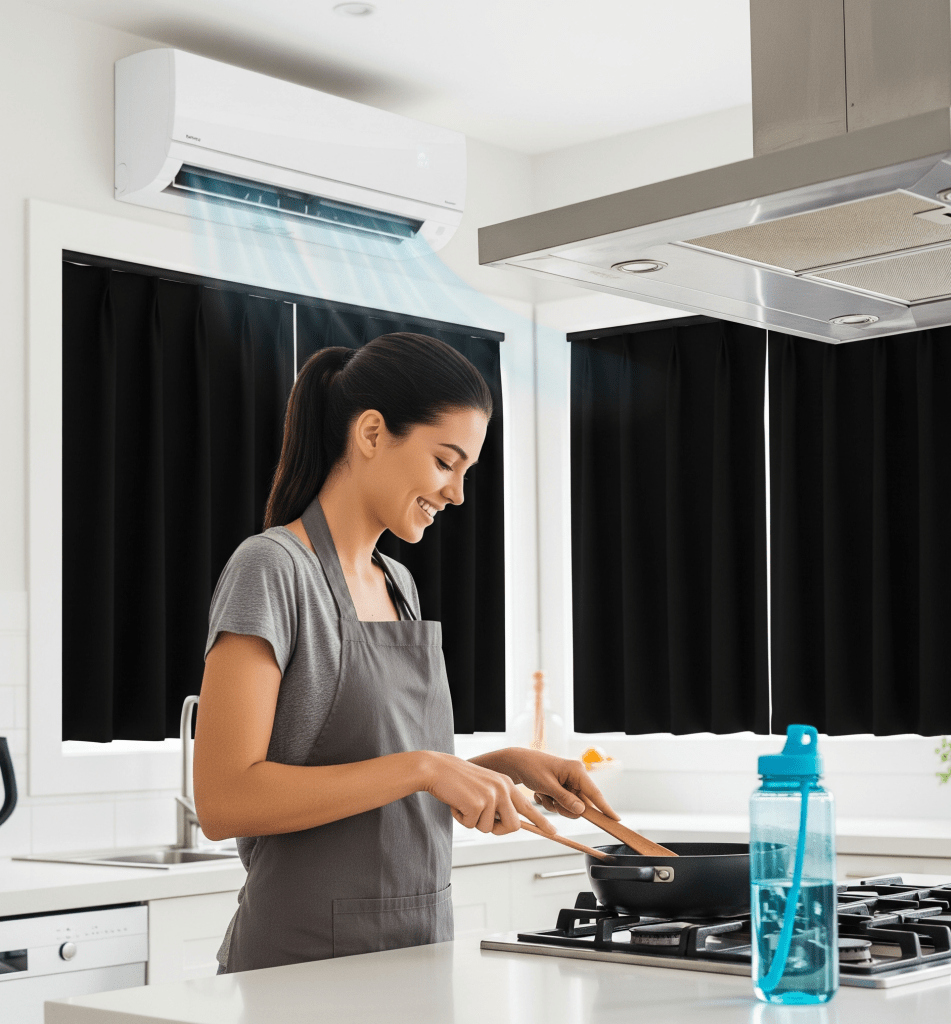
Inside Your Haven (with AC)
Even with the luxury of air conditioning, smart practices can optimize efficiency and enhance comfort:
- Set the Thermostat Wisely: Resist the urge to crank the AC too low. Setting it around 75-78°F (24-26°C) can still provide comfort while significantly conserving energy and reducing strain on the unit.
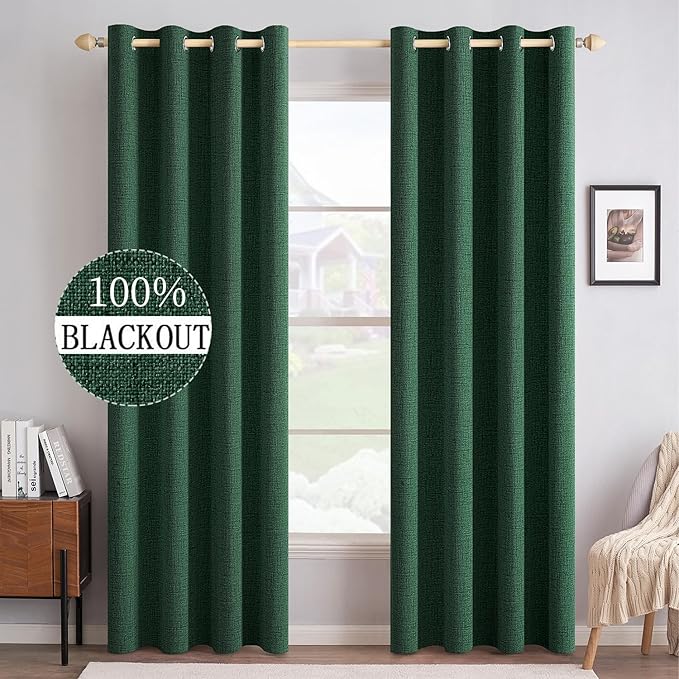
- Blackout Curtains & Blinds: Your most effective passive cooling tool. Keep direct sunlight out by closing blinds and drawing heavy blackout curtains, especially on south and west-facing windows, during the hottest parts of the day. This can reduce indoor heat gain by up to 33%.
- Strategic Fan Use: Ceiling fans create a wind-chill effect, making a room feel several degrees cooler. Ensure they are set to rotate counter-clockwise to push cool air down. Portable fans can also be strategically placed to create cross-breezes in specific areas.
- Appliance Awareness: Avoid using heat-generating appliances like ovens, dishwashers, and clothes dryers during peak heat hours. Opt for no-cook meals, use a microwave, or grill outdoors. Unplug unnecessary electronics, as even in standby mode, they generate residual heat.
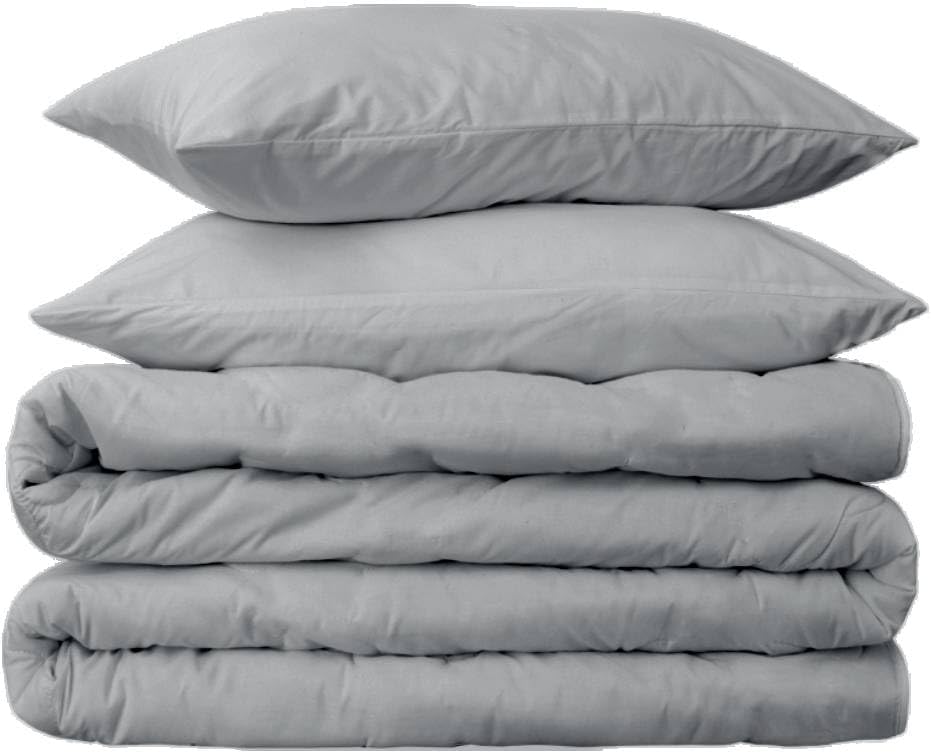
- Lightweight Linens: Swap heavy duvets and flannel sheets for breathable cotton, linen, or bamboo bedding. These natural fibers allow for better airflow and wick away moisture, promoting a cooler, more comfortable night’s sleep.
Inside Your Oasis (without AC)
When air conditioning isn’t an option, creativity and simple physics become your best friends:
- Nighttime Ventilation (The “Night Flush”): Capitalize on cooler evening temperatures. Open windows and doors (safely!) at night to allow cooler air to flush through your home. Close them first thing in the morning to trap this cooler air inside before the sun’s heat builds up.
- DIY Air Conditioner: Place a large bowl of ice or several frozen water bottles in front of a fan. As the ice melts, the fan will blow cooler, slightly humidified air into the room, creating a localized cooling effect.
- Cool Showers/Baths: Take cool (not icy cold, as this can cause your body to overcompensate and warm up) showers or baths throughout the day to quickly lower your core body temperature.
- Cold Compresses: Apply cold, wet cloths or ice packs (wrapped in fabric) to pulse points like your wrists, neck, temples, and inner thighs. These areas have major blood vessels close to the surface, allowing for rapid cooling of the blood.
- Stay Low: Since heat rises, spend time in the lowest level of your home, such as a basement, if you have one.
- Dampen and Drape: Hang wet sheets or towels in open windows or doorways. As the water evaporates, it draws heat from the air, creating a natural evaporative cooling effect.
- Hydrate Constantly: This is paramount. Drink plenty of water throughout the day, even if you don’t feel thirsty. Enhance hydration by adding electrolytes through natural sources like coconut water, watermelon, or a pinch of sea salt in your water to replenish lost minerals.
Outside: Conquering the Concrete Jungle
Staying cool and safe outdoors requires proactive measures and smart choices:
- Dress for the Heat: Choose loose-fitting, lightweight clothing in light colors. Natural fabrics like cotton and linen are ideal as they allow your skin to breathe and facilitate sweat evaporation. Avoid tight, dark clothing that absorbs and traps heat.
- Seek Shade Relentlessly: Whenever possible, stay in the shade. Trees, awnings, umbrellas, and even large hats offer significant protection from direct sun, which can make perceived temperatures feel 10-15°F (6-8°C) hotter.
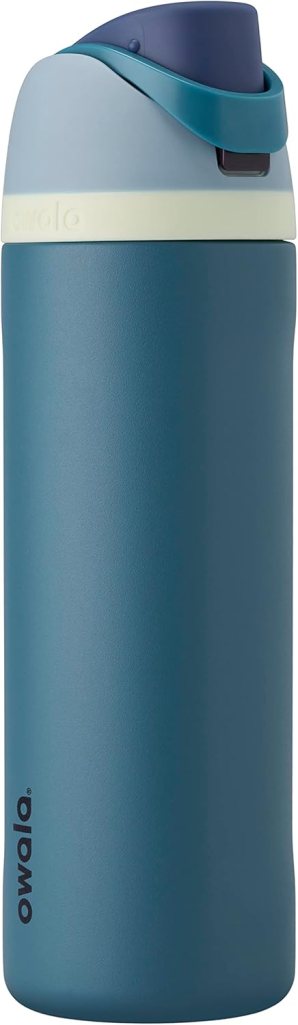
- Hydrate, Hydrate, Hydrate (Again): Carry a reusable insulated water bottle and sip frequently. Avoid sugary drinks, excessive caffeine, and alcohol, as they can contribute to dehydration.
- Mist and Spray: A small, portable spray bottle filled with cool water can provide instant relief when misted on your face, neck, and exposed skin.
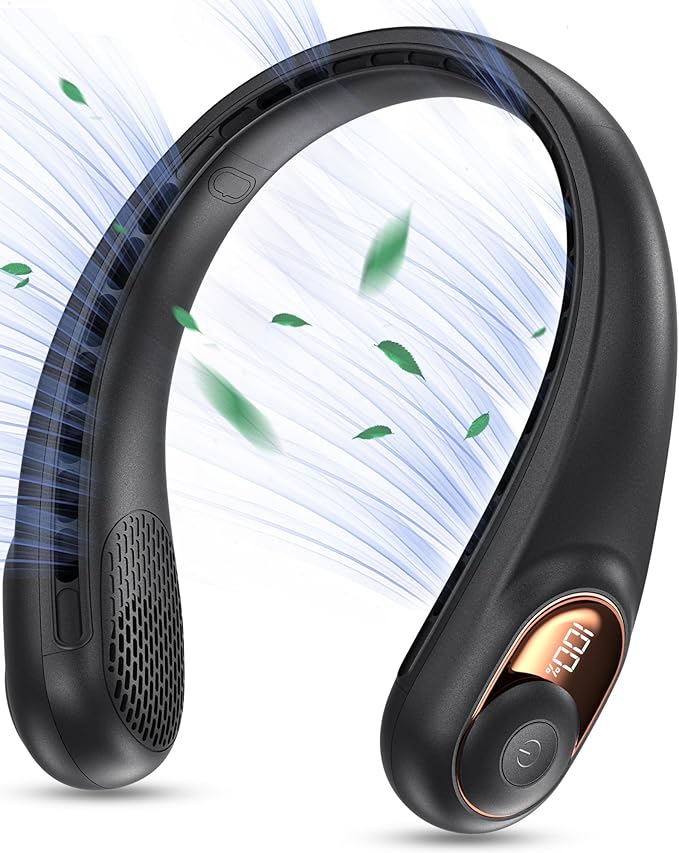
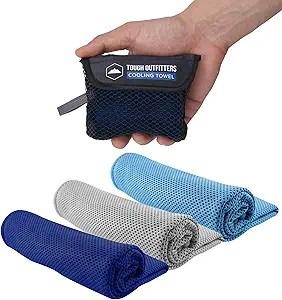
- Cooling Accessories: Invest in purpose-built cooling towels that you can wet and wear around your neck or head. Portable neck fans are also excellent for creating a personal breeze on the go.
- Strategic Outings: Plan strenuous outdoor activities for the coolest parts of the day – early morning or late evening. Avoid peak heat hours (typically 10 AM to 4 PM). If you must be outside, take frequent breaks in the shade or an air-conditioned space.
- Listen to Your Body: Pay attention to early signs of heat-related illness like dizziness, excessive sweating, or nausea. If symptoms arise, stop activity immediately, move to a cool place, and rehydrate.
The Surprising Benefits of Controlled Heat Exposure
While the primary focus is often on avoiding excessive heat, controlled and moderate heat exposure, particularly through practices like sauna use, can offer surprising and profound health benefits when approached safely.
- Cardiovascular Health: Regular, controlled heat exposure can mimic the effects of moderate cardiovascular exercise, leading to improved heart rate variability, enhanced blood flow, and better endothelial function (the health of your blood vessel lining). This can contribute to a reduced risk of cardiovascular disease.
- Detoxification: Sweating is a natural and efficient mechanism for the body to excrete toxins, heavy metals, and other waste products. Heat exposure increases blood flow to organs like the liver and kidneys, further supporting the body’s natural detoxification pathways.
- Stress Reduction and Mood Enhancement: Heat exposure triggers the release of endorphins and modulates neurotransmitters, leading to feelings of well-being, reduced stress, and improved mood. Studies even suggest a potential role in alleviating symptoms of depression and anxiety.
- Heat Shock Proteins (HSPs) Production: Heat stress induces the production of Heat Shock Proteins (HSPs). These molecular chaperones help protect cells from damage, maintain protein integrity, and support cellular repair. HSPs have been linked to anti-aging effects, improved cellular resilience, and enhanced immune function.
- Improved Thermoregulation: Paradoxically, regular, controlled heat exposure can “train” your body to become more efficient at regulating its temperature. This can lead to improved heat tolerance and a reduced physiological strain when exposed to hot environments in the future.
- Muscle Recovery and Pain Relief: Increased circulation and relaxation induced by heat can aid in muscle recovery after exercise and provide relief from chronic pain conditions.
Building Heat Resilience Through Acclimation: Beyond simply avoiding the heat, the body possesses a remarkable ability to acclimate to warmer temperatures over time. This process, known as heat acclimation, involves gradual and controlled exposure to warmth, which trains your body to become more efficient at sweating, regulating its temperature, and ultimately making you more resilient and comfortable in hot conditions. The duration for this adaptation varies by individual, but consistent, moderate exposure can initiate and strengthen this natural physiological response. However, it is crucial to always approach any intentional heat exposure with caution and consult with a healthcare professional, especially if you have underlying health conditions.
Amazon Finds to Help You Beat the Heat
To equip yourself for a cooler summer, here are a few popular and effective products available on Amazon:
- Portable Neck Fan: For hands-free, personal cooling on the go. [Link]
- Cooling Towels: Made from specialized moisture-wicking fabric, these towels stay cool for hours when wet, offering immediate and portable relief. [Link]
- Lightweight & Breathable Cotton Sheets: Upgrade your sleep experience with crisp, breathable sheets that won’t trap heat, promoting better airflow and moisture wicking. [Link]
- Blackout Curtains: Essential for blocking sunlight and significantly reducing heat gain in your home, even during the brightest hours. [Link]
- https://amzn.to/44pnghaInsulated Water Bottle: Keep your water icy cold for hours, encouraging consistent hydration throughout the day, even in the most scorching conditions. [Link]
Conclusion: Embracing Summer, Staying Healthy
Summer doesn’t have to be a relentless struggle against the heat. By understanding the profound ways high temperatures impact our bodies—from our circulation and skin to our gut and eating habits—we gain the knowledge to protect ourselves. With a proactive approach, incorporating smart home solutions, strategic outdoor practices, and even embracing controlled heat exposure for its unique benefits, we can navigate the scorching months with greater comfort, resilience, and vitality. Stay cool, stay hydrated, and remember that with a little preparation and awareness, you can truly thrive in the summer heat, transforming what might seem like a burden into an opportunity for healthier living.
 Astra Aeternum X
Leave a comment