
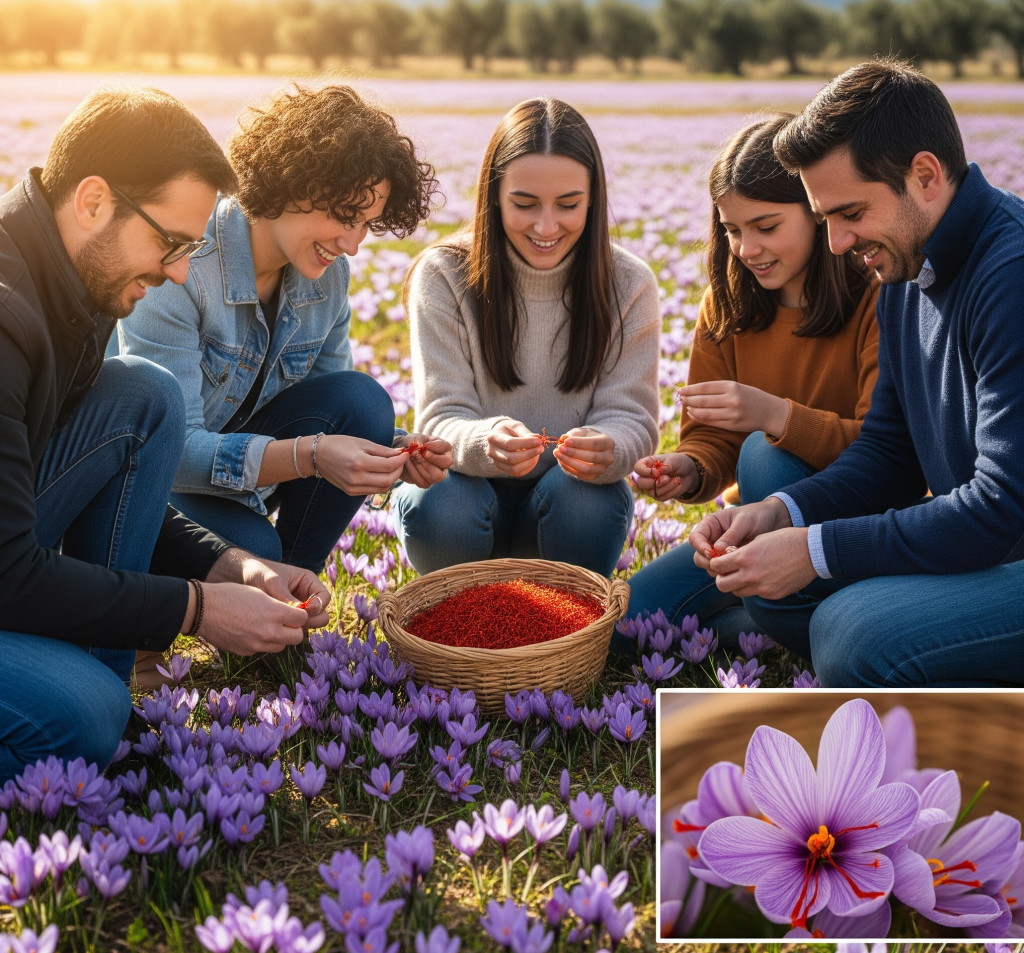
The Crimson Enigma
Walk through any modern spice aisle, and you’ll likely find a familiar array: cinnamon, turmeric, cumin, paprika. But tucked away, often in a tiny, almost inconspicuous jar, lies a spice so precious, so potent, that its history is interwoven with empires, its value once rivaling gold, and its whispered benefits now echoing in scientific studies. This is saffron, the “little red thread” that, for too long, has been a forgotten secret in many Western pantries.
Yet, this isn’t just about a culinary curiosity. Saffron is a paradox: intensely subtle in flavor, yet overtly powerful in its effects. From ancient remedies for melancholia to contemporary research on vision health and skin luminosity, this unassuming stigma of the Crocus sativus flower is far more than a vibrant hue for your paella. It’s a bridge to a forgotten past, a symbol of re-emerging wisdom, and perhaps, the missing piece in our modern quest for holistic well-being.
A Golden Thread Through History: Saffron’s Ancient Roots
To truly appreciate saffron, we must first journey back in time, tracing its crimson path through millennia of human civilization. Its origins are shrouded in a delicious blend of myth and archaeology, with evidence suggesting its cultivation as early as the late Bronze Age in Greece. The first known depiction of saffron is found in the Minoan palace of Knossos on Crete, in frescoes dating back to 1600-1500 BC, showing goddesses collecting the precious threads.
In ancient Persia, saffron was revered. It was used as a dye, a perfume, a medicine, and even offered to deities. The Persians wove saffron threads into their royal carpets and infused baths with its essence. Alexander the Great was said to have used saffron in his bathwater for its healing properties, particularly after battles.
The Greeks and Romans also quickly caught on. Hippocrates, the father of medicine, and Galen, another prominent physician of antiquity, both prescribed saffron for various ailments, including sleep disorders, digestive issues, and improving mood. It was scattered in Roman theaters as an air freshener, infused into wines, and used in fragrant salves. Cleopatra herself is rumored to have incorporated saffron into her beauty rituals.
But saffron wasn’t just a local luxury. Its true epic journey began with the Silk Road, the ancient network of trade routes connecting East and West. Along this legendary artery, saffron became a coveted cargo, its rarity and demand driving its value sky-high. Caravans laden with silk, spices, and precious metals would often include small, carefully guarded packages of saffron. Its worth was so immense that at times, it literally surpassed that of gold, creating a bustling, lucrative trade that fueled economies and influenced cultural exchange. Stories abound of its use as currency, its inclusion in dowries, and even its role in geopolitical negotiations. The spice was not merely a commodity; it was a symbol of wealth, power, and refined taste.
In many cultures, saffron wasn’t just a spice or medicine; it held deep symbolic and spiritual significance. In some Buddhist traditions, saffron robes represent renunciation and purity. In India, it’s used in religious ceremonies and holds a revered place in Ayurvedic medicine. Its vibrant color, reminiscent of a sunrise or precious jewel, imbued it with an almost mystical quality.
The Re-Emergence: Saffron’s Modern Renaissance

So, what happened to this crimson king? Its decline in widespread everyday use, particularly in the West, can be attributed to several factors. Primarily, saffron cultivation is incredibly labor-intensive. Each delicate stigma must be hand-picked from the Crocus sativus flower, which blooms for only a few weeks a year. It takes approximately 150,000 flowers to produce just one kilogram of dried saffron threads. This painstaking process makes it one of the most expensive spices in the world, naturally limiting its accessibility. The rise of cheaper, mass-produced spices and artificial colorings also played a role.
However, saffron never truly vanished. In cultures like those of the Middle East, India, and Spain, it remained an indispensable ingredient in traditional cuisine and medicine. And now, in a world increasingly turning towards natural remedies and ancestral wisdom, saffron is experiencing a profound renaissance.
This re-emergence isn’t just about culinary nostalgia. It’s driven by a surge in scientific interest. Modern research, employing rigorous methodologies, is now validating many of the traditional uses of saffron, uncovering the precise mechanisms behind its storied benefits. As consumers become more discerning about what they put into their bodies and seek holistic approaches to health, saffron is stepping back into the limelight, not just as a gourmet ingredient, but as a potent natural pharmaceutical. The growing “farm-to-table” movement and a general appreciation for authentic, high-quality ingredients have also contributed to its rediscovery, reminding us that sometimes the best solutions are those that have stood the test of time.
The Potent Little Red Thread: Saffron’s Multifaceted Benefits
Beyond its captivating history and culinary allure, saffron’s true power lies in its complex chemical composition. Rich in carotenoids like crocin and crocetin, along with safranal (responsible for its distinct aroma and much of its biological activity), and various antioxidants, saffron offers a spectrum of health benefits that are nothing short of remarkable.
Mood & Emotional Well-being: A Natural Uplift
Perhaps saffron’s most well-researched and exciting benefit lies in its profound impact on mood and emotional balance. For centuries, it has been used in traditional medicine to alleviate melancholy and anxiety. Modern science is now providing compelling evidence for these historical claims. Numerous studies have shown saffron extract to be as effective as some conventional antidepressants for mild to moderate depression, with fewer side effects.
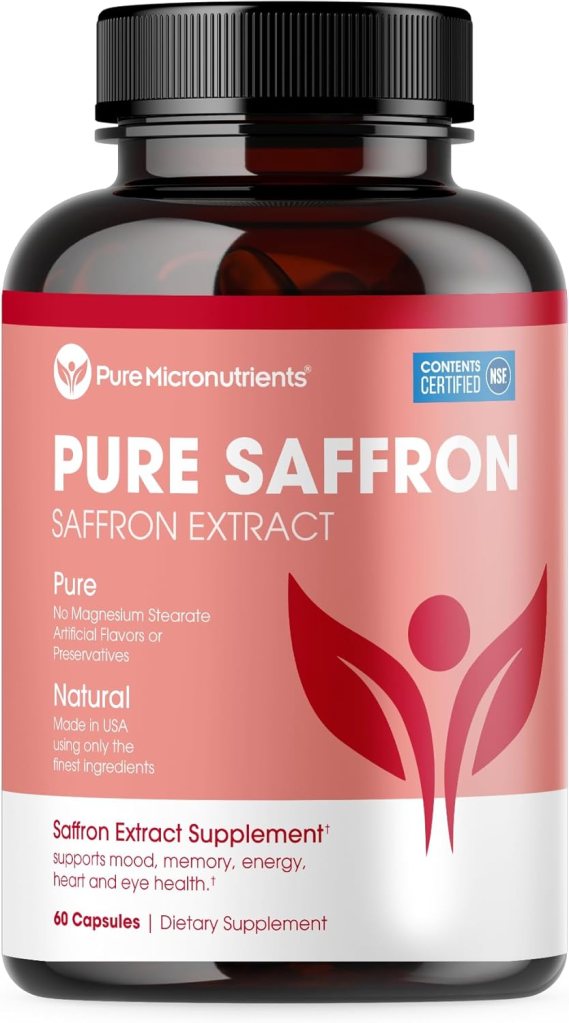
The magic behind this mood boost is thought to involve its influence on neurotransmitters like serotonin and dopamine – the brain’s “feel-good” chemicals. Crocin and safranal appear to inhibit the reuptake of these neurotransmitters, making them more available in the brain. Saffron also exhibits anti-inflammatory and antioxidant properties, which can play a role in brain health and mood regulation. For those navigating the daily stresses of modern life, saffron offers a gentle, natural pathway to a brighter outlook. Consider exploring highly-rated saffron supplements specifically formulated for mood support like Pure Micronutrients Saffron Extract Capsules [Amazon Link: Pure Micronutrients Saffron Extract Capsules].
Hormonal Harmony & PMS Relief: Soothing the Cycles
For many women, the monthly hormonal rollercoaster can bring a cascade of unpleasant symptoms, collectively known as Premenstrual Syndrome (PMS). Traditional medicine has long turned to saffron for women’s health, and contemporary research is affirming its efficacy. Studies have demonstrated that saffron can significantly reduce the emotional and physical symptoms of PMS, including irritability, mood swings, headaches, bloating, and breast tenderness.
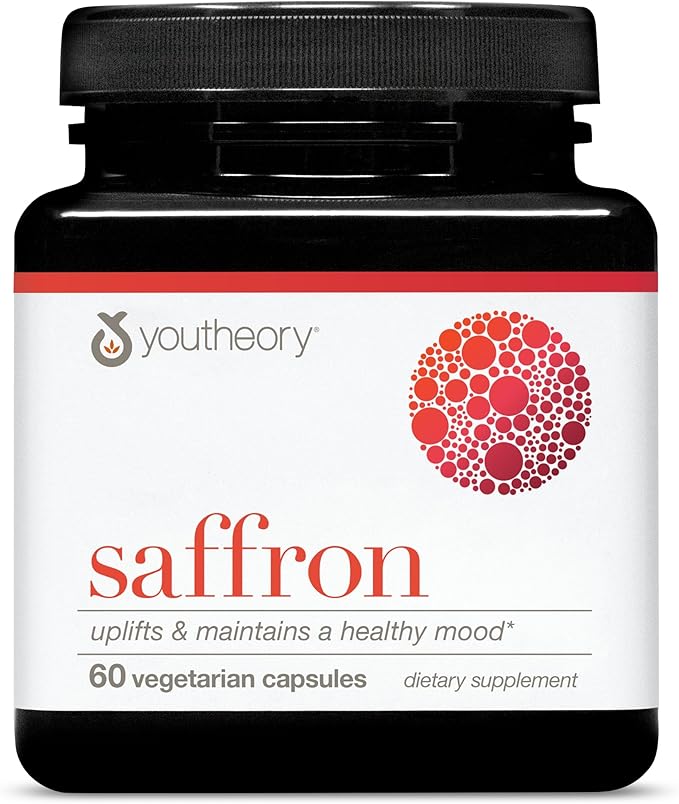
Its ability to modulate neurotransmitters, particularly serotonin, is believed to play a crucial role in alleviating the psychological aspects of PMS. Furthermore, its anti-inflammatory properties may help soothe physical discomfort. For women seeking a natural ally in achieving hormonal balance and navigating their cycles with greater ease, saffron presents a compelling option. Brands like Youtheory Saffron [Amazon Link: Youtheory Saffron] are often recommended for their focus on mood and stress, which can be beneficial for PMS symptoms.
Visionary Insights: Guarding Your Gaze
In an age dominated by screens and digital strain, maintaining optimal eye health is more critical than ever. Emerging research suggests saffron holds remarkable promise for visionary health. Its potent antioxidants, particularly crocin and crocetin, are believed to protect the delicate cells of the retina from oxidative stress, a key factor in age-related eye conditions.
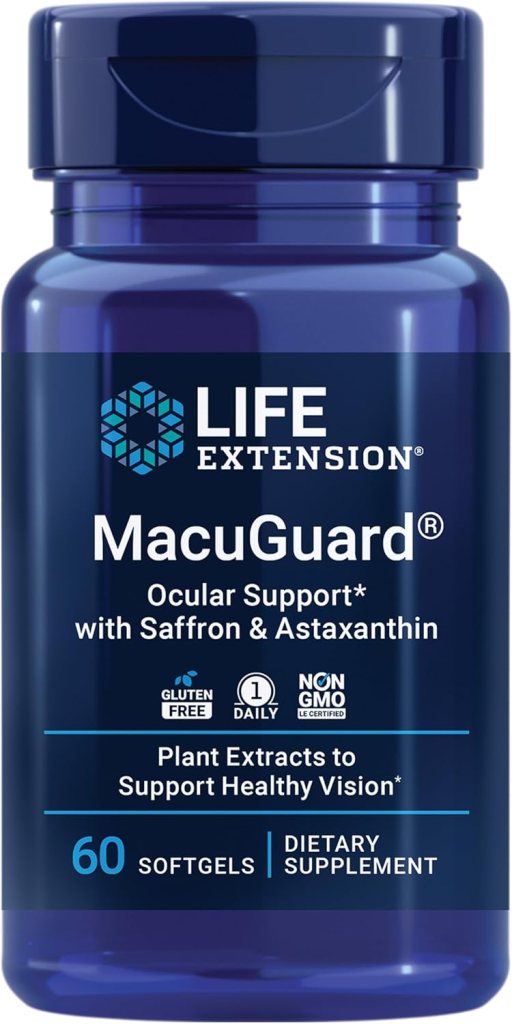
Studies have indicated saffron’s potential in slowing the progression of Age-related Macular Degeneration (AMD), a leading cause of vision loss in older adults. It may improve retinal function and visual acuity. Beyond AMD, saffron is also being investigated for its potential benefits in conditions like cataracts and diabetic retinopathy, showcasing its broad protective effects on the eyes. Imagine a spice that not only delights your palate but also safeguards your precious sight. Look into specialized supplements like Life Extension MacuGuard Ocular Support with Saffron & Astaxanthin [Amazon Link: Life Extension MacuGuard Ocular Support with Saffron & Astaxanthin] for targeted eye health support.
The Glow from Within: Unveiling Radiant Skin
The pursuit of glowing, healthy skin is a timeless endeavor. While topical creams and serums play their part, true radiance often stems from within. Saffron, with its rich antioxidant and anti-inflammatory profile, offers a powerful internal approach to skin health.
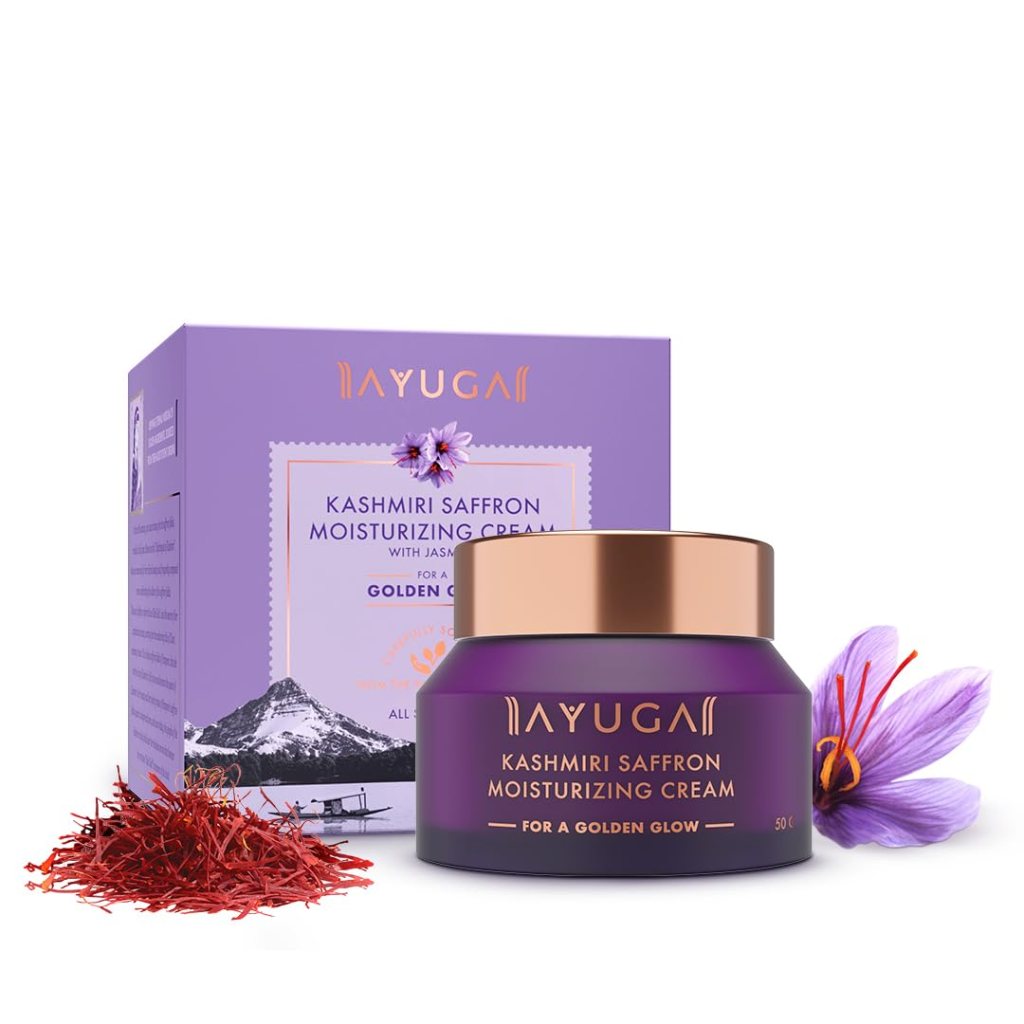
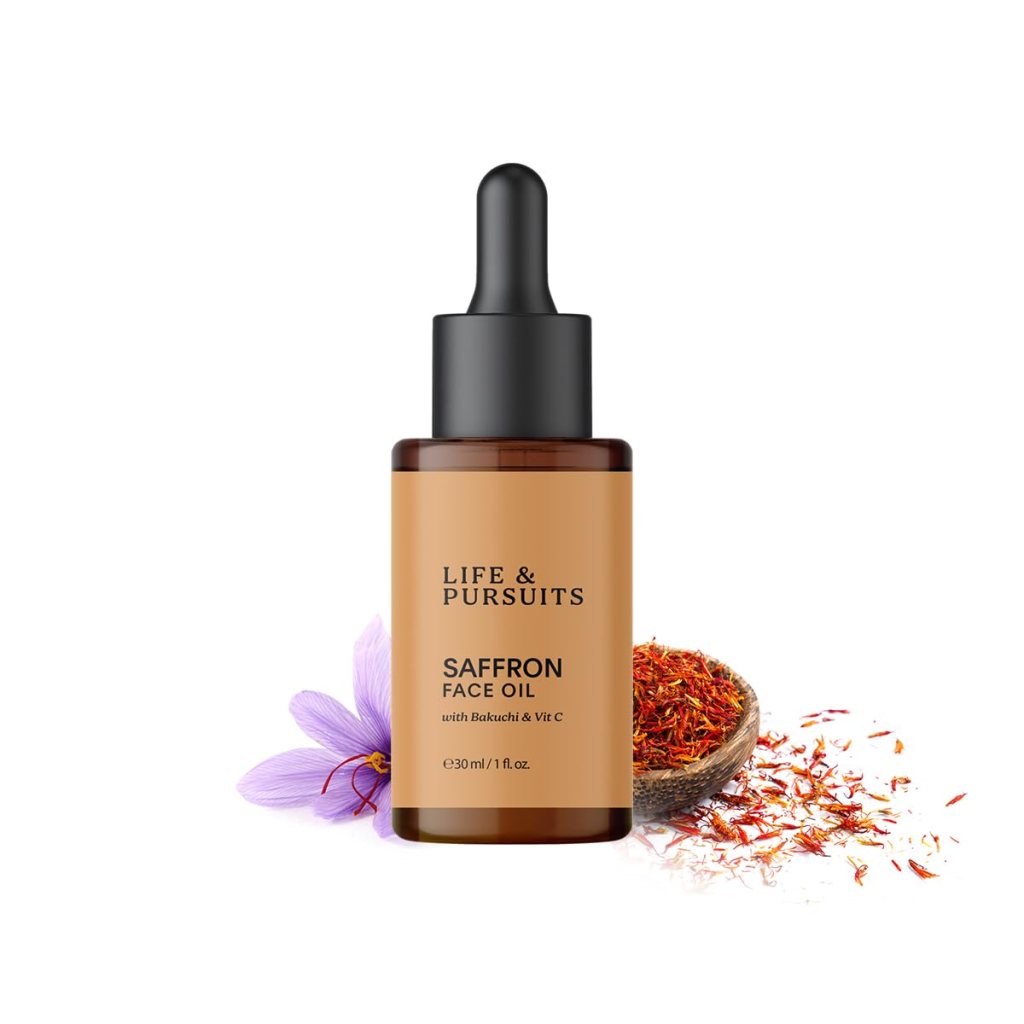
Its ability to combat oxidative stress helps protect skin cells from damage caused by environmental pollutants and UV radiation, which contribute to premature aging. The anti-inflammatory properties can help soothe irritated skin, reduce redness, and potentially aid in managing conditions like acne and eczema. Historically, saffron has been used in traditional beauty rituals for its skin-brightening properties, believed to improve complexion and reduce hyperpigmentation. Some even apply saffron-infused oils or pastes topically for these benefits, promoting a clear, even, and luminous skin tone. It truly is a spice that helps you achieve that coveted “glow from within.” Explore saffron-infused beauty products like Ayuga Kashmiri Saffron Moisturizing Cream [Amazon Link: Ayuga Kashmiri Saffron Moisturizing Cream] or Life & Pursuits Saffron Face Oil [Amazon Link: Life & Pursuits Saffron Face Oil] to incorporate its benefits directly into your skincare routine.
Beyond the Core: A Spectrum of Benefits
The wonders of saffron don’t stop there. This multi-talented spice offers a wider array of potential benefits:
- Cognitive Enhancement: Research suggests saffron may improve memory and learning, offering neuroprotective effects that could be beneficial in neurodegenerative diseases.
- Powerful Antioxidant: Its rich antioxidant content helps neutralize free radicals throughout the body, reducing cellular damage and supporting overall health and longevity.
- Anti-inflammatory Properties: By reducing inflammation, saffron may help alleviate symptoms associated with various inflammatory conditions.
- Digestive Aid: Traditionally used to calm digestive upset and promote healthy digestion.
- Aphrodisiac Qualities: Historical texts and some modern studies suggest saffron can enhance libido and sexual function.
How to Incorporate Saffron into Your Life Today
Embracing saffron in your daily life can be both a culinary adventure and a step towards enhanced well-being. But with its high value, knowing how to choose and use it correctly is key.
Culinary Delights: The Art of Infusion
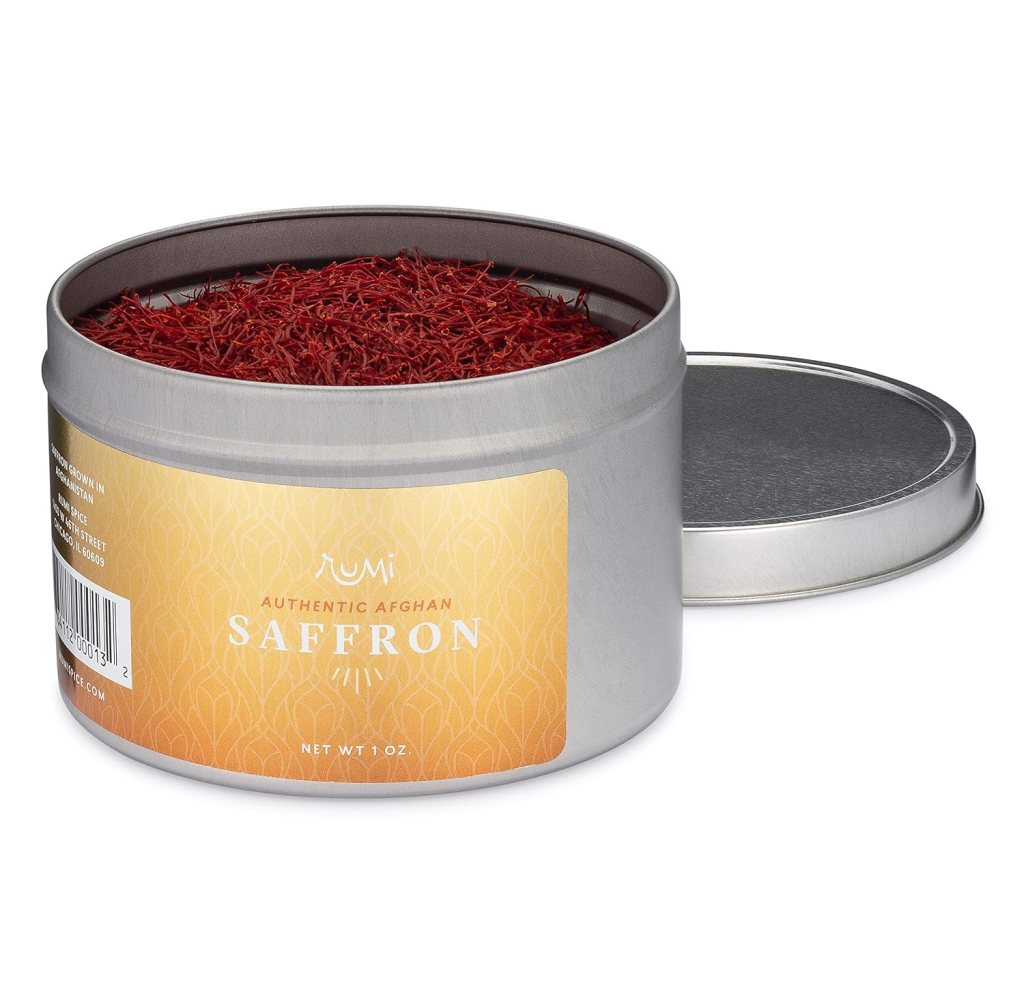
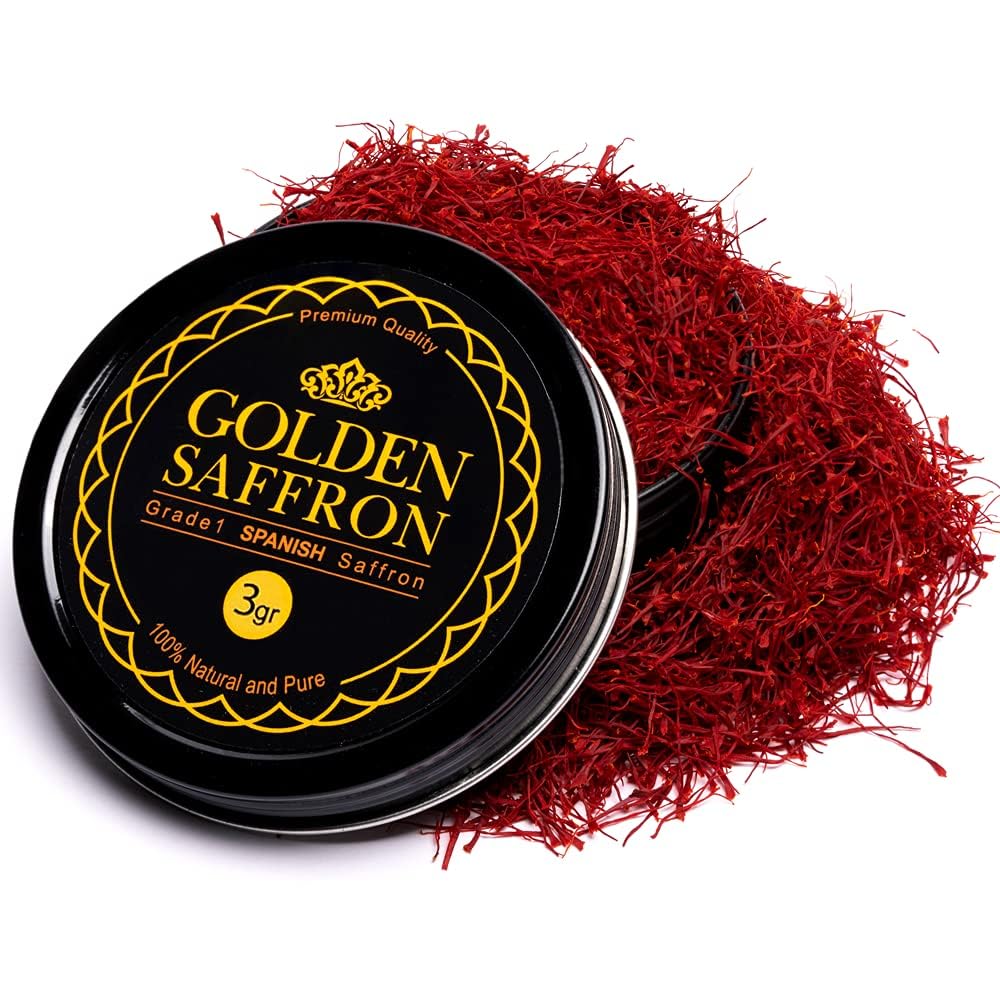
When purchasing saffron, always opt for whole threads rather than powder, which is more prone to adulteration. Look for threads that are a vivid crimson with orange tips. Spanish, Iranian, and Kashmiri saffron are generally considered the highest quality. For a premium culinary experience, consider purchasing Rumi Spice Saffron Threads, Afghan Saffron [Amazon Link: Rumi Spice Saffron Threads] or high-grade Golden Saffron – Pure Spanish Saffron Threads [Amazon Link: Golden Saffron – Pure Spanish Saffron Threads].
The key to unlocking saffron’s flavor and color is infusion. Never add dry saffron threads directly to a dish. Instead:
- Crumble the desired number of threads (usually a pinch, about 10-15 threads per serving) into a small bowl.
- Pour a few tablespoons of warm (not boiling) liquid over them – water, milk, broth, or even alcohol like white wine.
- Let it steep for 15-30 minutes, or even longer. The threads will release their vibrant color and complex aroma, turning the liquid a beautiful golden-orange.
- Add this infused liquid, along with the threads, to your dish towards the end of the cooking process to preserve its delicate flavor.
Saffron shines in dishes like:
- Paella and Risotto: Its classic applications, imparting an unmistakable golden hue and nuanced flavor.
- Indian and Middle Eastern Desserts: Think Kheer (rice pudding), Saffron milk, or Persian love cake.
- Teas and Beverages: A few strands can elevate a simple cup of tea or a warm milk drink.
- Sauces and Stews: A subtle addition can transform savory dishes.
Beyond the Kitchen: Supplements and Skincare
For those seeking its therapeutic benefits, saffron supplements are readily available. When choosing a supplement, look for reputable brands that provide standardized extracts, often specifying the concentration of crocin and safranal. Always consult with a healthcare professional before starting any new supplement, especially if you have underlying health conditions or are taking other medications. Typical dosages in studies range from 20-30mg per day.
For skincare, you can create simple saffron-infused oils or face masks. Infuse a few threads in a carrier oil like almond or jojoba oil for a few weeks, then use it as a facial massage oil. Or, mix a few saffron threads soaked in milk or rose water with a little sandalwood powder for a brightening face pack.
Cautions and Considerations
While saffron is generally safe when consumed in culinary amounts, its potency requires respect.
- Dosage is Key: Small amounts (a few threads or a standard supplement dose) are highly effective. Very high doses (several grams) can be toxic and are not recommended.
- Pregnancy: Pregnant women should avoid saffron supplements and consume it only in very small culinary amounts, as high doses may induce uterine contractions.
- Blood Thinners: Due to potential mild anti-coagulant effects, individuals on blood-thinning medications should consult their doctor before using saffron supplements.
- Adulteration: Because of its high value, saffron is unfortunately prone to adulteration. Always buy from trusted sources to ensure you’re getting pure, unadulterated saffron.
The Enduring Allure of Saffron
From ancient Minoan frescoes to modern scientific labs, saffron’s journey has been nothing short of extraordinary. It’s a testament to the enduring power of nature’s pharmacy, a reminder that sometimes the most potent remedies come in the smallest, most exquisite packages.
This “little red thread,” once a silent secret of empires and healers, is now re-emerging, inviting us to rediscover its golden potential. Whether it’s enriching your culinary creations, lifting your spirits, safeguarding your vision, or bestowing a natural glow, saffron is more than just a spice; it’s a connection to timeless wisdom and a vibrant promise for holistic well-being. So, next time you see that tiny jar, don’t just pass it by. Embrace the crimson enigma, and let its ancient magic weave its way into your modern life.
 Astra Aeternum X
Leave a comment