
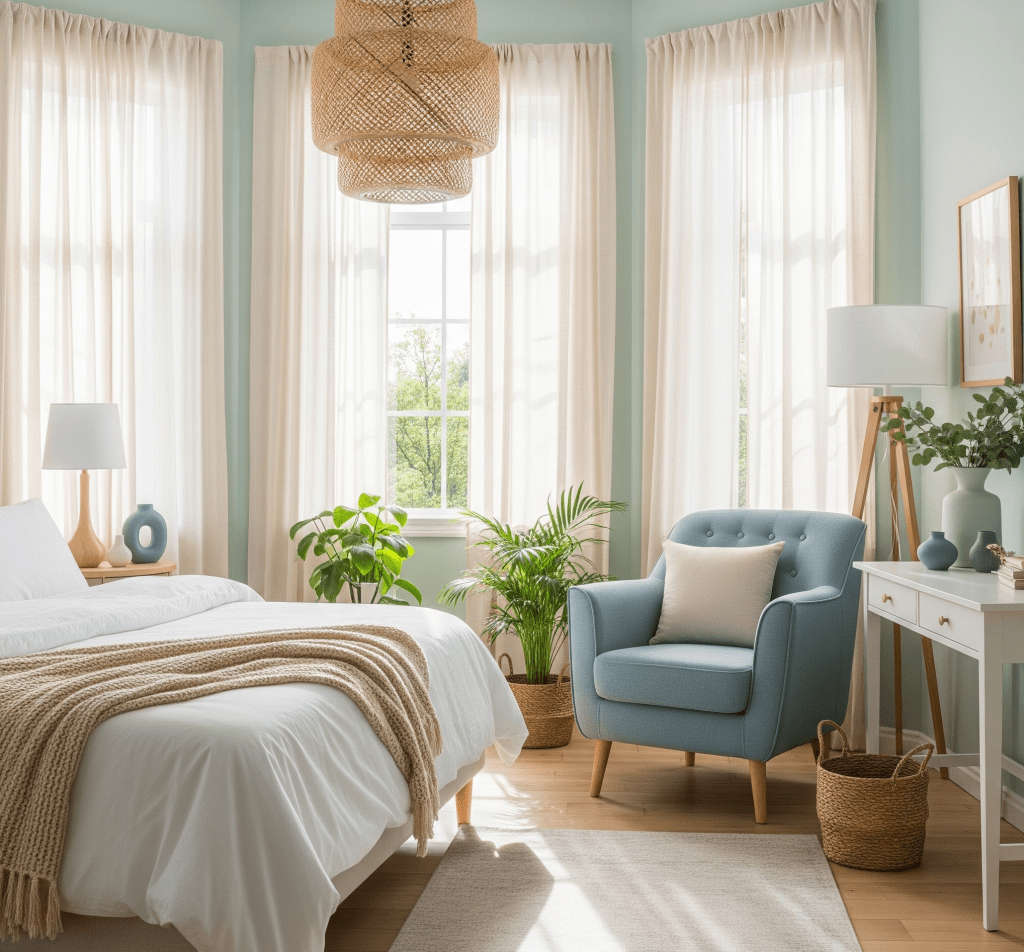
The Silent Language of Spaces
Our homes are far more than mere shelters from the elements; they are the intimate stages upon which the drama of our daily lives unfolds. From the moment we wake until we drift to sleep, our physical surroundings exert a profound, often subconscious, influence on our inner world. This influence extends beyond simple aesthetics, reaching deep into the realms of our mental and physical health. The intentionality with which we curate our personal spaces, from the foundational practice of maintaining cleanliness to the nuanced art of decoration, speaks a silent language that continuously molds our mood, productivity, and overall sense of peace.
The Unseen Architecture of Wellbeing: The Foundational Impact of Cleanliness
At the very bedrock of a harmonious home environment lies cleanliness. It is the unsung hero of wellbeing, frequently dismissed as a chore but undeniably crucial for both our psychological and physiological states. Imagine stepping into a cluttered room: stacks of papers, misplaced items, dust motes dancing in the sunlight. This visual chaos isn’t just unsightly; it’s a constant assault on our cognitive processing. Our brains are wired to seek order, and when confronted with disarray, they expend precious mental energy attempting to organize the perceived mess. This can lead to what psychologists term “decision fatigue” and a persistent sense of being overwhelmed, contributing directly to heightened levels of stress and anxiety. A clean, organized space, by contrast, offers a visual respite, allowing our minds to settle, focus, and find a sense of calm. The very act of cleaning can be meditative, a tangible way to assert control over one’s environment, which in turn fosters a powerful sense of accomplishment and mastery, reducing feelings of helplessness.
Beyond the undeniable psychological benefits, the physical health implications of cleanliness are equally profound. Our homes, if not properly maintained, can become breeding grounds for a myriad of unseen threats. Dust, for instance, isn’t just inert particles; it’s a complex mixture of pet dander, pollen, mold spores, dead skin cells, and microscopic dust mites – all potent allergens. Regular cleaning significantly reduces these airborne irritants, offering immense relief to individuals suffering from allergies, asthma, and other respiratory conditions. Furthermore, accumulated grime and stagnant air can harbor bacteria and viruses, compromising indoor air quality and increasing susceptibility to illness. A clean environment means healthier air for our lungs, fewer pathogens on surfaces, and ultimately, a more robust immune system for everyone residing within.
In our increasingly fast-paced lives, the commitment to consistent cleaning often feels like an insurmountable burden. Whether it’s a genuine dislike for the chore itself, or simply a pervasive lack of time, the dust bunnies gather and clutter mounts, subtly chipping away at our peace of mind. This is precisely where modern technological advancements offer a welcome reprieve. Automated vacuum cleaners have revolutionized household maintenance, providing an effortless and highly efficient solution to keeping floors immaculately clean with minimal human intervention. These intelligent devices can be programmed to operate on a schedule, navigating around furniture and obstacles to tirelessly collect dust, dirt, and pet hair. This not only ensures a consistently clean aesthetic that visually calms our space but also continuously removes allergens and pollutants, contributing significantly to a healthier indoor climate and, by extension, a healthier you.
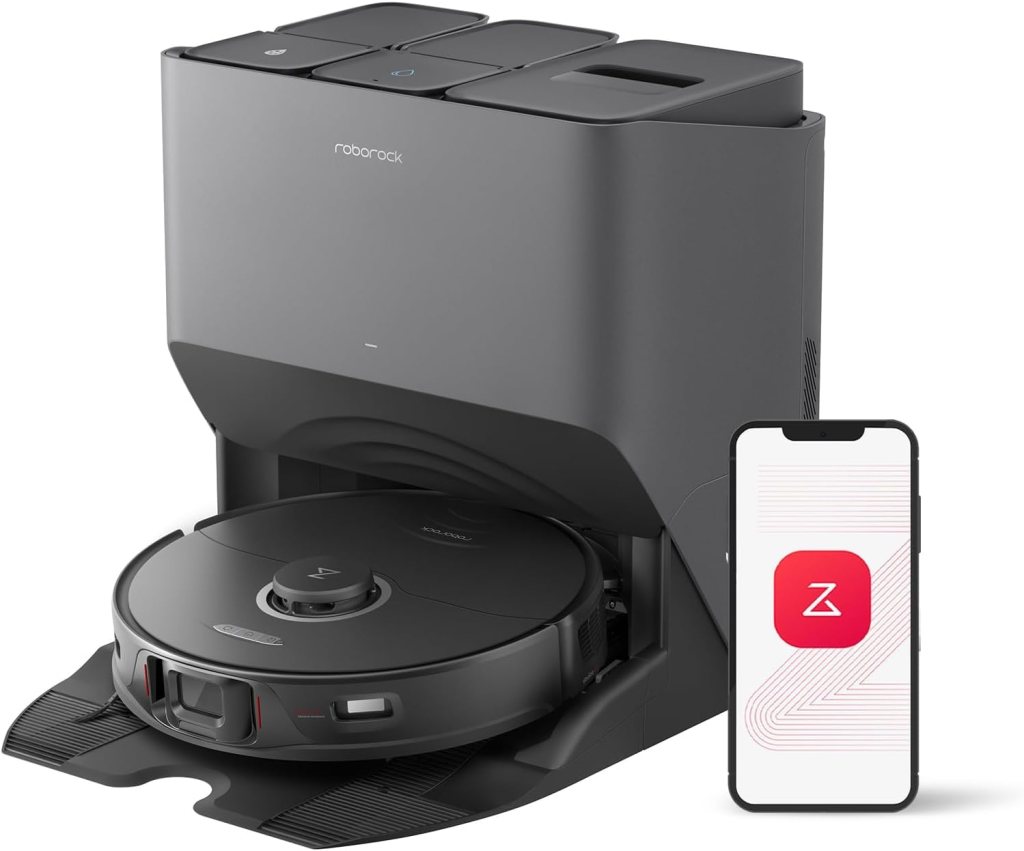
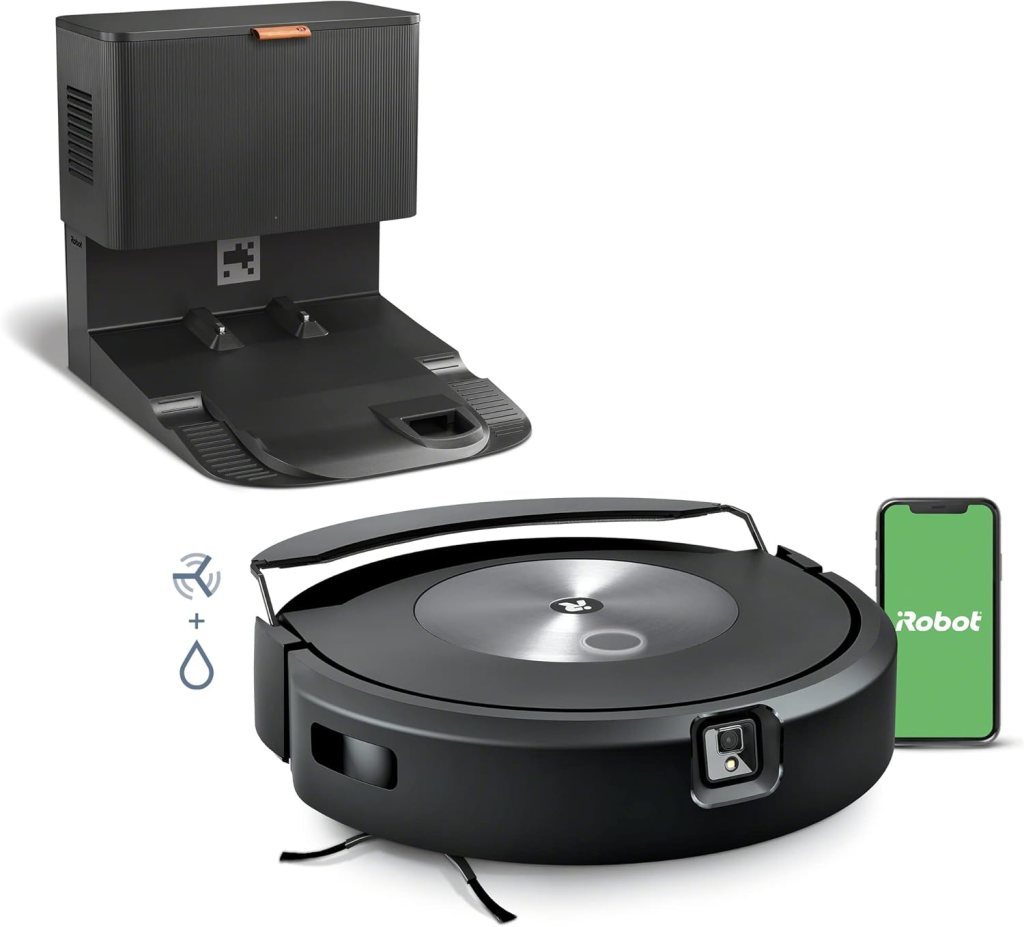
For instance, the iRobot Roomba Combo j7+ Self-Emptying Robot Vacuum & Mop offers advanced, hands-free cleaning, making it an excellent choice for busy households with pets or varied flooring, effortlessly managing both vacuuming and mopping. Alternatively, for those seeking a comprehensive and powerful cleaning solution for diverse surfaces and robust stain removal, the Roborock S8 Pro Ultra Robot Vacuum and Mop Combo stands as another top-tier option, providing exceptional performance with minimal upkeep. Investing in such tools frees up invaluable time and energy, allowing you to focus on other aspects of your wellbeing, or simply to enjoy a cleaner, healthier home without the constant chore.
The Psychology of Space: How Decoration Defines Our Wellbeing
Once the canvas of our home is clean and orderly, the next layer of influence comes through decoration. This is where our environments transcend mere functionality and begin to resonate with our innermost selves. Decoration is not just about filling space; it is a powerful form of self-expression, a tangible manifestation of our personality, values, and even our aspirations. The colors we choose for our walls, the textures of our furnishings, the art we hang, and the personal mementos we display—each element contributes to the overarching atmosphere and, consequently, to our emotional state.
A thoughtfully decorated home acts as a psychological anchor, fostering feelings of security, comfort, and belonging. When we surround ourselves with objects that hold meaning—be it photographs of loved ones, artwork that inspires, or souvenirs from cherished travels—these elements evoke positive memories and reinforce our sense of identity. This personalization transforms a generic house into a truly unique sanctuary, a place where we feel deeply rooted and authentically ourselves. This sense of authenticity is crucial for mental wellbeing, as it reduces cognitive dissonance and promotes a feeling of alignment between our internal state and external surroundings.
The very principles of design are intricately linked to our psychological responses. Color psychology, for instance, teaches us that hues can profoundly impact our mood. Blues and greens often evoke feelings of calm, tranquility, and nature, making them ideal for bedrooms and bathrooms. Yellows and oranges, conversely, can stimulate feelings of energy, warmth, and creativity, making them suitable for social spaces. Similarly, lighting plays a pivotal role. Natural light exposure is vital for regulating our circadian rhythms, impacting sleep quality, mood, and even cognitive function. Maximizing natural light, or strategically employing various types of artificial lighting—ambient, task, and accent—can significantly alter a room’s emotional tenor, creating spaces for relaxation, focus, or lively social interaction. A well-lit room feels more spacious and inviting, reducing feelings of confinement or gloom.
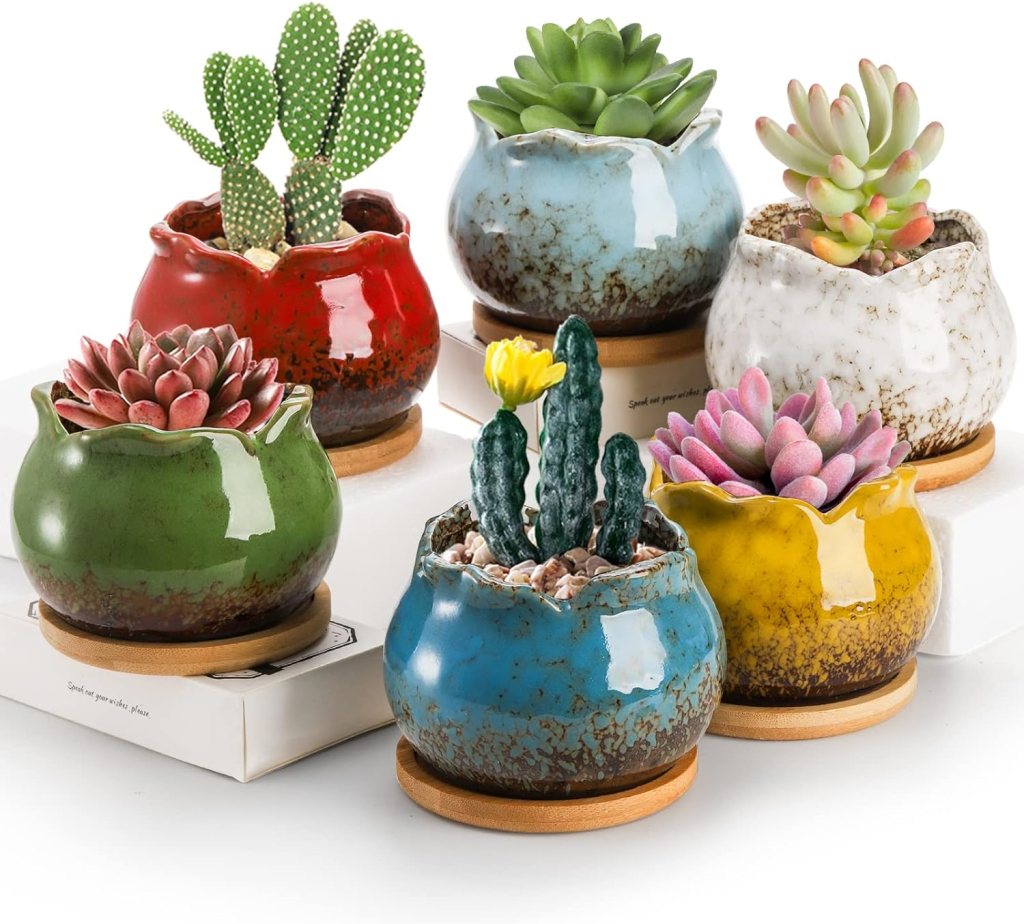
The concept of biophilic design, which emphasizes incorporating natural elements, is gaining significant traction for its proven benefits to wellbeing. Bringing plants indoors, utilizing natural materials like wood, stone, and cotton, and even ensuring clear views of nature outside, can reduce stress, improve air quality, and foster a deeper connection to the natural world, even within urban environments. Studies consistently demonstrate that exposure to nature, even indirectly, can lower blood pressure, reduce muscle tension, and improve cognitive performance. Consider adding a Costa Farms Fiddle Leaf Fig Tree, Ficus Lyrata Live Indoor Plant Leaf Fig Tree for a dramatic natural statement, or a Set of 6 Succulent Plant Pots, 4 Inch Glazed Ceramic Pots with Drainage and Saucer for easy-care green accents that clean the air.

Conversely, a neglected or poorly conceived decorative scheme can have detrimental effects. Cluttered decor, discordant color palettes, or a stark lack of personal touches can contribute to feelings of unease, detachment, and even a pervasive sense of anxiety. It is not about adhering to fleeting trends or investing exorbitant amounts; rather, it’s about cultivating an environment that resonates personally, supports emotional needs, and reflects a sense of intentionality. Functionality also plays a crucial role; furniture arrangement that impedes flow or creates awkward spaces can subtly increase frustration and decrease comfort. A well-arranged room allows for ease of movement and fosters a sense of effortless living.

Curating Comfort: Intentional Items for a Wellbeing-Boosting Home
Transforming a dwelling into a true haven for wellbeing is an ongoing journey, and even thoughtful, incremental additions can yield significant improvements. Here are several categories of items that can assist in making your space feel more like a supportive, comforting, and nurturing home:
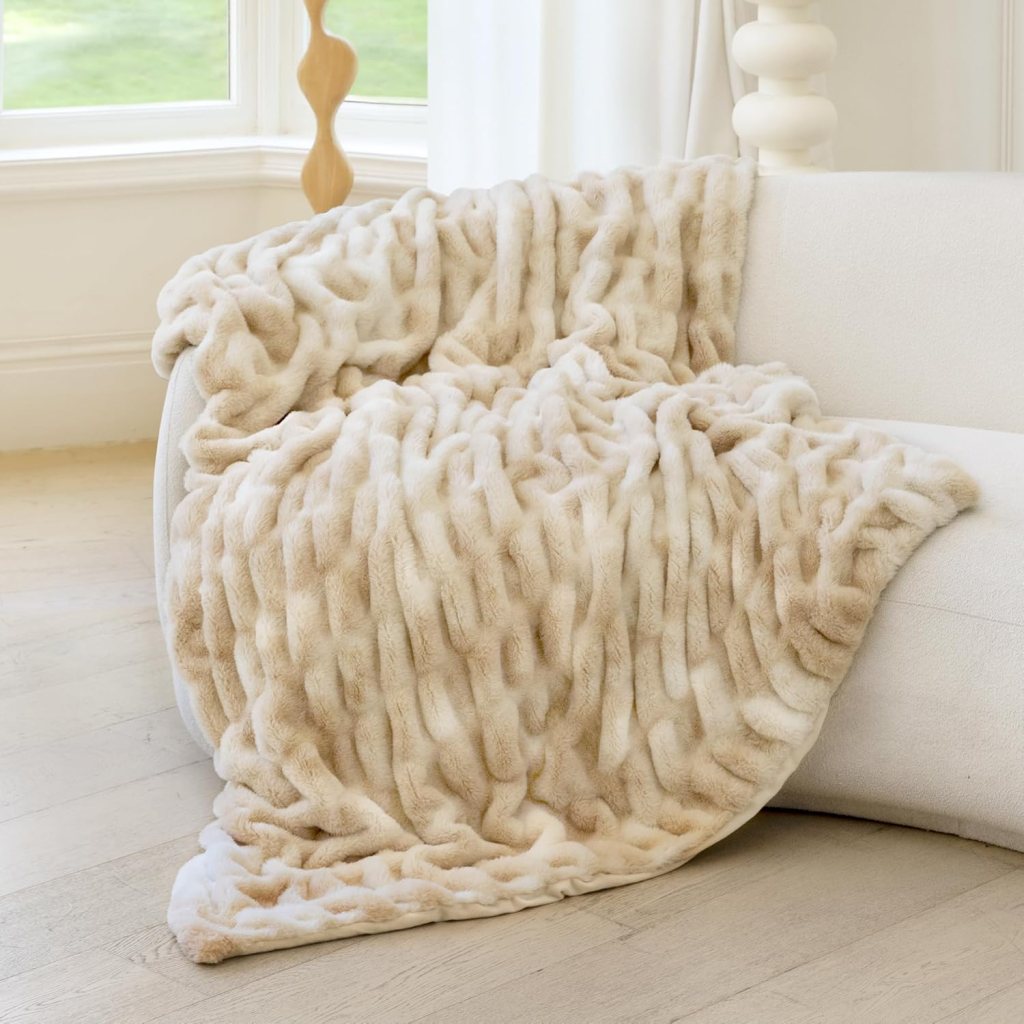
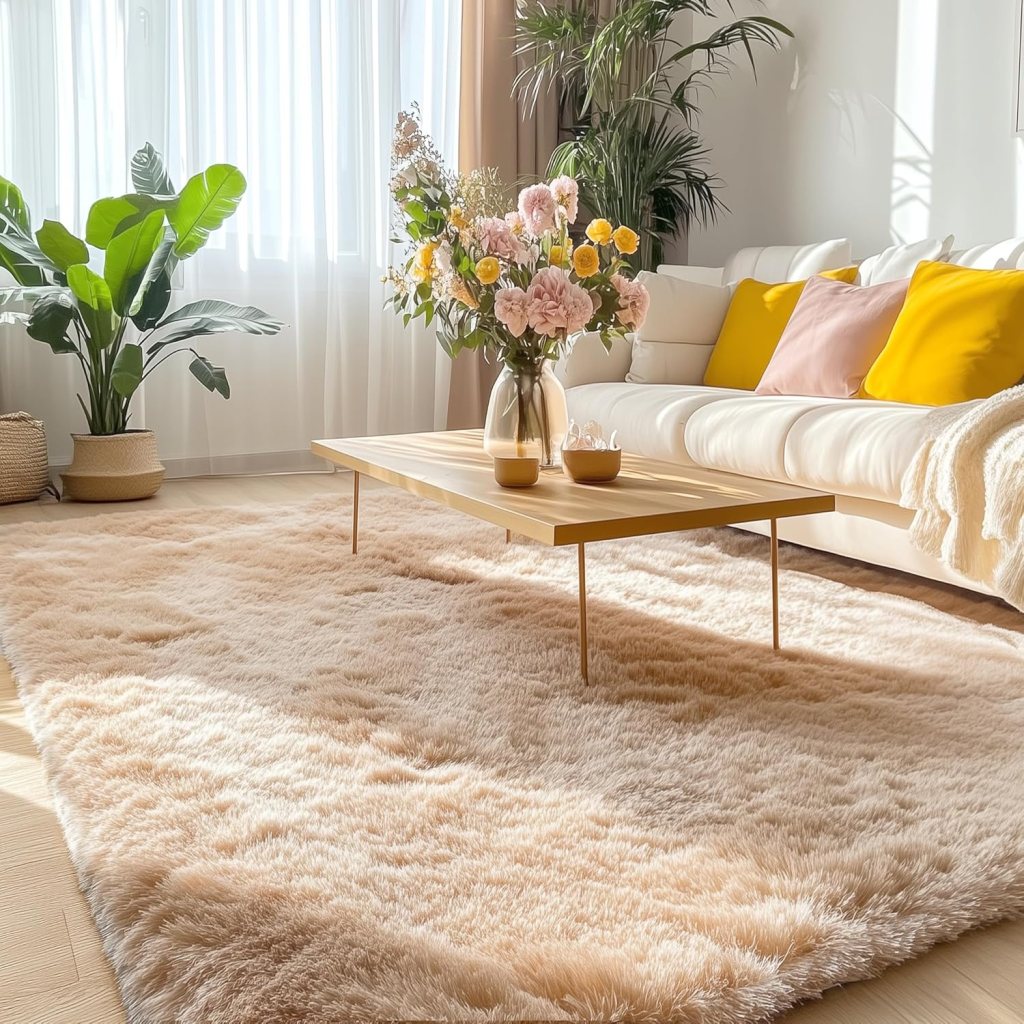
- Tactile Textiles for Sensory Comfort: The power of touch in promoting relaxation cannot be overstated. Incorporating soft, inviting textiles throughout your home adds layers of sensory comfort, inviting relaxation and promoting a profound sense of security. Imagine sinking into a sofa adorned with plush velvet cushions or wrapping yourself in a luxuriant throw on a chilly evening. These elements create a physical invitation to unwind. An Ultra-Soft Faux Fur Throw Blanket draped over your couch or bed can instantly elevate the cozy quotient of any room, making it feel more inviting and comfortable for rest and rejuvenation. Similarly, a high-pile Fluffy Area Rug can transform a hard floor into a soft landing, adding warmth and cushioning underfoot.
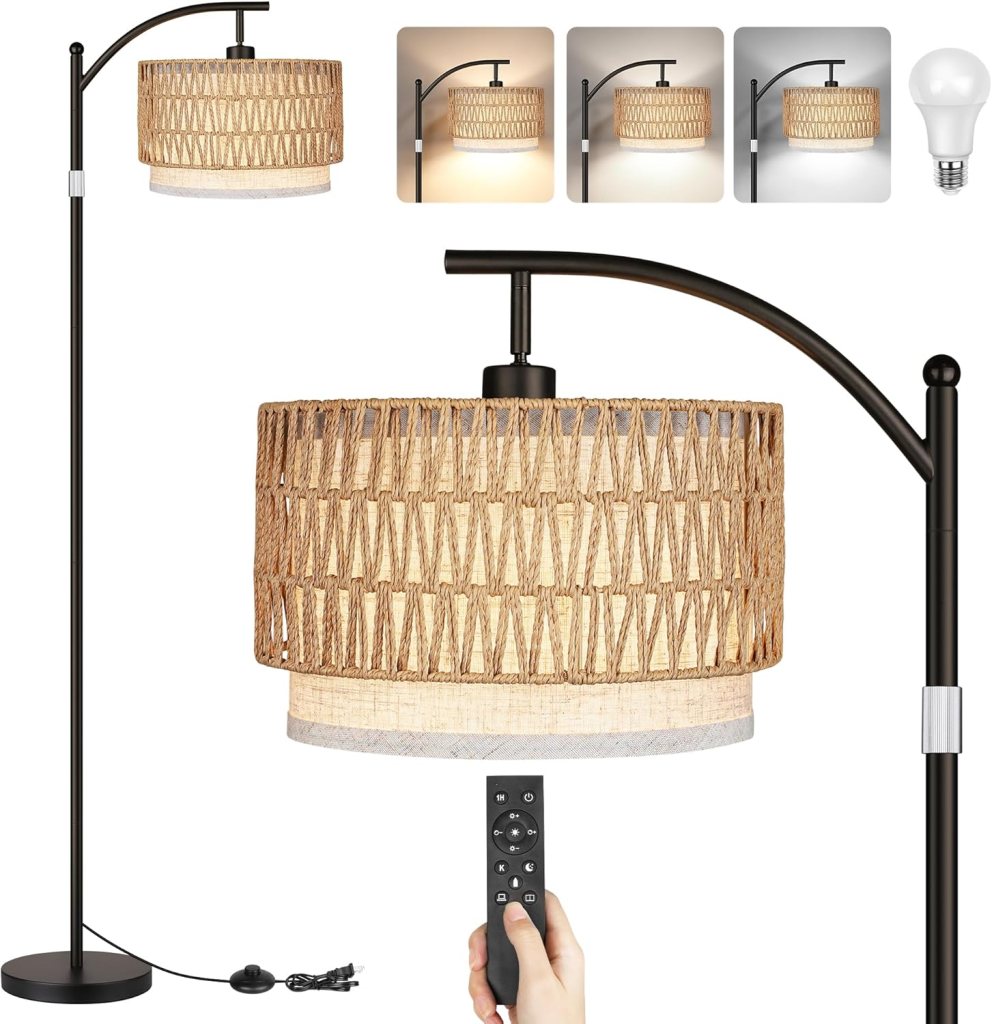
- Harmonious Ambient Lighting: The quality of light in a room can dramatically influence its atmosphere and our mood. Harsh, bright overhead lighting can feel sterile and unwelcoming, contributing to eye strain and potentially disrupting natural sleep cycles. Moving towards a more layered lighting scheme, incorporating various light sources at different heights, allows for greater flexibility and control over the ambiance. Table lamps, floor lamps, and even smart bulbs with adjustable color temperatures enable you to create softer, warmer light that promotes relaxation and intimacy. A Rattan Floor Lamps for Living Room, (Boho Standing Lamp with Rattan& Linen Double Shades) can provide a warm glow that is perfect for evening relaxation, while strategically placed accent lights can highlight artwork or architectural features, adding depth and interest to a room.
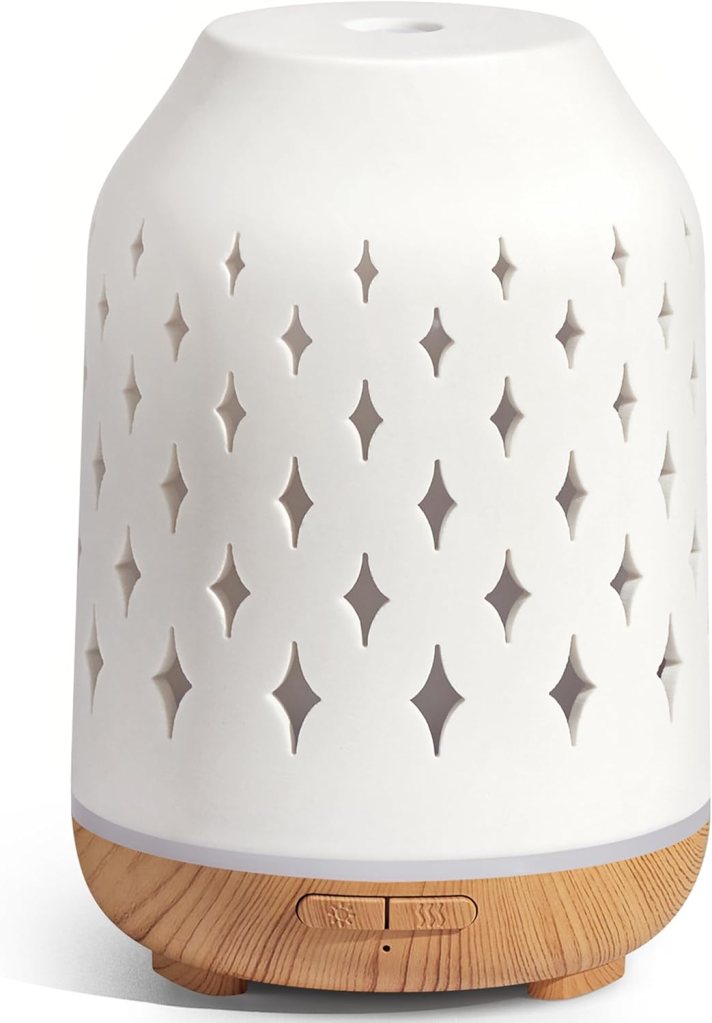
- Aromatherapy for Atmospheric Enhancement: Scent has an incredible, direct link to our limbic system, the part of the brain responsible for emotion and memory. Harnessing the power of aromatherapy can profoundly impact the emotional tone of your home. Essential oil diffusers can disperse calming scents like lavender and chamomile for relaxation, uplifting citrus scents for energy, or invigorating peppermint for focus. Choosing scents that evoke positive associations can transform the sensory experience of your space, promoting wellbeing. An Ceramic Ultrasonic Essential Oil Diffuser with a timer function can subtly infuse your home with therapeutic aromas, creating a consistently pleasant and mood-enhancing environment without requiring constant attention.
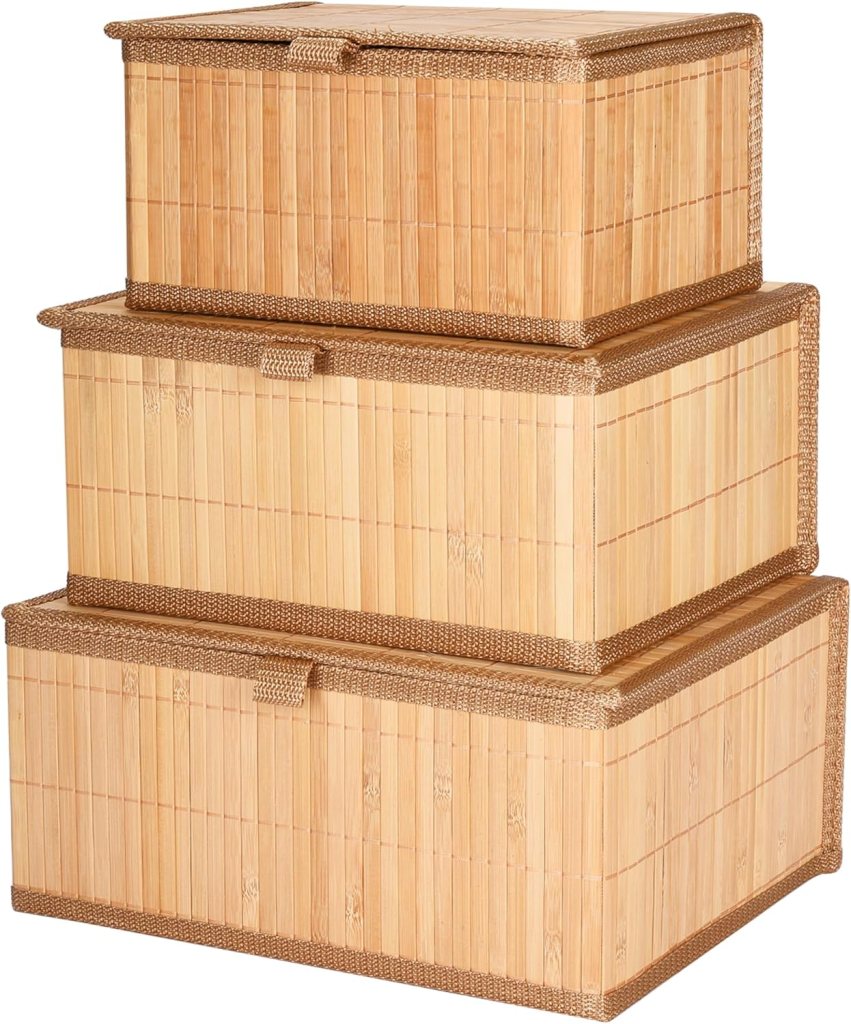
- Strategic Organization Solutions for Mental Clarity: While cleanliness is the foundation, effective organization is the ongoing practice that maintains visual serenity. Clutter creates chaos in our minds. Implementing smart, intuitive storage solutions can drastically reduce visual noise and promote a sense of order, leading to greater mental clarity and reduced anxiety. From stylish storage baskets that corral everyday items to modular shelving units that display only what is meaningful, these items contribute to a more peaceful and functional living space. A set of Bamboo Decorative Storage Boxes With Lids can conceal unsightly items while adding texture and warmth, making organization both practical and aesthetically pleasing.
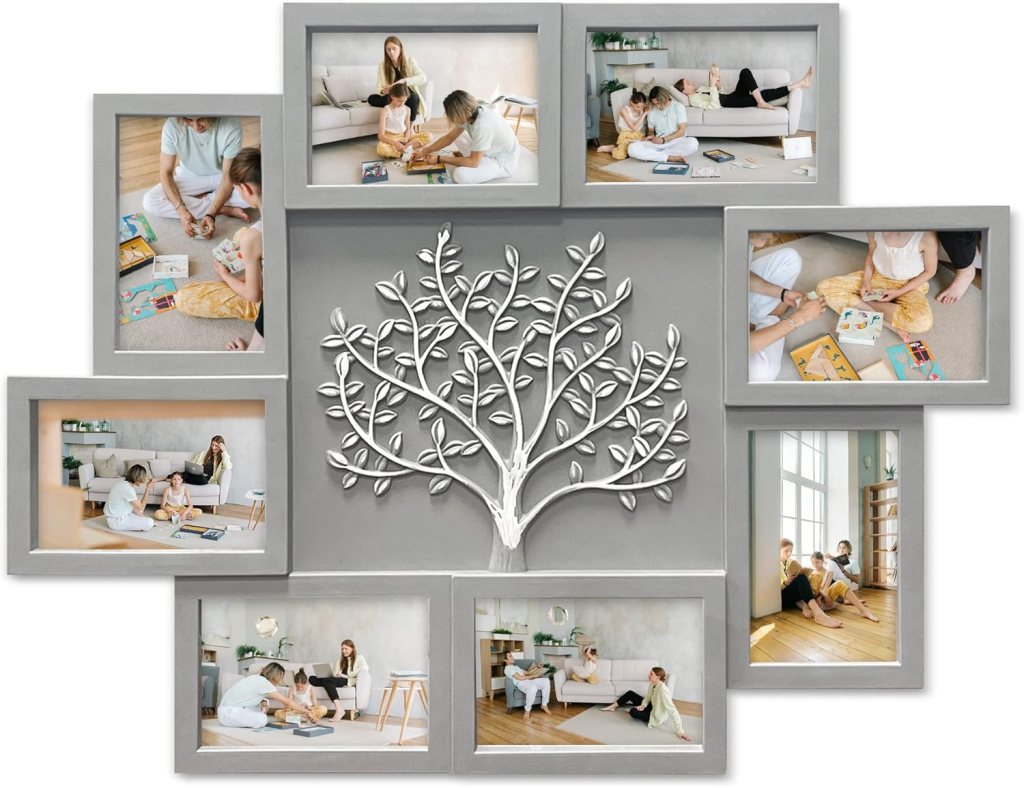
- Personalized Art and Mementos for Identity and Joy: This is arguably the most crucial element in transforming a house into a home. Surrounding yourself with items that hold deep personal significance—be it framed photographs of cherished memories, original artwork that resonates with your soul, or carefully selected collectibles that reflect your passions—is paramount. These are not merely decorative objects; they are anchors to your identity, triggers for positive emotions, and constant reminders of your journey. Creating a curated gallery wall with a Elegant Wall Hanging Photo Frame allows you to showcase a collection of moments and images that uplift your spirit every time you see them, reinforcing your personal narrative within your living space.
In essence, our homes are active participants in our wellbeing, speaking a silent yet potent language that shapes our moods, energy levels, and overall health. By consciously prioritizing cleanliness and thoughtfully curating our living spaces with elements that bring us comfort, foster a sense of identity, and promote tranquility, we can transform our dwellings from mere structures into true sanctuaries. Recognizing this profound connection empowers us to make deliberate choices that cultivate a deeper sense of peace, joy, and vitality within the very heart of our everyday lives.
 Astra Aeternum X
Leave a comment