

The Echo of Unlived Dreams:
We stand at a curious crossroads in the human experience, a point where the boundless expanse of our deepest desires meets the often-unyielding wall of financial necessity. It’s a tension as old as civilization itself, a whisper in the heart that asks, “Is this all there is?” when faced with the mundane realities of the everyday. We’re told to chase our dreams, to reach for the stars, yet simultaneously, a more pragmatic voice insists on rent, bills, and the security of a steady paycheck. This chasm, between what we truly want and what we feel we must do to survive, isn’t just an abstract concept; it’s a living, breathing influence on our daily lives, shaping our choices, our moods, and ultimately, our very sense of self.
Consider the artist who yearns to paint vibrant landscapes but spends their days in a cubicle, meticulously crafting spreadsheets. Or the aspiring writer who dreams of crafting compelling narratives but instead churns out marketing copy. The musician who longs for the stage but teaches elementary school because it offers health insurance. These aren’t isolated anecdotes; they are reflections of a pervasive struggle. The raw, unadulterated desire for creative expression, for impact, for a life lived on our own terms, often collides head-on with the cold, hard logic of economic survival.
The Silent Erosion: When the Gap Becomes a Gulch
What happens when this gap between desire and duty widens, becoming not just a divide but a chasm? For many, it leads to a gradual, almost imperceptible erosion of the spirit. It starts subtly: a muted enthusiasm for work, a flicker of resentment towards responsibilities, a growing sense of detachment from the very tasks that consume our days. The initial idealism that fueled our aspirations begins to fade, replaced by a quiet resignation. We tell ourselves it’s “just how things are.” We convince ourselves that practicality trumps passion, that security is the ultimate prize.
This journey down the “must-do path” often begins with a series of small compromises. Perhaps we take a job that isn’t ideal but offers stability. We defer our creative projects “until later,” when we have more time, more money, more energy. But “later” often becomes never. The creative muscle atrophies, the passionate spark dims, and the voice of our authentic self grows fainter, overshadowed by the demands of the external world.
The insidious nature of this erosion lies in its normalcy. Society, in many ways, normalizes this trade-off. We are bombarded with messages that equate success with financial accumulation, often at the expense of personal fulfillment. We see countless examples of individuals who have “made it” by following conventional paths, and this reinforces the notion that sacrificing dreams for stability is not just acceptable, but admirable.
The Art of Self-Deception: How We Rationalize the Retreat
The human mind is a master of rationalization, a skilled architect of self-deception when faced with uncomfortable truths. To live with the pain of unfulfilled potential, we construct elaborate narratives to justify our choices. We tell ourselves:
- “It’s practical.” This is perhaps the most common and powerful rationalization. We emphasize the security, the benefits, the predictability of our chosen path. We frame our pragmatic choices as responsible, mature, and sensible, dismissing our desires as childish or naive.
- “I’m doing it for others.” Parents often use this justification, believing that sacrificing their dreams is a noble act for the well-being of their children. While there’s undeniable truth in prioritizing family, this can also become a convenient shield against confronting personal dissatisfaction.
- “My dream wasn’t realistic anyway.” This involves a subtle but powerful act of self-betrayal. We diminish the value of our dreams, convincing ourselves they were unattainable, too grand, or simply not meant to be. This preemptive surrender saves us from the pain of trying and failing, but at the cost of genuine effort.
- “I’ll get back to it later.” This is the classic deferral, a promise whispered to our own souls that rarely materializes. The demands of the present consistently outweigh the vague intentions of the future, and the “later” becomes an ever-receding horizon.
- “I don’t have time/energy/resources.” While external constraints are often very real, this can also become a convenient excuse to avoid the discomfort of pursuing a challenging path. It’s easier to blame external factors than to confront our own reluctance or fear.
These rationalizations, while seemingly protective, are ultimately prison walls. They keep us from feeling the full weight of our choices, but they also prevent us from seeking alternative paths. We become adept at burying the guilt and pain, often subconsciously, in a desperate attempt to maintain internal equilibrium.
The Haunting Duet: Guilt, Pain, and the Echo of “What If?”
Beneath the veneer of rationalization, the guilt and pain of abandoning our dreams can fester. This isn’t always an overt, conscious anguish; more often, it manifests as a dull ache, a persistent nagging feeling of dissatisfaction. It can express itself as:
- Regret: The constant whisper of “what if?” – what if I had pursued that passion? What if I had taken that risk?
- Envy: A pang of jealousy when we see others living lives that mirror our unfulfilled aspirations.
- Listlessness and Apathy: A general lack of enthusiasm for life, a feeling that something essential is missing, even when outwardly successful.
- Burnout and Resentment: Towards our jobs, our responsibilities, and even towards ourselves for not being brave enough to choose differently.
- A Sense of Unfulfillment: The hollow feeling that despite achieving external markers of success, there’s a void within.
This pain isn’t a sign of weakness; it’s a vital signal from our authentic self, a cry for alignment. It’s the echo of the dreams we’ve silenced, reminding us of the paths not taken. Ignoring it doesn’t make it disappear; it merely drives it deeper, where it can contribute to anxiety, depression, and a general sense of spiritual malaise.

Reconciling the Two Selves: A Path Towards Wholeness
The good news is that the gap between desire and dollars doesn’t have to be a permanent chasm. It’s a space where reconciliation is possible, where we can begin to weave the threads of our dreams into the fabric of our everyday lives. This isn’t about abandoning all responsibility and diving headfirst into reckless pursuits; it’s about intelligent integration, finding creative ways to honor both our deepest desires and our practical needs.
The key lies in acknowledging the pain, listening to the whispers of our unlived dreams, and then taking intentional, actionable steps.
1. Visualize Your Most Authentic Self: The Power of Clarity
Before you can build a bridge, you need to know what’s on the other side. Take time to truly visualize what your life would look like if your deepest desires were being honored. This isn’t about fantasizing idly; it’s about detailed, sensory-rich imagination.
- What are you doing? Be specific. Are you writing, painting, building, teaching, exploring?
- Who are you with?
- What does your day-to-day feel like? Focus on the emotions: joy, flow, purpose, excitement.
- What impact are you having?
- Where are you?
This visualization isn’t about escaping reality; it’s about establishing a clear target. It helps to differentiate between fleeting whims and genuine, soul-level desires. When you have a clear vision, it acts as a compass, guiding your decisions and reminding you of what truly matters. Write it down. Create a vision board. Immerse yourself in it. The clearer the vision, the more powerful its pull.
2. Plan as If: Strategic Dreaming
Once you have your vision, start planning as if it’s already possible. This is where the pragmatic meets the passionate. Break down your grand vision into smaller, manageable components.
- Research: What steps would someone take to achieve a similar dream? What skills do you need to acquire? What resources?
- Timeline: Even if it’s a long-term plan, sketch out a rough timeline. What could you achieve in 6 months? A year? Five years?
- Resource Mapping: What resources do you already have – time, skills, network, savings? What resources do you need to acquire?
- Identify the “Must-Dos” that Support the “Wants”: Can your current job, or a more strategic “must-do” job, fund your dream? Can it provide skills, connections, or flexibility that will eventually serve your true calling? Sometimes, the “must-do” path can be reframed as a temporary, strategic stepping stone.
- Scenario Planning: What are the potential obstacles? How would you overcome them? This isn’t about negativity; it’s about realistic preparation.
This planning phase transforms nebulous desires into concrete goals. It moves your dream from the realm of fantasy into the realm of possibility. It allows you to feel a sense of control and agency, even if the full realization is still distant.
3. Start Taking Small, Actionable Steps: The Power of Momentum
The most critical step is to begin. Don’t wait for the “perfect” moment, for all the stars to align, or for a sudden windfall. Start now, with what you have, where you are.
- Dedicate Specific Time: Even if it’s 15 minutes a day, an hour on weekends, or one evening a week. Protect this time fiercely. This signals to yourself that your dream is important.
- Acquire a New Skill: Take an online course, read a book, attend a workshop related to your desired path.
- Network: Connect with people who are doing what you want to do. Learn from their experiences.
- Create Something (No Matter How Small): If you’re a writer, write 100 words. If you’re an artist, sketch for 5 minutes. The act of creation, however small, keeps the dream alive and feeds your soul.
- Save Strategically: If your dream requires a financial cushion (e.g., to take a sabbatical, invest in equipment, or start a business), make saving for it a priority in your “must-do” budget.
- “Micro-Experiments”: Can you test a small part of your dream? For instance, if you dream of opening a bakery, can you start by baking for local markets or friends?
Each small step is a victory. It builds momentum, reinforces your commitment, and chips away at the feeling of being stuck. It shows you that the gap is not insurmountable, and that you are capable of bridging it. It reduces the guilt because you are actively working towards your desires, rather than passively letting them fade. It diminishes the pain because you are injecting meaning and purpose back into your life.
The Integration: Living a Life of Purpose
Ultimately, bridging the gap isn’t about abandoning one life for another; it’s about integrating the two. It’s about finding ways for your “must-dos” to serve your “wants,” and for your “wants” to infuse your “must-dos” with meaning. Perhaps your current job can fund your creative endeavors. Perhaps the skills you gain in your day job can be applied in unexpected ways to your passion project.
This integration doesn’t necessarily mean a dramatic career change overnight. It means a shift in perspective, a conscious decision to reclaim agency over your life. It’s recognizing that true wealth isn’t just measured in dollars, but in the richness of a life lived authentically, a life where the echo of unlived dreams transforms into the vibrant symphony of dreams in progress. The path to wholeness lies in honoring both the pragmatic and the passionate, allowing them to dance together, rather than forcing them into a solitary, separate existence. In this dance, we find not just success, but profound fulfillment.
Yes, that’s a great idea to add some tangible tools for people to get started! Here are 5 product suggestions from Amazon that align with the themes of visualization, planning, and taking small steps towards bridging the gap between desire and duty, along with brief explanations of why they fit:
Tools to Help Bridge the Gap
To help you on your journey of integrating your dreams with your daily life, here are five products available on Amazon that can support you in visualizing, planning, and taking those crucial small steps:
MUST-HAVE:
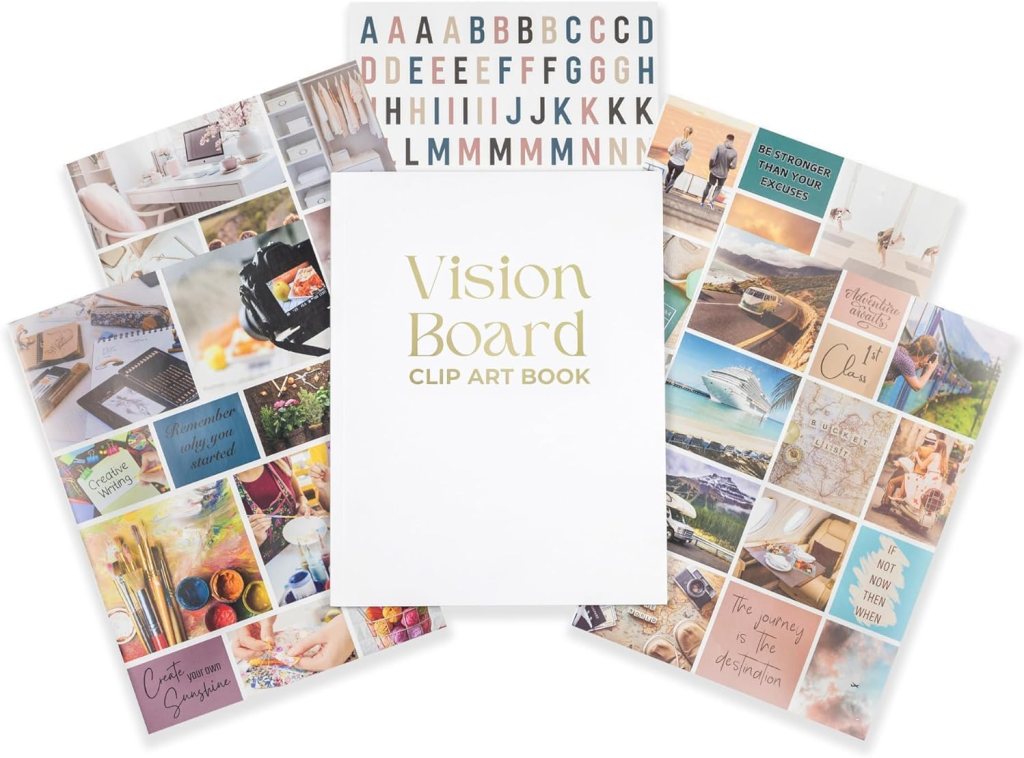
Vision Board Book: Ready to bring your aspirations to life? This all-inclusive Vision Board Supplies Kit is your ultimate companion for powerful goal-setting and manifestation. Forget endless searching – you’ll get over 850 carefully curated pictures, uplifting motivational quotes, and versatile letter/number stickers, making creativity effortless. Thoughtfully designed to cover every aspect of your life – emotional, physical, and financial – this kit helps you visualize and attract your deepest desires. It’s the perfect way to craft inspiring collages, scrapbooks, or journals, and an incredibly thoughtful gift for any woman ready to manifest her dream life!
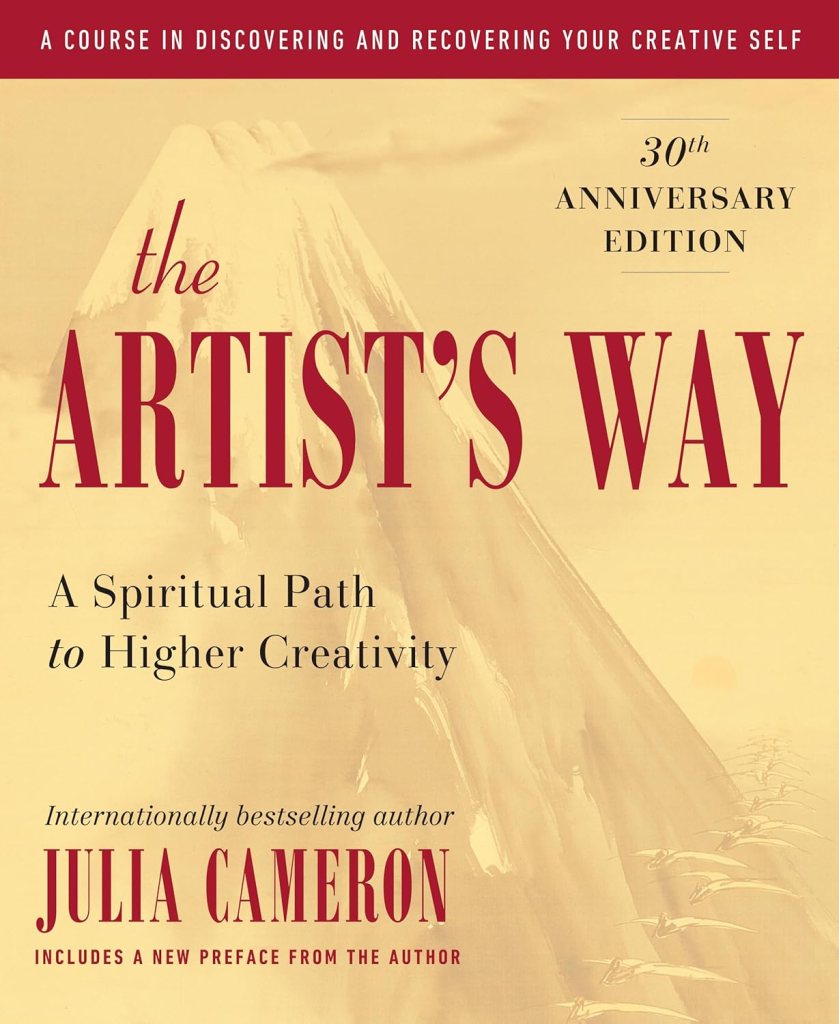
- “The Artist’s Way: A Spiritual Path to Higher Creativity” by Julia Cameron (Book): This classic book is a 12-week program designed to help individuals discover and recover their creative selves. It’s packed with exercises, reflections, and assignments (like “Morning Pages” and “Artist Dates”) that encourage introspection, self-discovery, and consistent creative practice – essential for reconnecting with those deeply buried desires. It’s less about a specific art form and more about unlocking your inherent creative potential, making it broadly applicable to anyone feeling creatively stifled or disconnected from their true calling.
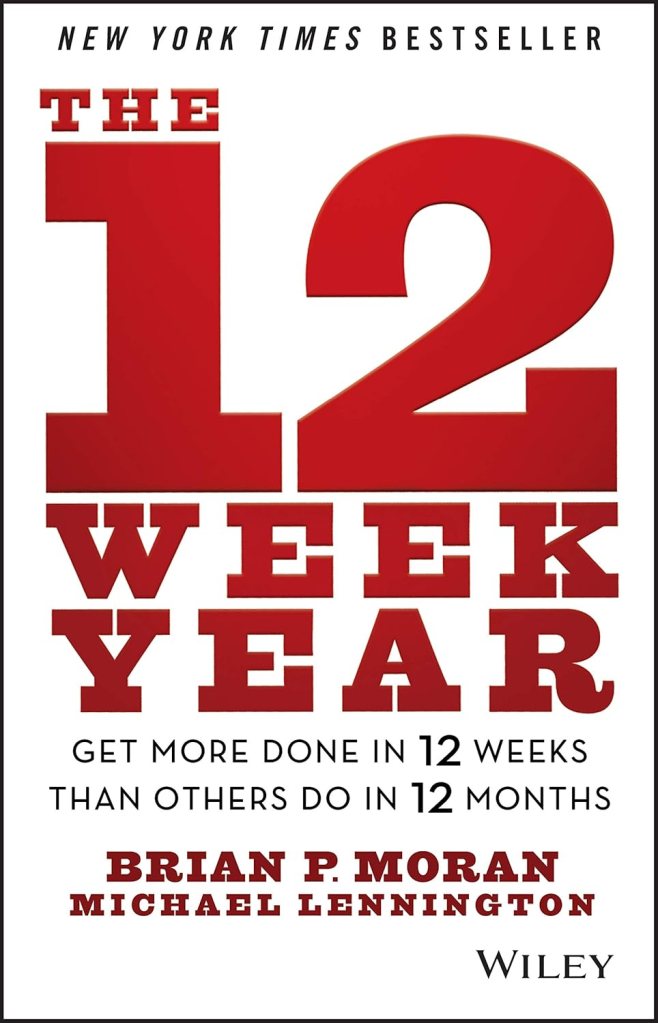
- “The 12 Week Year: Get More Done in 12 Weeks than Others Do in 12 Months” by Brian P. Moran and Michael Lennington (Book): This book offers a powerful framework for goal setting and execution. It emphasizes focusing on a shorter timeframe (12 weeks instead of a full year) to create urgency and improve focus. This aligns perfectly with the “plan as if” and “small steps” concepts, helping you break down big dreams into actionable, measurable chunks and maintain momentum without feeling overwhelmed by the enormity of your long-term vision.
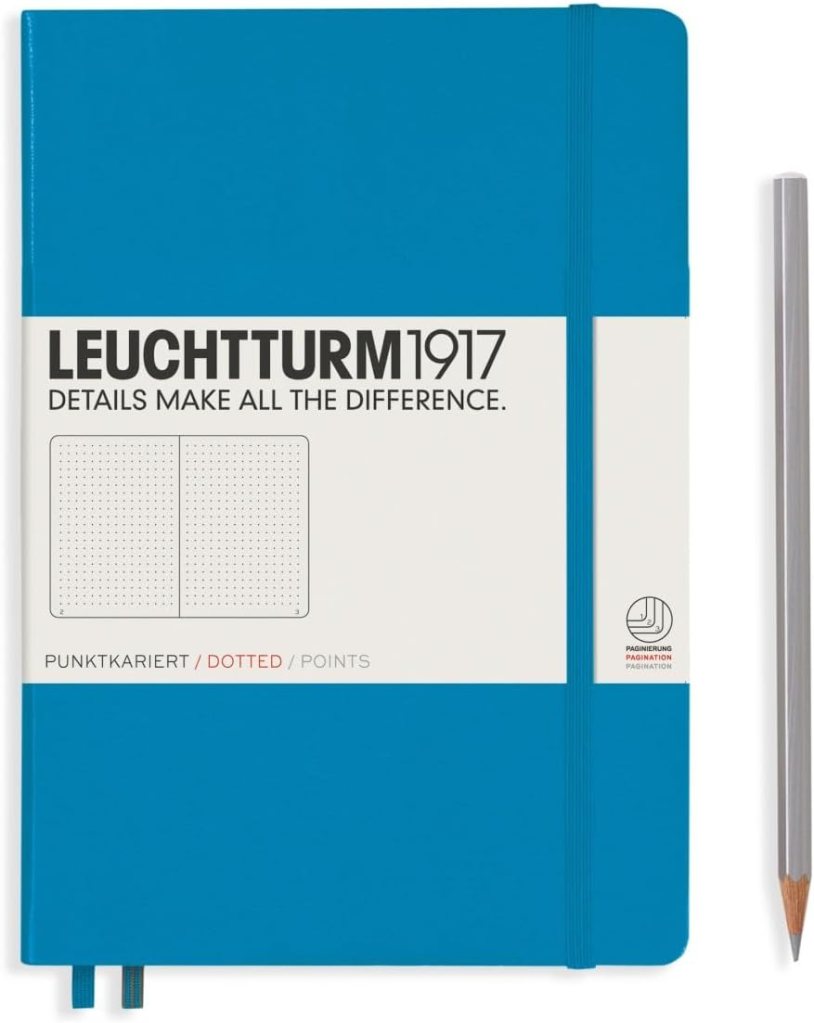
- A High-Quality Dot Grid Journal (Leuchtturm1917): A blank, versatile journal is a fundamental tool for visualization, planning, and tracking progress. Dot grid journals are particularly popular as they offer structure without being overly restrictive, allowing for bullet journaling, sketching, mind mapping, and free-form writing. This provides the ideal space to flesh out your visions, strategize your steps, and reflect on your journey, making your abstract thoughts concrete and actionable.
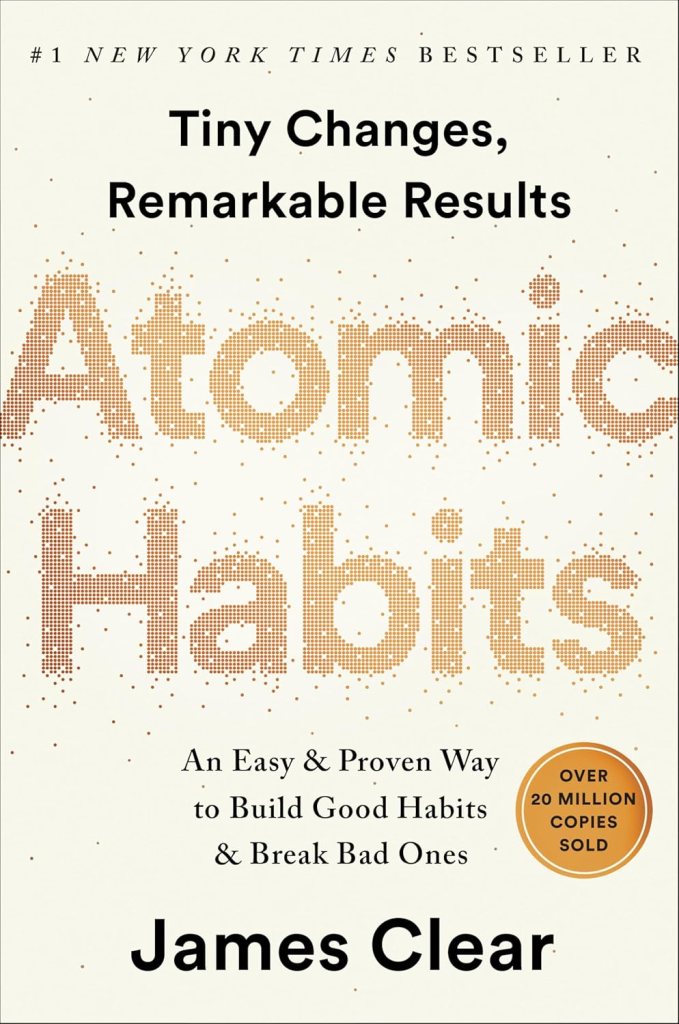
- “Atomic Habits: An Easy & Proven Way to Build Good Habits & Break Bad Ones” by James Clear (Book): This book offers practical, actionable strategies for making small, incremental changes that lead to remarkable results. It’s about optimizing systems and making desired behaviors (like pursuing your dreams) inevitable, while making undesired behaviors difficult. This directly supports the “start taking small steps” principle, showing you how to implement consistent actions, even when motivation wanes, to build daily habits that move you closer to your authentic self.
- A Visual Timer (e.g., Time Timer MOD): For those struggling with finding dedicated time for their passions amidst busy schedules, a visual timer can be a game-changer. It helps with time blocking, focused work sessions (like the Pomodoro Technique), and creating clear boundaries. Seeing time visibly tick down can increase focus and minimize distractions, allowing you to consistently carve out those precious moments for visualization, planning, or engaging in your creative pursuits, even if it’s just for 15-30 minutes a day. It makes “making time” a tangible, achievable act.

 Astra Aeternum X
Leave a comment