

How We Consciously Shape Our Reality
We all know the feeling. That afternoon spent laughing with friends, dissolving into a handful of fleeting moments. Or the excruciating eternity of a dentist’s waiting room, each tick of the clock an agonizing reminder of the present discomfort. Time, it seems, is a fickle thing, stretching and shrinking according to some unseen, internal mechanism. But what if this mechanism isn’t so unseen after all? What if our perception of time, its relentless march forward, is not an objective truth but a subjective experience, one that we are far more capable of influencing than we ever imagined? This isn’t just philosophical musing; it’s a journey into the depths of psychology, the enigmatic world of quantum physics, and the intuitive wisdom of visionaries, all pointing towards a radical truth: we are the architects of our temporal reality.
The Subjectivity of Time: Beyond the Clock’s Ticking
Our everyday experiences are riddled with evidence of time’s elasticity. The cliché “time flies when you’re having fun” holds a profound psychological truth. When we are deeply engaged, absorbed in a task we enjoy, or lost in joyful company, our attentional resources are fully consumed by the present moment. Our brains are less focused on tracking external markers of time, leading to a subjective compression. We create fewer memories of the passing minutes, and in retrospect, the entire period feels remarkably short. Conversely, boredom, pain, or anxiety hyper-focus our attention on the present discomfort and the fervent wish for it to end. Each second becomes a heavy weight, stretching into what feels like an interminable duration. Our minds are constantly checking the clock, anticipating relief, making the experience of time agonizingly slow.
Furthermore, the density of our memories shapes our perception of time in retrospect. A vacation filled with new sights, sounds, and experiences creates a rich tapestry of memories, making the trip seem longer when we look back. In contrast, a period dominated by routine and repetition generates fewer distinct memories, causing that time to feel as if it passed in a blur. This retrospective distortion highlights the active role our minds play in constructing our temporal narrative. Even at a macroscopic level, modern scientific understanding has shown time to be a relative and non-absolute phenomenon, hinting at even deeper layers of subjective influence at play.
Quantum Revelations: When Time Gets Weird
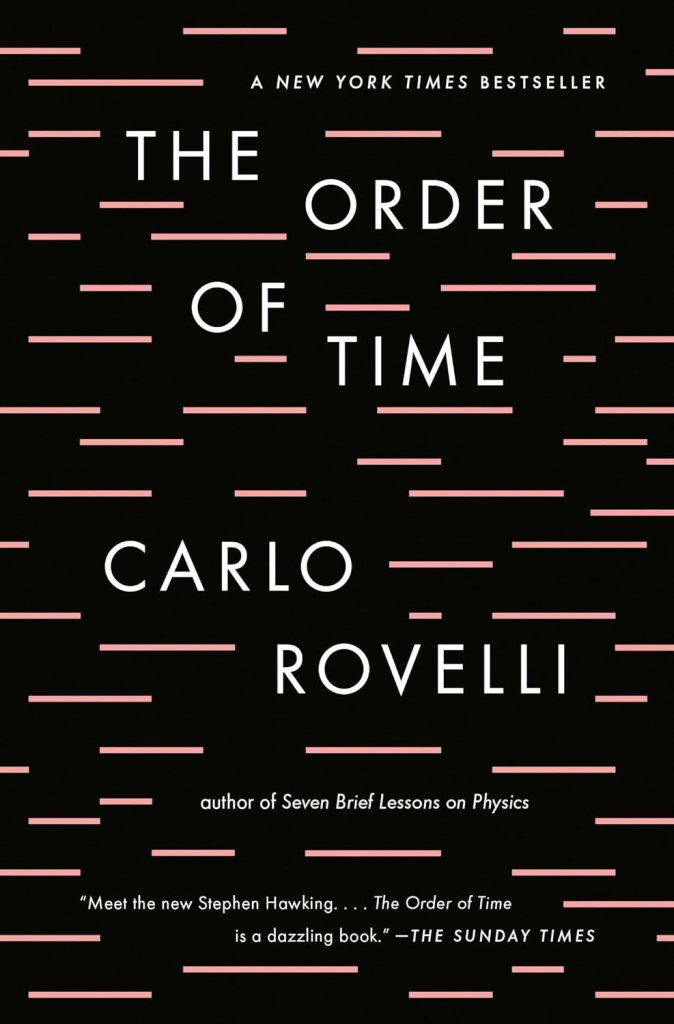
Venturing into the realm of quantum physics further dissolves our rigid notions of time. At the most fundamental levels of reality, the very concept of a linear, flowing time becomes hazy. Some of the most brilliant minds in physics, such as Carlo Rovelli in “The Order of Time” and Julian Barbour in “The End of Time,” propose that time as we experience it might be an emergent phenomenon, or even an illusion, arising from more fundamental, timeless interactions.
Neils Bohr, a pivotal figure in the development of quantum theory, revolutionized our understanding of reality by demonstrating that the act of observation fundamentally affects quantum systems. His work challenged the classical idea of a fixed, objective universe, suggesting a reality far more fluid and participatory. This shift in perspective opens the door to understanding how our consciousness might also play a role in shaping our experience of time.
Adding another layer to this understanding is the visionary genius of Nikola Tesla. While not a direct theorist of quantum mechanics in its formal stages, Tesla possessed an extraordinary intuitive grasp of the universe’s energetic underpinnings. He famously stated, “If you want to find the secrets of the universe, think in terms of energy, frequency and vibration.” His groundbreaking work with alternating current, radio waves, and resonant frequencies revealed a universe deeply interconnected through energetic fields. While Tesla didn’t explicitly address the linearity of time, his emphasis on the fundamental nature of energy and vibration suggests a reality far more dynamic and responsive to subtle influences than our everyday perception allows. This aligns with the idea that our conscious awareness, an energetic phenomenon itself, could interact with and shape our experience of time.
Consider the “block universe” theory, a concept arising from both relativity and some interpretations of quantum mechanics, which posits that all moments – past, present, and future – exist simultaneously in a vast, unchanging block. Our consciousness, in this model, might be akin to a spotlight, illuminating different “slices” of this timeless reality, creating the subjective experience of movement through time. When we couple this with the quantum observer effect – the idea that the act of observing a quantum system influences its state – a compelling possibility emerges: our active attention and intention might be “collapsing” a temporal “wave function,” manifesting a specific, felt experience of time’s passage.
Conscious Control: The Unacknowledged Power
The truth is, we are already exerting a degree of control over our perception of time, albeit often unconsciously. The very fact that time seems to speed up during enjoyable activities and slow down in unpleasant ones is not merely a passive observation. It is evidence of our minds actively filtering and processing temporal information based on our engagement and emotional state.
The concept of “flow,” popularized by psychologist Mihaly Csikszentmihalyi, provides a powerful example of this unconscious control. In a state of flow – that feeling of complete immersion in an activity where self-consciousness vanishes – time often becomes distorted. It can feel as though hours have passed in minutes, or conversely, a brief moment can feel expansive and rich. This altered temporal experience is a direct result of our focused attention and deep engagement, demonstrating the mind’s capacity to warp our sense of time.
Practices like meditation and mindfulness offer pathways to more consciously influence our temporal perception. By anchoring our attention to the present moment, to the sensations of our breath or the world around us, we step out of the mental loops of past regrets and future anxieties. This conscious presence slows down the perceived rush of life, allowing us to experience time with greater spaciousness and clarity.
Our emotional landscape is also a powerful determinant of our subjective experience of time. Joy and excitement tend to accelerate our perception, while dread and boredom slow it down. Recognizing this connection empowers us. By consciously cultivating positive emotional states and learning to manage negative ones, we can indirectly influence how we experience the passage of time.
The crucial step is the “aha!” moment – the realization that these fluctuations in our temporal perception are not random occurrences but reflections of our own internal state and attentional focus. Once we awaken to this inherent ability, we can begin to consciously cultivate practices and mental states that allow us to navigate our experience of time with greater intention.
Time, Perception, and the Illusion of Aging
The implications of our conscious control over time extend even to the seemingly inevitable process of aging. The connection between our minds and bodies is undeniable, and our perception of time plays a significant role in this dynamic. If we subscribe to the belief that aging is a fixed, linear decline that commences at a certain chronological age, our bodies tend to respond accordingly. This is not to dismiss the biological realities of aging, but to highlight the profound impact of our beliefs and expectations on our physical form.
Consider the numerous examples of individuals who defy conventional aging. Centenarians who maintain vibrant health and mental acuity, or those who radiate youthful energy and appearance well into their later years, challenge the notion that chronological age dictates biological decline. Conversely, we’ve all encountered individuals who, despite their youth, carry a weight of weariness and resignation, appearing “old” beyond their years. This disparity underscores the importance of our internal landscape – our beliefs, attitudes, and engagement with life – in shaping our experience of aging.
The placebo and nocebo effects in medicine powerfully illustrate the mind-body connection. Positive expectations can lead to tangible physical improvements, while negative beliefs can exacerbate symptoms or even create new ones. Applying this to the perception of aging, a belief in our continued vitality and a focus on present moment engagement can counteract the perceived acceleration of time often associated with aging and its perceived decline. Even research into telomeres, the protective caps on our chromosomes, suggests a link between chronic stress and their shortening, implying that our mental and emotional states directly impact cellular aging. By consciously managing our stress and cultivating a more present and engaged relationship with time, we may influence the very biological processes associated with aging.

Tools for Conscious Temporal Mastery
Harnessing our innate ability to shape our experience of time requires conscious effort and the cultivation of specific practices:
- Mindfulness & Presence: Dedicate time each day to mindfulness meditation, even for just a few minutes. Practice sensory awareness exercises, fully immersing yourself in the sights, sounds, smells, tastes, and textures of the present moment. Consciously practice “being” rather than constantly “doing” or planning.
- Intentional Engagement: Actively seek out activities that ignite your passion and lead to states of flow. Cultivate hobbies, pursue learning opportunities, and embrace challenges that fully absorb your attention.
- Attention Redirection: When you find yourself in situations where time feels like it’s dragging (waiting in line, enduring a tedious task), consciously redirect your focus. Observe the minute details of your surroundings, pay attention to your internal sensations, or cultivate gratitude for the present moment, however small.
- Belief Shifting: Challenge any limiting beliefs you hold about the nature of time and the inevitability of aging. Affirm your capacity to influence your temporal experience and your own vitality. Seek out stories and examples of individuals who defy age-related stereotypes.
- Goal-Oriented Time Perception (with Balance): While having future goals can provide direction and motivation, ensure you balance this with a deep appreciation for the present journey. Avoid constantly rushing towards the future, as this can accelerate your perception of time passing without fully experiencing the richness of the now.
Recommended Tools to Aid Your Journey
Here are five tools available on Amazon that can support your exploration of conscious temporal mastery:
- “The Order of Time” by Carlo Rovelli: A fascinating and accessible exploration of modern physics’ understanding of time, challenging our intuitive notions and opening new perspectives. (Link)
- A High-Quality Meditation Cushion Providing comfort and support for your meditation practice, helping you cultivate presence and stillness, which can lead to a deeper awareness of time. (Link)

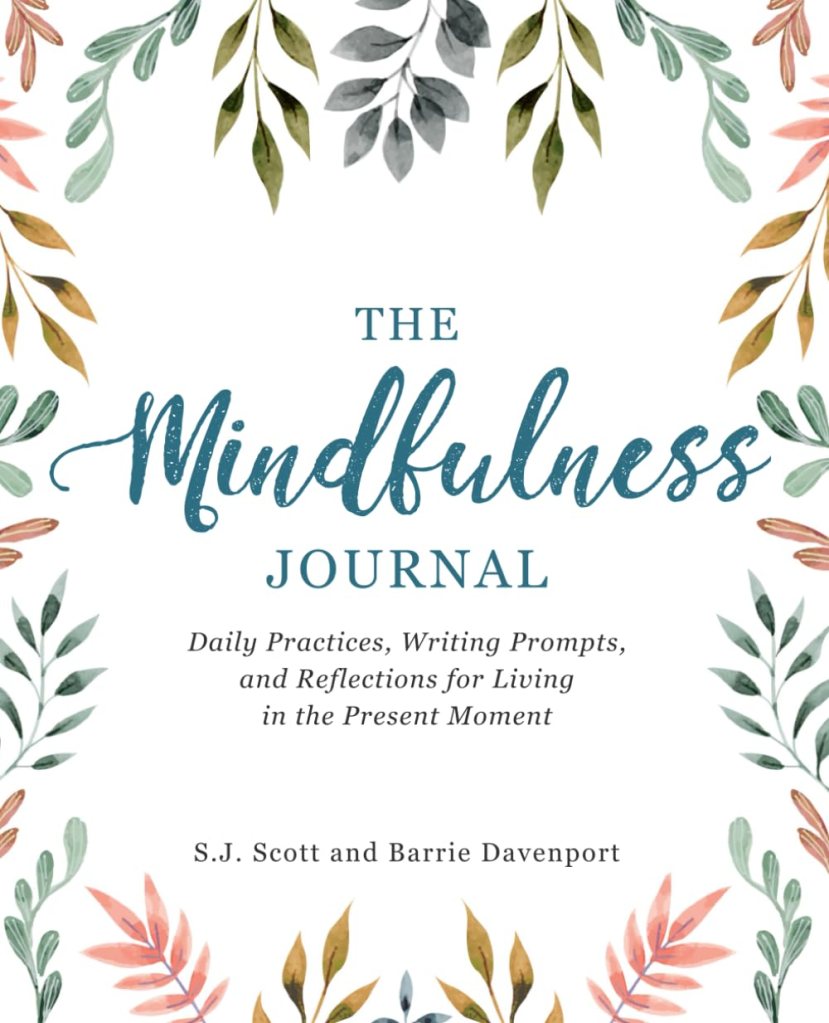
- The “Mindfulness Journal: A Journey to the Present Moment“: A guided journal designed to help cultivate daily mindfulness, gratitude, and a greater awareness of your present moment experiences. (Link)
- A Pomodoro Timer (Physical): This simple tool helps you structure work and breaks into focused intervals, promoting deep concentration (flow states) and intentional pauses, allowing for a more conscious experience of time’s passage. (Link)

- Noise-Canceling Headphones: Creating a quiet and focused environment can minimize distractions, making it easier to enter flow states during work or hobbies and to cultivate mindful presence during meditation. (Link)

Conclusion: Embrace the Fluidity of Time
Time, as it turns out, is far from the rigid, linear dictator we often perceive it to be. It is a fluid, subjective experience, intimately intertwined with our consciousness, our attention, and our beliefs. By understanding the psychological and even quantum influences on our perception of time, and by embracing the intuitive wisdom of visionaries who understood the universe’s energetic dance, we can step into our power as conscious shapers of our temporal reality.
We already possess the innate ability to influence how time feels. By cultivating presence, engaging intentionally with our lives, challenging limiting beliefs, and utilizing practical tools, we can move from being passive observers of time’s relentless march to active participants in its unfolding. By consciously engaging with the present moment and shifting our perspectives on aging, we unlock a richer, more vibrant existence, one where the perceived limitations of time begin to dissolve, revealing the boundless potential within. Embrace the fluidity of time, and in doing so, embrace the boundless potential of your own consciousness.
 Astra Aeternum X
Leave a comment