

Note: This is a living guide. As I remember additional tips, discover new products, or gain fresh insights from future moves, I’ll update this post. Bookmark it and check back periodically for new information.
A Complete 6-Month Moving System
After multiple moves across local, cross-country, and international distances, I created a 6-Month Moving Guide & Journal that consolidates everything you need in one place. It includes comprehensive checklists organized by timeline, detailed packing guides for different move types, room-by-room organization strategies, inventory tracking systems, and all the practical logistics covered in this blog post.
Beyond the checklists, the journal provides space to process the emotional journey of moving—the adjustment period, building new routines, navigating loneliness, and the energetic recalibration that happens when you relocate. If you want a structured, all-in-one system to support both the practical and emotional sides of your move. Get yours HERE!

Moving. Just reading that word probably made your stomach tighten a little, didn’t it?
I’ve moved more times than I care to count. Local moves, cross-country moves, international moves—I’ve experienced them all. And here’s what I’ve learned: every single move is demanding, no matter the distance. Each one takes a toll on you physically, emotionally, and energetically in ways you might not expect until you’re in the thick of it.
But here’s the good news: with the right preparation, the right mindset, and yes, the right products, you can make the process significantly less painful. Let me walk you through what I’ve learned from all my moves, and share the Amazon products that have genuinely saved me time, energy, and sanity.
The Energetic Reality of Moving: What Actually Happens to You
Before we dive into packing tape and boxes, let’s talk about something most moving guides skip entirely: what moving does to you energetically and emotionally.
Each place you live exists within its own energetic program—its own vibration, its own frequency. When you move, you’re not just changing your address; you’re shifting into an entirely different energy signature. And your body, mind, and spirit all feel it.
When my family and I moved to Europe last year, we immediately noticed the energy was much lower than what we were accustomed to in the US. Time felt like it was crawling. We found ourselves emanating more energy than the people around us, and oddly enough, we felt hot constantly—something we never experienced back home. The moment we returned to the US just two weeks ago, it was like someone flipped a switch. The energy was higher, faster, more intense. And we felt cold.
This isn’t just jet lag or climate adjustment. It’s the fundamental energetic difference between locations. Each place vibrates at its own frequency, and when you move, your entire system has to recalibrate. Understanding this helps you be more patient with yourself during the transition period.
The emotional component is just as real. You’ll love some things about your new place and hate others. That’s the nature of this world—it’s a realm of opposites. No place in the simulacrum is perfect. The sooner you accept that, the easier each move becomes.
The Emotional and Social Landscape of Moving: What No One Tells You
The Adjustment Period: When Everything Feels Foreign
Here’s something I wish someone had told me before my first big move: everything being different is exhausting in ways you don’t anticipate.
When you move to a new place, it’s not just your address that changes. Suddenly, you don’t know which grocery store has the best produce. You don’t know if you need to turn left or right to get to the highway. The weather patterns are unfamiliar—maybe it rains at different times, or the humidity feels different on your skin, or the sun sets at a completely different hour than what your body clock expects.
The houses look different. The architecture has a different feel. Apartment layouts follow different logic. The distance between things surprises you—what you thought would be a quick drive turns into a 30-minute journey, or vice versa.
At first, this novelty can be genuinely thrilling. There’s an adventure in discovering new coffee shops, exploring different neighborhoods, finding your new favorite restaurant. Everything feels fresh and full of possibility. You’re collecting new experiences, seeing your life from a different angle.
But then, usually around week three or four, something shifts.
When the Novelty Wears Off: The Nostalgia Wave
The thrill starts to fade, and nostalgia creeps in. You miss the ease of knowing where everything is. You miss your favorite walking route that you didn’t even realize was your favorite until it was gone. You miss the barista who knew your order. You miss how quickly you could run errands because you had the perfect route mapped out in your head.
This is completely normal. You’re not failing at your move. You’re experiencing what every person experiences when their daily autopilot gets completely disrupted.
Your brain is working overtime to create new neural pathways for all these new routes, new routines, new faces. That’s genuinely exhausting. Everything that used to be automatic now requires conscious thought. And conscious thought burns energy fast.
Give yourself permission to feel nostalgic. It doesn’t mean you made the wrong choice. It means you’re human, and humans get attached to the familiar, even to things we didn’t particularly love about our old place.
What If You Realize You Don’t Like It?
And then there’s the question nobody wants to ask out loud: what if you move somewhere and realize you actually don’t like it?
Maybe the culture isn’t what you expected. Maybe the pace of life doesn’t match your energy. Maybe the weather is more oppressive than you thought it would be. Maybe the community just doesn’t feel right, and you can’t quite put your finger on why.
This happened to us in subtle ways during our year in Europe. We loved many aspects—the walkability, the history, the slower pace of meals, the architecture. But we also struggled with things we didn’t expect to struggle with. The lower energy felt draining after a while. The bureaucracy was maddening in ways that tested our patience daily.
If this happens to you, first: breathe. Second: remember that no place is perfect. Every location will have things you love and things you hate. That’s the nature of living in a world of contrasts and opposites.
But also, be honest with yourself. Give it real time—at least six months to a year if you can. Sometimes what feels wrong at first becomes comfortable with familiarity. Your nervous system needs time to recalibrate. Your social connections need time to develop.
However, if after genuine time and effort it still doesn’t feel right, it’s okay to admit that. It’s okay to move again. You’re not a failure. You tried something, gathered information, and can now make a more informed decision about what you actually need in a place to feel alive and grounded.
The Job Search in Unknown Territory
Finding work in a new environment adds another layer of complexity to an already demanding transition.
If you moved without a job lined up, you’re dealing with financial stress on top of all the adjustment stress. You’re trying to navigate a new job market, possibly new industries, definitely new networks. The companies are unfamiliar. The commute times are unknown. You might not even know which areas are considered the “good” places to work.
And if you’re interviewing, you’re doing it while living out of boxes, possibly sleeping on an air mattress, definitely not at your mental and emotional best.
Here’s what helped me: treat the job search as part of the adventure, not a desperate race. Research companies the same way you researched your new neighborhood. Join local professional groups online before you even arrive. Reach out to people on LinkedIn who work in your field in your new city—you’d be surprised how many people are willing to grab coffee with a newcomer.
Also, be patient with yourself. Job hunting is hard enough in familiar territory. In a new place, it’s legitimately harder. You’re fighting against the fact that you don’t have established networks, you might not know the local industry landscape, and you’re energetically depleted from the move itself.
The Loneliness: When You Don’t Know Anyone
This is perhaps the hardest part of moving that no one adequately prepares you for: the profound loneliness of not knowing a single person.
You can’t call someone to grab coffee. You can’t text a friend to meet for a walk. You have no one to ask for recommendations, no one who gets your references to local things because there are no local things you share yet.
Weekends stretch out empty. Evenings feel longer. You realize how much of your identity was wrapped up in your social connections, and now you have to rebuild all of that from scratch.
But here’s what I learned, especially from our time in Europe: the expat and newcomer communities can be incredibly welcoming if you know where to find them.
Finding Your People: The Expat Magic
When we moved to Europe, I was genuinely worried about making friends. We didn’t speak the local language fluently. We didn’t know the cultural norms. We were the ultimate outsiders.
But the expat community changed everything.
Within a few months, I had made more genuine friendships than I’d made in years back home. We went on weekend trips together. We navigated bureaucracy together. We celebrated holidays together, creating new traditions that blended all our different backgrounds. We supported each other through the unique challenges of living in a foreign country.
There’s something about shared displacement that creates instant bonds. Everyone is starting fresh. Everyone is slightly vulnerable. Everyone understands the weird mix of excitement and homesickness because they’re living it too.
We used Facebook groups for expats in our city, Meetup for activity-based gatherings, and even apps specifically designed for making friends as an adult (yes, they exist, and yes, they can work). We said yes to invitations even when we were tired. We hosted dinners in our tiny apartment. We showed up.
The Culture Shock of Returning “Home”
Here’s something that genuinely surprised me: moving back to the US after a year abroad came with its own unexpected sadness and culture shock.
We thought coming home would be easy. It’s home, right? We know how things work here. We speak the language. We understand the culture.
But we’d changed. And we noticed things we’d never noticed before.
Americans, particularly in the US, are much more closed off than we remembered. People are friendly in a surface-level way—they’ll smile and wave—but actually breaking into established social circles feels nearly impossible. Everyone already has their friend groups, their routines, their full lives. They’re not really looking for new people.
The expat community had been so open, so eager to connect, so intentional about building relationships. Back in the US, that openness largely disappeared. People are busy. They’re stressed. They’re tired. They have their established bubbles, and there’s not a lot of room for newcomers.
This isn’t a judgment—it’s just a different social reality. But it was saddenning in a way I didn’t expect. I missed the ease of making plans, the spontaneity of friendships, the genuine curiosity people had about each other’s lives and backgrounds.
Practical Strategies for Building Community in Your New Place
Whether you’re moving across town or across an ocean, here’s what actually works for building a new social life:
Start before you arrive: Join local Facebook groups, neighborhood forums, Reddit communities for your new city. Start asking questions and participating in conversations. Some people might even offer to meet up once you arrive.
Say yes to everything at first: Your natural instinct might be to hibernate and recover from the move. Resist that for the first month or two. Say yes to invitations, even small ones. Someone asks if you want to grab coffee? Yes. Neighbor invites you to a block party? Yes. Coworker mentions a happy hour? Yes.
Find your third places: These are spaces that aren’t home or work—coffee shops, gyms, yoga studios, libraries, bookstores, community centers. Become a regular somewhere. Familiarity breeds connection.
Join something with built-in repetition: A weekly class, a sports league, a book club, a volunteer organization. You need to see the same people multiple times for friendships to develop. One-off events rarely lead to lasting connections.
Use technology intentionally: Apps like Bumble BFF, Meetup, and Nextdoor exist specifically to help people connect. Yes, it feels weird at first. Do it anyway.
Be patient and persistent: Building a genuine social circle takes six months minimum, often a year or more. Don’t give up after a few awkward coffee dates. Keep showing up.
Lower your expectations initially: Your new friends might not replace your old friends right away. That’s okay. Start with activity partners, casual acquaintances, friendly faces. Deep friendships take time.
The Timeline of Emotional Adjustment
Here’s roughly what to expect emotionally as you settle in:
Weeks 1-2: Honeymoon phase. Everything is exciting and new. You’re running on adrenaline and curiosity.
Weeks 3-6: Reality sets in. The novelty wears off. Nostalgia hits hard. You might feel regret or wonder if you made a mistake. This is normal. Push through.
Months 2-4: Frustration peak. You’re tired of not knowing where anything is. You’re lonely. You miss your old life. This is often the hardest period. Don’t make major decisions during this time.
Months 4-6: Things start clicking. You have a few favorite spots. Maybe you’ve made an acquaintance or two. Routines are forming. It’s still hard, but it’s getting easier.
Months 6-12: Genuine settling. You have actual friendships forming. You know your way around. The new place is starting to feel like it could actually be home. You can remember your old place with fondness without desperate longing.
Year 2+: Fully integrated. This is home now. You have your people, your places, your routines. You can’t imagine living anywhere else—until you move again and start the whole cycle over.
Be Gentle With Your Heart
Moving is one of the most emotionally demanding things we do as humans. You’re not just changing locations—you’re changing your entire daily existence, your social fabric, your sense of belonging and familiarity.
Every emotion you feel during this process is valid. The excitement and the grief. The adventure and the exhaustion. The hope and the homesickness. Let yourself feel all of it without judgment.
And remember: adjustment isn’t linear. You’ll have good days where you love your new life, and then suddenly a bad day where you want to pack everything up and go back to what was familiar. Both are part of the process.
The emotional and social challenges of moving are real, but they’re also temporary. With time, intention, and self-compassion, you will build a new life. You will find your people. You will create new favorite spots and routines.
The place that feels foreign today will, eventually, feel like home.
The Three Types of Moves (And How Each One Feels Different)
1. Local Moves: Short Distance, Still Surprisingly Demanding
Let me tell you about the time we moved across the street. Literally. One apartment complex to another, just across a busy road.
I thought it would be a piece of cake. I mean, we could practically wave to our new place from our old balcony. Wrong. So wrong.
It was still incredibly demanding. We moved from the 2nd floor to the 10th, which alone made the entire process exhausting. And despite the short distance, we still had to rent a truck to safely transport our furniture across that busy road. There’s no way around the logistics of a move, even when you’re moving 200 feet.
The emotional impact: Local moves have their own unique frustration. You think it should be easy because you’re staying in the same area, but the physical demands are just as real. The advantage? You know the area, you’re not learning a new city, and you can make multiple trips if needed.
What you’ll need for a local move:
Since you have the flexibility of proximity, you can prioritize efficiency and multiple trips. Here’s what makes local moves manageable:
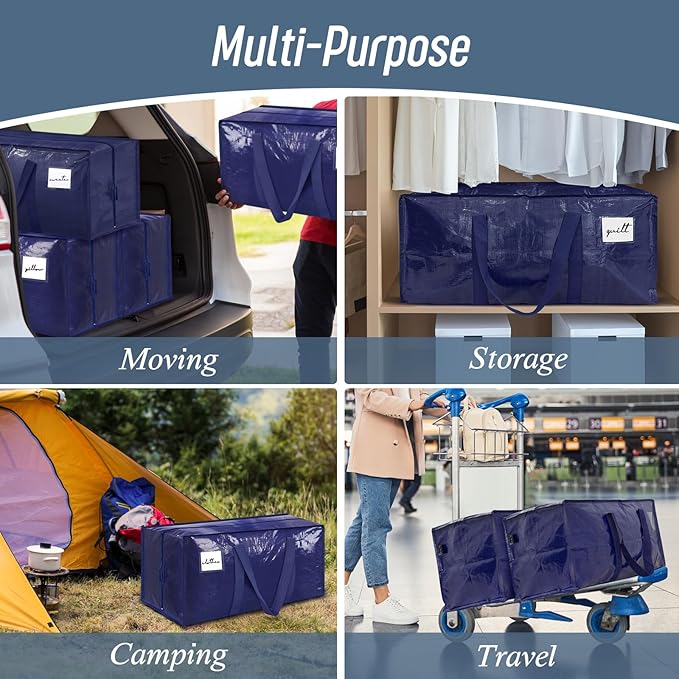
- Heavy-Duty Moving Bags with Handles and Zippers – These are absolute game-changers for clothes, bedding, and soft items. Unlike cardboard boxes, you can reuse them for storage afterward. The ones with reinforced handles can hold 50+ pounds and compress down when you’re done. Buy a 6-8 pack depending on your household size.
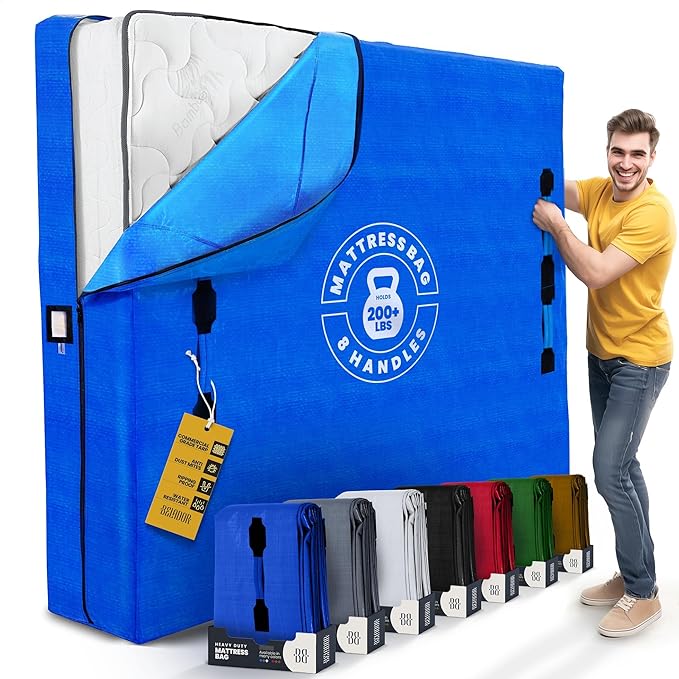
- Mattress Bags with Handles (All Sizes) – I didn’t discover these until recently, and now I’ll never move without them. They completely cover your mattress, protect it from dirt and damage, and the handles mean you can drag it without ever touching the actual mattress. Get the size that matches your bed: Twin, Full, Queen, or King.
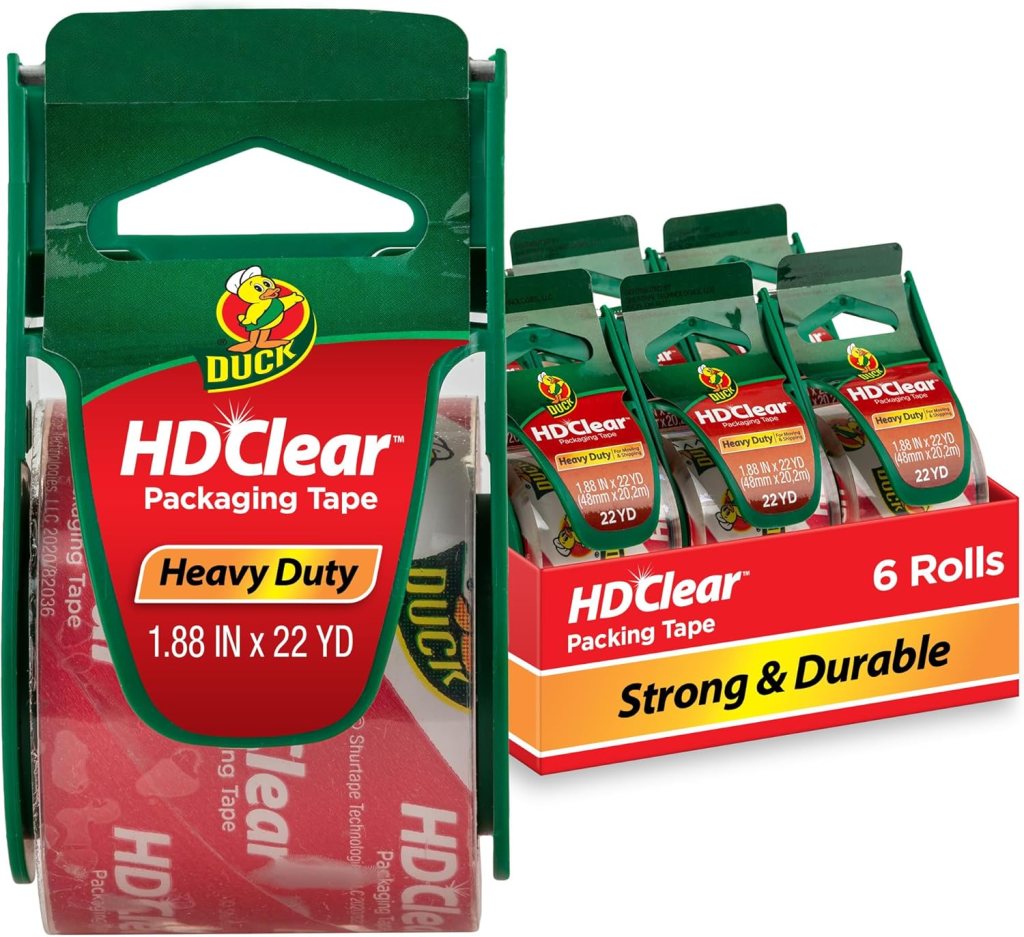
- Heavy-Duty Packing Tape – 6 Roll Pack with Dispensers – You’ll use more tape than you think humanly possible. Having dispensers saves your fingernails and your sanity. Get at least one 6-pack for an average-sized apartment.
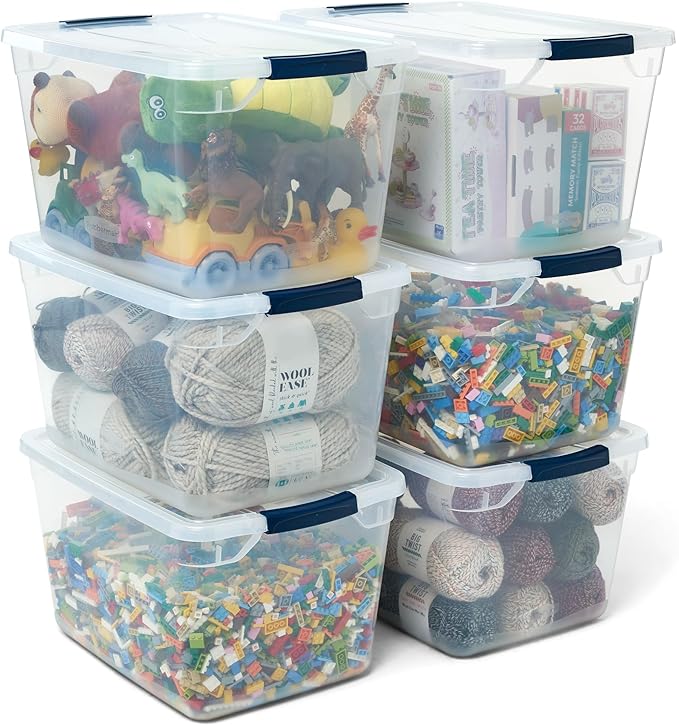
- Clear Plastic Storage Bins with Lids – Here’s my secret: these serve double duty. Use them for moving, then keep using them for storage in your new place. I pack bathroom supplies, cleaning products, and small kitchen items in these. The clear sides mean you can see what’s inside without opening them. Start with 10-15 bins for a 2-bedroom place.
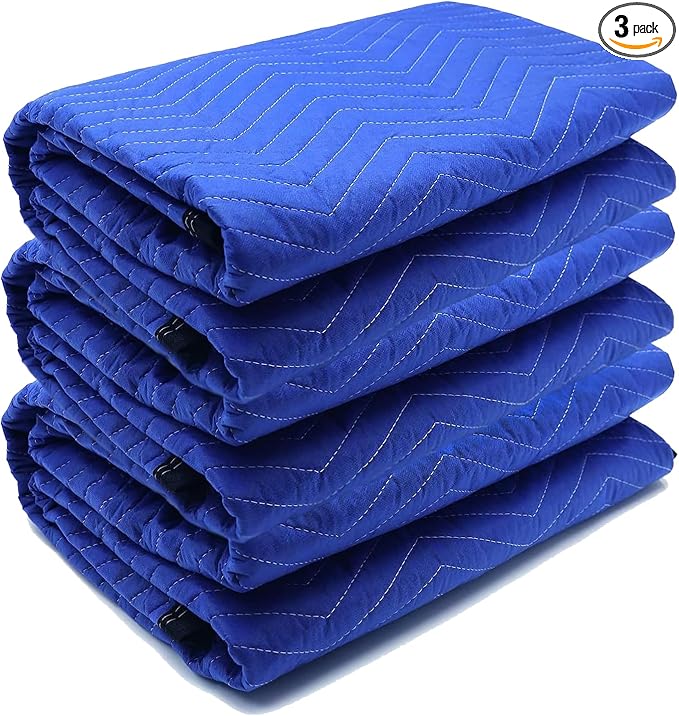
- Moving Blankets – Protect your furniture from scratches and dings. These are especially crucial for wood furniture and anything with a finish you care about.
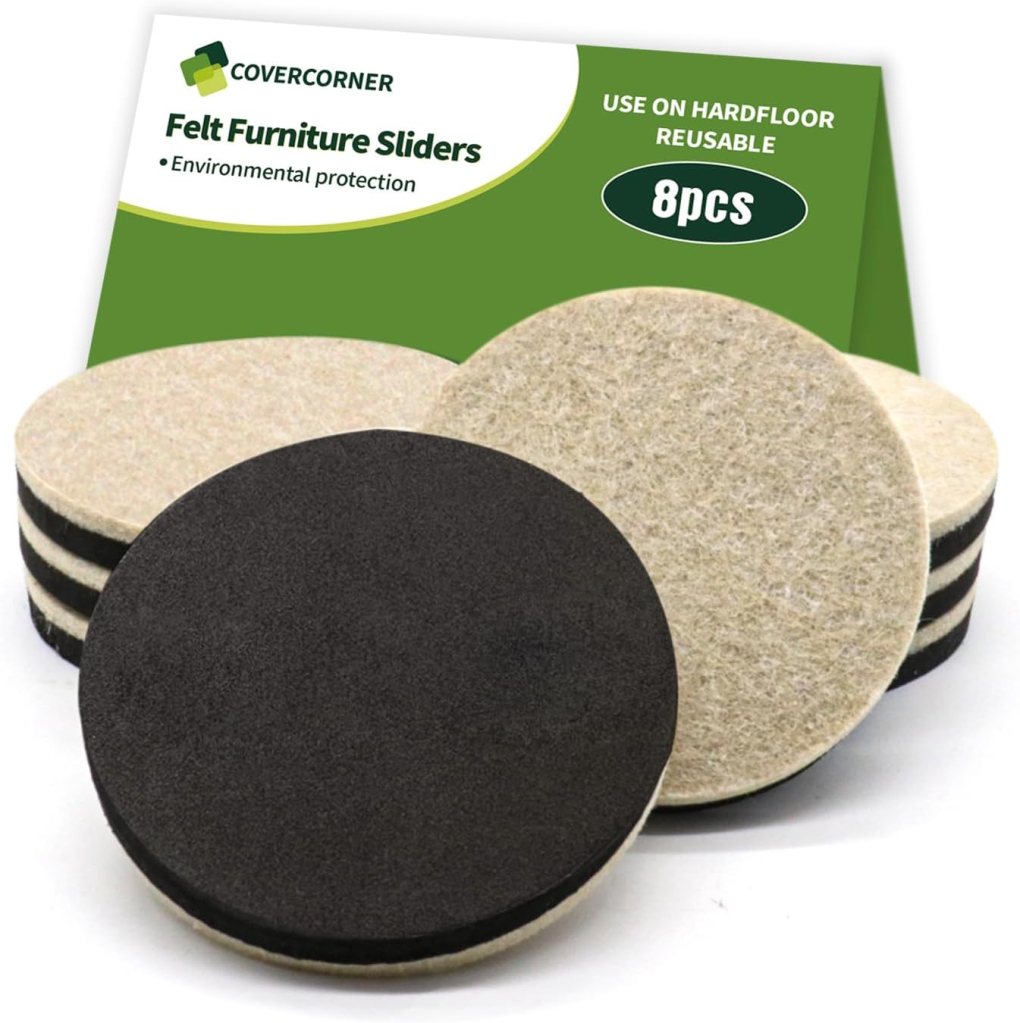
- Furniture Sliders – Save your floors and your back. These let you slide heavy furniture across rooms without lifting. Keep them afterward—you’ll use them every time you want to rearrange.
2. Cross-State Moves: The Art of Deciding What Matters
When we made our cross-state move, we faced the big question every long-distance mover confronts: what comes with us, and what stays behind?
We downsized significantly. The decision-making process was methodical: we considered the cost of each item, how useful it was, how much we could sell it for, and how valuable it would be to someone else if we gave it away. Whatever was high value in all those categories, we kept. The rest we sold if we could, and we gave a lot away.
Here’s something important I’ve learned about giving: you receive in the same way you give. That’s the universal law. When we gave away quality items to people who genuinely needed them, that generosity came back to us in unexpected ways.
The emotional impact: This type of move is harder emotionally because distance means finality. You’re not just changing addresses; you’re leaving behind a whole chapter of your life. The farther the distance, the more emotionally demanding it becomes—not necessarily physically, but emotionally. You’re severing connections, changing communities, starting over.
What you’ll need for a cross-state move:
Long-distance moves require more strategic packing because everything needs to survive a lengthy journey:
- Bubble Wrap – 175-350 Feet – Don’t underestimate how much you’ll need. I bought two rolls thinking it would be plenty, and I ran out before I finished my dishes. Get at least 350 feet for a typical household.

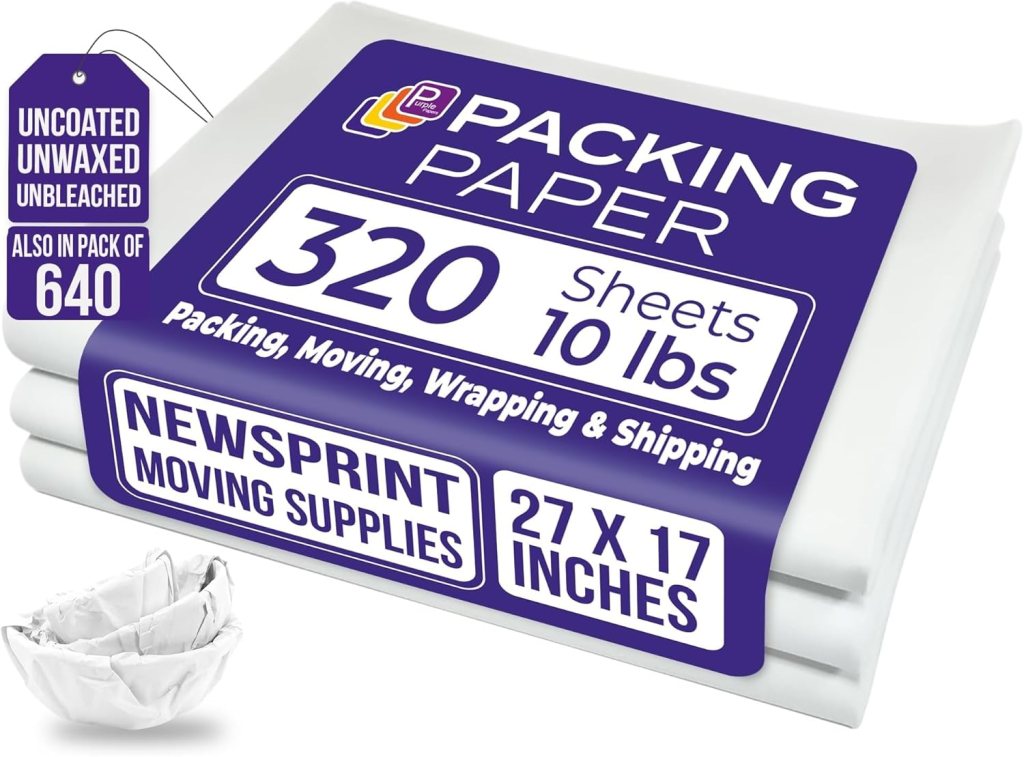
- Packing Paper – 10lb Bundle – This is different from newspaper and won’t leave ink stains on your belongings. Wrap every fragile item, every glass, every plate. A 10-pound bundle contains about 320 sheets.
- TV Box for Flat Screens – If you didn’t keep your original TV box (and who does?), get one of these. They’re specifically designed for modern flat screens and will save you from a cracked screen disaster. They come in various sizes—measure your TV before ordering.
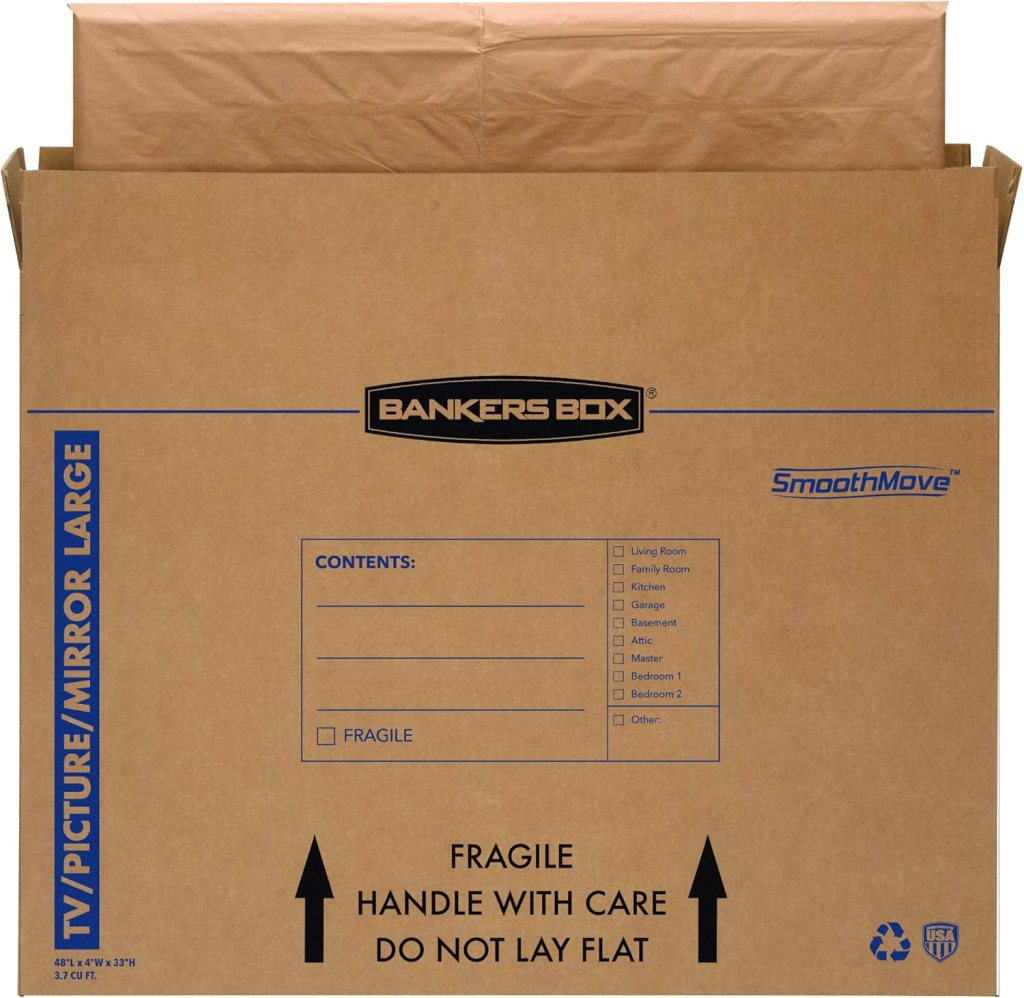
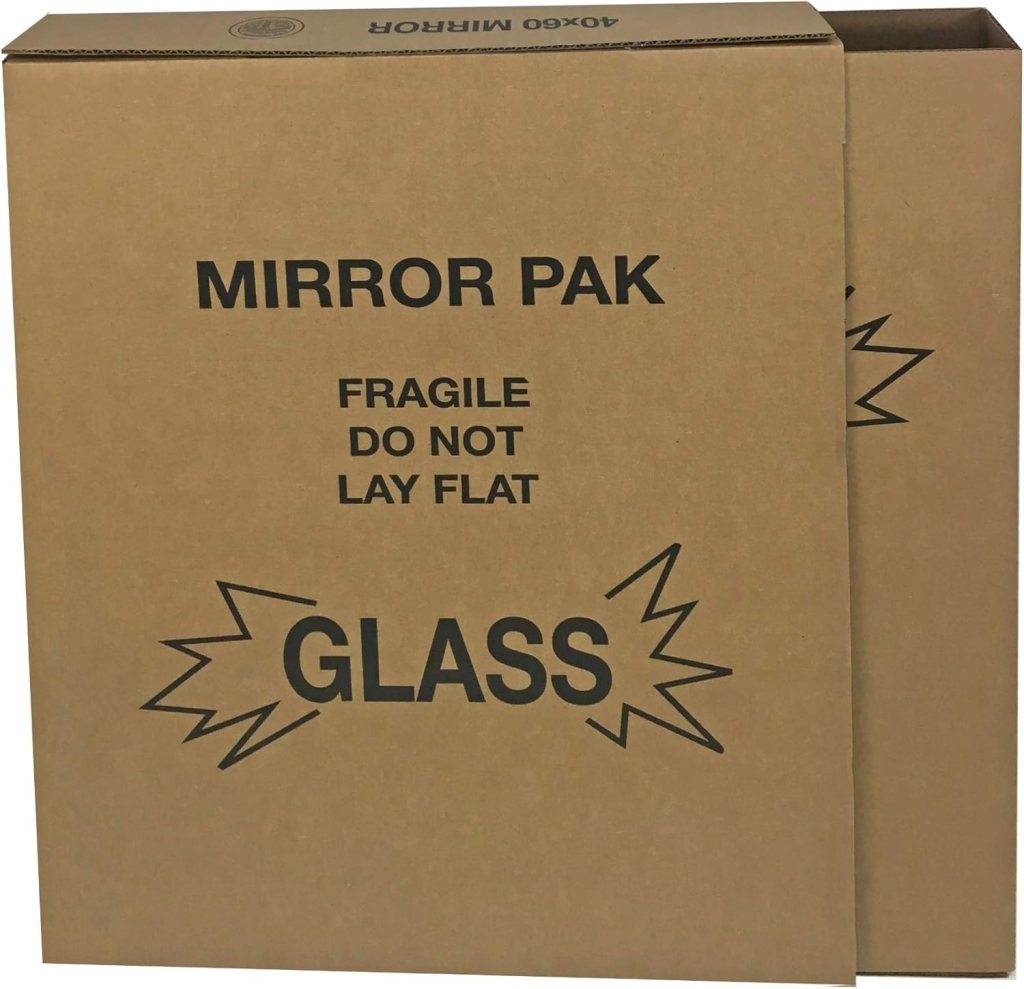
- Picture and Mirror Boxes – These telescoping boxes protect your framed art, mirrors, and photos. Don’t just wrap these items in blankets—they need rigid protection.
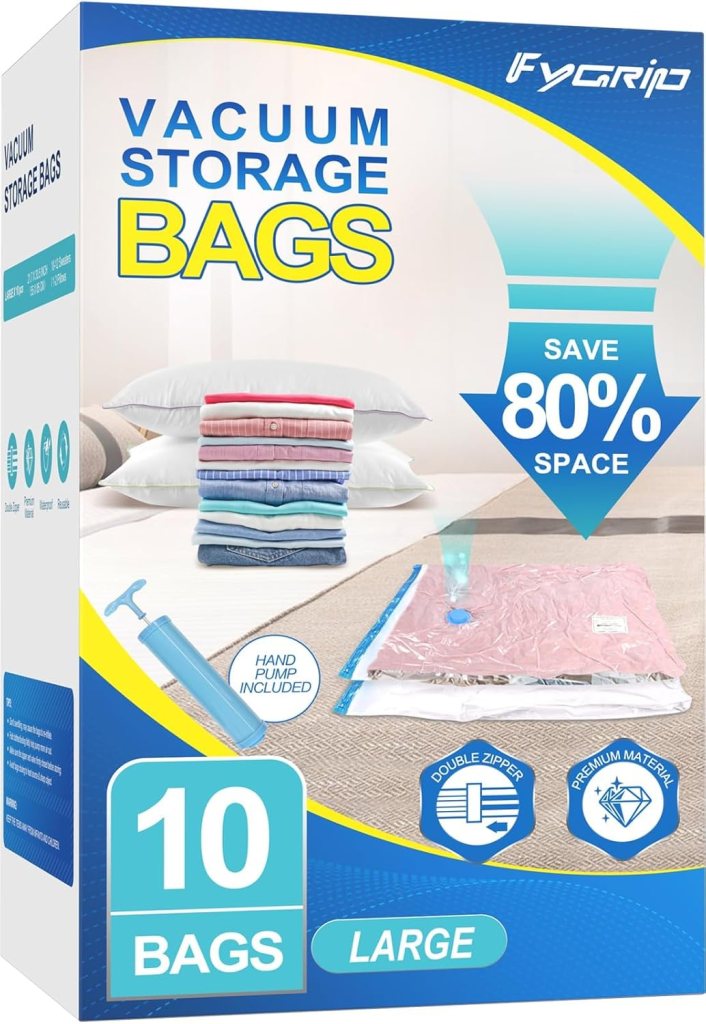
- Vacuum Storage Bags – Compress clothing, bedding, and linens to save massive amounts of space. Get a variety pack with different sizes. These can reduce the volume of soft goods by 75%.
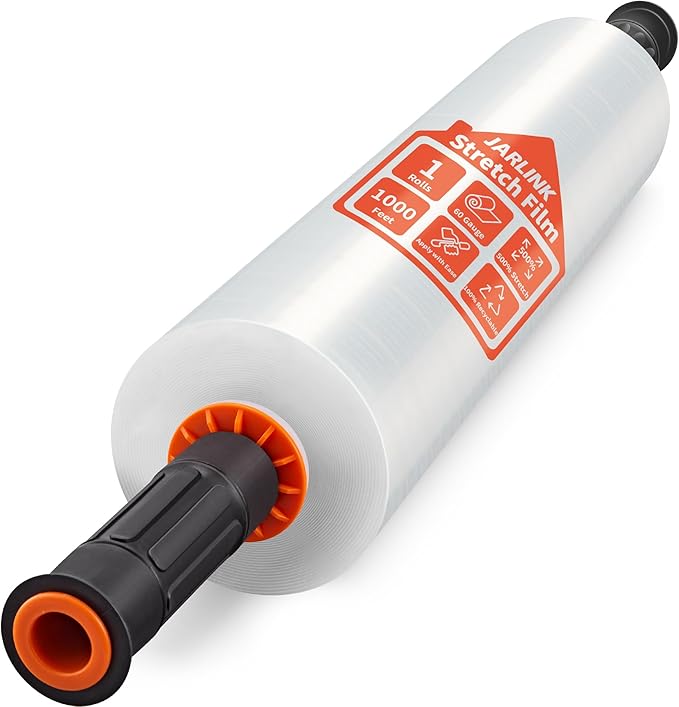
- Stretch Wrap – 1000 Feet – This stuff is magic. Wrap furniture with drawers to keep the drawers from sliding out during transport. I even leave items inside drawers and wrap the whole piece. It’s also perfect for bundling related items together.
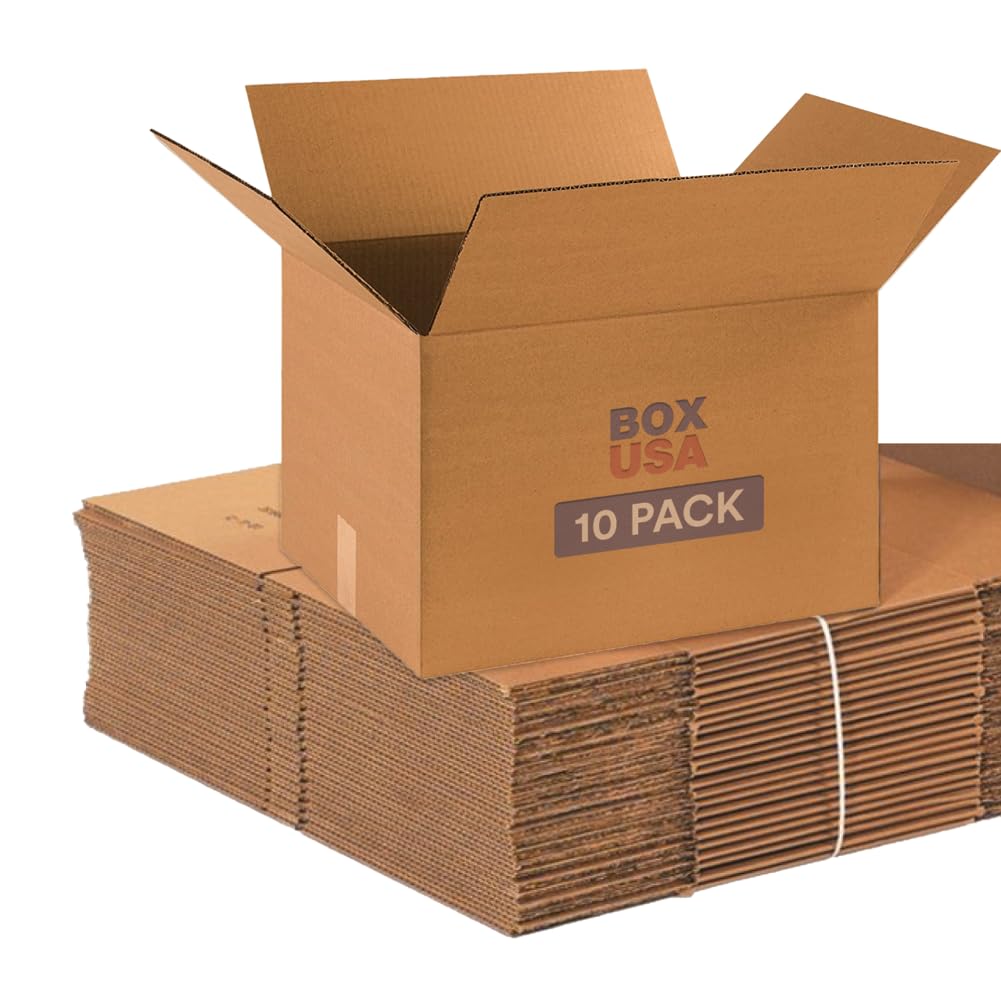
- Heavy-Duty Corrugated Moving Boxes – Variety Pack – Get multiple sizes: small for books and heavy items, medium for general household goods, and large for lightweight bulky items. For a 2-3 bedroom home, get at least 30-40 boxes total.
- Permanent Markers – Bold Tip, Multi-Pack – Label EVERYTHING. And I mean everything. Write the room name and a detailed list of contents on each box. Don’t just write “kitchen”—write “kitchen – everyday dishes, coffee mugs, utensils.” You’ll thank yourself later.

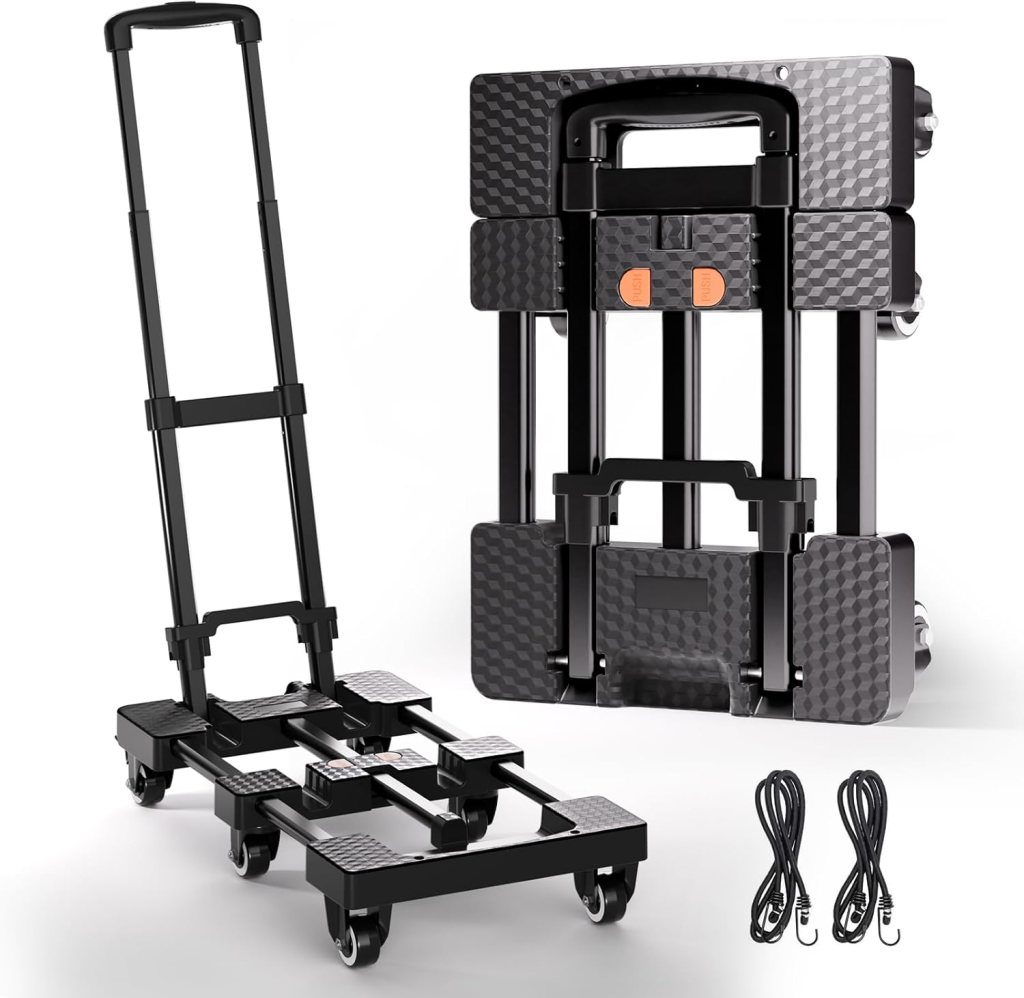
- Dolly and Hand Truck – Rent or buy. Seriously. Moving heavy items without a dolly is unnecessary punishment. If you have appliances, get an appliance dolly with a strap system.
3. International Moves: A Complete Energy Shift
Moving abroad is unlike anything else. Last year, we moved to Europe for a year, and we just got back two weeks ago. For an international move, we had to completely reimagine what we needed.
We gave away all our furniture to people who needed it. In Europe, particularly, you don’t rent from companies—you rent from people. And those apartments come fully furnished, often with everything you need to live there, from dishes to linens to appliances.
The emotional challenge: As funny as it sounds, we missed Amazon. We’re so accustomed to ordering what we need and getting it quickly. Not all European countries have Amazon, and the ones that do don’t have the same efficiency we’re used to in the US. That’s a small thing, but it’s those small conveniences you don’t realize you depend on until they’re gone.
Emotionally, moving to a vastly different culture is always challenging. You’ll love certain aspects and struggle with others. When we returned to the US, we faced a different challenge entirely: buying everything again. Starting from scratch. Again.
What you’ll need for an international move:
International moves are about smart packing and practical essentials for your transition:
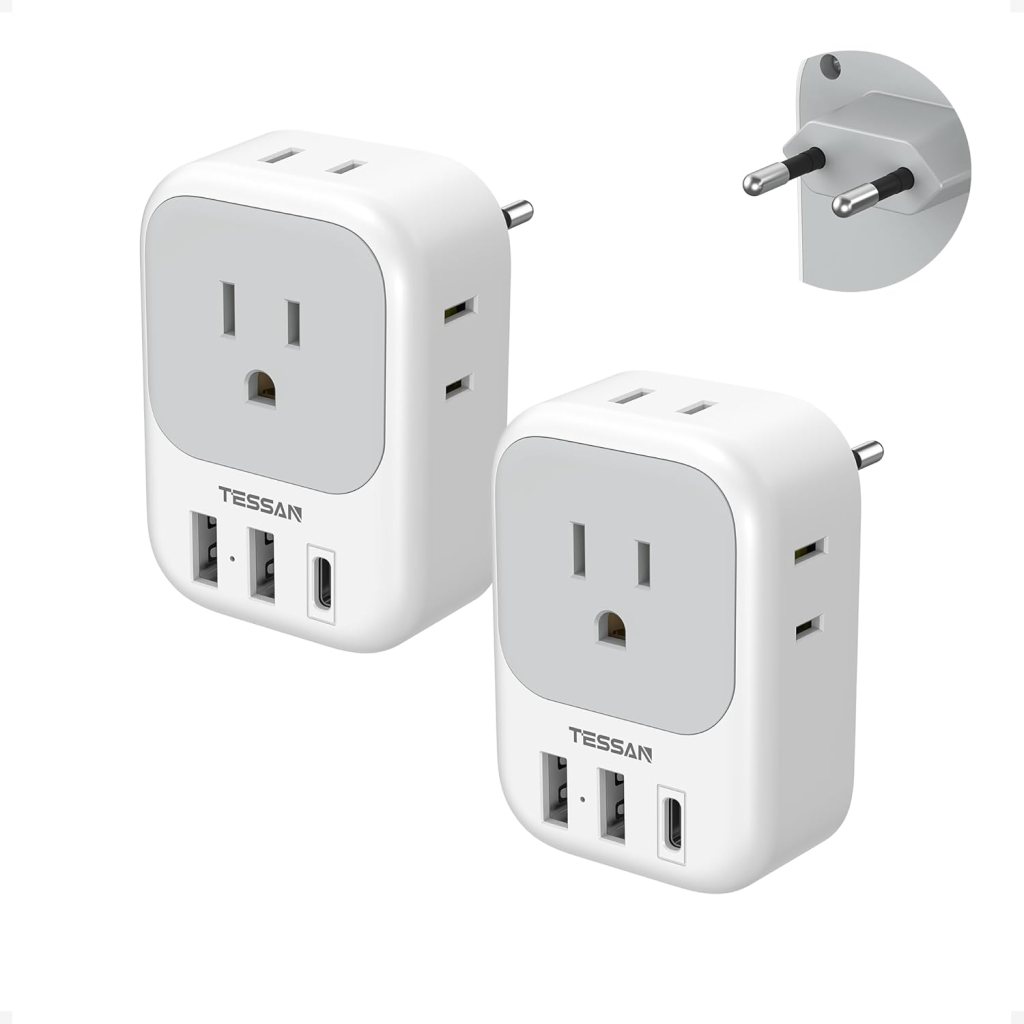
- EU Plug Adapters with USB Ports – This is NON-NEGOTIABLE if you’re moving to Europe. Get adapters that turn one European Type C outlet into multiple US outlets plus USB ports. Look for ones with 3-4 outlets and 2-3 USB ports (including USB-C). Buy at least 2-3 adapters. These work in most European countries including Spain, Italy, France, Germany, Portugal, Iceland, Netherlands, Greece, and more. NOTE: They don’t work in UK, Ireland, or Scotland—those require Type G adapters.
- International SIM Card or E-SIM Plan – Get your phone connectivity sorted before you land. This is crucial for navigation, communication, and peace of mind.

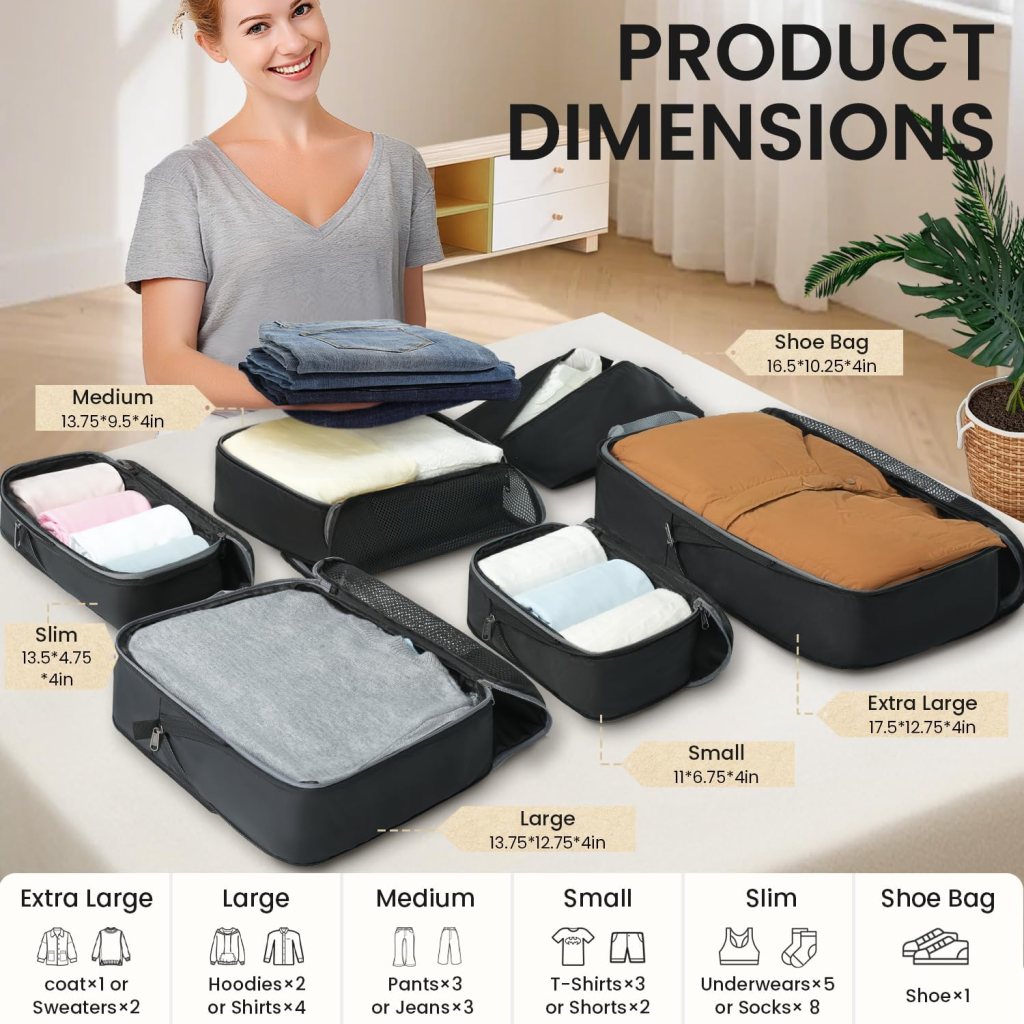
- Compression Packing Cubes – For international moves, you’re likely living out of suitcases. Packing cubes keep everything organized and maximize luggage space. Get a set with different sizes.
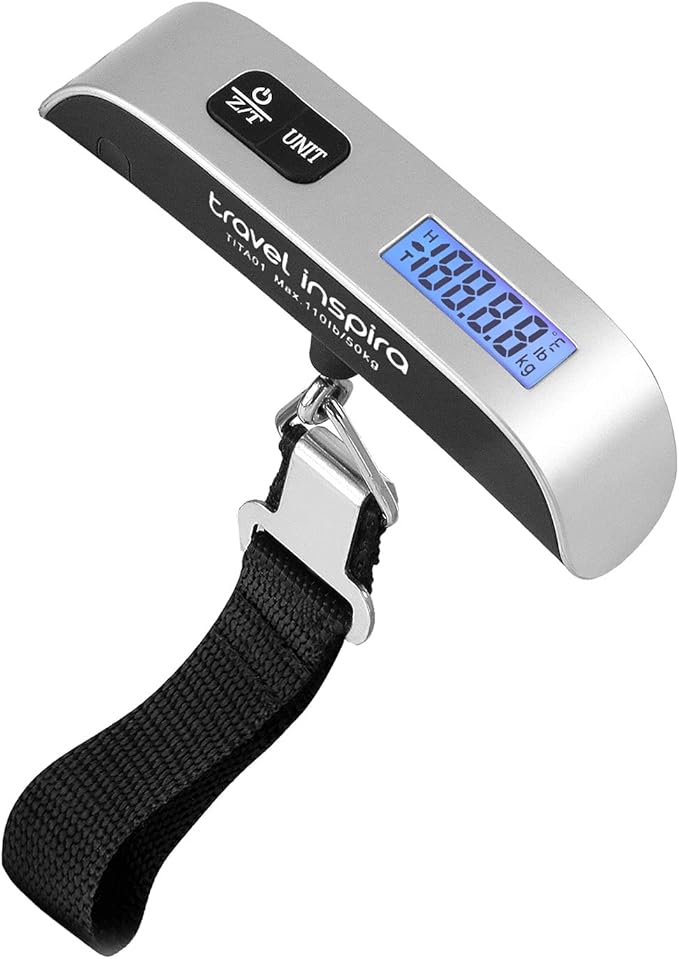
- Digital Luggage Scale – Avoid overweight baggage fees. These portable scales let you weigh your luggage before heading to the airport.
- Universal Travel Adapter (Worldwide) – If you’re moving somewhere other than Europe, get a universal adapter that covers US, UK, EU, and AU plugs. Look for ones with multiple USB ports.
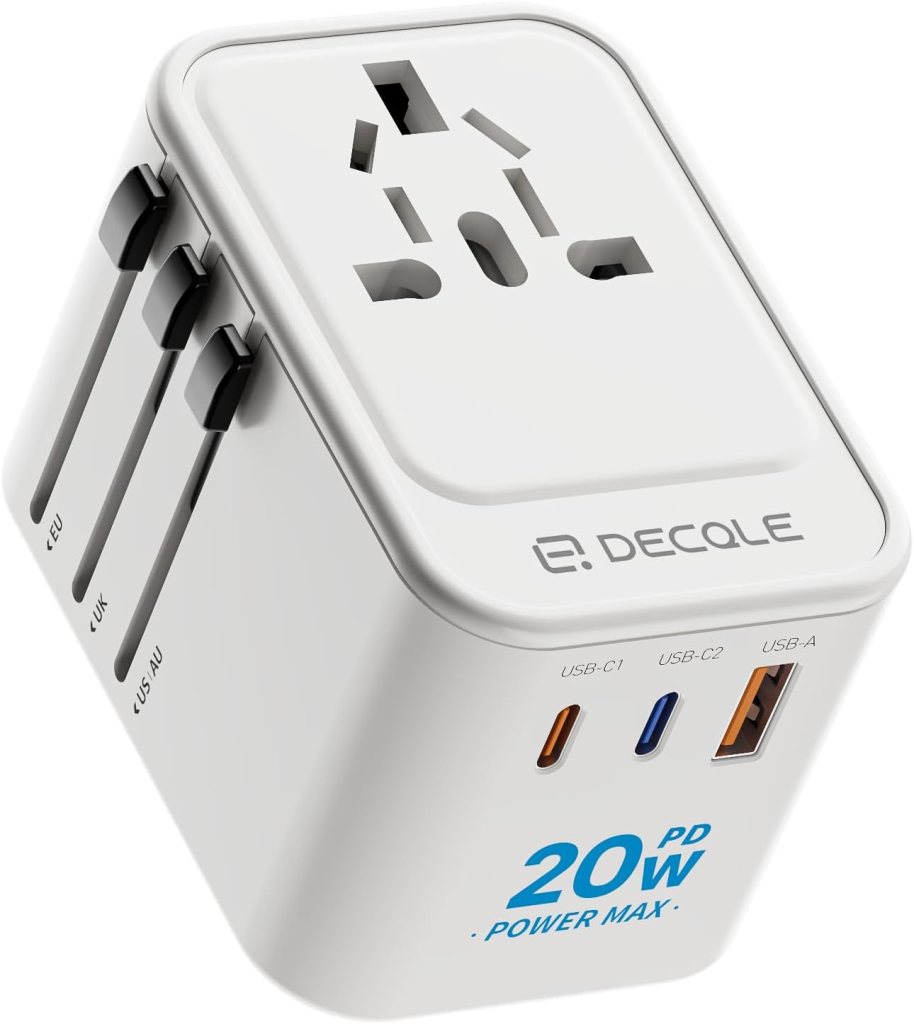
- Portable Power Bank – High Capacity – Essential during travel days and while you’re getting settled. Get one that’s at least 20,000mAh and has both USB-A and USB-C ports.
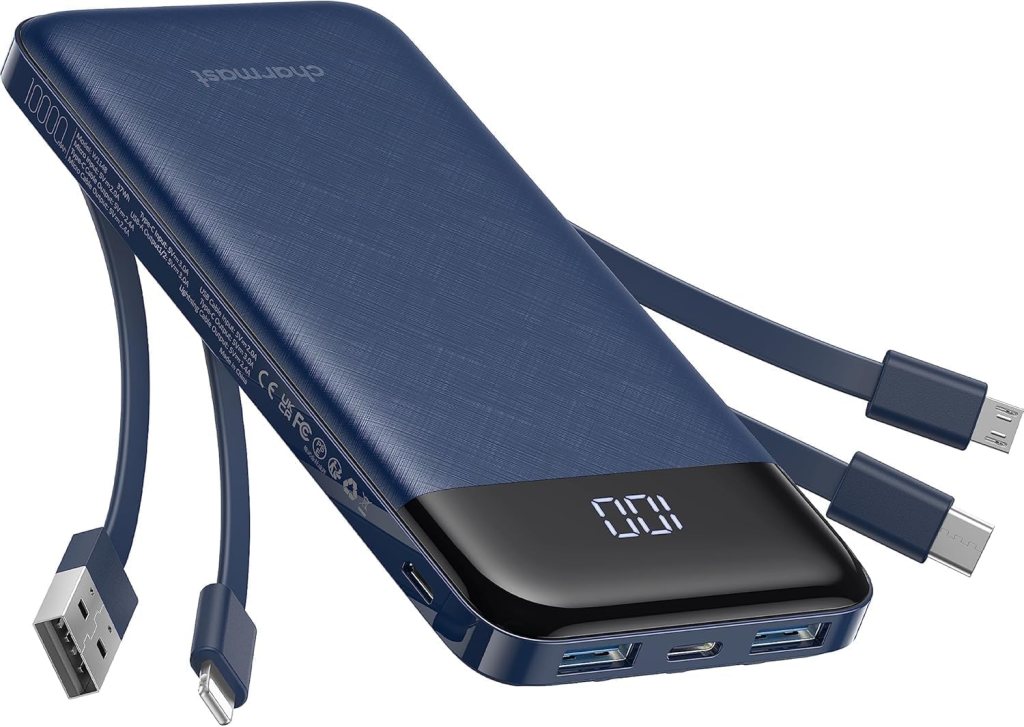
- International Voltage Converter (If Needed) – Important: plug adapters don’t convert voltage. If you’re bringing high-wattage devices like hair dryers or straighteners, check if they support 110-240V dual voltage. If not, you need a voltage converter. Most modern electronics (phones, laptops) are dual voltage, but check before you plug them in.
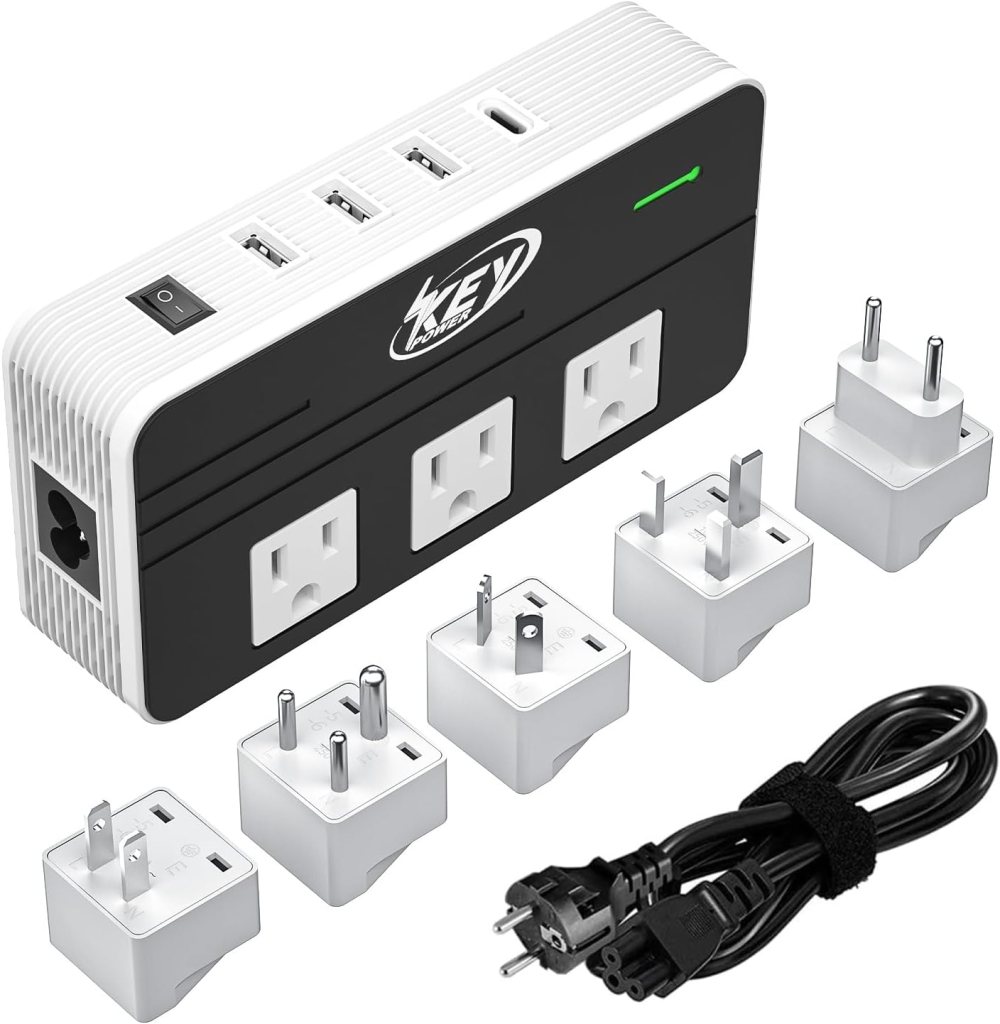
- TSA-Approved Luggage Locks – Protect your belongings during international transit. Get several—you’ll use them on multiple bags.
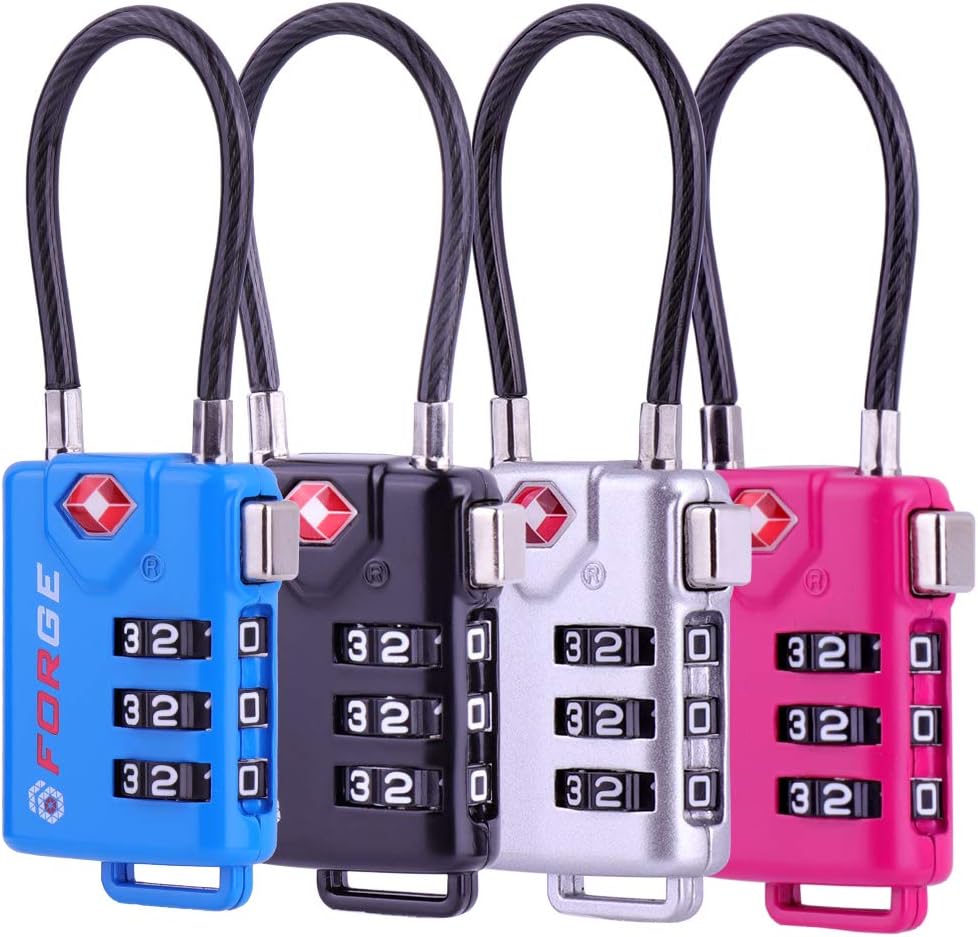
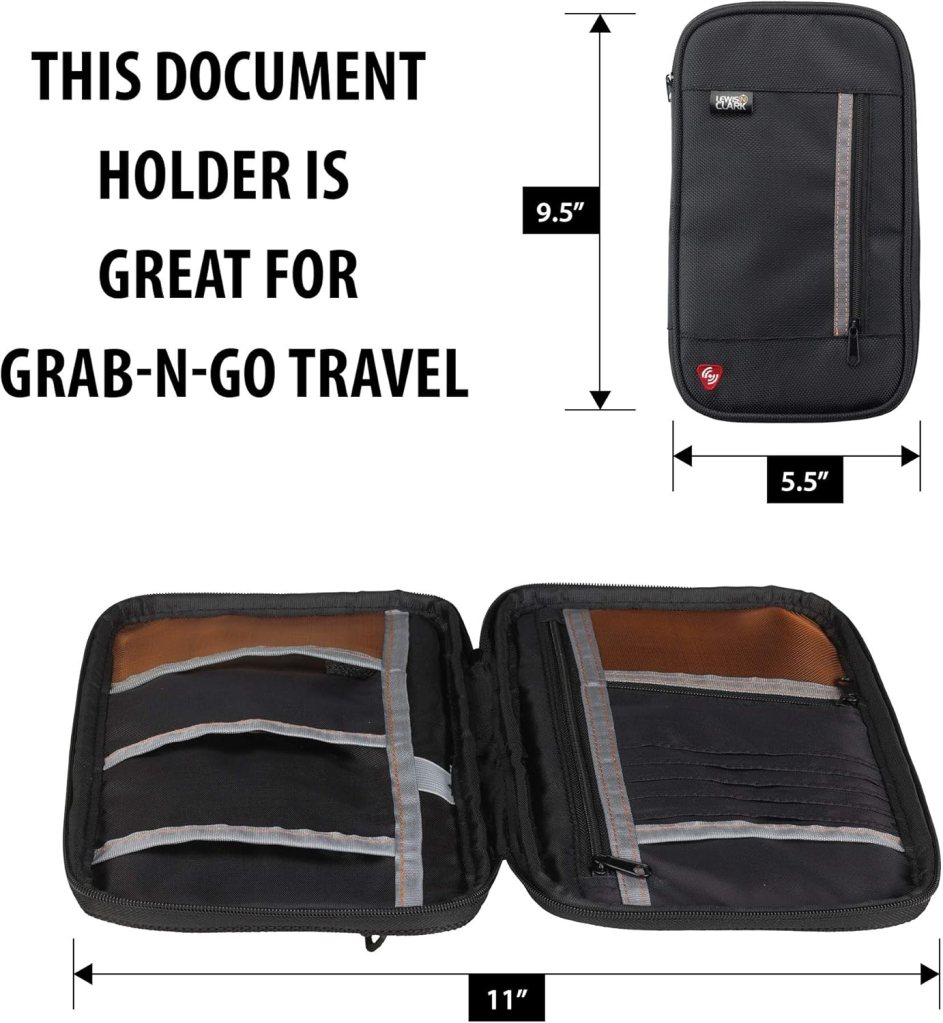
- Document Organizer with RFID Protection – Keep your passport, visa documents, travel insurance, and other critical papers safe and organized. RFID protection prevents electronic theft of your information.
Moving Checklists
Your Complete Moving Timeline: Before, During & After
Moving is overwhelming when you try to hold everything in your head at once. Break it down into these three phases, and suddenly it becomes manageable.
Before the Move: Preparation Checklist
6-8 Weeks Before:
- Research and book your moving company or rent a moving truck
- Start decluttering—go room by room and decide what’s coming with you
- Create a moving binder or digital folder for all important documents (contracts, receipts, inventory lists)
- Order packing supplies (boxes, tape, bubble wrap, markers, etc.)
- Notify your landlord if you’re renting (check your lease for required notice period)
- Start using up pantry items and freezer food—less to move or waste
- Research your new area (grocery stores, doctors, veterinarians, etc.)
4 Weeks Before:
- Confirm moving dates with your moving company or truck rental
- Start packing items you don’t use daily (off-season clothes, books, decorations)
- Label every box with room name and detailed contents
- Take photos of valuable items and electronics setups (especially cable configurations)
- Schedule utility disconnections at your old place
- Schedule utility connections at your new place
- Update your address with USPS (submit change of address form)
- If moving internationally, confirm visa requirements, passport validity, and travel documents
2 Weeks Before:
- Notify important parties of your address change (bank, credit cards, insurance, subscriptions, employer, IRS)
- Confirm moving day details with your moving company
- Pack most of your belongings, leaving only daily essentials
- Defrost freezer if moving appliances (do this at least 24 hours before)
- Arrange for childcare and pet care on moving day
- Get copies of medical and dental records, prescriptions
- Back up computer files and important digital data
- If moving internationally, notify your phone carrier and arrange international plans
1 Week Before:
- Pack your “First Day/Night Essentials Box” (keep this with you, not on the truck)
- Clean out your refrigerator and pantry
- Confirm moving day arrangements one final time
- Fill any necessary prescriptions
- Withdraw some cash for tips and unexpected expenses
- Charge all devices fully
- Take final meter readings for utilities
Moving Day Eve:
- Pack remaining items except absolute essentials for the morning
- Prepare your bed for one last sleep (or sleep on an air mattress)
- Set aside clothes for moving day
- Double-check that your essentials box is ready
- Get a good night’s sleep (seriously—you’ll need the energy)
During the Move: Day-Of Checklist
Morning:
- Eat a good breakfast (you won’t have time later)
- Do a final walkthrough of every room, closet, cabinet, and drawer
- Check behind doors, under beds, in the garage, storage areas
- Take final photos of the empty space (especially if renting—proof of condition)
- Meet the movers or pick up your rental truck
- Keep important documents, valuables, and essentials box with you at all times
Throughout Moving Day:
- Stay hydrated—keep water bottles accessible
- Direct movers or helpers clearly about what goes where
- Keep your phone charged and accessible
- Take periodic breaks—moving is physically demanding
- Do a final check of all rooms before leaving
- Lock all windows and doors
- Turn off lights, thermostat, water
- Take final meter readings
- Drop off keys as required
At Your New Place:
- Verify all your items arrived (check against your inventory)
- Direct placement of furniture before boxes pile up
- Check for any damage immediately and document it
- Test all utilities (water, electricity, gas, internet)
- Locate your essentials box immediately
- Make beds first—you’ll want them ready when exhaustion hits
- Know where your toilet paper is
After the Move: Settling In Checklist
First 24-48 Hours:
- Unpack essentials box completely
- Set up beds and bathroom necessities
- Unpack kitchen basics so you can eat
- Test all appliances
- Locate fuse box, water main shutoff, and emergency exits
- Walk around the neighborhood to orient yourself
- Find the nearest grocery store, pharmacy, gas station
- Set up wifi and essential technology
- Take care of yourself—order food if you’re too exhausted to cook
First Week:
- Unpack room by room—don’t try to do everything at once
- Register your vehicle if you moved to a new state
- Update your driver’s license if required
- Register to vote in your new location
- Find your new doctors, dentist, veterinarian
- Introduce yourself to neighbors
- Locate important services (hospital, police, fire department)
- Set up trash and recycling service if needed
- Test smoke detectors and carbon monoxide detectors
- Change locks if desired (or confirm landlord changed them)
First Month:
- Finish unpacking all remaining boxes
- Update your address with any remaining institutions
- Get familiar with local public transportation (if applicable)
- Explore your new area—find your favorite spots
- Join local community groups or online neighborhood forums
- Update your emergency contacts with your new address
- Schedule any required vehicle inspections for your new state
- If international, register with local authorities if required, open a local bank account, get a local phone number
- Properly dispose of packing materials (recycle boxes or offer them to others who are moving)
- Do something to celebrate—you survived the move!
Ongoing:
- Give yourself time to adjust—it takes weeks or even months to feel settled
- Be patient with the emotional and energetic recalibration process
- Reach out to people—building a new community takes effort
- Keep important moving documents for at least a year (receipts, inventory, contracts)
- If you stored items, schedule retrieval or decide if you actually need them
Pro Tips for Every Phase
- Take photos of everything: Your old place empty, your new place before you move in, how electronics are connected, damage to items during the move—photos are your best protection and memory aid.
- The essentials box is non-negotiable: Phone chargers, toilet paper, paper towels, basic toiletries, change of clothes, medications, important documents, snacks, water bottles, basic tools, and anything else you need to function for 24 hours without unpacking.
- Label obsessively, but smartly: Don’t just write “kitchen.” Write “kitchen – everyday dishes, coffee maker, mugs, silverware.” Your future self will thank you at 9 PM when you desperately need a coffee mug.
- Protect your energy: Moving is physically, emotionally, and energetically exhausting. Don’t schedule anything important for several days after your move. Give yourself recovery time.
- Accept help, but be specific: People often offer to help but don’t know what you need. Give specific tasks: “Can you pack my books on Saturday?” or “Can you watch my kids on moving day?”
- The 80/20 rule applies: You’ll use 20% of your items 80% of the time. Unpack that 20% first (clothes, toiletries, kitchen basics, work essentials). The rest can wait.
Remember: these checklists are guides, not rigid requirements. Every move is different. Adapt them to your specific situation, and don’t beat yourself up if you don’t check every box. The goal is progress, not perfection.
Universal Moving Essentials (No Matter What Type of Move)

Some products are essential regardless of where you’re moving or how far:
- Ziplock Bags – Variety Pack – From quart to gallon to 2.5-gallon sizes. These are perfect for hardware, small parts, junk drawer contents, cords, and anything small that could get lost. Label them with a marker.
- Cable Organizers and Ties – Wrap and label all cables before packing electronics. Nothing is more frustrating than a box full of tangled mystery cables.
- First Day/Night Essentials Box Kit – Pack this box last, load it last (so it comes off first). Include toilet paper, paper towels, basic cleaning supplies, phone chargers, a change of clothes, toiletries, medications, important documents, and snacks. Label it clearly in red: “OPEN FIRST.”
- Heavy-Duty Trash Bags – Use them for trash as you pack (moving is the perfect time to purge!), for packing soft items like pillows and stuffed animals, and for protecting items from dust and moisture.
- Tool Kit with Basics – You’ll need screwdrivers, Allen wrenches, and other tools for disassembling and reassembling furniture. Keep this with you during the move, not packed away.
- Touch-Up Paint Pens – If you’re leaving a rental, these can help cover minor wall damage and increase your chances of getting your deposit back.
The Mental Preparation Matters as Much as the Physical
Here’s what I want you to understand: although moving is stressful and takes enormous amounts of energy, good preparation makes it so much easier.
Research is crucial. Don’t wait until moving day to figure out what you need. Get supplies ahead of time. Read reviews. Order early so you’re not panicking the night before.
But also, be gentle with yourself. Moving is one of life’s most stressful events for a reason. You’re not just transporting objects—you’re transitioning between entire chapters of your life, between different energetic programs, between different versions of yourself.
Take breaks. Stay hydrated. Ask for help. And remember: the chaos is temporary. In a few weeks, you’ll be settled in, and this will all be behind you.
My Final Moving Wisdom
After all these moves, here’s what I know for certain:
- You’ll always need more supplies than you think. Whatever you think you need, double it.
- Label obsessively. Your future self will be grateful.
- Give generously. What you give comes back to you.
- Accept the energetic shift. Your body needs time to adjust to a new place. Be patient with yourself.
- Do your research. Every move has unique requirements. Don’t assume.
- Start early. Packing always takes longer than you expect.
- Keep important items with you. Don’t pack your passport, medications, or valuables in the moving truck.
Moving is hard. There’s no way around that truth. But with the right preparation, the right tools, and the right mindset, you can move through it (pun intended) with much less stress and much more grace.
Now go order those supplies, make your plan, and take a deep breath. You’ve got this.
Note: As an Amazon Associate, I earn from qualifying purchases. All products mentioned are ones I’ve personally used or researched extensively for moving purposes.
 Astra Aeternum X
Leave a comment