
• Beauty in Bio-Resonance

    I. Introduction: Beyond the Surface – Unlocking Your Inner Radiance

    What if true beauty isn’t just about what you apply to your skin, but about the very energy that animates you? In a world saturated with quick-fix creams and fleeting trends, we often overlook the profound truth that our physical appearance is an outward manifestation of our inner state. Every cell, every atom, every thought within us is a tiny symphony of vibrating energy. Our health, our vitality, and even that elusive, radiant glow we all seek are not merely skin deep; they are reflections of this intricate, internal energetic dance.

    Welcome to the fascinating realm of bio-resonance. This isn’t about magic or wishful thinking, but about understanding and consciously influencing the subtle energetic frequencies that compose our being. Bio-resonance is the practice of harmonizing these internal vibrations to promote optimal well-being, fostering a profound, natural radiance that emanates from within. This post will delve into the captivating world of bio-resonance, exploring subtle energy practices that can tune your body’s frequencies for enhanced health and an undeniable glow that truly radiates from the core of your being.

    II. The Energetic Blueprint: Understanding Your Body’s Vibrational Signature

    Imagine your body not just as a collection of organs and tissues, but as a complex, living orchestra, with each part playing its unique note. From the smallest electron to the largest organ, everything vibrates at its own optimal frequency. When these individual vibrations are coherent and harmonious, resonating in perfect sync, your body functions at its peak. This is the state of true health and vitality, where energy flows freely, and cellular processes hum with efficiency.

    However, the demands of modern life often throw this delicate symphony out of tune. We are constantly bombarded by energetic disruptors: the relentless hum of emotional tension, the subtle assault of environmental toxins, the discordant frequencies from processed foods, and perhaps most powerfully, the draining resonance of negative thought patterns. These stressors create energetic dissonance within our system, like an instrument falling out of tune. This disharmony can manifest physically in myriad ways: persistent fatigue, unexplained inflammation, a dull or lackluster complexion, and a general feeling of being “off.”

    The concept of coherence is central to bio-resonance. It posits that true health and beauty are not simply the absence of disease or flaws, but rather a state of energetic alignment where all systems—physical, emotional, mental, and spiritual—are vibrating in perfect synchronicity. When we achieve this state, our inherent self-healing mechanisms are amplified, and our natural radiance shines through effortlessly. This understanding isn’t new; ancient wisdom traditions, from Traditional Chinese Medicine with its meridians and Qi to Ayurvedic principles of balancing doshas, have long recognized the subtle energetic underpinnings of health. Bio-resonance offers a modern lens through which to re-engage with this timeless wisdom, providing practical tools to restore our energetic blueprint.

    III. Tuning In: Bio-Resonance Practices for Holistic Wellness

    To bring our internal symphony back into harmonious resonance, we can engage in specific practices designed to recalibrate our energetic field. These aren’t just feel-good activities; they are intentional methods for influencing your body’s vibrational signature.

    A. Sound Healing & Vibrational Therapy

    Sound is pure vibration, and its ability to influence our energetic state is profound. Just as a perfectly pitched note can make a glass resonate, specific frequencies can encourage our cells to return to their optimal vibrational patterns.

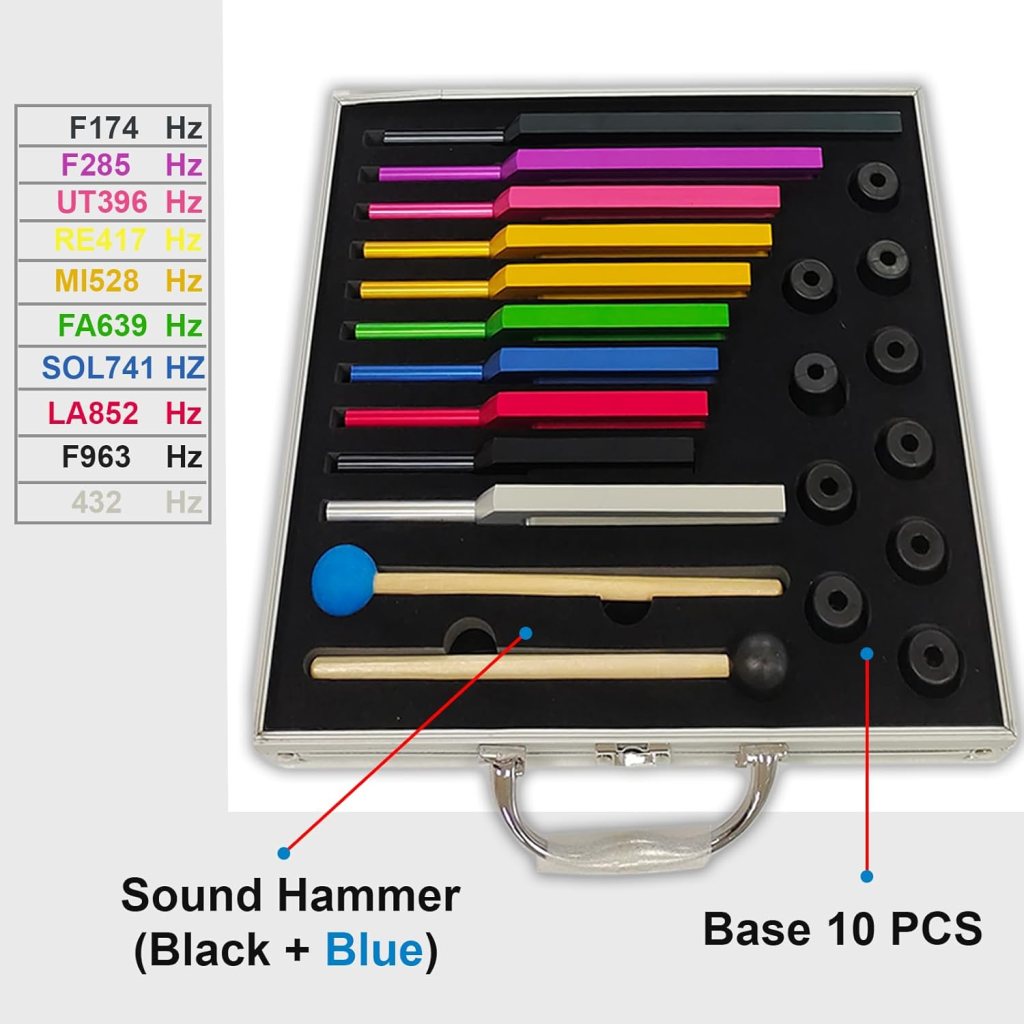
    • Tuning Forks: These deceptively simple instruments are powerful tools for energetic realignment. Calibrated to precise frequencies (such as the Solfeggio frequencies, believed to have healing properties, or specific frequencies for organ systems), tuning forks can be applied to acupuncture points, energy centers, or simply held in the energetic field around the body. Their clear, sustained vibrations encourage cellular realignment, release energetic blockages, and promote deep relaxation. Imagine a gentle, internal massage that re-tunes your entire system.
      • Recommendation: Consider a Solfeggio Frequencies Tuning Fork Set. These sets typically include forks tuned to frequencies like 528 Hz (for transformation and miracles) or 432 Hz (for deep relaxation and connection). Look for a set made from high-quality aluminum alloy for pure tone and durability. Many sets come with a mallet and a velvet pouch for easy storage and transport.
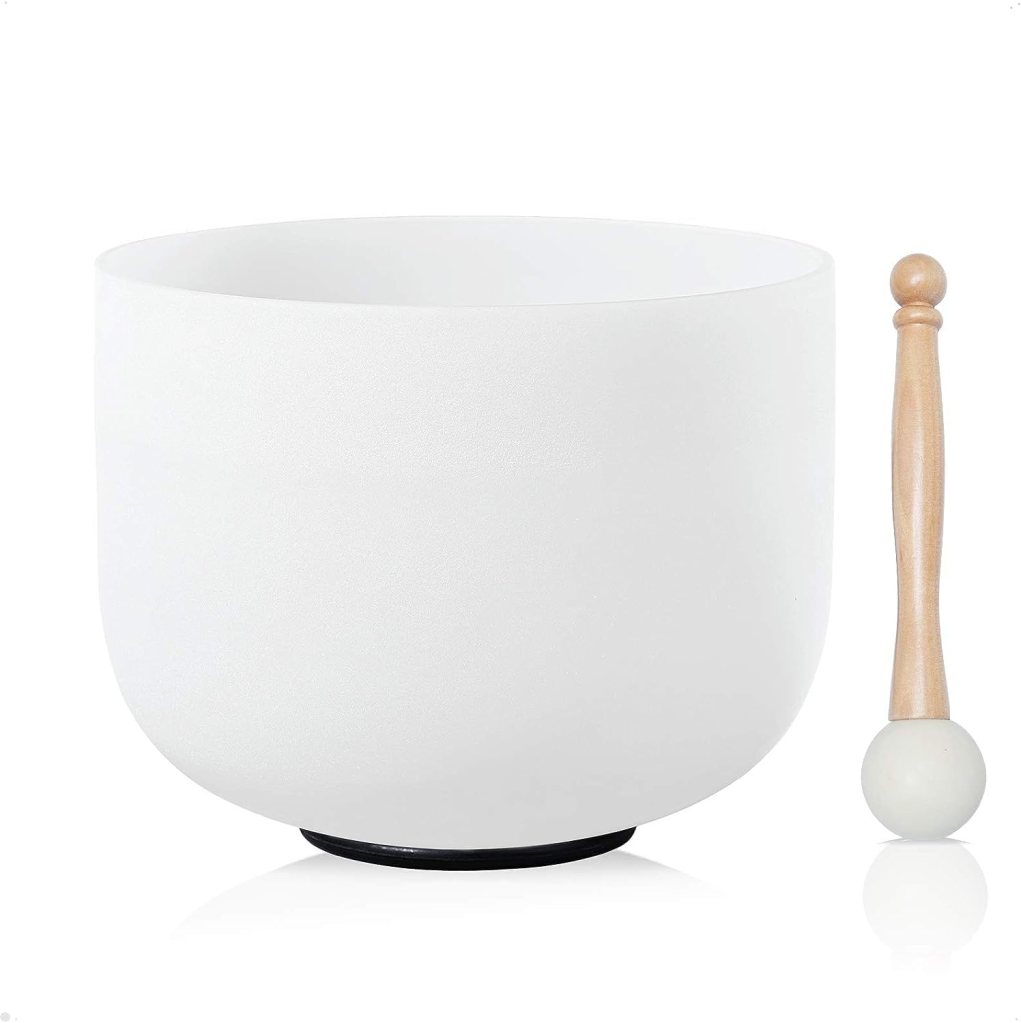
    • Singing Bowls (Crystal or Metal): The immersive, resonant vibrations produced by singing bowls are deeply therapeutic. Whether crafted from pure quartz crystal or traditional Himalayan metals, their sustained tones create a profound sonic bath that permeates every cell. These vibrations calm the nervous system, reduce stress, and effortlessly guide you into a meditative state, fostering internal harmony and a sense of profound peace. The sound literally washes over you, helping to clear energetic debris.
      • Recommendation: A beautiful Frosted Quartz Crystal Singing Bowl. Opt for a bowl tuned to a frequency known for calming and balance, such as a C note (Root Chakra) or an F note (Heart Chakra), depending on your desired energetic focus. These bowls are known for their pure, sustained tones and can be a centerpiece for your sound healing practice.
    • Binaural Beats & Solfeggio Frequencies (Audio): Beyond physical instruments, specific audio frequencies can also influence your internal state. Binaural beats, for instance, are auditory illusions created by playing two slightly different frequencies into each ear, prompting your brainwaves to synchronize with the difference. This can induce states like deep relaxation (alpha waves), meditation (theta waves), or even enhanced focus (beta waves). Similarly, listening to Solfeggio frequencies can subtly impact cellular function and emotional well-being, providing a passive yet powerful way to tune your body.

    B. Conscious Respiration & Breathwork

    The breath is not just about oxygen; it is a direct conduit for life force energy, often referred to as “prana” or “chi.” It is a powerful, accessible tool for instantly shifting your internal frequencies and releasing stagnant energy. By consciously controlling your breath, you can directly influence your nervous system, cellular oxygenation, and overall energetic flow. Techniques like coherent breathing (equal inhale and exhale), box breathing (equal inhale, hold, exhale, hold), or alternate nostril breathing can help to balance the hemispheres of the brain, calm the mind, and promote a state of energetic equilibrium, clearing blockages that might dull your inner light.

    IV. The Radiant Reflection: Bio-Resonance for Skin & Outer Glow

    The most exciting aspect of bio-resonance is its direct impact on your physical appearance, particularly your skin. When your internal frequencies are in harmony, the benefits naturally extend outward, leading to a vibrant, healthy glow that no cosmetic can truly replicate. Frequency harmony translates directly to improved cellular regeneration, enhanced circulation, increased collagen production, and reduced inflammation – all critical factors for resilient, youthful, and radiant skin.

    A. Energetic Skincare Tools

    Modern technology is beginning to catch up with ancient energetic principles, offering tools that harness specific frequencies to support skin health.

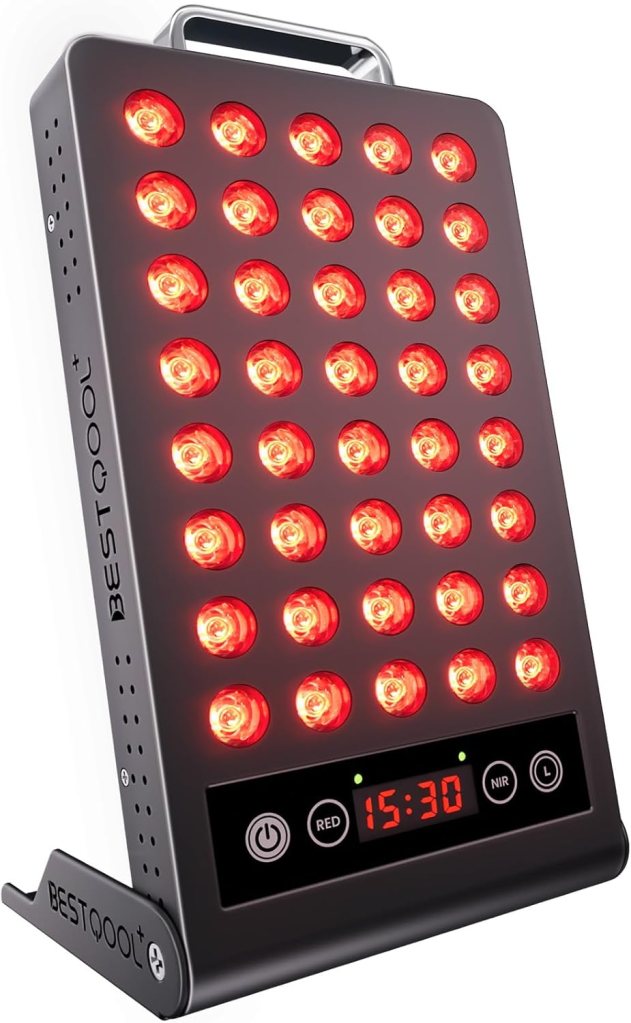
    • Red Light Therapy: This increasingly popular therapy utilizes specific wavelengths (frequencies) of red and near-infrared light. When these light frequencies penetrate the skin, they stimulate the mitochondria within your cells – the “powerhouses” that produce ATP (adenosine triphosphate), the energy currency of the cell. This boost in cellular energy promotes repair, reduces inflammation, stimulates collagen and elastin production, and improves circulation, leading to a more even tone, reduced fine lines, and an overall more youthful and radiant complexion. It’s like giving your skin cells an energetic wake-up call.
      • Recommendation: A Compact, Portable Red Light Therapy Device for home use. Look for devices that offer both red (630-660nm) and near-infrared (850nm) wavelengths for comprehensive benefits. Many handheld or mask-style options are available, making it easy to integrate into your daily routine.
    • Microcurrent Devices: These innovative tools deliver low-level electrical currents that subtly mimic the body’s natural bio-electrical currents. By gently stimulating the facial muscles and underlying tissues, microcurrent devices help to re-educate the muscles, improving tone and contour. More importantly, they enhance cellular activity, promoting ATP production and amino acid transport, which are vital for cellular repair and regeneration. The result is a non-invasive “energetic facelift” that leaves the skin looking lifted, firmed, and refreshed, with an undeniable glow.

    B. Crystal & Gemstone Energy

    Crystals and gemstones have been revered for centuries for their unique energetic properties. Each crystal vibrates at a distinct frequency, and when incorporated into beauty rituals, they can infuse subtle energetic benefits into the skin.

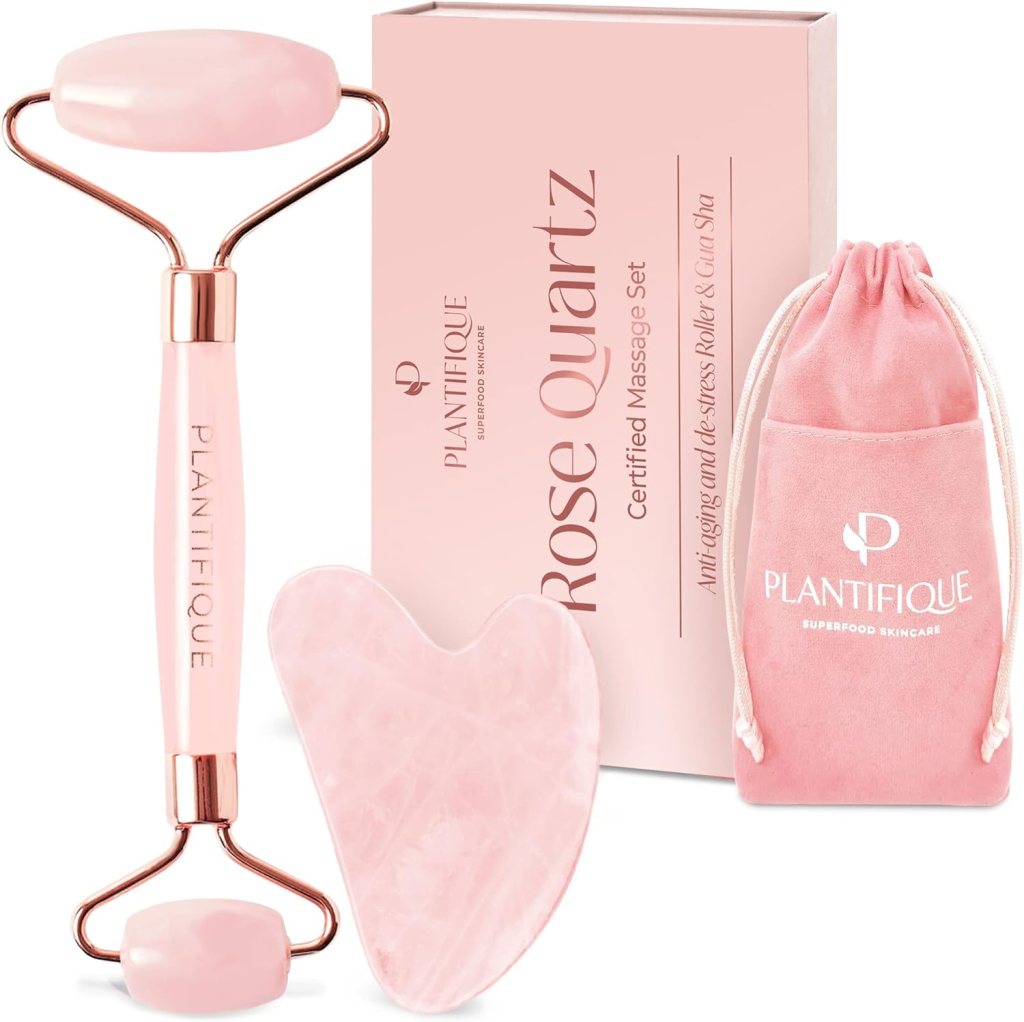
    • Facial Rollers & Gua Sha Tools: These popular beauty tools, often crafted from crystals like rose quartz or jade, offer more than just lymphatic drainage and puffiness reduction. Rose quartz, known for its gentle, loving energy, can bring a sense of calm and self-acceptance to your routine, while jade is traditionally associated with purification and balance. As you glide these tools across your skin, their inherent energetic frequencies are believed to interact with your own, promoting energetic flow, reducing tension, and encouraging a more serene and radiant complexion. It’s a beautiful way to combine physical massage with energetic intention.
      • Recommendation: A High-Quality Rose Quartz Facial Roller and Gua Sha Set. Ensure the tools are made from genuine, ethically sourced rose quartz, known for its cooling properties and association with self-love and emotional healing. The combination offers both rolling for lymphatic drainage and gua sha for deeper contouring and tension release.

    C. The Power of Intention & Visualization

    At the deepest level, the quantum aspect of bio-resonance reminds us of the profound power of our own consciousness. Focused intention, positive affirmations, and vivid visualization are not mere abstract concepts; they are powerful energetic blueprints. By consciously directing your thoughts and feelings towards vibrant health and radiant skin, you are actively participating in the creation of your physical reality. This is the “observer effect” applied to your own biology – your conscious awareness and energetic input can literally influence cellular behavior and manifestation. See yourself as luminous, and you begin to become so.

    V. Integrating Bio-Resonance into Your Daily Sanctuary

    The beauty of bio-resonance practices lies in their accessibility and adaptability. To truly unlock their potential, consistency is key. Even dedicating short, intentional periods each day can yield profound results.

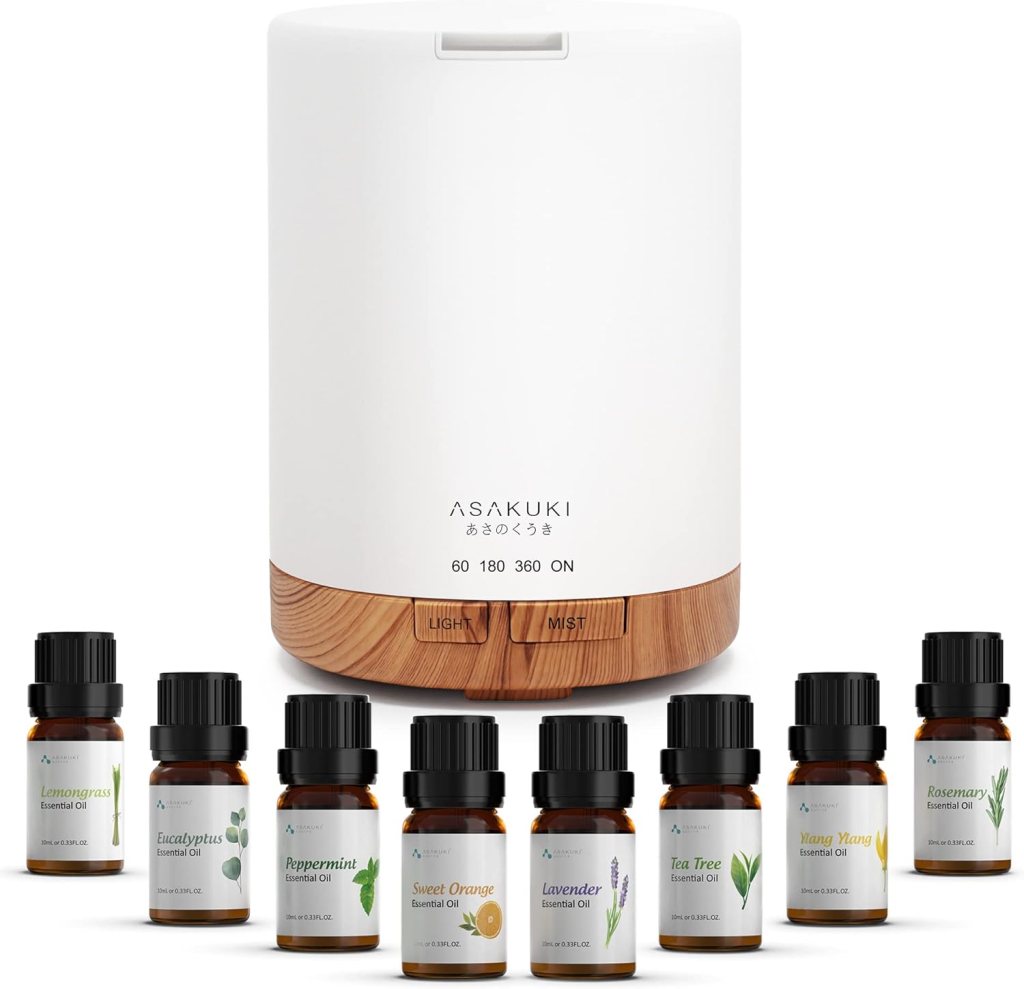
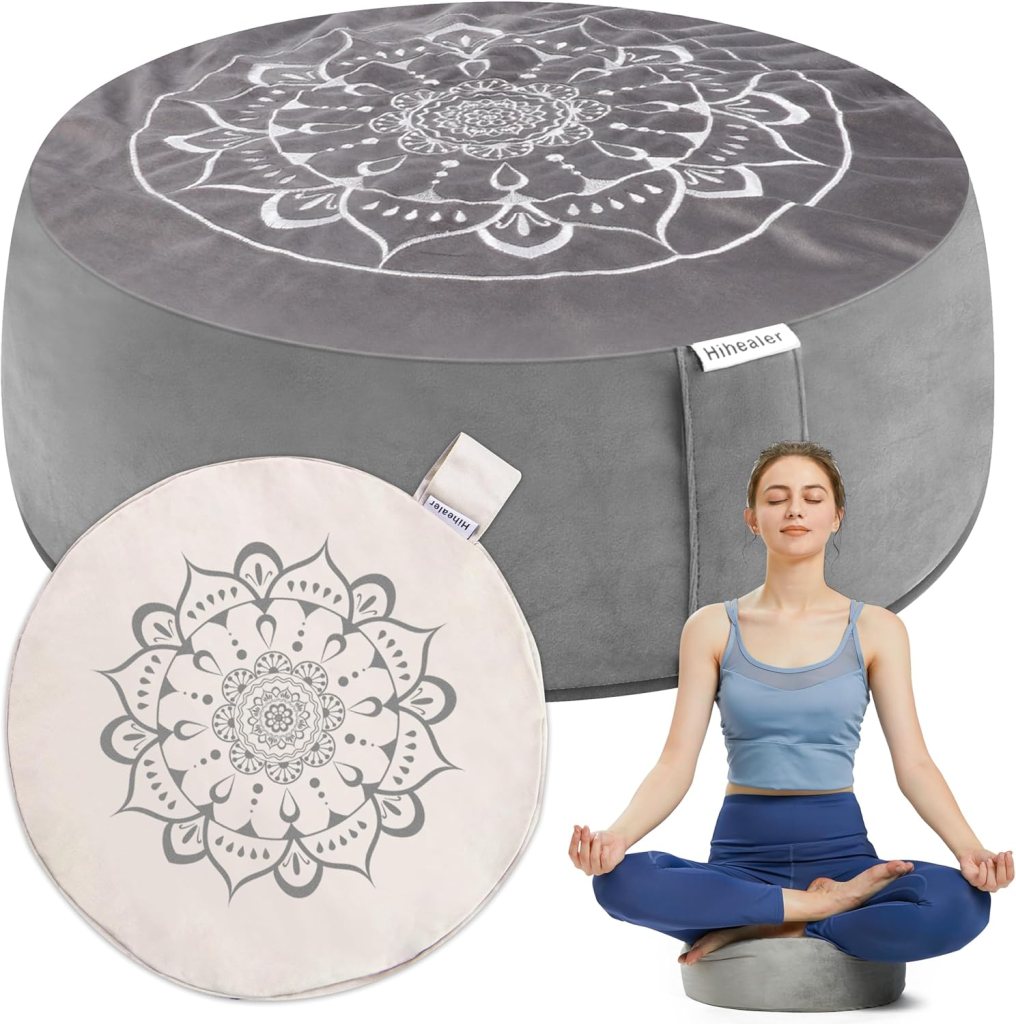
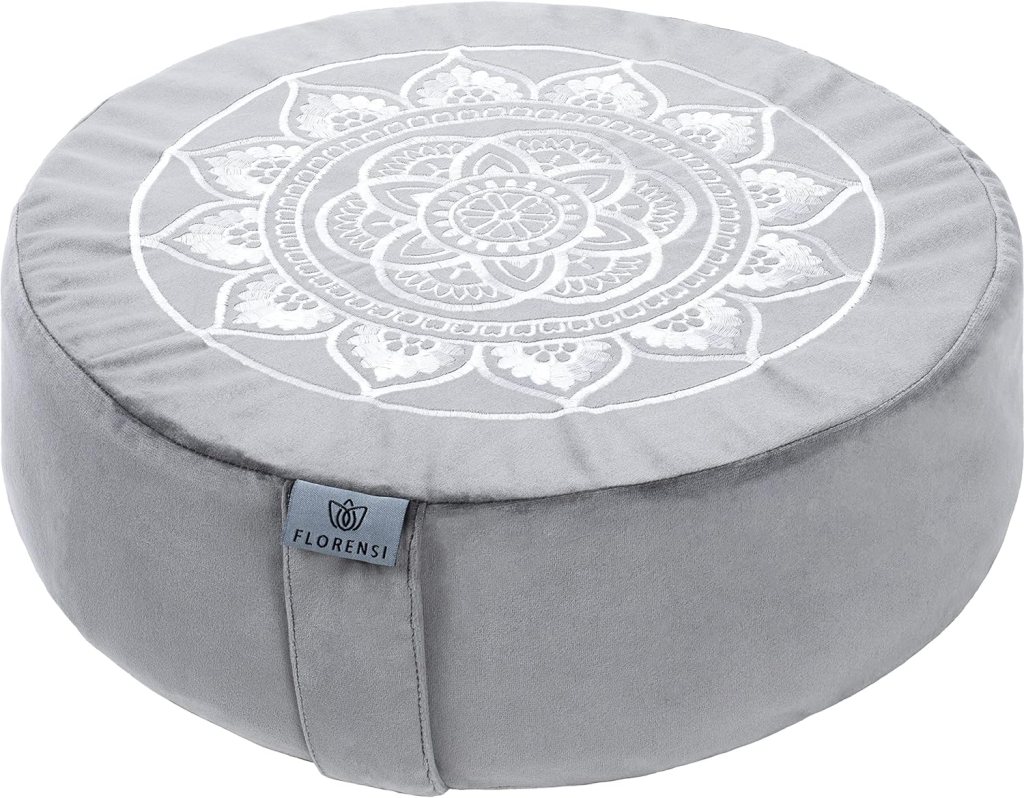
    Begin by creating your own “sacred space” – it doesn’t need to be elaborate. A quiet corner, a comfortable cushion, perhaps some calming scents from an essential oil diffuser, or soft, ambient music can transform a simple room into a personal sanctuary where you can truly tune in. This dedicated space signals to your mind and body that it’s time to shift into a state of energetic alignment.

    Most importantly, listen to your body. Your energetic needs are unique and may fluctuate. Experiment with different practices – perhaps some days you crave the deep resonance of a singing bowl, while others call for invigorating breathwork or the soothing touch of a crystal roller. Tune into your own unique energetic signature and discover which practices resonate most deeply with you, allowing your intuition to guide your journey.

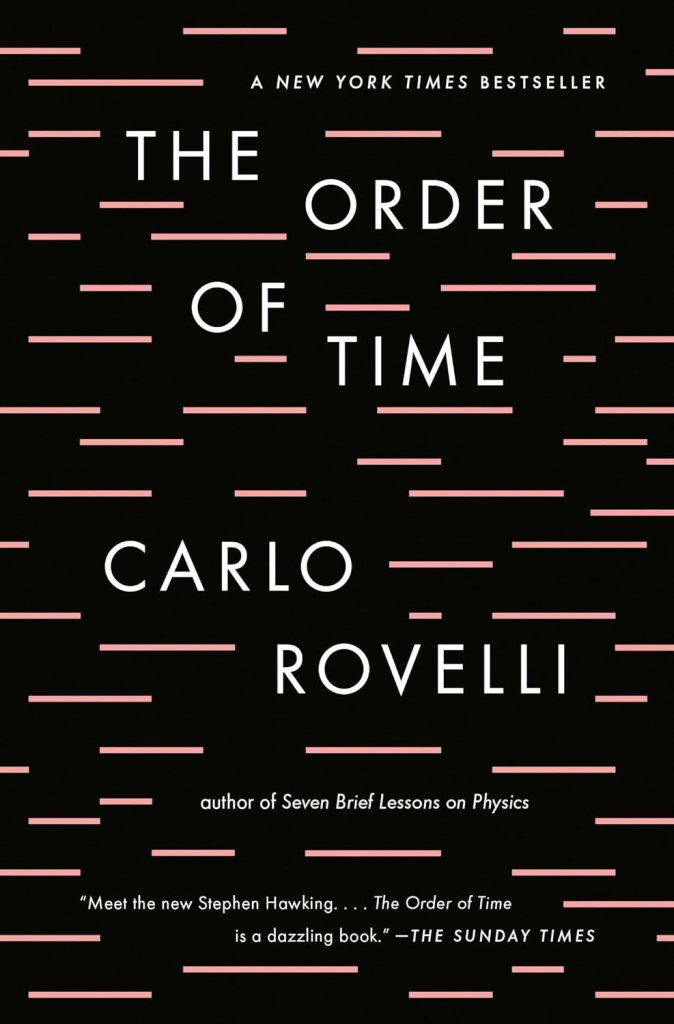
    • Recommendation: A highly-rated book that delves deeper into the principles of energy healing, sound therapy, or a guided meditation album specifically focused on frequency and wellness. For example, “The Book of Chakra Healing” by Liz Simpson or a guided meditation series by a renowned sound healer can provide further insights and practical exercises to deepen your understanding and practice.

    VI. Conclusion: Your Journey to Luminous Being

    True beauty, as we’ve explored, is not a superficial veneer but an emanation of inner energetic harmony. By consciously engaging with the principles of bio-resonance – understanding your body’s vibrational signature and employing subtle energy practices – you unlock a profound level of health and a natural, undeniable glow that radiates from your very essence.

    This journey is an invitation to see your wellness and beauty routines not as chores or external fixes, but as powerful, intentional acts of self-love and energetic alignment. Embrace the understanding that you are a magnificent, vibrating being, capable of influencing your own radiance from the inside out. Step into the limitless potential of tuning into your own energetic essence, and embark on a life of vibrant health and truly luminous beauty.

  • The Silent Language of Spaces

    Our homes are far more than mere shelters from the elements; they are the intimate stages upon which the drama of our daily lives unfolds. From the moment we wake until we drift to sleep, our physical surroundings exert a profound, often subconscious, influence on our inner world. This influence extends beyond simple aesthetics, reaching deep into the realms of our mental and physical health. The intentionality with which we curate our personal spaces, from the foundational practice of maintaining cleanliness to the nuanced art of decoration, speaks a silent language that continuously molds our mood, productivity, and overall sense of peace.


    The Unseen Architecture of Wellbeing: The Foundational Impact of Cleanliness

    At the very bedrock of a harmonious home environment lies cleanliness. It is the unsung hero of wellbeing, frequently dismissed as a chore but undeniably crucial for both our psychological and physiological states. Imagine stepping into a cluttered room: stacks of papers, misplaced items, dust motes dancing in the sunlight. This visual chaos isn’t just unsightly; it’s a constant assault on our cognitive processing. Our brains are wired to seek order, and when confronted with disarray, they expend precious mental energy attempting to organize the perceived mess. This can lead to what psychologists term “decision fatigue” and a persistent sense of being overwhelmed, contributing directly to heightened levels of stress and anxiety. A clean, organized space, by contrast, offers a visual respite, allowing our minds to settle, focus, and find a sense of calm. The very act of cleaning can be meditative, a tangible way to assert control over one’s environment, which in turn fosters a powerful sense of accomplishment and mastery, reducing feelings of helplessness.

    Beyond the undeniable psychological benefits, the physical health implications of cleanliness are equally profound. Our homes, if not properly maintained, can become breeding grounds for a myriad of unseen threats. Dust, for instance, isn’t just inert particles; it’s a complex mixture of pet dander, pollen, mold spores, dead skin cells, and microscopic dust mites – all potent allergens. Regular cleaning significantly reduces these airborne irritants, offering immense relief to individuals suffering from allergies, asthma, and other respiratory conditions. Furthermore, accumulated grime and stagnant air can harbor bacteria and viruses, compromising indoor air quality and increasing susceptibility to illness. A clean environment means healthier air for our lungs, fewer pathogens on surfaces, and ultimately, a more robust immune system for everyone residing within.

    In our increasingly fast-paced lives, the commitment to consistent cleaning often feels like an insurmountable burden. Whether it’s a genuine dislike for the chore itself, or simply a pervasive lack of time, the dust bunnies gather and clutter mounts, subtly chipping away at our peace of mind. This is precisely where modern technological advancements offer a welcome reprieve. Automated vacuum cleaners have revolutionized household maintenance, providing an effortless and highly efficient solution to keeping floors immaculately clean with minimal human intervention. These intelligent devices can be programmed to operate on a schedule, navigating around furniture and obstacles to tirelessly collect dust, dirt, and pet hair. This not only ensures a consistently clean aesthetic that visually calms our space but also continuously removes allergens and pollutants, contributing significantly to a healthier indoor climate and, by extension, a healthier you.

    For instance, the iRobot Roomba Combo j7+ Self-Emptying Robot Vacuum & Mop offers advanced, hands-free cleaning, making it an excellent choice for busy households with pets or varied flooring, effortlessly managing both vacuuming and mopping. Alternatively, for those seeking a comprehensive and powerful cleaning solution for diverse surfaces and robust stain removal, the Roborock S8 Pro Ultra Robot Vacuum and Mop Combo stands as another top-tier option, providing exceptional performance with minimal upkeep. Investing in such tools frees up invaluable time and energy, allowing you to focus on other aspects of your wellbeing, or simply to enjoy a cleaner, healthier home without the constant chore.


    The Psychology of Space: How Decoration Defines Our Wellbeing

    Once the canvas of our home is clean and orderly, the next layer of influence comes through decoration. This is where our environments transcend mere functionality and begin to resonate with our innermost selves. Decoration is not just about filling space; it is a powerful form of self-expression, a tangible manifestation of our personality, values, and even our aspirations. The colors we choose for our walls, the textures of our furnishings, the art we hang, and the personal mementos we display—each element contributes to the overarching atmosphere and, consequently, to our emotional state.

    A thoughtfully decorated home acts as a psychological anchor, fostering feelings of security, comfort, and belonging. When we surround ourselves with objects that hold meaning—be it photographs of loved ones, artwork that inspires, or souvenirs from cherished travels—these elements evoke positive memories and reinforce our sense of identity. This personalization transforms a generic house into a truly unique sanctuary, a place where we feel deeply rooted and authentically ourselves. This sense of authenticity is crucial for mental wellbeing, as it reduces cognitive dissonance and promotes a feeling of alignment between our internal state and external surroundings.

    The very principles of design are intricately linked to our psychological responses. Color psychology, for instance, teaches us that hues can profoundly impact our mood. Blues and greens often evoke feelings of calm, tranquility, and nature, making them ideal for bedrooms and bathrooms. Yellows and oranges, conversely, can stimulate feelings of energy, warmth, and creativity, making them suitable for social spaces. Similarly, lighting plays a pivotal role. Natural light exposure is vital for regulating our circadian rhythms, impacting sleep quality, mood, and even cognitive function. Maximizing natural light, or strategically employing various types of artificial lighting—ambient, task, and accent—can significantly alter a room’s emotional tenor, creating spaces for relaxation, focus, or lively social interaction. A well-lit room feels more spacious and inviting, reducing feelings of confinement or gloom.

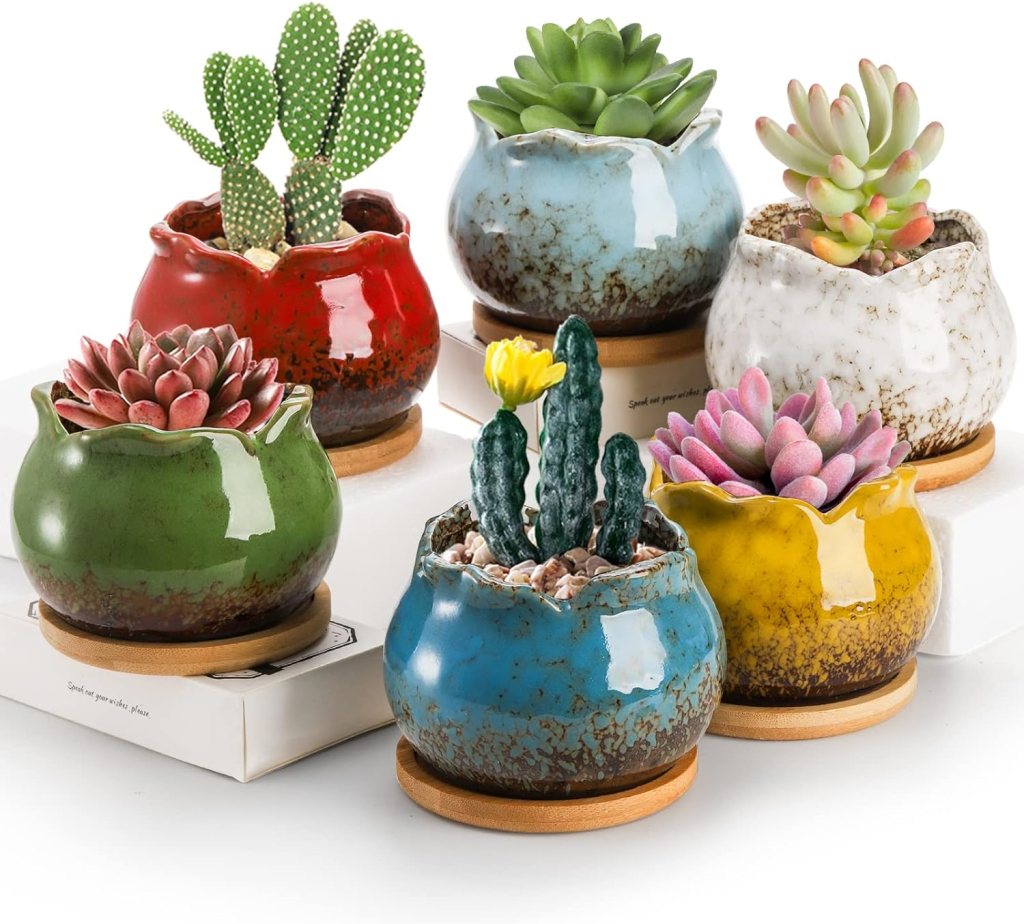
    The concept of biophilic design, which emphasizes incorporating natural elements, is gaining significant traction for its proven benefits to wellbeing. Bringing plants indoors, utilizing natural materials like wood, stone, and cotton, and even ensuring clear views of nature outside, can reduce stress, improve air quality, and foster a deeper connection to the natural world, even within urban environments. Studies consistently demonstrate that exposure to nature, even indirectly, can lower blood pressure, reduce muscle tension, and improve cognitive performance. Consider adding a Costa Farms Fiddle Leaf Fig Tree, Ficus Lyrata Live Indoor Plant Leaf Fig Tree for a dramatic natural statement, or a Set of 6 Succulent Plant Pots, 4 Inch Glazed Ceramic Pots with Drainage and Saucer for easy-care green accents that clean the air.

    Conversely, a neglected or poorly conceived decorative scheme can have detrimental effects. Cluttered decor, discordant color palettes, or a stark lack of personal touches can contribute to feelings of unease, detachment, and even a pervasive sense of anxiety. It is not about adhering to fleeting trends or investing exorbitant amounts; rather, it’s about cultivating an environment that resonates personally, supports emotional needs, and reflects a sense of intentionality. Functionality also plays a crucial role; furniture arrangement that impedes flow or creates awkward spaces can subtly increase frustration and decrease comfort. A well-arranged room allows for ease of movement and fosters a sense of effortless living.


    Curating Comfort: Intentional Items for a Wellbeing-Boosting Home

    Transforming a dwelling into a true haven for wellbeing is an ongoing journey, and even thoughtful, incremental additions can yield significant improvements. Here are several categories of items that can assist in making your space feel more like a supportive, comforting, and nurturing home:

    • Tactile Textiles for Sensory Comfort: The power of touch in promoting relaxation cannot be overstated. Incorporating soft, inviting textiles throughout your home adds layers of sensory comfort, inviting relaxation and promoting a profound sense of security. Imagine sinking into a sofa adorned with plush velvet cushions or wrapping yourself in a luxuriant throw on a chilly evening. These elements create a physical invitation to unwind. An Ultra-Soft Faux Fur Throw Blanket draped over your couch or bed can instantly elevate the cozy quotient of any room, making it feel more inviting and comfortable for rest and rejuvenation. Similarly, a high-pile Fluffy Area Rug can transform a hard floor into a soft landing, adding warmth and cushioning underfoot.
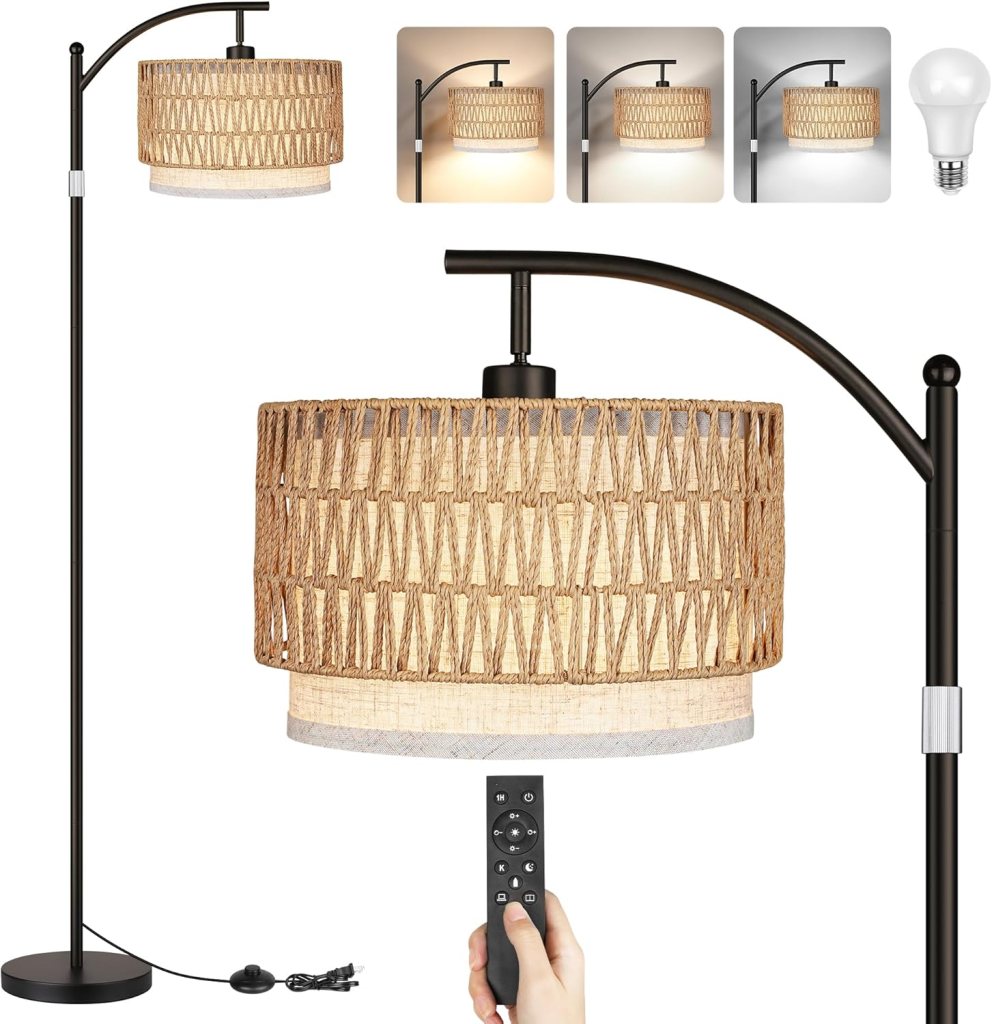
    • Harmonious Ambient Lighting: The quality of light in a room can dramatically influence its atmosphere and our mood. Harsh, bright overhead lighting can feel sterile and unwelcoming, contributing to eye strain and potentially disrupting natural sleep cycles. Moving towards a more layered lighting scheme, incorporating various light sources at different heights, allows for greater flexibility and control over the ambiance. Table lamps, floor lamps, and even smart bulbs with adjustable color temperatures enable you to create softer, warmer light that promotes relaxation and intimacy. A Rattan Floor Lamps for Living Room, (Boho Standing Lamp with Rattan& Linen Double Shades) can provide a warm glow that is perfect for evening relaxation, while strategically placed accent lights can highlight artwork or architectural features, adding depth and interest to a room.
    Rattan Floor Lamps for Living Room
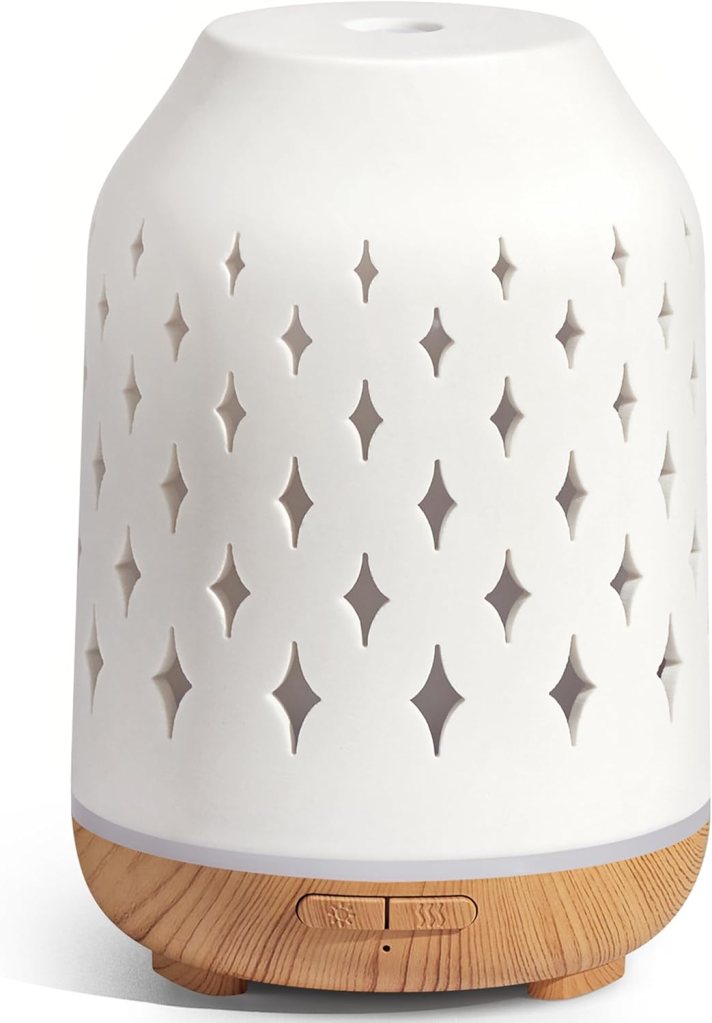
    • Aromatherapy for Atmospheric Enhancement: Scent has an incredible, direct link to our limbic system, the part of the brain responsible for emotion and memory. Harnessing the power of aromatherapy can profoundly impact the emotional tone of your home. Essential oil diffusers can disperse calming scents like lavender and chamomile for relaxation, uplifting citrus scents for energy, or invigorating peppermint for focus. Choosing scents that evoke positive associations can transform the sensory experience of your space, promoting wellbeing. An Ceramic Ultrasonic Essential Oil Diffuser with a timer function can subtly infuse your home with therapeutic aromas, creating a consistently pleasant and mood-enhancing environment without requiring constant attention.
    Ceramic Diffuser Ultrasonic Humidifier
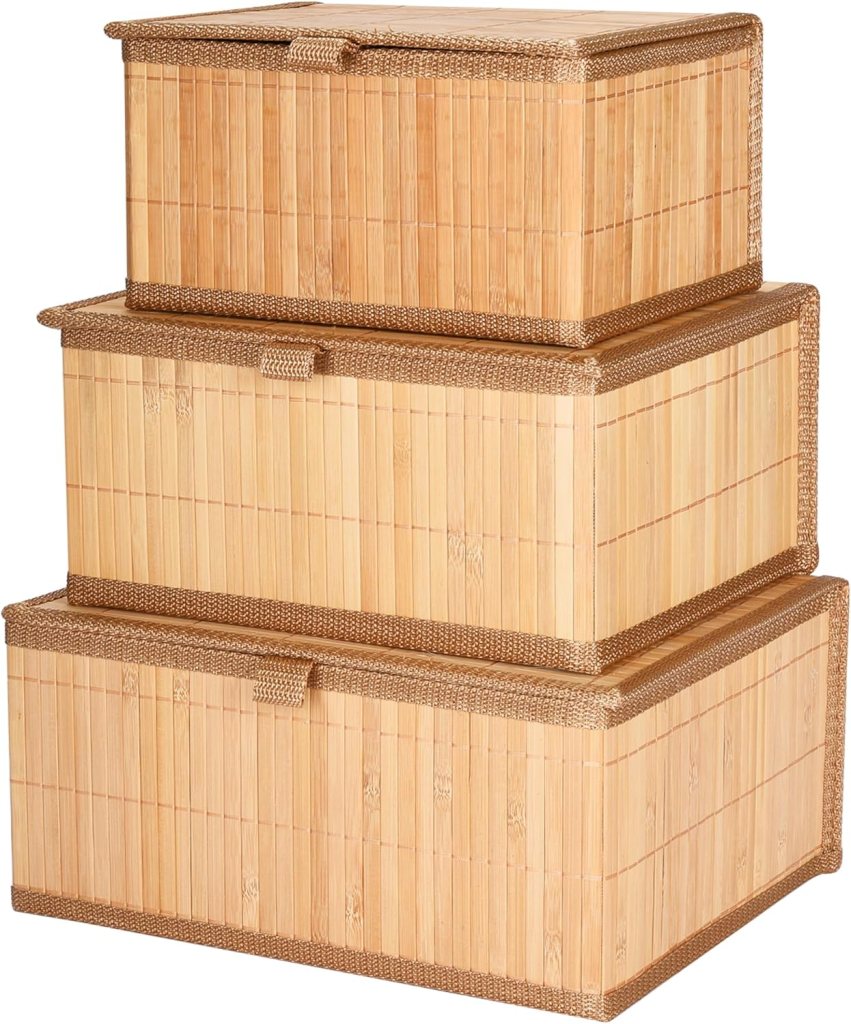
    • Strategic Organization Solutions for Mental Clarity: While cleanliness is the foundation, effective organization is the ongoing practice that maintains visual serenity. Clutter creates chaos in our minds. Implementing smart, intuitive storage solutions can drastically reduce visual noise and promote a sense of order, leading to greater mental clarity and reduced anxiety. From stylish storage baskets that corral everyday items to modular shelving units that display only what is meaningful, these items contribute to a more peaceful and functional living space. A set of Bamboo Decorative Storage Boxes With Lids can conceal unsightly items while adding texture and warmth, making organization both practical and aesthetically pleasing.
    Bamboo Decorative Storage Boxes With Lids
    • Personalized Art and Mementos for Identity and Joy: This is arguably the most crucial element in transforming a house into a home. Surrounding yourself with items that hold deep personal significance—be it framed photographs of cherished memories, original artwork that resonates with your soul, or carefully selected collectibles that reflect your passions—is paramount. These are not merely decorative objects; they are anchors to your identity, triggers for positive emotions, and constant reminders of your journey. Creating a curated gallery wall with a Elegant Wall Hanging Photo Frame allows you to showcase a collection of moments and images that uplift your spirit every time you see them, reinforcing your personal narrative within your living space.
    Elegant Wall Hanging Photo Frame

    In essence, our homes are active participants in our wellbeing, speaking a silent yet potent language that shapes our moods, energy levels, and overall health. By consciously prioritizing cleanliness and thoughtfully curating our living spaces with elements that bring us comfort, foster a sense of identity, and promote tranquility, we can transform our dwellings from mere structures into true sanctuaries. Recognizing this profound connection empowers us to make deliberate choices that cultivate a deeper sense of peace, joy, and vitality within the very heart of our everyday lives.

  • The Crimson Enigma

    Walk through any modern spice aisle, and you’ll likely find a familiar array: cinnamon, turmeric, cumin, paprika. But tucked away, often in a tiny, almost inconspicuous jar, lies a spice so precious, so potent, that its history is interwoven with empires, its value once rivaling gold, and its whispered benefits now echoing in scientific studies. This is saffron, the “little red thread” that, for too long, has been a forgotten secret in many Western pantries.

    Yet, this isn’t just about a culinary curiosity. Saffron is a paradox: intensely subtle in flavor, yet overtly powerful in its effects. From ancient remedies for melancholia to contemporary research on vision health and skin luminosity, this unassuming stigma of the Crocus sativus flower is far more than a vibrant hue for your paella. It’s a bridge to a forgotten past, a symbol of re-emerging wisdom, and perhaps, the missing piece in our modern quest for holistic well-being.


    A Golden Thread Through History: Saffron’s Ancient Roots

    To truly appreciate saffron, we must first journey back in time, tracing its crimson path through millennia of human civilization. Its origins are shrouded in a delicious blend of myth and archaeology, with evidence suggesting its cultivation as early as the late Bronze Age in Greece. The first known depiction of saffron is found in the Minoan palace of Knossos on Crete, in frescoes dating back to 1600-1500 BC, showing goddesses collecting the precious threads.

    In ancient Persia, saffron was revered. It was used as a dye, a perfume, a medicine, and even offered to deities. The Persians wove saffron threads into their royal carpets and infused baths with its essence. Alexander the Great was said to have used saffron in his bathwater for its healing properties, particularly after battles.

    The Greeks and Romans also quickly caught on. Hippocrates, the father of medicine, and Galen, another prominent physician of antiquity, both prescribed saffron for various ailments, including sleep disorders, digestive issues, and improving mood. It was scattered in Roman theaters as an air freshener, infused into wines, and used in fragrant salves. Cleopatra herself is rumored to have incorporated saffron into her beauty rituals.

    But saffron wasn’t just a local luxury. Its true epic journey began with the Silk Road, the ancient network of trade routes connecting East and West. Along this legendary artery, saffron became a coveted cargo, its rarity and demand driving its value sky-high. Caravans laden with silk, spices, and precious metals would often include small, carefully guarded packages of saffron. Its worth was so immense that at times, it literally surpassed that of gold, creating a bustling, lucrative trade that fueled economies and influenced cultural exchange. Stories abound of its use as currency, its inclusion in dowries, and even its role in geopolitical negotiations. The spice was not merely a commodity; it was a symbol of wealth, power, and refined taste.

    In many cultures, saffron wasn’t just a spice or medicine; it held deep symbolic and spiritual significance. In some Buddhist traditions, saffron robes represent renunciation and purity. In India, it’s used in religious ceremonies and holds a revered place in Ayurvedic medicine. Its vibrant color, reminiscent of a sunrise or precious jewel, imbued it with an almost mystical quality.


    The Re-Emergence: Saffron’s Modern Renaissance

    So, what happened to this crimson king? Its decline in widespread everyday use, particularly in the West, can be attributed to several factors. Primarily, saffron cultivation is incredibly labor-intensive. Each delicate stigma must be hand-picked from the Crocus sativus flower, which blooms for only a few weeks a year. It takes approximately 150,000 flowers to produce just one kilogram of dried saffron threads. This painstaking process makes it one of the most expensive spices in the world, naturally limiting its accessibility. The rise of cheaper, mass-produced spices and artificial colorings also played a role.

    However, saffron never truly vanished. In cultures like those of the Middle East, India, and Spain, it remained an indispensable ingredient in traditional cuisine and medicine. And now, in a world increasingly turning towards natural remedies and ancestral wisdom, saffron is experiencing a profound renaissance.

    This re-emergence isn’t just about culinary nostalgia. It’s driven by a surge in scientific interest. Modern research, employing rigorous methodologies, is now validating many of the traditional uses of saffron, uncovering the precise mechanisms behind its storied benefits. As consumers become more discerning about what they put into their bodies and seek holistic approaches to health, saffron is stepping back into the limelight, not just as a gourmet ingredient, but as a potent natural pharmaceutical. The growing “farm-to-table” movement and a general appreciation for authentic, high-quality ingredients have also contributed to its rediscovery, reminding us that sometimes the best solutions are those that have stood the test of time.


    The Potent Little Red Thread: Saffron’s Multifaceted Benefits

    Beyond its captivating history and culinary allure, saffron’s true power lies in its complex chemical composition. Rich in carotenoids like crocin and crocetin, along with safranal (responsible for its distinct aroma and much of its biological activity), and various antioxidants, saffron offers a spectrum of health benefits that are nothing short of remarkable.

    Mood & Emotional Well-being: A Natural Uplift

    Perhaps saffron’s most well-researched and exciting benefit lies in its profound impact on mood and emotional balance. For centuries, it has been used in traditional medicine to alleviate melancholy and anxiety. Modern science is now providing compelling evidence for these historical claims. Numerous studies have shown saffron extract to be as effective as some conventional antidepressants for mild to moderate depression, with fewer side effects.

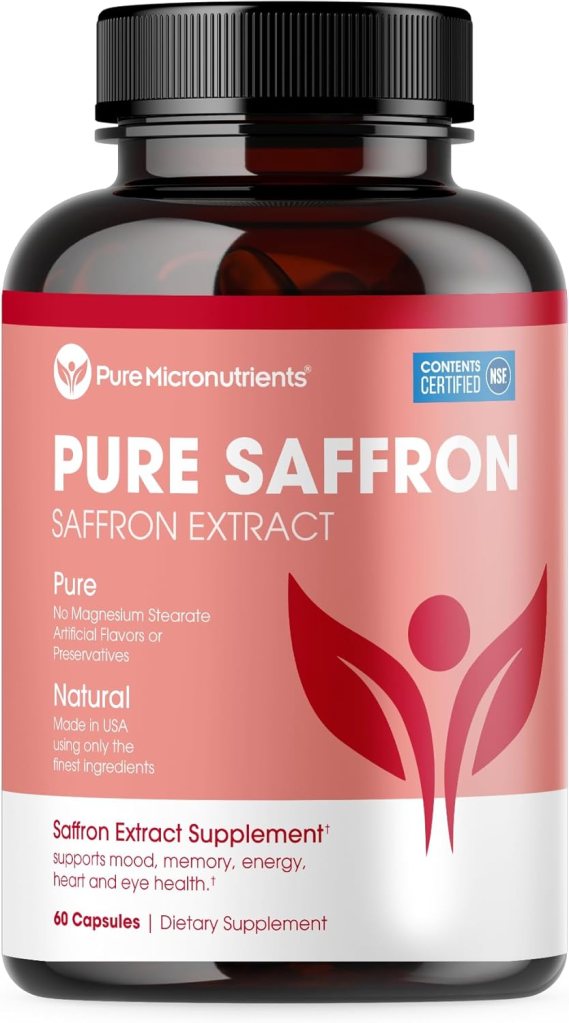
    The magic behind this mood boost is thought to involve its influence on neurotransmitters like serotonin and dopamine – the brain’s “feel-good” chemicals. Crocin and safranal appear to inhibit the reuptake of these neurotransmitters, making them more available in the brain. Saffron also exhibits anti-inflammatory and antioxidant properties, which can play a role in brain health and mood regulation. For those navigating the daily stresses of modern life, saffron offers a gentle, natural pathway to a brighter outlook. Consider exploring highly-rated saffron supplements specifically formulated for mood support like Pure Micronutrients Saffron Extract Capsules [Amazon Link: Pure Micronutrients Saffron Extract Capsules].

    Hormonal Harmony & PMS Relief: Soothing the Cycles

    For many women, the monthly hormonal rollercoaster can bring a cascade of unpleasant symptoms, collectively known as Premenstrual Syndrome (PMS). Traditional medicine has long turned to saffron for women’s health, and contemporary research is affirming its efficacy. Studies have demonstrated that saffron can significantly reduce the emotional and physical symptoms of PMS, including irritability, mood swings, headaches, bloating, and breast tenderness.

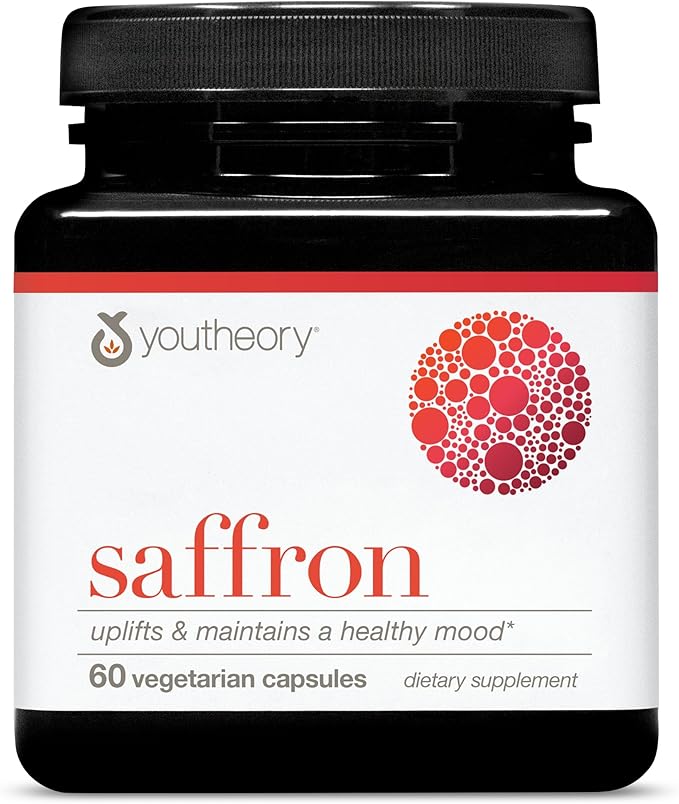
    Its ability to modulate neurotransmitters, particularly serotonin, is believed to play a crucial role in alleviating the psychological aspects of PMS. Furthermore, its anti-inflammatory properties may help soothe physical discomfort. For women seeking a natural ally in achieving hormonal balance and navigating their cycles with greater ease, saffron presents a compelling option. Brands like Youtheory Saffron [Amazon Link: Youtheory Saffron] are often recommended for their focus on mood and stress, which can be beneficial for PMS symptoms.

    Visionary Insights: Guarding Your Gaze

    In an age dominated by screens and digital strain, maintaining optimal eye health is more critical than ever. Emerging research suggests saffron holds remarkable promise for visionary health. Its potent antioxidants, particularly crocin and crocetin, are believed to protect the delicate cells of the retina from oxidative stress, a key factor in age-related eye conditions.

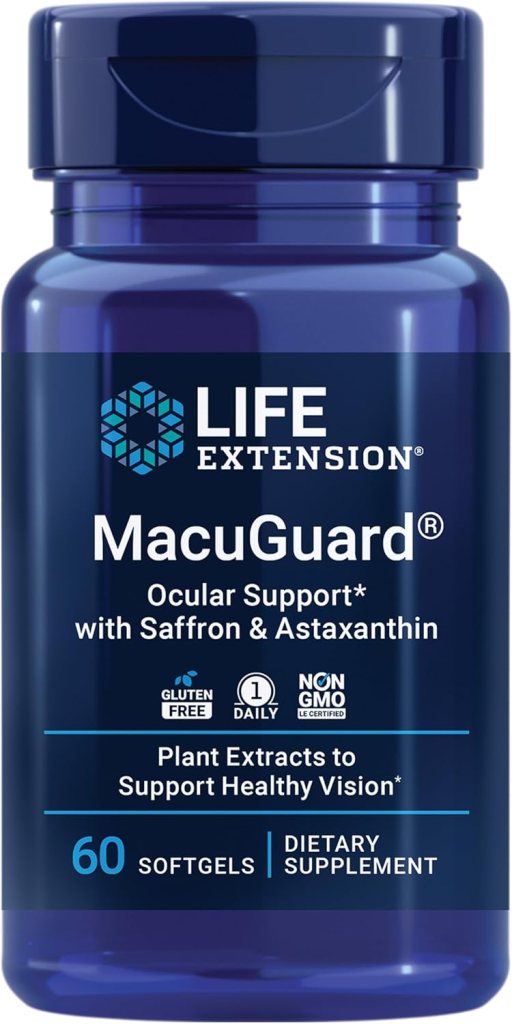
    Studies have indicated saffron’s potential in slowing the progression of Age-related Macular Degeneration (AMD), a leading cause of vision loss in older adults. It may improve retinal function and visual acuity. Beyond AMD, saffron is also being investigated for its potential benefits in conditions like cataracts and diabetic retinopathy, showcasing its broad protective effects on the eyes. Imagine a spice that not only delights your palate but also safeguards your precious sight. Look into specialized supplements like Life Extension MacuGuard Ocular Support with Saffron & Astaxanthin [Amazon Link: Life Extension MacuGuard Ocular Support with Saffron & Astaxanthin] for targeted eye health support.

    The Glow from Within: Unveiling Radiant Skin

    The pursuit of glowing, healthy skin is a timeless endeavor. While topical creams and serums play their part, true radiance often stems from within. Saffron, with its rich antioxidant and anti-inflammatory profile, offers a powerful internal approach to skin health.

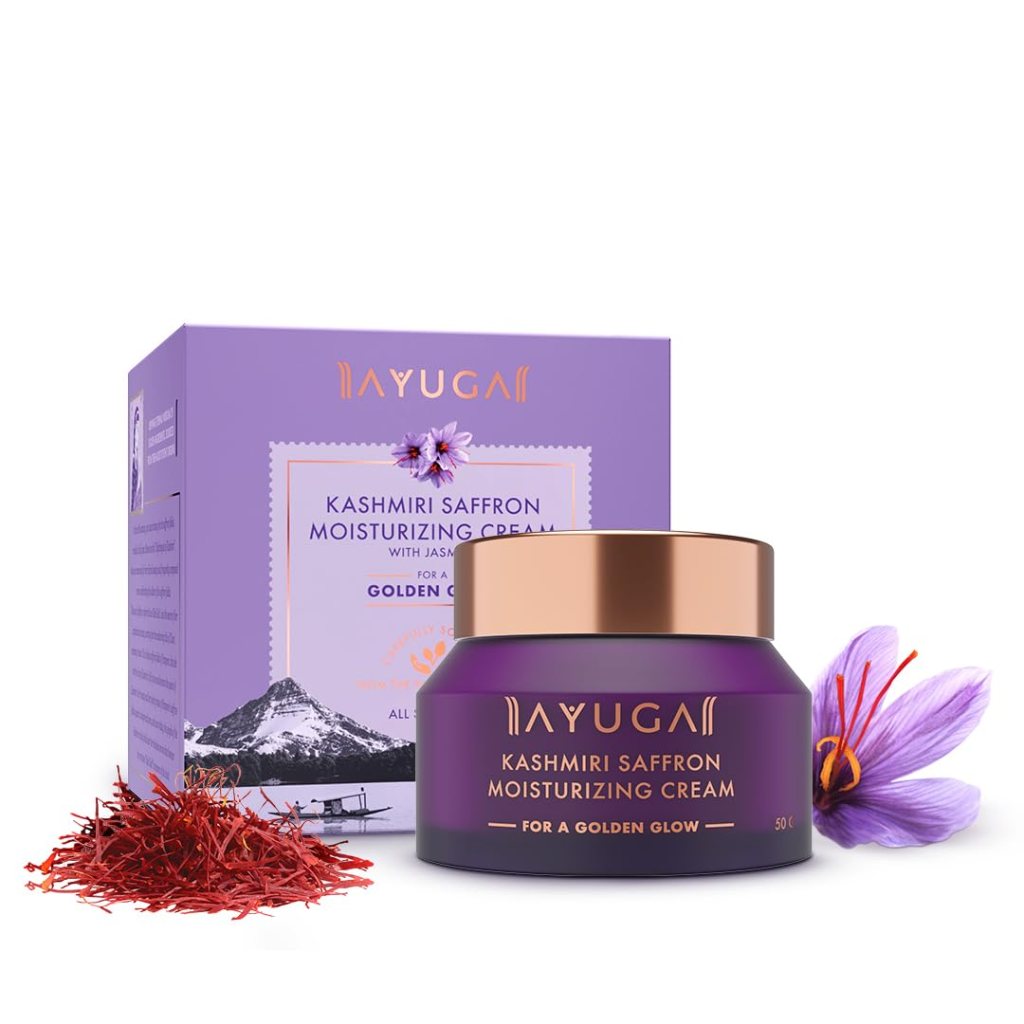
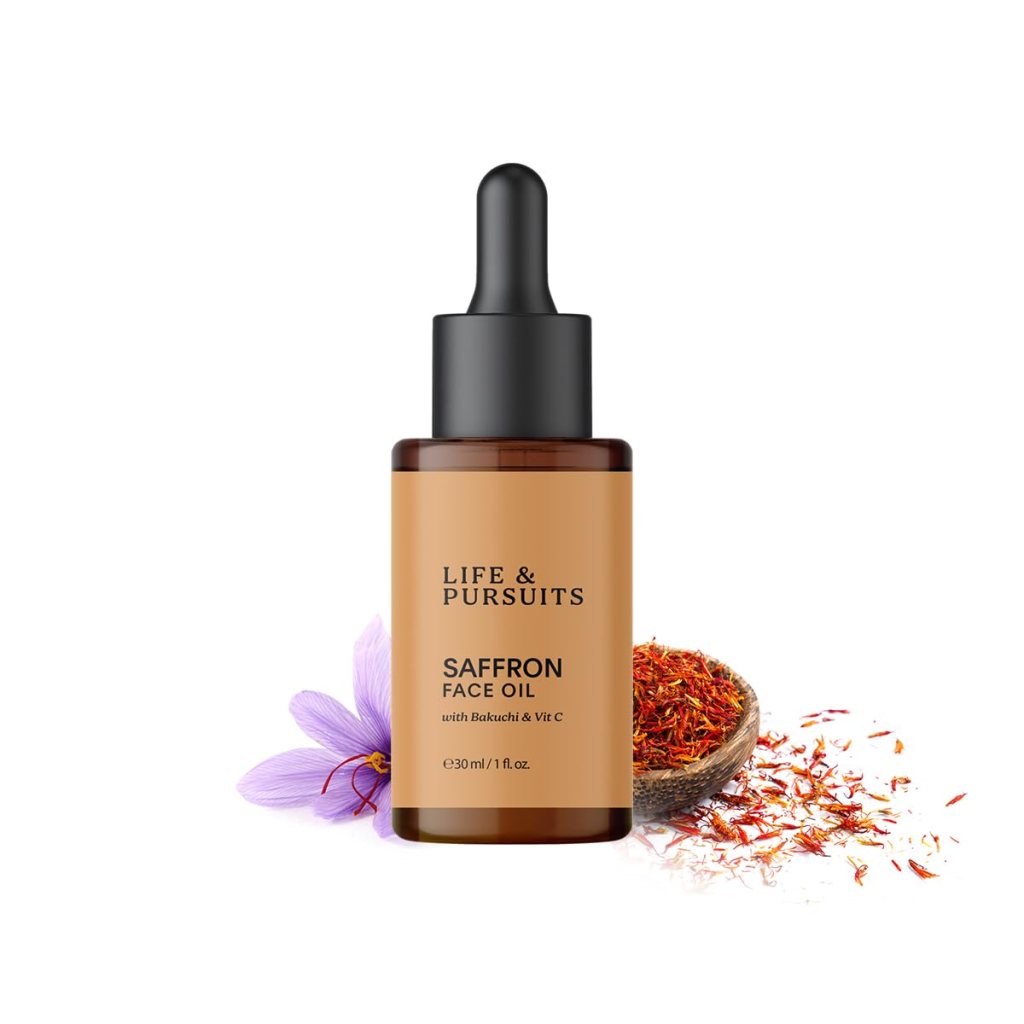
    Its ability to combat oxidative stress helps protect skin cells from damage caused by environmental pollutants and UV radiation, which contribute to premature aging. The anti-inflammatory properties can help soothe irritated skin, reduce redness, and potentially aid in managing conditions like acne and eczema. Historically, saffron has been used in traditional beauty rituals for its skin-brightening properties, believed to improve complexion and reduce hyperpigmentation. Some even apply saffron-infused oils or pastes topically for these benefits, promoting a clear, even, and luminous skin tone. It truly is a spice that helps you achieve that coveted “glow from within.” Explore saffron-infused beauty products like Ayuga Kashmiri Saffron Moisturizing Cream [Amazon Link: Ayuga Kashmiri Saffron Moisturizing Cream] or Life & Pursuits Saffron Face Oil [Amazon Link: Life & Pursuits Saffron Face Oil] to incorporate its benefits directly into your skincare routine.

    Beyond the Core: A Spectrum of Benefits

    The wonders of saffron don’t stop there. This multi-talented spice offers a wider array of potential benefits:

    • Cognitive Enhancement: Research suggests saffron may improve memory and learning, offering neuroprotective effects that could be beneficial in neurodegenerative diseases.
    • Powerful Antioxidant: Its rich antioxidant content helps neutralize free radicals throughout the body, reducing cellular damage and supporting overall health and longevity.
    • Anti-inflammatory Properties: By reducing inflammation, saffron may help alleviate symptoms associated with various inflammatory conditions.
    • Digestive Aid: Traditionally used to calm digestive upset and promote healthy digestion.
    • Aphrodisiac Qualities: Historical texts and some modern studies suggest saffron can enhance libido and sexual function.

    How to Incorporate Saffron into Your Life Today

    Embracing saffron in your daily life can be both a culinary adventure and a step towards enhanced well-being. But with its high value, knowing how to choose and use it correctly is key.

    Culinary Delights: The Art of Infusion

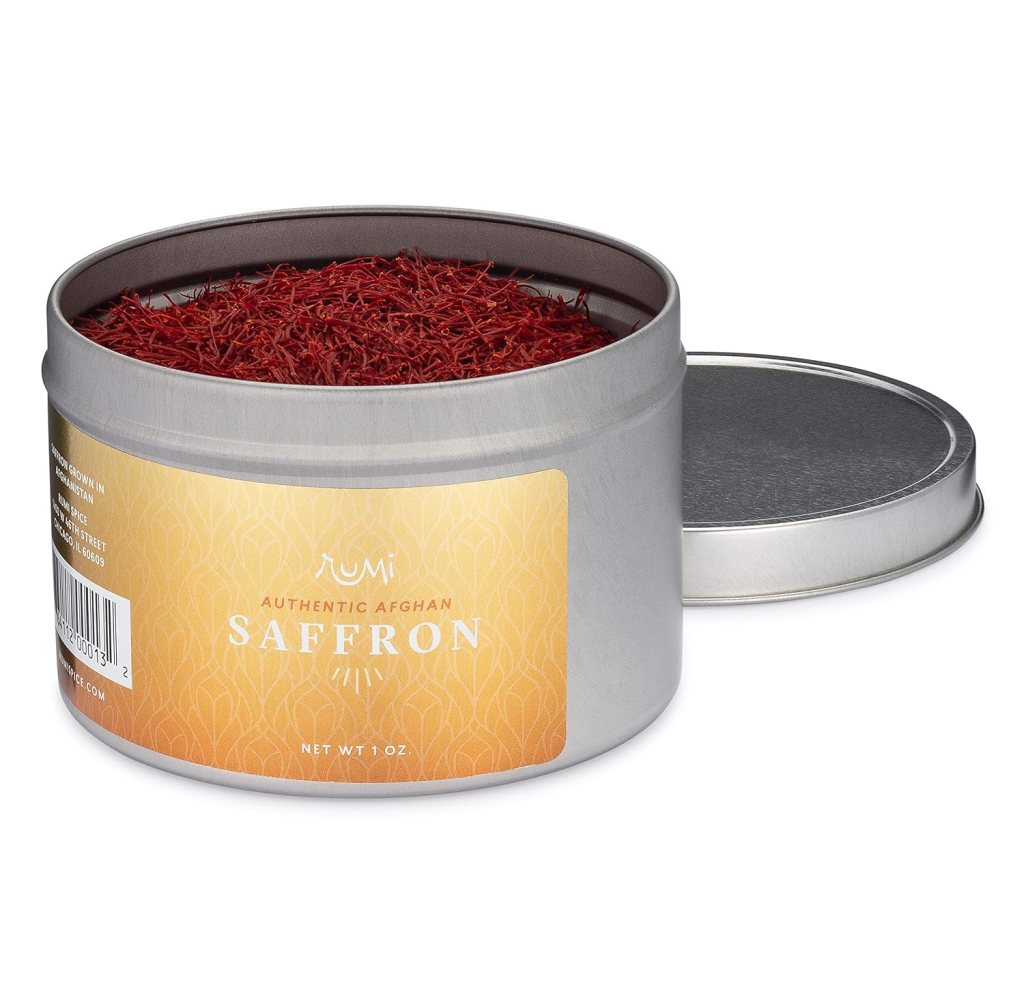
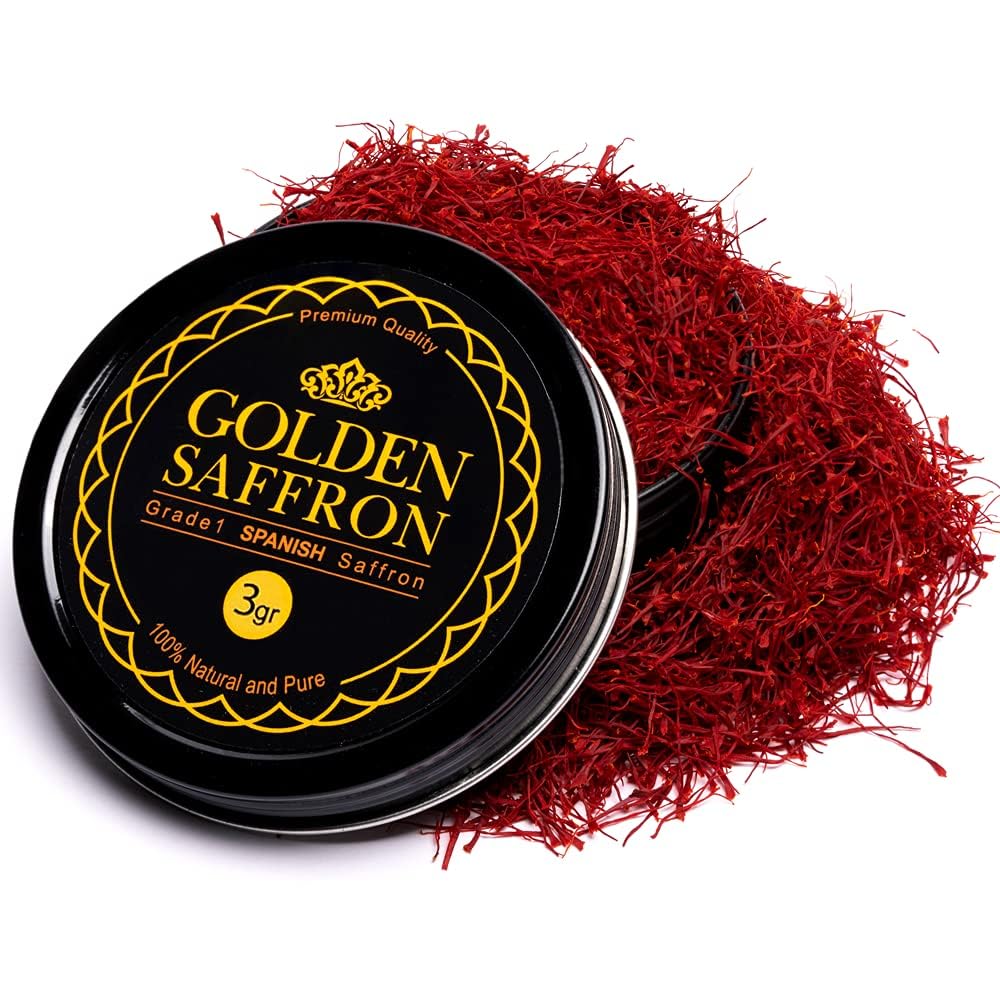
    When purchasing saffron, always opt for whole threads rather than powder, which is more prone to adulteration. Look for threads that are a vivid crimson with orange tips. Spanish, Iranian, and Kashmiri saffron are generally considered the highest quality. For a premium culinary experience, consider purchasing Rumi Spice Saffron Threads, Afghan Saffron [Amazon Link: Rumi Spice Saffron Threads] or high-grade Golden Saffron – Pure Spanish Saffron Threads [Amazon Link: Golden Saffron – Pure Spanish Saffron Threads].

    The key to unlocking saffron’s flavor and color is infusion. Never add dry saffron threads directly to a dish. Instead:

    1. Crumble the desired number of threads (usually a pinch, about 10-15 threads per serving) into a small bowl.
    2. Pour a few tablespoons of warm (not boiling) liquid over them – water, milk, broth, or even alcohol like white wine.
    3. Let it steep for 15-30 minutes, or even longer. The threads will release their vibrant color and complex aroma, turning the liquid a beautiful golden-orange.
    4. Add this infused liquid, along with the threads, to your dish towards the end of the cooking process to preserve its delicate flavor.

    Saffron shines in dishes like:

    • Paella and Risotto: Its classic applications, imparting an unmistakable golden hue and nuanced flavor.
    • Indian and Middle Eastern Desserts: Think Kheer (rice pudding), Saffron milk, or Persian love cake.
    • Teas and Beverages: A few strands can elevate a simple cup of tea or a warm milk drink.
    • Sauces and Stews: A subtle addition can transform savory dishes.

    Beyond the Kitchen: Supplements and Skincare

    For those seeking its therapeutic benefits, saffron supplements are readily available. When choosing a supplement, look for reputable brands that provide standardized extracts, often specifying the concentration of crocin and safranal. Always consult with a healthcare professional before starting any new supplement, especially if you have underlying health conditions or are taking other medications. Typical dosages in studies range from 20-30mg per day.

    For skincare, you can create simple saffron-infused oils or face masks. Infuse a few threads in a carrier oil like almond or jojoba oil for a few weeks, then use it as a facial massage oil. Or, mix a few saffron threads soaked in milk or rose water with a little sandalwood powder for a brightening face pack.


    Cautions and Considerations

    While saffron is generally safe when consumed in culinary amounts, its potency requires respect.

    • Dosage is Key: Small amounts (a few threads or a standard supplement dose) are highly effective. Very high doses (several grams) can be toxic and are not recommended.
    • Pregnancy: Pregnant women should avoid saffron supplements and consume it only in very small culinary amounts, as high doses may induce uterine contractions.
    • Blood Thinners: Due to potential mild anti-coagulant effects, individuals on blood-thinning medications should consult their doctor before using saffron supplements.
    • Adulteration: Because of its high value, saffron is unfortunately prone to adulteration. Always buy from trusted sources to ensure you’re getting pure, unadulterated saffron.

    The Enduring Allure of Saffron

    From ancient Minoan frescoes to modern scientific labs, saffron’s journey has been nothing short of extraordinary. It’s a testament to the enduring power of nature’s pharmacy, a reminder that sometimes the most potent remedies come in the smallest, most exquisite packages.

    This “little red thread,” once a silent secret of empires and healers, is now re-emerging, inviting us to rediscover its golden potential. Whether it’s enriching your culinary creations, lifting your spirits, safeguarding your vision, or bestowing a natural glow, saffron is more than just a spice; it’s a connection to timeless wisdom and a vibrant promise for holistic well-being. So, next time you see that tiny jar, don’t just pass it by. Embrace the crimson enigma, and let its ancient magic weave its way into your modern life.

  • 🆕 Editor’s Note – Updated July 18, 2025:

    Before we dive in, here’s something you should know:

    ⚠️ I am not a licensed medical provider. But I have worked in the medical industry, and I understand human anatomy, physiology, and pharmacology very well. That said, it’s exactly because I know the system — its strengths and limitations — that I now choose a natural, holistic path wherever possible. For years now, I’ve been my own “physician,” using research, self-observation, and logic to navigate my health.

    I’m not suggesting you do what I do. I’m simply offering a detailed overview of what worked for me — and what didn’t. By all means, consult your doctor and explore all your options. Your body, your rules.

    When Elemental Didn’t Work: My Carnivore Shift

    I don’t believe in sugarcoating anything. This time around, the DIY elemental diet made me feel worse, not better. I felt drained, lightheaded, and started having daily diarrhea. That was the moment I realized: something had changed. My body wasn’t responding to this protocol anymore. So I pivoted. I went 100% carnivore.

    And yes — it was brutal at first. I overdid the fats in the beginning, and with the microbial die-off in full swing, I ended up with a seven-day run of diarrhea that felt like a detox straight from hell. My electrolytes were depleted, my energy tanked, and I started seeing small red bumps appear on my arms and legs — my body was pushing out toxins from more than just the gut. I was taking electrolytes the entire time — high-quality ones, too — but it wasn’t enough to keep up with the sheer volume of loss.

    Once I added TUDCA, everything changed. My digestion normalized within 24 hours. The diarrhea stopped. My energy came back. Then I introduced Biocidin. Just a single drop under the tongue on that first day. I felt the difference almost instantly — not in the dramatic, gut-emptying way TUDCA worked, but in a more subtle, stabilizing way. It felt like someone turned down the inflammatory noise. My brain fog started to lift, and for the first time in weeks, I felt mentally sharp again.

    So, what are these two?

    Biocidin is a botanical formula designed to target pathogens — including bacteria, fungi, and biofilms — without the harsh side effects of antibiotics. It’s strong, so I started slow. But it’s also precise. It felt like it was cleaning things out without wrecking my system. And that’s rare.

    TUDCA (Tauroursodeoxycholic acid) is a bile acid derivative that supports healthy bile flow and liver function. In plain language: it helps your body flush out toxins more effectively, especially when you’re killing off pathogens or switching to a fat-heavy diet like carnivore. For me, it was the missing piece. The digestive reset. The pressure release valve.

    Thirteen days into following the carnivore diet combined with my updated supplement protocol, including TUDCA and Biocidin, I finally started to see real, lasting change. The intense die-off phase was behind me, my digestion had stabilized, and my energy levels were steady. This wasn’t just a gut reset anymore — it was a full-body transformation.

    And most shockingly, my skin began to transform. My dark spots faded. The tone evened out. The bloating disappeared. Water weight melted off. I felt calm, clean, and finally, clear.

    My New Routine

    Morning Routine (Empty Stomach)

    Aim to leave a 15–30 minute gap between each major element.

    TimeSupplementNotes
    7:30 AM1 drop BiocidinIn a small amount of water or under the tongue. Wait 15–30 min.
    8:00 AMTUDCA (250–500 mg)With a few sips of water. Great for bile + liver flow.
    8:30 AMAllicinOn empty stomach or with a very light meal (if too strong alone).
    9:00 AMBerberineTake this either right before or after breakfast.
    With breakfastLMNT ElectrolytesOptional, only if diarrhea persists or you feel dehydrated.

    Midday (Lunch)

    TimeSupplementNotes
    1:00 PMAllicinBest taken away from fats or heavy meals.
    1:30 PMBerberineTake with or just after food.
    With lunchTUDCA (if not taken in AM)Optional — many people split the dose.
    Throughout dayLMNT ElectrolytesOptional, only if diarrhea persists or you feel dehydrated.

    Evening (Dinner + Wind-down)

    TimeSupplementNotes
    6:00 PMBiocidin (1 drop)Only if the morning dose went well. If not, skip evening dose.
    6:30 PMTUDCA (optional)If you had a heavier dinner or skipped daytime dose.
    7:00 PMAllicinFinal antimicrobial dose.
    7:30 PMBerberineFinal metabolic + antimicrobial dose.
    BedtimeLMNT ElectrolytesOptional, only if diarrhea persists or you feel dehydrated.

    Shopping List (Amazon-Linked)

    Here’s what I use and recommend:


    From Protocol to Personal Revolution

    This isn’t just about healing SIBO. It’s about reclaiming agency over your health. I’ve learned to listen to my body, not just the trends or even past experience. What worked once may not always work again — and that’s okay. The key is having the courage to pivot.

    If you’ve been stuck in bloated discomfort or chasing symptom suppression, maybe it’s time to try something radical. Maybe it’s time to clear the slate completely.

    I’m still on this path, and I’ll be updating more as I go. But for now — no bloat, better skin, steady energy, and mental clarity. This was the reset I didn’t know I needed.


    Original Post:

    Your Gut Is Not to Be Trifled With

    Feeling bloated? Still carrying your “winter belly” into summer and stressing about how it looks in beachwear? Maybe you’ve overindulged, traveled, or just feel off — and now you’re desperate for a quick fix. If you’ve been scrolling wellness content or gut-health TikTok, you’ve probably come across the elemental diet. It promises fast relief, a flat stomach, and a full-body reset. But is it really the miracle it sounds like — or is this another trend being misused by the masses?

    Gut health trends have exploded in recent years, and with them, a wave of “reset” protocols promising to heal digestion, flatten the belly, and fix fatigue. Among the latest to be embraced by influencers and wellness communities is the elemental diet — once a clinical tool, now increasingly promoted as a fast-track detox or bloating cure. But can this stripped-down, nutrient-only protocol truly serve as a universal gut reset?

    The short answer is no, not without context.

    As someone who has used an elemental diet multiple times over the years to treat methane-dominant SIBO, I’ve seen firsthand what it can do. It’s powerful. It works. But it’s not a shortcut or a general health tonic. When used improperly, it can do more harm than good.

    This post explores why the elemental diet is gaining popularity, how it works, who it’s truly for, and why following trends blindly can backfire, especially when it comes to gut health.

    ***Note: I’m not a medical provider. Everything shared here is based on personal experience and extensive research. Please consult your physician before attempting an elemental diet of any kind, especially if you have underlying conditions.***

    The Elemental Diet Trend: Why Is It Everywhere?

    The term “elemental diet” has quietly slipped out of clinical circles and into the wellness mainstream. It’s now discussed on TikTok, Reddit, and in gut health forums as a kind of magical digestive reset — the idea being that by consuming only pre-digested nutrients in liquid form, you allow your gut to “rest,” reduce inflammation, and support microbiome balance.

    Some people now use it:

    • After overeating, to “cleanse” their system
    • As a crash diet for rapid weight loss
    • To calm vague digestive symptoms without identifying the root cause
    • Post-antibiotic use, without knowing how to rebuild their microbiome

    While these motivations are understandable, they miss the mark. The elemental diet was never designed as a general reset for healthy people. It’s a medical intervention, and using it casually can lead to nutrient imbalances, microbial disruption, and even worsen gut issues in the long run.

    What an Elemental Diet Really Is

    An elemental diet is a nutritionally complete liquid formula made of fully broken-down nutrients that require minimal digestion. It typically includes:

    • Amino acids (instead of whole proteins)
    • Simple sugars like glucose or maltodextrin (instead of complex carbs)
    • Medium-chain triglycerides (MCTs) as the primary fat source
    • Electrolytes, vitamins, and trace minerals

    This formula is absorbed in the upper small intestine, which means almost nothing is left for bacteria to ferment further down the gut. That’s why it works so well for conditions like SIBO (Small Intestinal Bacterial Overgrowth), Crohn’s disease, and severe food intolerances. It deprives problematic microbes of fuel, allowing the gut lining to recover while still delivering nutrients to the body.

    In other words, it is a clinical starvation strategy — one that’s only effective when done right, for the right reason.

    Why I Used It: From Clinical Success to DIY Reality

    I didn’t come to the elemental diet lightly. I’ve used the Physician’s Elemental Diet — a clinically formulated, medically supervised product — on two separate occasions for extended periods. It was the only intervention that brought lasting relief from methane-dominant SIBO, a condition marked by constipation, bloating, sluggishness, and food intolerances. The bloating subsided, my energy returned, and I could finally eat without discomfort.

    That protocol worked — not as a trend, but as a targeted, evidence-based intervention.

    However, I later relocated to an environment where the local diet is heavily based on carbohydrates — something my system doesn’t tolerate well. I gradually slipped into overeating the wrong things, and over time, a mild recurrence of methane SIBO symptoms set in. This time, I needed to act early, but importing the original elemental formula was either impossible or prohibitively expensive.

    So I turned to a DIY version. With the right ingredients, careful measurement, and past experience as a guide, I recreated the elemental framework as closely as possible. It wasn’t ideal, but it was effective enough to manage symptoms, calm inflammation, and prevent a full relapse.

    Now, I use these DIY resets strategically. A few days here and there. Sometimes, even half a day is enough. But I never do them casually — and never without antimicrobial support and a solid refeeding plan afterward.

    What’s Missing from the Trend: Antimicrobials, Strategy, and Real Science

    One of the most troubling aspects of the elemental diet trend is how stripped of context it has become. Many people now attempt a DIY version with just collagen or protein powder, skip the fat and electrolytes, and do it without supporting antimicrobials, or even knowing if they have bacterial overgrowth.

    This is not just ineffective — it’s potentially dangerous.

    When done for therapeutic purposes (like in SIBO), an elemental diet needs to be accompanied by one of the following:

    • Targeted antimicrobials to kill off excess bacteria (herbal or pharmaceutical)
    • Biofilm disruptors in some cases (e.g., NAC, serrapeptase)
    • Motility agents to prevent relapse (ginger, magnesium, prokinetics)
    • A refeeding plan to slowly rebuild microbiome diversity

    Without these elements, you’re simply starving your microbiome — good and bad — and setting yourself up for a potential rebound.

    If You Choose to DIY: What I Used and Why

    I developed a reliable DIY elemental formula based on clinical research and practitioner protocols. For those who are medically cleared and want to try a short protocol (under supervision or for symptom management), here’s what worked for me:

    Amino Acids — The foundation. I used a free-form amino acid blend with no added flavors or fillers. These absorb quickly and bypass the need for digestion.
    I use: Nutricost EAA Powder 30 Servings (Unflavored) – Essential Amino Acids – Non-GMO, Gluten Free, Vegetarian Friendly

    Carbohydrates — You might need to include pure glucose (dextrose) and, in some cases, maltodextrin. Both are absorbed in the small intestine without fermentation, but dextrose is absorbed more rapidly. I have to skip carbs, but you might not. I recommend: NOW Foods, Dextrose, Pure and Natural Sweetener, Easily Utilized by the Body, Energy Source

    MCT Oil — Added slowly over time (starting with 1 tsp/day). It provides essential fat without overloading the digestive process.
    I use: Garden of Life Dr. Formulated Brain Health 100% Organic Coconut MCT Oil

    Electrolytes — Absolutely critical. I used magnesium citrate, sodium chloride (sea salt), and potassium chloride. Sometimes I added a comprehensive electrolyte powder.
    I use: LMNT Zero Sugar Electrolytes – Raw Unflavored Salt

    Optional Supports

    • Glutamine to support gut lining integrity
    • Glycine for soothing inflammation and taste improvement
    • Hydrolyzed collagen (though technically not elemental, it worked for me in small amounts)

    Antimicrobials (when treating overgrowth) — Depending on the protocol, I used:

    ***Important: Always rotate and monitor dosage when using herbal antimicrobials. These aren’t benign.***

    What People Get Wrong

    Here’s where casual elemental dieting goes wrong:

    • Doing it just to “feel clean” or lose weight
    • Following influencer versions that skip vital nutrients or macros
    • Using only collagen or protein powders and calling it “elemental”
    • Going too long without electrolytes
    • Forgetting that the post-diet phase matters just as much

    This isn’t a cleanse. It’s a targeted therapeutic fast that should mimic clinical formulas as closely as possible. It’s also temporary. More is not better.

    Duration and Refeeding: Do Not Skip This

    I’ve done elemental protocols lasting two weeks, three days, and even just half-days. Each has its place, depending on symptoms and goals. What matters most is the exit strategy.

    When the elemental phase ends, your gut is quiet but vulnerable. Refeeding should begin slowly, with soft-cooked low-FODMAP foods like:

    • Broths
    • Steamed carrots or zucchini
    • White rice
    • Blended vegetable soups
    • Poached eggs or soft proteins

    Introducing fermented foods or fiber too quickly can backfire, causing a sudden bacterial bloom or digestive shock. Go slowly. Introduce one variable at a time. Support with enzymes, bitters, or probiotics if needed.

    Final Thoughts: Miracle or Misstep?

    The elemental diet is not a miracle, but when used properly, it can feel like one. It gave me relief when nothing else worked, and helped me regain control over symptoms that were once daily and debilitating.

    But it’s not a casual tool. And it’s not for everyone.

    If you’re considering an elemental diet as a gut reset, ask yourself why. Is it for a real condition, or a trend? Are you looking for silence in your digestion, or just trying to shortcut your way to wellness?

    This protocol deserves respect. Used properly, with real strategy, it can be one of the most effective gut tools available. Used carelessly, it can do real harm.

    I share my experience not to encourage blind imitation, but to provide insight for those walking a similar path. If that’s you, I hope this post gives you clarity and the confidence to take the next step with care.

    If you’ve had a similar journey, or if you’ve found a different approach that helped calm or resolve your methane SIBO, I’d love to hear from you.

  • The Ageless Pursuit

    If you’re anything like me, you’ve probably stood in the skincare aisle, feeling a mix of hope and overwhelm. Promises of eternal youth, complex ingredient lists, and prices that can make your eyes water. For over 50 years, I’ve been on this journey, constantly searching for that elusive formula to turn back the clock, or at least slow it down gracefully. And let me tell you, it’s an everyday battle, but one that science is making incredibly exciting.

    My main concern, like so many of us, is truly beating the visible signs of time. I’m not wealthy, but I am absolutely willing to invest a reasonable amount of money in skincare that genuinely works. Over the years, I’ve tried just about everything I could get my hands on. Some things worked wonders, others… well, let’s just say my skin has learned a few hard lessons.

    One of the biggest “aha!” moments in my own journey, perhaps born from a moment of youthful exuberance or just plain eagerness, was learning that “less is more.” I literally burned my skin using too many ingredients at once, thinking more would deliver faster results. Trust me, it doesn’t. This experience taught me the profound importance of understanding what ingredients truly do, and how new scientific breakthroughs are refining their power.

    We’re beyond the era of simply hoping a cream will do something. Today’s facial care creams are harnessing cutting-edge science to fundamentally transform how our skin behaves, helping us fight the good fight against time. So, what are these latest discoveries that have caught my eye, and why are they making such a difference in the ongoing quest for vibrant, resilient skin?

    Beyond the Basics: Next-Generation Ingredients Taking Center Stage

    While foundational ingredients like hyaluronic acid, niacinamide, and peptides remain staples for good reason (they’re the workhorses of skincare!), the latest innovations are refining their efficacy and introducing entirely new categories of active compounds that are genuinely exciting.

    1. Exosomes: The Cellular Messengers I’m Eager to Try

    Imagine tiny, intelligent packages within your cells, carrying instructions for repair and regeneration. That’s essentially what exosomes are. These microscopic vesicles, derived from stem cells or even plants, are emerging as a game-changer. They act as “cellular messengers,” delivering growth factors, proteins, and genetic material directly to skin cells.

    • Why they’re revolutionary: Traditional ingredients often signal cells from the outside. Exosomes, however, can penetrate deeper, instructing fibroblasts (the cells that produce collagen and elastin) to ramp up production and repair damage. This leads to profound improvements in skin texture, firmness, and overall rejuvenation. For someone like me, who’s been battling those persistent signs of aging for decades, the idea of a targeted delivery system that speaks the skin’s own language is incredibly appealing. This is absolutely my next frontier in skincare.
    • What to look for: While still relatively new and often found in high-end formulations, expect to see exosome technology become more prevalent in serums and creams aimed at advanced anti-aging and skin repair. On Amazon, you might find options like the Medicube Zero Exosome Shot Serum or other cutting-edge formulations explicitly featuring exosome technology. These represent the cutting edge! Link to product

    2. Polydeoxyribonucleotide (PDRN): My Experience with a Real Plumper

    Sounds like something out of a sci-fi movie, right? PDRN, typically derived from salmon DNA, is another exciting biotech ingredient gaining traction. I actually tried a PDRN product myself, and can attest:

    • My take on it: It works! While it wasn’t a “miracle” cure that instantly erased every line (let’s be real, those usually don’t exist!), it does seem to make my skin noticeably plumper. That added fullness is a definite win when you’re combating the natural loss of volume that comes with age. It’s subtle, but consistently makes a difference in how my skin looks and feels.
    • Why it’s revolutionary: PDRN works by stimulating cellular growth and metabolism, accelerating tissue repair and promoting healthy collagen formation. It’s particularly effective for post-procedure recovery (think after lasers or microneedling) and in anti-aging formulations for mature or damaged skin. It essentially gives your skin the building blocks it needs to rebuild and revitalize itself.
    • What to look for: Keep an eye out for PDRN in creams and ampoules designed for intense repair, especially if you’re looking to recover from environmental damage or seeking significant anti-aging benefits. Brands like; MEDICUBE Collagen PDRN Pink Peptide Serum and PDRN Pink Capsule Cream, and VT Cosmetics PDRN 100 Essence, Intensive Glow Serum, 100,000ppm are offering products with this ingredient. Links to products: VT Cosmetics PDRN 100 Essence | MEDICUBE Collagen PDRN Pink Peptide Serum and Cream

    3. Mini-Proteins (Microproteins): The Evolution of Peptides

    We’re all familiar with peptides, the short chains of amino acids that signal collagen production. Now, enter mini-proteins, or microproteins. These are even smaller versions of peptides, specifically engineered for enhanced penetration and highly targeted repair.

    • Why they’re revolutionary: Their minuscule size allows them to delve deeper into the skin’s layers, reaching cells that larger molecules might struggle to access. This means more efficient delivery of their signaling capabilities, leading to more pronounced results in terms of firmness, elasticity, and wrinkle reduction. For someone like me who’s always seeking that extra boost, the precision of mini-proteins is incredibly appealing.
    • What to look for: Mini-proteins are appearing in advanced firming serums, eye creams, and formulations focused on boosting specific collagen types for maximum anti-aging impact. On Amazon, when you’re looking for these truly cutting-edge formulations, search for products that highlight “advanced peptides,” “multi-peptide complexes,” or “signal peptides.” A couple of really strong examples that align with this advanced science include:
    • Naturium Multi-Peptide Advanced Serum: This serum explicitly features an “advanced multi-peptide blend” designed to improve texture, reduce fine lines, and firm the skin. It’s a sophisticated option that’s still quite accessible. Link to product

    4. Plant-Based Adaptogens: Stress Relief for Your Skin

    The concept of adaptogens, known for their stress-fighting benefits in wellness, is making a significant impact in skincare. Botanical wonders like ginseng, ashwagandha, and rhodiola are now being incorporated into creams.

    • Why they’re revolutionary: In the context of skincare, adaptogens help the skin “adapt” to environmental stressors – pollution, UV exposure, even emotional stress – which can lead to inflammation, dullness, and premature aging. They work by reducing inflammation, promoting a balanced complexion, and supporting the skin’s natural defense mechanisms.
    • What to look for: For the most potent and effective adaptogen-focused skincare on Amazon, look for products from brands renowned for their use of highly concentrated botanical extracts. Sulwhasoo’s Concentrated Ginseng Renewing Cream (or other Ginseng-rich products from Sulwhasoo) stands out as a prime example. This luxury Korean beauty brand is built entirely on the power of Ginseng – one of the most researched and potent adaptogens – delivering exceptional results in anti-aging, firming, and revitalizing the skin. It’s a true breakthrough in harnessing ancient wisdom with modern science for maximum efficacy. Link to product

    Smarter Delivery: Getting Actives Where They Need to Be

    Even the most potent ingredient is only as good as its delivery. Breakthroughs in formulation science are ensuring these powerful actives reach their intended targets within the skin, maximizing their efficacy and minimizing irritation. This is crucial, especially if, like me, you’ve learned the hard way about overdoing it!

    1. Nanotechnology and Encapsulation: Deeper Penetration, Controlled Release

    While nanotechnology has been a buzzword for a while, its application in skincare continues to evolve. It involves encapsulating active ingredients in tiny particles, allowing them to penetrate deeper into the skin’s layers where they can be most effective.

    • Why they’re revolutionary: This technology not only enhances penetration but also protects fragile ingredients (like potent forms of Vitamin A) from degradation, ensuring their stability and potency. It also allows for controlled release, meaning the active ingredients are delivered gradually over time, reducing the risk of irritation, especially with potent compounds. This gentle yet effective delivery is a godsend for sensitive skin, or for those of us who might have pushed our skin too far in the past, seeking powerful results without the harsh side effects.
    • What to look for: For the truly cutting-edge in this space on Amazon, look for products that explicitly highlight advanced delivery systems like “liposomal encapsulation” or “sustained release” for their powerful actives. A top example that embodies this breakthrough technology is the Minimalist Retinal 0.2% Liposomal Cream. This product leverages a sophisticated liposomal system to deliver Retinal, a potent next-generation Vitamin A, deep into the skin effectively, ensuring both stability and maximum anti-aging impact while minimizing irritation. Link to product

    2. Biomimetic Formulations: Mimicking Skin’s Natural Processes for Better Results

    Biomimetic ingredients are designed to mimic the skin’s natural biological processes, essentially “tricking” the skin into performing functions more efficiently. This approach focuses on enhancing the skin’s inherent ability to repair and protect itself.

    • Why they’re revolutionary: Instead of simply adding external agents, biomimetic formulations work with your skin, encouraging it to produce more of what it needs (like ceramides, specific enzymes, or growth factors) or to heal more effectively. This leads to more harmonious and long-lasting results, as the skin is empowered to maintain its own health – a truly compelling concept for long-term skin vitality. While I’ve tried some products in this category that were “okay” for general maintenance, the true power of biomimetic science comes from formulations that can genuinely stimulate significant repair and rejuvenation.
    • What to look for: For the most effective and cutting-edge biomimetic products on Amazon that deliver real change, look for sophisticated formulations that emphasize advanced growth factors, specialized ceramide complexes, or true NMF (Natural Moisturizing Factor) mimics. These are designed to directly communicate with your skin cells and restore optimal barrier function and regeneration. A top example of a truly breakthrough biomimetic product in this category, often highly recommended by dermatologists for its regenerative power, is SkinMedica TNS Advanced+ Serum. It features a next-generation blend of human growth factors and peptides that directly mimic the skin’s own healing and rejuvenating signals, leading to remarkable improvements in wrinkles, firmness, and overall skin tone. While an investment, it represents the pinnacle of biomimetic science for dramatic results. Link to product

    The Future is Personalized: Tailoring Skincare to Your Unique Needs (Even on a Budget!)

    The ultimate breakthrough in facial cream isn’t just about new ingredients, but about intelligent application. The future of creams is increasingly personalized, moving away from a one-size-fits-all approach. For someone like me, who’s always looking for the best bang for my buck in my price range, this targeted approach is a game-changer.

    1. AI-Powered Skin Analysis: Prescription for Your Complexion

    Artificial intelligence is rapidly transforming how we understand our skin. AI-powered diagnostic tools can analyze complex skin patterns, hydration levels, inflammation markers, and even biological age.

    • Why it’s revolutionary: This data allows for hyper-personalized product recommendations, ensuring that the creams you use are precisely tailored to your unique concerns and skin biomarkers. No more guesswork or buying products based on generic promises. This means smarter spending and better results, even if you’re mindful of your budget.
    • What to look for: While not directly in the cream itself, brands are increasingly offering AI-driven online consultations or in-store analysis that guides you to the most appropriate cream for your skin.

    2. DNA-Based Skincare: Genetic Blueprints for Beauty

    Imagine creams formulated specifically for your genetic predispositions. While still in its nascent stages, DNA-based skincare holds immense promise.

    • Why it’s revolutionary: By understanding your genetic profile, formulators can predict your skin’s vulnerabilities (e.g., propensity for collagen breakdown, antioxidant deficiencies) and create creams with ingredients that proactively address these concerns, offering a truly preventative and optimized approach.
    • What to look for: This is largely a niche market currently, but expect to see more advancements and accessibility in the coming years.

    What This Means for Your Daily Routine (and Mine!)

    The exciting advancements in facial cream science aren’t just for luxury brands or clinical settings. These innovations are steadily trickling down into widely available products, making effective, science-backed skincare more accessible than ever. As someone who’s not wealthy but demands results, this is incredibly empowering. I might look about 10 years younger than my actual age – a testament to this consistent, informed battle – and these new breakthroughs are helping me keep up the fight.

    When choosing your next facial cream, consider looking beyond the marketing hype and delve into the ingredient list. Ask yourself:

    • Are there novel ingredients like exosomes, PDRN, or mini-proteins?
    • Does the brand emphasize advanced delivery systems or biomimetic approaches?
    • Does it offer personalization, perhaps through an online diagnostic tool?

    The goal of modern facial creams isn’t just superficial beauty; it’s about fostering genuine skin health, resilience, and longevity. By embracing these scientific breakthroughs, we can move closer to a future where our skincare routine isn’t just a ritual, but a powerful investment in our skin’s vibrant future. The science is here, and the future of supple, healthy skin is looking brighter than ever. Join me in exploring what’s next!

  • Why and How to Stay Cool & Avoid Dis-ease

    For those of us who call subtropical, hot, and scorching summer environments home, the annual rise in mercury isn’t just about discomfort; it’s a critical challenge to our well-being. Keeping cool transcends mere sweat avoidance; it becomes a vital strategy for sidestepping “dis-ease” (a deliberate nod to bodily distress) and safeguarding our long-term health. The relentless summer heat is a potent environmental force, quietly yet profoundly impacting every facet of our physiology—from the resilience of our skin and the vitality of our hair to the intricate balance of our gut microbiome and even our fundamental eating habits. But the good news is, armed with understanding and a strategic blend of simple home solutions and smart outdoor tactics, we can not only cope with the intensity of summer but genuinely thrive within its embrace.

    The Hidden Toll of Summer Heat on Your Body

    Beyond the immediate sensation of rising temperatures and increased perspiration, prolonged exposure to heat places a significant, cumulative stress on our internal systems. Understanding these impacts is the first step toward effective self-preservation.

    • Body and Circulation: Our body’s primary response to heat is thermoregulation—a complex process aimed at maintaining a stable core temperature around 98.6°F (37°C). To achieve this, blood vessels dilate (vasodilation), increasing blood flow to the skin’s surface, where excess heat can radiate away. The heart works harder, pumping more blood to support this expanded circulatory effort. While remarkable, this increased cardiovascular activity can be taxing, especially for vulnerable populations such as older adults, infants, outdoor workers, and individuals with pre-existing conditions like cardiovascular diseases, respiratory illnesses, or diabetes. Humidity further compounds this challenge, as it reduces the efficiency of sweat evaporation, forcing the body to expend even more energy (increasing resting metabolic rate) just to stay cool. The inability to effectively shed heat can lead to a spectrum of heat-related illnesses, ranging from milder forms to life-threatening emergencies:
      • Heat Cramps: Often the first sign of heat distress, these are painful muscle spasms, usually in the abdomen, arms, or legs, caused by excessive salt and water loss through sweating.
      • Heat Rash (Miliaria): This itchy skin irritation results from blocked sweat ducts, trapping sweat beneath the skin. It manifests as tiny red bumps, commonly found in skin folds or areas where clothing rubs. Types vary from mild, clear blisters (miliaria crystallina) to deeper, inflamed bumps (miliaria rubra, pustulosa, profunda).
      • Heat Exhaustion: A moderate form of heat illness characterized by heavy sweating, pale skin, weakness, dizziness, nausea, headache, and a rapid pulse. It occurs when the body loses too much water and salt.
      • Heatstroke: A medical emergency where the body’s temperature control system fails, causing core body temperature to rise above 104°F (40°C). Symptoms include hot, dry or sometimes profusely sweating skin, confusion, agitation, loss of consciousness, seizures, and rapid, shallow breathing. Without immediate medical intervention, heatstroke can cause brain damage or death. Dehydration, a constant threat in hot weather, not only contributes to these conditions but can also worsen chronic ailments like kidney disease and increase the risk of sudden events like heart attacks or strokes.
      • Beyond immediate physical dangers like heatstroke, sustained exposure to high temperatures can have more insidious effects. New research shows links between chronic heat and epigenetic aging at a cellular level, placing additional stress on the kidneys as they work harder to maintain fluid balance. The relentless heat can also severely disrupt sleep patterns, leading to fatigue and impacting overall cognitive function. Furthermore, mental health can suffer, with studies indicating that prolonged high temperatures can exacerbate conditions like anxiety and depression.
    • Skin: Our skin, as the body’s primary interface with the environment, endures significant stress during summer.
      • Sweat-Related Issues: Excessive perspiration can mix with bacteria and oils, leading to clogged pores, acne flare-ups, and heat rashes. The warm, moist environment also provides an ideal breeding ground for fungal and bacterial infections, such as athlete’s foot or folliculitis.
      • Dehydration and Barrier Compromise: Despite feeling moist from sweat, the skin can become severely dehydrated as water rapidly evaporates. This leads to dull, rough, and flaky skin, compromising its protective barrier and making it more susceptible to environmental aggressors and irritation.
      • Inflammation and Sensitivity: High temperatures cause blood vessels to dilate, exacerbating conditions like rosacea and leading to increased redness and swelling. Heat can also trigger histamine release, worsening inflammatory skin conditions like eczema and hives.
      • UV Damage and Hyperpigmentation: The sun’s UV rays are more intense in hot climates, accelerating collagen breakdown, leading to premature aging, sunspots, and increasing the risk of skin cancer. Crucially, heat itself, independent of UV exposure, can stimulate melanocytes (pigment-producing cells), contributing to hyperpigmentation, including melasma and dark spots, a phenomenon sometimes referred to as “thermal aging.”
    • Hair: The combination of sun, sweat, and humidity takes a toll on hair health.
      • UV Photo-Degradation: Sunlight causes photo-degradation of hair, oxidizing melanin (leading to bleaching and color fading) and altering keratin, the hair’s primary protein structure. This can result in dry, brittle strands, increased porosity, and a loss of shine.
      • Frizz and Dryness: High humidity causes the hair shaft to swell, leading to frizz. Paradoxically, excessive sweating can also strip the hair of its natural oils, leaving it dry and susceptible to breakage.
      • Scalp Issues: Sweat and oil accumulation on the scalp can promote bacterial growth, leading to odor, itching, and conditions like dandruff or folliculitis, as hair follicles become clogged.
    • Gut Microbiome and Digestion: The impact of heat extends even to our internal ecosystem—the gut.
      • Dehydration and Motility: Dehydration, prevalent in hot weather, directly affects gut motility, potentially leading to constipation or, conversely, diarrheal issues. Proper hydration is crucial for supporting intestinal secretions and waste removal.
      • Microbial Imbalance (Dysbiosis): Changes in eating and drinking habits often accompany hot weather. A reduced appetite might lead to insufficient nutrient intake, while increased consumption of sugary drinks or alcohol can disrupt the delicate balance of beneficial gut bacteria.
      • Increased Harmful Bacteria: High temperatures significantly increase the rate of bacterial growth, both in food (raising the risk of foodborne illnesses) and potentially within the gut itself. This can lead to an overgrowth of less beneficial microbes, including pathogens like Listeria and E. coli.
      • Weakened Gut Barrier (“Leaky Gut”): Studies show that heat stress can stimulate an inflammatory response that weakens gut integrity, increasing intestinal permeability. This “leaky gut” allows partially digested food particles and toxins to enter the bloodstream, potentially triggering wider health issues beyond the digestive system.
      • Stress Hormones: Heat stress can elevate cortisol levels, a stress hormone that profoundly impacts gut physiology, influencing transit time and directly affecting the gut’s immune cells, epithelial barrier, and hormone-producing cells, further contributing to dysbiosis.
    • Eating Habits: Summer heat naturally influences our dietary preferences and appetite. It’s common to crave lighter, colder foods and experience a reduced appetite for heavy, hot meals. This is partly due to the “thermic effect of food” (TEF), where the body expends energy to digest and metabolize food, generating heat. In a hot environment, the body instinctively seeks to minimize additional heat production, thus suppressing appetite. While beneficial for cooling, it’s crucial to ensure nutritional needs are still met, prioritizing hydrating foods rich in electrolytes.

    Simple Solutions to Stay Cool: Inside and Out

    Mastering summer comfort doesn’t always necessitate high energy consumption. Many effective strategies can be implemented right at home and adapted for outdoor life.

    Inside Your Haven (with AC)

    Even with the luxury of air conditioning, smart practices can optimize efficiency and enhance comfort:

    • Set the Thermostat Wisely: Resist the urge to crank the AC too low. Setting it around 75-78°F (24-26°C) can still provide comfort while significantly conserving energy and reducing strain on the unit.
    • Blackout Curtains & Blinds: Your most effective passive cooling tool. Keep direct sunlight out by closing blinds and drawing heavy blackout curtains, especially on south and west-facing windows, during the hottest parts of the day. This can reduce indoor heat gain by up to 33%.
    • Strategic Fan Use: Ceiling fans create a wind-chill effect, making a room feel several degrees cooler. Ensure they are set to rotate counter-clockwise to push cool air down. Portable fans can also be strategically placed to create cross-breezes in specific areas.
    • Appliance Awareness: Avoid using heat-generating appliances like ovens, dishwashers, and clothes dryers during peak heat hours. Opt for no-cook meals, use a microwave, or grill outdoors. Unplug unnecessary electronics, as even in standby mode, they generate residual heat.
    • Lightweight Linens: Swap heavy duvets and flannel sheets for breathable cotton, linen, or bamboo bedding. These natural fibers allow for better airflow and wick away moisture, promoting a cooler, more comfortable night’s sleep.

    Inside Your Oasis (without AC)

    When air conditioning isn’t an option, creativity and simple physics become your best friends:

    • Nighttime Ventilation (The “Night Flush”): Capitalize on cooler evening temperatures. Open windows and doors (safely!) at night to allow cooler air to flush through your home. Close them first thing in the morning to trap this cooler air inside before the sun’s heat builds up.
    • DIY Air Conditioner: Place a large bowl of ice or several frozen water bottles in front of a fan. As the ice melts, the fan will blow cooler, slightly humidified air into the room, creating a localized cooling effect.
    • Cool Showers/Baths: Take cool (not icy cold, as this can cause your body to overcompensate and warm up) showers or baths throughout the day to quickly lower your core body temperature.
    • Cold Compresses: Apply cold, wet cloths or ice packs (wrapped in fabric) to pulse points like your wrists, neck, temples, and inner thighs. These areas have major blood vessels close to the surface, allowing for rapid cooling of the blood.
    • Stay Low: Since heat rises, spend time in the lowest level of your home, such as a basement, if you have one.
    • Dampen and Drape: Hang wet sheets or towels in open windows or doorways. As the water evaporates, it draws heat from the air, creating a natural evaporative cooling effect.
    • Hydrate Constantly: This is paramount. Drink plenty of water throughout the day, even if you don’t feel thirsty. Enhance hydration by adding electrolytes through natural sources like coconut water, watermelon, or a pinch of sea salt in your water to replenish lost minerals.

    Outside: Conquering the Concrete Jungle

    Staying cool and safe outdoors requires proactive measures and smart choices:

    • Dress for the Heat: Choose loose-fitting, lightweight clothing in light colors. Natural fabrics like cotton and linen are ideal as they allow your skin to breathe and facilitate sweat evaporation. Avoid tight, dark clothing that absorbs and traps heat.
    • Seek Shade Relentlessly: Whenever possible, stay in the shade. Trees, awnings, umbrellas, and even large hats offer significant protection from direct sun, which can make perceived temperatures feel 10-15°F (6-8°C) hotter.
    • Hydrate, Hydrate, Hydrate (Again): Carry a reusable insulated water bottle and sip frequently. Avoid sugary drinks, excessive caffeine, and alcohol, as they can contribute to dehydration.
    • Mist and Spray: A small, portable spray bottle filled with cool water can provide instant relief when misted on your face, neck, and exposed skin.
    • Cooling Accessories: Invest in purpose-built cooling towels that you can wet and wear around your neck or head. Portable neck fans are also excellent for creating a personal breeze on the go.
    • Strategic Outings: Plan strenuous outdoor activities for the coolest parts of the day – early morning or late evening. Avoid peak heat hours (typically 10 AM to 4 PM). If you must be outside, take frequent breaks in the shade or an air-conditioned space.
    • Listen to Your Body: Pay attention to early signs of heat-related illness like dizziness, excessive sweating, or nausea. If symptoms arise, stop activity immediately, move to a cool place, and rehydrate.

    The Surprising Benefits of Controlled Heat Exposure

    While the primary focus is often on avoiding excessive heat, controlled and moderate heat exposure, particularly through practices like sauna use, can offer surprising and profound health benefits when approached safely.

    • Cardiovascular Health: Regular, controlled heat exposure can mimic the effects of moderate cardiovascular exercise, leading to improved heart rate variability, enhanced blood flow, and better endothelial function (the health of your blood vessel lining). This can contribute to a reduced risk of cardiovascular disease.
    • Detoxification: Sweating is a natural and efficient mechanism for the body to excrete toxins, heavy metals, and other waste products. Heat exposure increases blood flow to organs like the liver and kidneys, further supporting the body’s natural detoxification pathways.
    • Stress Reduction and Mood Enhancement: Heat exposure triggers the release of endorphins and modulates neurotransmitters, leading to feelings of well-being, reduced stress, and improved mood. Studies even suggest a potential role in alleviating symptoms of depression and anxiety.
    • Heat Shock Proteins (HSPs) Production: Heat stress induces the production of Heat Shock Proteins (HSPs). These molecular chaperones help protect cells from damage, maintain protein integrity, and support cellular repair. HSPs have been linked to anti-aging effects, improved cellular resilience, and enhanced immune function.
    • Improved Thermoregulation: Paradoxically, regular, controlled heat exposure can “train” your body to become more efficient at regulating its temperature. This can lead to improved heat tolerance and a reduced physiological strain when exposed to hot environments in the future.
    • Muscle Recovery and Pain Relief: Increased circulation and relaxation induced by heat can aid in muscle recovery after exercise and provide relief from chronic pain conditions.

    Building Heat Resilience Through Acclimation: Beyond simply avoiding the heat, the body possesses a remarkable ability to acclimate to warmer temperatures over time. This process, known as heat acclimation, involves gradual and controlled exposure to warmth, which trains your body to become more efficient at sweating, regulating its temperature, and ultimately making you more resilient and comfortable in hot conditions. The duration for this adaptation varies by individual, but consistent, moderate exposure can initiate and strengthen this natural physiological response. However, it is crucial to always approach any intentional heat exposure with caution and consult with a healthcare professional, especially if you have underlying health conditions.

    Amazon Finds to Help You Beat the Heat

    To equip yourself for a cooler summer, here are a few popular and effective products available on Amazon:

    • Portable Neck Fan: For hands-free, personal cooling on the go. [Link]
    • Cooling Towels: Made from specialized moisture-wicking fabric, these towels stay cool for hours when wet, offering immediate and portable relief. [Link]
    • Lightweight & Breathable Cotton Sheets: Upgrade your sleep experience with crisp, breathable sheets that won’t trap heat, promoting better airflow and moisture wicking. [Link]
    • Blackout Curtains: Essential for blocking sunlight and significantly reducing heat gain in your home, even during the brightest hours. [Link]
    • https://amzn.to/44pnghaInsulated Water Bottle: Keep your water icy cold for hours, encouraging consistent hydration throughout the day, even in the most scorching conditions. [Link]

    Conclusion: Embracing Summer, Staying Healthy

    Summer doesn’t have to be a relentless struggle against the heat. By understanding the profound ways high temperatures impact our bodies—from our circulation and skin to our gut and eating habits—we gain the knowledge to protect ourselves. With a proactive approach, incorporating smart home solutions, strategic outdoor practices, and even embracing controlled heat exposure for its unique benefits, we can navigate the scorching months with greater comfort, resilience, and vitality. Stay cool, stay hydrated, and remember that with a little preparation and awareness, you can truly thrive in the summer heat, transforming what might seem like a burden into an opportunity for healthier living.

  • Unpacking Their True Potential in Skincare and Beyond

    In the ever-evolving landscape of skincare, where new ingredients promise miracles with dizzying regularity, it’s easy to feel overwhelmed. From retinoids to peptides, hyaluronic acid to vitamin C, we’re constantly on the hunt for that elusive ingredient that will turn back the clock, erase imperfections, or simply give us that coveted glow. Among these contenders, growth factors have surged into the spotlight, hailed by some as the ultimate regenerative breakthrough and dismissed by others as just another overhyped trend.

    But what exactly are these powerful proteins, and do they live up to the considerable buzz surrounding them? Are they a true game-changer in the quest for healthier, more youthful skin, or are we being sold a bill of goods? This deep dive will cut through the marketing noise, exploring the science behind growth factors, where they genuinely excel, and where their claims might fall short. We’ll uncover when these cellular messengers are worth the investment and when your money might be better spent elsewhere.


    What Exactly Are Growth Factors?

    At their core, growth factors (GFs) are naturally occurring proteins in our bodies. Think of them as tiny cellular messengers that play a crucial role in cell growth, proliferation, differentiation, and tissue repair. They communicate with our cells, instructing them to perform vital functions, from healing wounds to producing essential components like collagen and elastin.

    These sophisticated proteins bind to specific receptors on the surface of cells, triggering a cascade of intracellular signals that lead to desired biological responses. In our youth, our bodies produce an abundance of these growth factors, contributing to our skin’s plumpness, elasticity, and ability to heal quickly. However, as we age, the production of natural growth factors declines, leading to visible signs of aging like wrinkles, sagging, and slower healing.

    There are many types of growth factors, each with distinct functions. Some of the most commonly discussed in the context of skin health include:

    • Epidermal Growth Factor (EGF): Stimulates cell growth and keratinocyte proliferation, vital for skin regeneration.
    • Fibroblast Growth Factor (FGF): Promotes the growth of fibroblasts, which are the cells responsible for producing collagen and elastin.
    • Transforming Growth Factor (TGF): Involved in cell growth, differentiation, and wound healing, particularly in collagen synthesis.
    • Keratinocyte Growth Factor (KGF): Specifically promotes the growth and repair of keratinocytes, the main cells in the outermost layer of the skin.
    • Platelet-Derived Growth Factor (PDGF): Crucial for wound healing and stimulating cell proliferation.
    • Vascular Endothelial Growth Factor (VEGF): Promotes the formation of new blood vessels, essential for nutrient delivery and oxygenation to tissues.

    The idea behind incorporating growth factors into skincare is to supplement this natural decline, providing external signals to encourage our skin cells to behave more youthfully, repair damage, and boost their regenerative capacity.


    The Promise: Where Growth Factors Shine

    The potential of growth factors isn’t just marketing fluff; it’s rooted in significant medical and scientific applications. Their ability to orchestrate cellular repair has made them invaluable in various fields.

    Wound Healing and Medical Applications (The Foundation)

    The most well-established and scientifically validated applications of growth factors are in wound healing and regenerative medicine. This is where their “holy grail” status truly begins. In clinical settings, growth factors are used to treat:

    • Chronic Wounds: Conditions like diabetic ulcers and pressure sores, which struggle to heal on their own, often see remarkable improvement with targeted growth factor therapies.
    • Burns: GFs aid in the rapid regeneration of skin tissue, reducing recovery time and minimizing scarring.
    • Post-Surgical Recovery: They can accelerate the healing of surgical incisions, leading to better outcomes and reduced complications.

    In these medical contexts, growth factors are often delivered directly to the wound site, allowing them to penetrate effectively and stimulate a strong healing response. They promote the formation of new blood vessels (angiogenesis), encourage the proliferation of skin cells, and stimulate the synthesis of collagen and other extracellular matrix components vital for tissue repair. This proven efficacy in serious medical conditions forms the bedrock of their appeal in the cosmetic world.

    Skincare: Anti-Aging and Skin Rejuvenation

    Given their powerful role in regeneration, it was only a matter of time before growth factors made their way into anti-aging skincare. The premise is compelling: if they can heal severe wounds, surely they can rejuvenate aging skin? In theory, and often in practice, they can offer significant benefits:

    • Boosting Collagen and Elastin: By signaling fibroblasts, growth factors encourage the production of new collagen and elastin, the scaffolding proteins that give skin its firmness and elasticity. This can lead to a visible reduction in fine lines and wrinkles and an improvement in overall skin laxity.
    • Accelerating Cell Turnover and Repair: GFs help speed up the natural process of cell renewal, leading to a smoother, more refined skin texture, reduced hyperpigmentation (like sun spots), and a more even skin tone. This accelerated repair can also benefit skin damaged by environmental stressors.
    • Reducing Inflammation: Some growth factors possess anti-inflammatory properties, which can be beneficial for calming irritated skin and supporting a healthy skin barrier.
    • Enhancing Post-Procedure Recovery: Growth factor serums are often recommended by dermatologists for use after in-office procedures like microneedling, laser treatments, and chemical peels. These procedures intentionally create microscopic injuries to stimulate the skin’s natural healing response. Applying growth factors afterwards can significantly enhance and accelerate this repair process, leading to faster healing, reduced downtime, and amplified results. They help to rebuild the skin’s matrix and soothe the skin during its vulnerable recovery phase.

    When formulated correctly and used appropriately, growth factors can indeed be a powerful addition to an anti-aging regimen, particularly for those looking to address signs of aging or support skin recovery.


    The Pitfalls and Perplexities: Where Growth Factors Fall Short or Face Scrutiny

    Despite their impressive potential, growth factors in cosmetic formulations face several significant challenges and criticisms that temper their “holy grail” claims.

    The Penetration Predicament

    One of the biggest hurdles for topical growth factors is the skin barrier. Our skin is designed to keep things out, and large protein molecules like growth factors struggle to penetrate the outermost layer (the stratum corneum) to reach the deeper dermis where they can exert their full effect. While advanced formulations using liposomes, encapsulation, or other delivery systems aim to bypass this barrier, their complete efficacy in this regard is still a subject of ongoing research. For growth factors to truly work their magic, they need to get to the cells that need their signals, and topical application doesn’t always guarantee this. This is why in-office treatments like microneedling or professional peels, which create micro-channels in the skin, are often recommended to enhance GF delivery.

    Stability and Efficacy in Formulations

    Growth factors are delicate proteins. They are susceptible to degradation from exposure to light, air, heat, and even certain ingredients in a formula. This means that if a product isn’t formulated or packaged correctly, the growth factors might lose their potency long before they even touch your skin. Products often come in opaque, airless pumps to protect these sensitive ingredients, highlighting the challenges manufacturers face in maintaining their stability and ensuring their efficacy over time.

    Ethical Concerns and Sourcing

    The origin of growth factors in skincare products can be a point of contention. While many are now plant-derived (e.g., from barley) or synthetically produced, some high-end formulations still use human-derived growth factors, often cultivated from human fibroblasts (skin cells) or stem cells (e.g., from umbilical cords or donated tissues). While reputable companies using human-derived ingredients emphasize strict ethical sourcing and rigorous purification processes, the idea of using human-derived components in cosmetics can be off-putting for some consumers and raises ethical questions. Regulations vary widely by region; for instance, Europe has stricter rules on human-derived substances in cosmetics than the United States.

    Lack of Standardization and Regulation in Cosmetics

    Unlike pharmaceuticals, the cosmetic industry operates under less stringent regulation when it comes to ingredients like growth factors. This means there’s a significant lack of standardization regarding the concentration, purity, and even the specific type of growth factor used in many products. A “growth factor serum” from one brand might contain a minuscule, ineffective amount, while another might have a potent, stable concentration. This makes it incredibly difficult for consumers to discern genuine efficacy from clever marketing. There’s no FDA approval required for cosmetic ingredients before they hit the market, meaning companies can make claims without the rigorous clinical trials that drugs undergo.

    The “More is Better” Fallacy and Cost

    Growth factor products are often extremely expensive. The allure of “more” or “higher concentration” can lead consumers to believe a higher price tag automatically equals better results. However, simply packing a product with growth factors doesn’t guarantee efficacy, especially if penetration and stability issues aren’t addressed. For many, the high cost of these products may not justify the incremental benefits they provide over a well-rounded basic skincare routine with proven ingredients like retinoids, antioxidants, and sunscreen.

    Addressing the Cancer Concern

    A common concern raised about growth factors is whether they can stimulate the growth of cancer cells. It’s a valid question, as growth factors promote cell proliferation. However, it’s important to understand the nuance here:

    Growth factors do not cause cancer in healthy cells.

    The scientific consensus is that in healthy skin, growth factors stimulate normal, controlled cell processes. The concern primarily lies in individuals with pre-existing, undetected malignant cells or a history of skin cancer. In such cases, theoretically, applying growth factors could potentially fuel the growth of those already abnormal cells. For the vast majority of people with healthy skin, using growth factor serums is considered safe. However, if you have any suspicious lesions, a history of skin cancer, or other significant concerns, it is absolutely essential to consult with a dermatologist before incorporating growth factors into your routine.


    Navigating the Market: What to Look For and When to Use

    Given the complexities, how can you navigate the world of growth factors effectively?

    • Look for Reputable Brands: Stick to brands with a strong scientific backing, often recommended by dermatologists. These companies typically invest in research, proper formulation, and stable delivery systems.
    • Understand the Sourcing: If the sourcing (human-derived vs. plant-derived vs. synthetic) is important to you, research the brand’s approach.
    • Packaging Matters: Opt for products in opaque, airless pumps or dark glass bottles to protect the delicate proteins from light and air degradation.
    • Concentration & Specificity: While not always disclosed for cosmetics, brands that provide information on the type and concentration of growth factors suggest a higher level of transparency and scientific rigor.
    • Manage Expectations: Growth factors are not a magic bullet. They work best as part of a comprehensive skincare routine that includes sun protection, antioxidants, and often, retinoids. They can be excellent enhancers, but rarely standalone solutions.
    • Professional Guidance: For significant skin concerns or if you’re considering higher-concentration, medical-grade growth factor products (especially after procedures), consulting a board-certified dermatologist is crucial. They can assess your skin, recommend appropriate products, and guide you on proper usage.

    My Personal Experience with Growth Factors

    On a personal note, navigating the world of growth factors has been quite a journey for me. While the science behind them is compelling, my own experience has shown that not all products deliver on their promises. I’ve found that the only growth factor solutions that genuinely made a noticeable difference for my skin were, unfortunately, at the very high end of the price spectrum, proving to be extremely expensive. I did try several more affordable creams and serums, hoping to find a comparable effect, but, much to my disappointment, these yielded no discernible results whatsoever. It’s important to stress that this is my experience; some individuals swear by more budget-friendly options and achieve fantastic outcomes. It seems that with growth factors, finding what truly works for your unique skin chemistry might involve a bit of trial and error, and sometimes, the investment needs to be significant to see real change.


    5 Highly-Rated Growth Factor Solutions on Amazon

    To help you start your own exploration, here are 5 well-regarded growth factor solutions available on Amazon. Remember to always check reviews and ingredients carefully to see if they align with your needs and budget.

    1. SkinMedica TNS Advanced+ Serum: Often considered a gold standard in the growth factor category, this serum features a blend of human fibroblast conditioned media (TNS-MR™) and a peptide complex (Renessence Advanced™). It’s designed to reduce the appearance of wrinkles, fine lines, and sagging skin, improving overall tone and texture. While on the higher end of the price scale, many users report significant improvements. (Link)
    1. BIOEFFECT EGF Serum: This unique serum features plant-derived Epidermal Growth Factor (EGF) cultivated from barley. It’s formulated with only a few pure ingredients to ensure stability and efficacy. Praised for its ability to boost hydration, reduce fine lines, and improve skin radiance, it’s a popular choice for those seeking a human-protein-free option. (Link)
    1. Neocutis Bio-Serum Firm (with PSP): Neocutis products utilize Processed Skin Proteins (PSP), a proprietary blend of human growth factors, cytokines, and interleukins. This serum aims to reduce the appearance of wrinkles, improve skin firmness, and enhance luminosity. It’s often recommended for mature skin and post-procedure recovery due to its regenerative properties. (Link)
    1. Alastin Skincare Regenerating Skin Nectar with TriHex Technology: While not solely growth factors, Alastin’s patented TriHex Technology is designed to clear out damaged elastin and collagen and support the skin’s natural ability to produce new, healthy elastin and collagen. This makes it an excellent choice for pre- and post-procedure care, or for daily use to maintain skin health and improve texture. (Link)
    1. Glo Skin Beauty Bio-Renew EGF Drops: This serum features 100% vegan EGF combined with a bio-active peptide recovery complex. It’s designed to heal, strengthen, and renew the skin, promoting a more youthful appearance. It’s a good option for those looking for a plant-based, cruelty-free alternative with positive user feedback. (Link)

    Conclusion

    So, are growth factors worth the hype? The answer is a nuanced yes, but with caveats.

    In controlled medical environments, their efficacy in wound healing and tissue regeneration is undeniable and truly transformative. When it comes to topical skincare, the picture becomes more complex. High-quality, well-formulated products, often on the pricier side, can indeed deliver impressive results in improving skin texture, firmness, and overall rejuvenation, especially when used in conjunction with other proven actives or after professional treatments. They are not a universal panacea, however, and cheaper solutions may not provide the desired impact, as my own experience unfortunately demonstrated.

    Ultimately, growth factors are a powerful tool in the arsenal of anti-aging skincare, but their true potential is realized when they are correctly chosen, responsibly sourced, and understood within the broader context of skin health. Don’t be swayed solely by bold claims; instead, empower yourself with knowledge, seek professional advice when needed, and remember that finding what truly works for your skin is the most valuable discovery of all.

    Have you tried growth factors in your skincare routine, and what has your experience been like?

  • The Quest for Plumpness

    In the relentless pursuit of youthful radiance, few qualities are as coveted, yet as elusive, as skin plumpness. It’s the hallmark of vitality, the soft, resilient cushion that speaks of abundant collagen, ample hydration, and the kind of effortless bounce we often associate with youth. But as time marches on, a subtle, yet undeniable shift occurs. The once-full contours of our face begin to subtly recede, fine lines deepen into more pronounced creases, and the overall impression is one of deflation rather than vibrant inflation.

    This is the natural, albeit often unwelcome, consequence of aging. Our skin, a remarkable organ, undergoes a series of complex transformations that contribute to this loss of volume. Understanding these mechanisms is the first step in addressing them, and perhaps, even mitigating their effects without resorting to drastic measures.

    The Unraveling of Youthful Volume: What Happens Over Time?

    The plumpness of young skin isn’t just about surface hydration; it’s a symphony of underlying components working in harmony. Chief among these are collagen and elastin, the foundational proteins that provide structure and elasticity. Imagine them as the steel beams and rubber bands of your skin, respectively. Collagen offers tensile strength, preventing collapse, while elastin allows the skin to snap back into place after movement. As we age, the production of new collagen and elastin slows down, and existing fibers become fragmented and disorganized. This leads to a gradual weakening of the skin’s internal scaffolding.

    Beyond these structural proteins, another crucial player is hyaluronic acid. This remarkable molecule, naturally present in our skin, has an extraordinary capacity to hold onto water – up to 1,000 times its weight. It acts like a natural sponge, drawing moisture into the skin and contributing significantly to its plump, hydrated appearance. With age, the amount and quality of our natural hyaluronic acid decline, further diminishing the skin’s ability to retain water and maintain volume.

    Then there’s the subcutaneous fat layer, a vital cushion beneath the skin that provides support and contributes to facial contours. This fat isn’t static; it undergoes changes with age, often diminishing in certain areas while shifting in others. This redistribution and loss of fat can lead to hollowed temples, sunken cheeks, and a general flattening of once-rounded features.

    Environmental factors also play a significant role. Chronic sun exposure (photoaging) is a notorious accelerator of collagen and elastin breakdown. Pollution, stress, and even lifestyle choices like smoking or poor nutrition can exacerbate these natural aging processes, further contributing to a loss of skin plumpness and elasticity. The cumulative effect is a gradual hollowing, a loss of the youthful “fullness” that once defined our complexion.

    Do We Have to Live With It? The Natural Path to Plumpness

    The good news is that while some degree of volume loss is an inevitable part of aging, we are not entirely powerless. The narrative that fillers and injectables are the only solution for restoring plumpness is a pervasive one, but it overlooks a wealth of natural strategies that can significantly improve skin density, hydration, and overall youthful appearance. The focus here is on working with our body’s natural processes, rather than against them, to encourage regeneration and optimal skin health from within.

    The natural approach centers on three key pillars: robust internal health, a meticulously crafted topical skincare regimen, and targeted lifestyle adjustments.

    Internal Fortification:

    • Hydration, Hydration, Hydration: It sounds simple, but adequate water intake is fundamental. Water is essential for every cellular process, including the production of collagen and hyaluronic acid. Think of your skin cells like tiny sponges; if they’re not consistently supplied with water, they simply can’t plump up.
    • Nutrient-Rich Diet: A diet rich in antioxidants, healthy fats, and collagen-boosting nutrients is paramount. Foods high in Vitamin C (citrus, berries, bell peppers) are crucial for collagen synthesis. Omega-3 fatty acids (fatty fish, flaxseed, walnuts) support cell membrane integrity and reduce inflammation, both vital for healthy skin. Silicon (oats, barley, green beans) and zinc (nuts, seeds, legumes) also play roles in connective tissue health.
    • Quality Sleep: While we sleep, our bodies repair and regenerate. This includes skin cells. Chronic sleep deprivation can increase cortisol levels, which can break down collagen and impair the skin’s ability to repair itself. Aim for 7-9 hours of quality sleep per night.
    • Stress Management: Chronic stress floods the body with cortisol, which, as mentioned, can be detrimental to collagen. Incorporate stress-reducing practices like meditation, yoga, or spending time in nature.

    Topical Strategies (No Needles, No Surgery):

    This is where the magic of targeted ingredients comes into play, working synergistically to enhance the skin’s natural mechanisms for plumpness. The goal is to nourish, hydrate, stimulate collagen, and support the skin’s barrier function.

    • Hyaluronic Acid Serums: Topical hyaluronic acid can be incredibly effective at drawing moisture into the skin’s superficial layers, creating an immediate plumping effect. Look for serums with different molecular weights for multi-depth hydration. (My pick: Hyaluronic Acid Serum 16 fl oz and 2 fl oz, Manufactured in USA)
    • Plant-Based Oils: Certain botanical oils, like rosehip, argan, or squalane, are rich in essential fatty acids and antioxidants, providing nourishment and helping to reinforce the skin’s lipid barrier. (My pick: BIOSSANCE 100% Vegan Squalane Oil)

    Enter Volufiline: A Plant-Based Promise for Plumpness?

    Amidst the array of ingredients promising a more youthful complexion, one in particular has gained significant traction for its potential to address the loss of volume: Volufiline. The name itself evokes an image of filling and volume, but what exactly is it, and how does it purportedly work?

    Volufiline is a patented ingredient developed by the French company Sederma. It is a proprietary blend of sarsasapogenin, an active component extracted from the roots of the Anemarrhena asphodeloides (commonly known as Zhi Mu) plant, solubilized in hydrogenated polyisobutene, a synthetic emollient.

    The core claim behind Volufiline’s plumping effect lies with sarsasapogenin. This steroidal saponin is believed to interact with and stimulate the proliferation and differentiation of adipocytes (fat cells) in the subcutaneous fat layer. In simpler terms, it’s thought to encourage the growth and accumulation of fat cells in the area where it’s applied.

    The Theory Behind Its Action:

    Imagine your skin’s underlying fat layer as a deflating cushion. Volufiline’s proposed mechanism is to encourage the existing fat cells to increase in size and possibly even stimulate the creation of new ones within the adipose tissue. This localized increase in fat volume would then, theoretically, lead to a noticeable plumping and filling effect, reducing the appearance of hollowness, fine lines, and wrinkles.

    Does It Work? The Science and Anecdotal Evidence:

    The scientific backing for Volufiline primarily comes from in-vitro (test tube) and ex-vivo (on excised tissue) studies conducted by Sederma, the manufacturer. These studies have shown promising results regarding the stimulation of adipocyte differentiation and lipid accumulation. When applied to breast tissue explants, for example, the ingredient has been shown to increase lipid droplet size within fat cells.

    However, it’s crucial to understand the distinction between laboratory studies and real-world, clinical efficacy on human skin. While the concept is intriguing and the initial research is positive, independent, large-scale, peer-reviewed clinical trials demonstrating significant and long-lasting volumetric changes in the face or body from topical Volufiline are still somewhat limited.

    Anecdotal evidence from users and many skincare brands incorporating Volufiline into their formulations often reports a visible improvement in skin plumpness, a reduction in the appearance of fine lines, and a more “filled out” look. Many users describe a subtle, gradual increase in volume, particularly in areas like the cheeks, temples, or under-eye area. It’s often lauded for providing a “natural filler” effect without the invasiveness of injections.

    My pick: 100% Pure Volufiline from SEDERMA (France)

    Key Considerations for Volufiline:

    • Concentration Matters: As with any active ingredient, the concentration of Volufiline in a product will influence its potential efficacy. Higher concentrations (often ranging from 5% to 10% or even higher in targeted treatments) are generally considered more potent.
    • Consistency is Key: Like most skincare ingredients, Volufiline requires consistent and prolonged use to see noticeable results. It’s not an overnight miracle. Effects are typically subtle and build over weeks to months.
    • Targeted Application: Volufiline is best used on areas where you desire increased volume, such as hollowed cheeks, fine lines around the mouth, or loss of fullness in the temples.
    • Not a Replacement for Fillers: While it aims to provide a plumping effect, it’s important to manage expectations. Volufiline is not going to deliver the dramatic, immediate volumetric changes seen with dermal fillers. It works by enhancing the body’s natural processes, which are typically more subtle and gradual.
    • Safety Profile: Volufiline is generally considered safe for topical use. As with any new ingredient, it’s always advisable to perform a patch test, especially if you have sensitive skin.

    Beyond Volufiline: Other Topical Allies for Plumpness

    While Volufiline offers a fascinating approach to volume enhancement, it’s important to remember that it’s just one piece of the puzzle. A holistic approach to plumpness involves supporting all aspects of skin health. Here are some other topical ingredients that work synergistically with, or independently of, Volufiline to enhance a naturally full and youthful complexion:

    1. Growth Factors: These powerful proteins play a critical role in cellular growth, proliferation, and differentiation. When applied topically, they can signal to skin cells to produce more collagen, elastin, and hyaluronic acid, leading to improved skin repair, firmness, and density. Look for products that list specific growth factors or use ingredients like TNS (Tissue Nutrient Solution). (My pick: Biopelle Tensage Growth Factor Intensive Serum 40 Post-Procedure or Intensive Boost Ampoules with SCA 40 Biorepair Index, 10 Count)
    1. Exosomes: Representing the cutting edge of regenerative skincare, exosomes are tiny vesicles released by cells that carry proteins, lipids, and nucleic acids. They act as messengers, facilitating cell-to-cell communication and promoting regeneration and repair. Exosome-based products are designed to deliver these potent signals to skin cells, potentially boosting collagen production and overall skin vitality, leading to a plumper appearance. (My pick: EXO H-SERUM™ Exoceuticals Hyaluronic Acid Treatment)
    1. Peptides (Revisited): While broadly discussed, it’s worth highlighting specific peptide types. Matrixyl (Palmitoyl Pentapeptide-4 or Palmitoyl Tetrapeptide-7) is a well-researched peptide that signals to the skin to produce more collagen. Copper Peptides not only promote collagen and elastin production but also offer antioxidant benefits and support wound healing, contributing to overall skin integrity and bounce. (My pick: Asterwood Matrixyl 3000 + Argireline Serum)
    1. Ceramides: These are lipid molecules that are naturally found in high concentrations in the outermost layer of our skin (stratum corneum). They are essential for maintaining a healthy skin barrier, preventing moisture loss, and protecting against environmental aggressors. When the skin barrier is intact and robust, it retains hydration more effectively, which directly translates to a plumper, smoother appearance. Incorporating ceramides helps to prevent dehydration-induced fine lines and a dull, deflated look. (My pick: HOLIKA HOLIKA Good Cera Super Ceramide Cream)
    1. Squalane: Derived from olives or sugarcane, squalane is a stable, saturated hydrocarbon that mimics the skin’s natural sebum. It’s an excellent emollient, providing lightweight hydration and helping to fortify the skin’s barrier. By preventing moisture loss, squalane contributes to skin plumpness and softness without feeling greasy. It’s suitable for almost all skin types, including acne-prone skin. (My pick: BIOSSANCE 100% Squalane Oil – Sustainable)
    1. Glycerin: A humectant, glycerin draws moisture from the air into the skin, providing immediate and lasting hydration. It’s a widely used, effective, and well-tolerated ingredient that helps keep the skin feeling supple and looking plump by increasing its water content. (My pick: 100% Organic Glycerin)

    Conclusion: The Art of Natural Plumpness

    The journey towards restoring youthful plumpness without surgical intervention or needles is a holistic one, demanding patience, consistency, and a deep understanding of how our skin functions. While the natural decline in collagen, elastin, and subcutaneous fat is an undeniable aspect of aging, we are empowered by a growing arsenal of natural strategies and advanced topical ingredients.

    Volufiline presents an intriguing and promising avenue, offering the potential to enhance the volume of the skin’s subcutaneous fat layer from the outside in. For those seeking a non-invasive way to address hollowness and restore a more rounded contour, it represents a compelling option. However, it’s most effective when integrated into a comprehensive routine that addresses all facets of skin health.

    True plumpness is not just about one magic ingredient; it’s the culmination of intelligent skincare choices, a nutrient-rich lifestyle, diligent sun protection, and a commitment to overall well-being. By supporting our skin’s natural regenerative capacities through a blend of internal nourishment and expertly chosen topical allies, we can defy the gravitational pull of time, naturally enhancing our skin’s resilience, elasticity, and that coveted, youthful plumpness that radiates vitality. It’s about nurturing our skin back to its fullest, most vibrant self, one consistent, thoughtful step at a time.

  • Building a Life of Clean Living

    In a world that constantly demands more from us – more hustle, more focus, more output – the concept of “clean living” might sound like another complicated task to add to the never-ending grind. Visions of restrictive diets, endless hours at the gym, or esoteric wellness rituals might come to mind, making it seem inaccessible or, frankly, unmanly.

    But what if it’s actually the opposite? What if clean living for men isn’t about rigid rules or extreme deprivation, but about strategic, intentional choices that simplify, energize, and build a more robust, fulfilling life? It’s about taking command of your physical, mental, and environmental inputs to optimize your performance in every arena.

    For too long, wellness for men has been narrowly defined, often focusing solely on physical strength or the avoidance of obvious vices. But true clean living goes deeper. It’s about crafting a lifestyle that supports your entire operating system – mind, body, and spirit – allowing you to show up as your sharpest, most resilient self. It’s not about being perfect; it’s about making smarter, more sustainable choices every day that compound into a significant competitive advantage. This isn’t just about feeling good; it’s about building a blueprint for sustained excellence and long-term vitality.


    Fueling the Machine: Intentional Nutrition for Peak Performance

    When we talk about clean living, nutrition is often the first thing that comes to mind, and for good reason. What you fuel your body with directly impacts your energy levels, cognitive function, mood, and long-term health. But this isn’t about counting every calorie or chasing the latest fad diet; it’s about getting back to basics and prioritizing whole, unprocessed foods that act as high-octane fuel for your body’s complex engine.

    Think about building your plate with:

    • Lean, Quality Proteins: These are the building blocks for muscle repair, recovery, and sustained satiety. Prioritize sources like grass-fed beef, wild-caught fish (salmon, tuna), organic chicken, pastured eggs, and robust plant-based options such as lentils, chickpeas, and black beans. These aren’t just for bulking up; they stabilize blood sugar, keep you feeling full longer, and support critical bodily functions.
    • Complex Carbohydrates: Your body’s primary and most efficient fuel source. Swap out refined, sugary carbs (white bread, sugary cereals, processed snacks) for sustained-release options like steel-cut oats, brown rice, quinoa, sweet potatoes, and root vegetables. These provide consistent energy without the dreaded “sugar crash,” helping you maintain focus and drive throughout your day.
    • Healthy, Essential Fats: Crucial for hormone production (including testosterone), brain health, nutrient absorption, and reducing inflammation. Forget the outdated low-fat craze; quality fats are your allies. Incorporate avocados, raw nuts and seeds (almonds, walnuts, chia, flax), extra virgin olive oil, and the Omega-3s found in fatty fish.
    • Abundant, Diverse Fruits and Vegetables: These are your body’s ultimate source of vitamins, minerals, fiber, and potent antioxidants – your natural defense system against cellular damage and disease. Aim for a vibrant spectrum of colors daily to ensure a wide range of micronutrients. From dark leafy greens like spinach and kale to brightly colored berries and cruciferous vegetables like broccoli, these are non-negotiable for vitality.

    Making these shifts doesn’t require a complete overhaul overnight. Start small: swap your sugary soda for water, add an extra serving of vegetables to dinner, or choose steel-cut oats over instant oatmeal. For busy schedules, consider reliable options like a high-quality [Organic Plant-Based Protein Powder] for quick shakes, or stock up on [Nutrient-Dense Snack Bars] for sustained energy on the go. These seemingly minor changes compound over time, leading to significant improvements in how you feel, think, and perform.


    Engineered for Life: Functional Movement & Robust Recovery

    While hitting the gym hard has its place, clean living fitness emphasizes movement with purpose. It’s about building a body that performs optimally in real-life scenarios – lifting, carrying, bending, running, enduring – not just on a bench press. This means focusing on functional strength, dynamic mobility, and sustainable endurance, alongside smart recovery.

    Consider incorporating a balanced routine:

    • Strength Training: Essential for maintaining muscle mass, bone density, boosting metabolism, and preventing age-related decline. This could involve bodyweight exercises (push-ups, pull-ups), free weights (barbells, dumbbells, kettlebells), or resistance bands. Aim for 3-4 full-body sessions a week, focusing on compound movements that work multiple muscle groups. A durable set of adjustable dumbbells can be a great home gym staple.
    • Cardiovascular Health: Keeps your heart strong, improves stamina, and boosts overall endurance. Whether it’s running, cycling, swimming, rowing, or even intense interval training, find an activity you genuinely enjoy and commit to it most days of the week.
    • Flexibility and Mobility: Often overlooked, but absolutely crucial for preventing injuries, improving range of motion, and maintaining physical freedom as you age. Incorporate dynamic stretching, yoga, or even just a few minutes of mobility drills each morning. A sturdy high-density foam roller and a set of resistance bands for stretching are excellent tools for this.
    • Prioritize Recovery: Your body grows stronger during rest. Adequate sleep, proper nutrition, and active recovery (like light stretching or walking) are as important as the workout itself. Consider investing in a quality percussion massage gun to aid muscle recovery and reduce soreness, getting you back to peak performance faster.

    The goal isn’t to look like a bodybuilder (unless that’s your specific goal!), but to feel strong, agile, resilient, and capable in every aspect of your life. Find activities that genuinely make you feel good and that you can sustain for the long haul. Consistency trumps intensity every time.


    Fortifying the Fortress: Mental Clarity & Unshakeable Resilience

    Clean living isn’t just about the physical; it’s profoundly about the mental. In our hyper-connected, often chaotic world, safeguarding your mental clarity and building unshakeable resilience is paramount. This means actively managing stress, cultivating unwavering focus, and nurturing a powerful, positive mindset.

    • Mindfulness and Meditation: Even 5-10 minutes a day can significantly reduce stress, improve focus, and enhance emotional regulation. Think of it as mental strength training. Apps like Calm App subscription or Headspace offer guided sessions that make it easy to start, even for skeptics.
    • Strategic Digital Disconnect: Our phones are powerful tools, but also relentless distractions. Implement regular digital detox periods. Set boundaries around screen usage, especially before bed. Consider a simple Analog Alarm Clock to keep your phone out of the bedroom. This can drastically improve sleep quality, reduce mental clutter, and sharpen your attention span.
    • Uncompromised Quality Sleep: Non-negotiable for cognitive function, mood regulation, physical recovery, and hormone balance. Aim for a consistent 7-9 hours of quality sleep per night. Establish a consistent sleep schedule (even on weekends), create a dark, cool, and quiet sleep environment. Blocking out light with Blackout Curtains or a comfortable Silk Sleep Mask can make a huge difference. Avoid caffeine and heavy meals close to bedtime.
    • Continuous Learning and Growth: Keep your brain active and engaged. Learning new skills, tackling challenging books, or delving into mentally stimulating hobbies fosters neuroplasticity and keeps your mind sharp and adaptable.
    • Nature Connection: Reconnect with the primal. Spend time outdoors, even if it’s just a brisk walk in a local park. Connecting with nature has proven benefits for reducing stress, improving mood, and boosting overall mental well-being.

    The Unseen Threat: Chemicals Hiding in Plain Sight

    This is perhaps the most critical, yet often overlooked, aspect of clean living for men. While you diligently manage your diet and exercise, you might be unknowingly exposing yourself to a constant barrage of harmful chemicals in the everyday products you use – from what you put on your skin to what cleans your clothes. These chemicals, often called endocrine disruptors, carcinogens, and irritants, can undermine your health, energy, and hormonal balance in subtle but significant ways.

    Here’s where many men are unknowingly exposed, and how to make smarter choices:

    • Deodorants & Antiperspirants:
      • The Problem: Many antiperspirants block sweat glands using aluminum compounds, which some studies (though not conclusive for direct cancer link yet) have raised concerns about for breast cancer and neurological issues. Deodorants often contain parabens (linked to hormone disruption, potential reproductive issues), triclosan (an antibacterial agent linked to hormone disruption and antibiotic resistance), and “fragrance” (often a cocktail of undisclosed chemicals, including phthalates).
      • The Solution: Embrace aluminum-free and natural deodorants. Look for ingredients like baking soda, essential oils, witch hazel, and cornstarch.
      • Shift to a safer option like Aluminum-Free Deodorant for Men by Bravo Sierra or a powerful Mando Whole Body Deodorant For Men.
    • Shaving Creams & Aftershaves:
      • The Problem: These products are often loaded with phthalates (especially DEP, a common component of synthetic fragrances, linked to hormone disruption, lower sperm count and quality, and reproductive issues), mineral oil (a petroleum byproduct that can clog pores), synthetic fragrances, and propylene glycol (a potential skin irritant).
      • The Solution: Opt for natural, plant-based shaving creams or soaps.
      • Try a nourishing Organic Shaving Cream with Aloe Vera and Shea Butter or a soothing Cooling Post Shave Lotion with Eucalyptus & Tea Tree.
    • Body Washes, Shampoos & Colognes:
      • The Problem: Many cleansing agents contain sulfates (SLS, SLES), which can strip natural oils and irritate skin. Parabens and phthalates are common preservatives and fragrance carriers. The ubiquitous “fragrance” or “parfum” label can hide hundreds of chemicals, many of which are hormone disruptors or allergens. Formaldehyde-releasing preservatives are also a concern.
      • The Solution: Choose sulfate-free and fragrance-free options, or those fragranced with pure essential oils.
      • Explore a gentle Sulfate-Free Men’s 3-in-1 Shampoo & Body/Face Wash or a sophisticated, Phthalate-Free Cologne with Natural Essential Oils.
    • Clothing & Textiles:
      • The Problem: Your clothes aren’t always just fabric. PFAS (“forever chemicals”) are used for water and stain resistance in outdoor gear and some casual wear, linked to cancer, reproductive, and immune issues. Azo dyes (for bright colors) can be carcinogenic and absorbed through the skin. Formaldehyde is often used in “wrinkle-free” or “stain-resistant” finishes, causing skin irritation and respiratory issues. Flame retardants (BFRs, OPFRs) found in some sleepwear or furniture can also be toxic. Conventional cotton often contains pesticide residues like glyphosate.
      • The Solution: Prioritize natural fibers like organic cotton, linen, hemp, and wool. Look for certifications like Oeko-Tex, GOTS (Global Organic Textile Standard), or Bluesign, which verify safer manufacturing processes.
      • Invest in comfortable Organic Cotton T-Shirts or durable Breathable Linen Blend Dress Shirts for everyday wear (Pact is a great option). For performance, seek out PFAS-Free Water-Resistant Jackets from certified brands.
    • Household Cleaning Products & Indoor Air:
      • The Problem: Many conventional cleaners are packed with VOCs (Volatile Organic Compounds), ammonia, bleach, and phthalates (in synthetic air fresheners). These can irritate respiratory systems, trigger allergies, and contribute to a toxic indoor environment.
      • The Solution: Opt for natural, plant-based cleaners. Improve indoor air quality with proper ventilation and air purification.
      • Make the switch to an effective Eco-Friendly All-Purpose Cleaner Concentrate and improve your home’s air with a high-quality HEPA Air Purifier for Home or Office.

    Building Your Brotherhood: The Power of Authentic Connection

    Man is not an island. In an age of digital hyper-connection, genuine human connection can ironically be rarer than ever. Isolation can be as detrimental to your health and longevity as a poor diet or lack of exercise. Nurturing strong, authentic relationships provides a vital support system, reduces stress, and enhances overall happiness and resilience.

    • Prioritize Real-Life Interactions: Actively make time for friends, family, and loved ones. Face-to-face conversations foster deeper bonds and provide the kind of genuine support that social media can’t replicate.
    • Engage in Community: Get involved in groups or activities that align with your interests, whether it’s a sports league, a volunteer organization, a professional network, or a shared hobby.
    • Practice Open Communication: Learn to express your thoughts and feelings in a healthy way. This strengthens relationships, provides an essential outlet for emotional processing, and builds trust. Remember, seeking support or talking about your challenges isn’t a weakness; it’s a profound sign of strength and self-awareness.

    Your Sanctuary: Curating a High-Performance Environment

    Your physical environment plays a significant, often underestimated, role in your mental state, energy levels, and overall well-being. Clean living extends to creating spaces – both at home and at work – that support clarity, calm, and purpose.

    • Declutter Strategically: A cluttered space often leads to a cluttered mind, hindering focus and increasing subtle stress. Regularly decluttering your home and workspace can dramatically reduce mental fatigue and improve productivity. Consider effective Modular Storage Solutions to keep your space organized and efficient.
    • Embrace Natural Elements: Bring the outdoors in. Incorporate houseplants (which also improve air quality!), maximize natural light, and choose natural materials like wood, stone, and linen in your decor. A simple Golden Pothos Plant can instantly uplift a room.
    • Optimize Air Quality: Beyond avoiding chemical cleaners, consider proper ventilation and air filtration to reduce indoor pollutants.

    The Ultimate Command: Listen to Your Gut

    Ultimately, clean living for men isn’t about following a prescriptive list handed down from on high. It’s about developing a keen, intuitive awareness of what truly makes you feel good, energized, sharp, and balanced. It’s about self-experimentation, critical thinking, and listening to your own body and mind above all else.

    Perhaps it’s cutting back on alcohol, trying a new workout methodology, or dedicating an hour each week to a hobby that truly recharges you. Maybe it’s learning to say “no” more often to commitments that drain your energy, or investing in a High-Quality Water Filter Pitcher to ensure clean hydration. The blueprint for clean living isn’t universal; it’s deeply personal, forged through conscious decisions.

    By embracing these principles—nourishing your body with whole foods, moving with intention, sharpening your mind, protecting yourself from unseen chemical threats, nurturing your connections, and curating your environment—you’re not just living “cleaner.” You’re actively building a foundation for a more resilient, purposeful, and profoundly satisfying life. It’s an ongoing journey of optimization, but one that yields immeasurable returns in vitality, performance, and overall well-being. Take command.


    Affiliate Disclosure: This post contains Amazon affiliate links. If you purchase a product through one of these links, I may receive a small commission at no extra cost to you. This helps support my blog and allows me to continue creating valuable content like this. Thank you for your support!

  • The Powerful Palette

    Colors are far more than mere visual cues; they are a silent language, profoundly influencing our emotions, perceptions, and even our physiological responses. From the serene calm of a boundless blue sky to the vibrant, almost tangible energy of a sunset ablaze in red and orange, colors have an innate ability to stir something within us, often without us even realizing it. This fascinating phenomenon, known as color psychology, explores how different hues impact human behavior, mood, and even our purchasing decisions. It’s a concept that extends deeply into the choices we make every day, particularly in what we choose to wear and how we adorn our personal spaces.

    Historically, colors have held immense cultural and symbolic power. Ancient civilizations used pigments derived from minerals and plants to signify status, spiritual beliefs, and tribal affiliations. Egyptians associated blue with divinity and the heavens, while Romans used purple as a symbol of imperial power. Throughout the Renaissance, artists mastered the subtle art of color mixing to evoke emotion and depth in their masterpieces. Even today, the language of color transcends borders, with certain hues carrying universal associations, while others hold unique cultural significance. This rich tapestry of meaning adds layers to our unconscious reactions to color, making it a truly powerful force in our lives.

    The Influence of Hues: A Deep Dive into Color Effects

    Each color carries its own unique psychological weight and can evoke a wide spectrum of feelings and reactions. Understanding these associations can help us harness the power of color in our daily lives, from choosing an outfit for a job interview to designing a peaceful bedroom.

    Red: The Pulse of Passion and Power Red is the color of passion, energy, and urgency. It’s a highly stimulating hue that can increase heart rate, raise blood pressure, and grab immediate attention. Think of stop signs, emergency vehicles, or a striking red carpet – red demands to be seen. In fashion, wearing red conveys confidence, assertiveness, and a bold statement. It’s the color of a power suit or a daring evening gown. However, too much red can also signify anger or aggression. For those moments you want to make an unforgettable entrance or project unwavering confidence, a touch of red can be incredibly impactful. [Link: Classic Red Power Blazer for Women]

    Blue: The Essence of Calm and Trust Associated with calmness, trust, and serenity, blue has a profoundly soothing effect. It’s often linked to feelings of stability, reliability, and peace, reminiscent of vast oceans and clear skies. Blue is a popular choice for professional settings, promoting focus and a sense of calm. Studies have even shown that spending time in blue environments can lower stress levels. In a world often filled with chaos, incorporating blue into your wardrobe or home can act as an anchor, promoting tranquility and clear thought. A comfortable, well-fitting blue can be your go-to for both work and relaxation. [Link: Men’s Navy Blue Oxford Shirt] [Link: Set of Deep Blue Velvet Throw Pillow Covers]

    Yellow: The Radiance of Joy and Optimism The color of sunshine, happiness, and optimism, yellow instantly uplifts the spirit. It’s a vibrant and energetic choice that can boost mood and grab attention, making it perfect for cheerful and creative environments. Yellow is often associated with intellect and innovation, sparking creativity and encouraging communication. However, in overly large doses or very bright shades, yellow can sometimes lead to visual fatigue or agitation. When you need a burst of cheer or a touch of playful energy, yellow is your ally. Consider small accents if a full yellow outfit feels too much. [Link: Vibrant Yellow Summer Sundress]

    Green: Nature’s Balance and Renewal Symbolizing nature, balance, and growth, green is often considered the most restful color for the eyes. It promotes feelings of harmony, renewal and can significantly reduce stress. Green connects us to the natural world, evoking feelings of freshness and vitality. It’s a grounding color that represents stability and prosperity. Whether it’s a deep forest green or a vibrant lime, this color can bring a sense of peace and natural elegance to any look or space.

    Orange: The Spark of Enthusiasm and Creativity A truly vibrant and enthusiastic color, orange combines the raw energy of red with the undeniable happiness of yellow. It often evokes warmth, excitement, and playfulness, making it ideal for social and creative environments. Orange is a friendly and inviting color, stimulating appetite and encouraging conversation. If you’re looking to infuse your day with a sense of adventure or boost your creative flow, orange can be a fantastic choice. It’s less aggressive than red but just as attention-grabbing in its own cheerful way. [Link: Terracotta Orange Ceramic Diffuser]

    Purple: The Mystique of Royalty and Spirituality Historically associated with royalty, luxury, and mystery, purple holds a unique allure. It can also signify creativity, wisdom, and spirituality. Depending on its shade, purple can be both deeply calming and intellectually stimulating. Lighter lavenders offer a sense of peace and nostalgia, while richer, darker purples exude sophistication and drama. This versatile color invites introspection and can connect us to our more imaginative and intuitive sides. [Link: Soft Lavender Cashmere Sweater] [Link: Amethyst Geode Crystal for Meditation]

    Pink: The Embrace of Nurture and Playfulness Often linked to romance, kindness, and nurturing, pink can soften aggression and project a sense of approachability and playfulness. It’s a comforting and gentle color, evoking feelings of innocence and sweetness. From delicate blush to vibrant fuchsia, pink celebrates femininity and warmth. It can be incredibly uplifting and is perfect for when you want to feel tender, loving, or simply inject a little joy into your day.

    Black: The Authority of Sophistication and Power Black is a color of sophistication, power, and mystery. It conveys formality and control, often chosen for its timeless elegance and slimming effect. Black can be serious and authoritative, making it a popular choice in professional and high-fashion circles. It’s also versatile, serving as a powerful backdrop for other colors to pop. While it exudes strength, too much black can sometimes feel heavy or unapproachable. [Link: Classic Black Little Dress]

    White: The Purity of Simplicity and New Beginnings Representing purity, simplicity, and freshness, white is associated with clarity and new beginnings. It’s a clean, crisp, and minimalist color that can evoke a sense of spaciousness and peace. White is universally appealing and acts as a blank canvas, allowing other colors and textures to shine. It’s perfect for creating a light, airy feel and can be incredibly refreshing, especially in warmer climates. [Link: Crisp White Linen Button-Down Shirt Men & Crisp White Linen Button-Down Shirt Women]

    Fashion and the Flow of Trends: Riding the Wave (or Not)

    The colors we choose to wear are often heavily influenced by the ever-changing tides of fashion and popular trends. Designers, trend forecasters, and global fashion houses meticulously analyze cultural shifts, societal moods, economic indicators, and even global events to predict which colors will dominate the runways and, subsequently, our closets. These trends can dictate everything from the overall palette of a season to the specific shades that become “must-haves,” influencing what’s available in stores and what’s promoted in magazines.

    For the summer of 2025, the fashion runways were awash with a delightful mix of hues that speak to both comfort and cautious optimism. Expect to see a prevalence of powder pink, butter yellow, and sky blue, signaling a collective leaning towards fresh, soft pastels that evoke a sense of calm and lightness. Alongside these airy tones, neutral shades like tan (including sophisticated variants like Pantone’s “Mocha Mousse”) also remain strong, offering a grounding balance and timeless appeal. Interestingly, seasonal surprises like silver were also spotted in abundance, adding a touch of futuristic shimmer and modern elegance, especially in accessories and accent pieces. [Link: Stylish Silver Hoop Earrings] [Link: Comfortable Tan Wide-Leg Trousers]

    Embracing Personal Expression Beyond Trends: My Yellow Journey

    While it’s fun to engage with fashion trends and explore new color palettes, it’s equally important to remember that not every trend is for everyone. Some trends resonate deeply with our personal style and how we want to feel, while others might simply be passing fads that don’t quite fit. The true power of color in our wardrobe, and indeed in our lives, lies in our ability to choose what genuinely makes us feel good, regardless of external dictates or what’s “in.”

    For me, this concept recently came to life in the most unexpected way: with my toenails. If someone had told me even a few months back that I’d be rocking yellow toenails, I would have probably said “Never, ever!” I don’t own a single piece of yellow clothing – literally nothing. Yellow just wasn’t “my color.” But then, one day, I just felt like it. I actually “saw” my toenails painted yellow in my mind’s eye, and a distinct feeling of “yes, this is it” washed over me. So, I said okay.

    Interestingly, when I went to the store to pick up the polish, the bright, sunshine yellow was the cheapest one on the shelf. It felt like a little wink from the universe, affirming my sudden, strong desire. And now, my toenails are currently yellow, and I absolutely love them! It’s such a simple thing, but it brings me a quiet, consistent joy every time I look at them. This wasn’t about following a trend; it was about an intuitive pull, a whisper from within.

    This experience really solidified for me that these “gut feelings” about color might not just be a passing thing. Perhaps, as some believe, that vibrant yellow was signaling something deeper – maybe my solar plexus chakra, often associated with personal power, confidence, and self-worth, was seeking balance. It’s a reminder to listen to those subtle urges, those flashes of inspiration that defy our usual preferences. [Link: Sunstone Crystal Necklace (often associated with solar plexus).

    Ultimately, personal style is an extension of self-expression. True balance comes from listening to your own intuition and choosing colors that uplift your spirit, align with your inner state, and make you feel confident and comfortable in your own skin. Fashion should be a tool for self-discovery and joy, not a rigid set of rules to follow. So, whether it’s a bold red dress, a calming blue scarf, or even just a splash of unexpected yellow on your toenails, wear what makes your heart sing, and let your unique palette shine through. Embrace the colors that resonate with you, and trust that inner voice – it often knows exactly what you need.


    Affiliate Disclosure: This post contains Amazon affiliate links. If you purchase a product through one of these links, I may receive a small commission at no extra cost to you. This helps support my blog and allows me to continue creating content like this. Thank you for your support!