
• Taming Frizz, Protecting Your Strands, and Embracing the Heat – Naturally

    The sun is shining, the days are long, and the call of summer adventures is irresistible. We dream of breezy beach days, refreshing dips in the pool, and carefree evenings under the stars. But for many of us, this idyllic vision comes with a familiar, less-than-glamorous reality: summer hair challenges. Frizz, dryness, and color fade can quickly turn luscious locks into a struggle, especially when humidity hits its peak or you find yourself constantly in the water.

    You might feel like you’re in a constant battle with your hair, but what if there was a way to embrace the season without sacrificing your strands? This isn’t about hiding your hair under a hat all summer or resorting to harsh chemicals. Instead, this comprehensive guide is your passport to not just surviving, but thriving, with gorgeous, healthy hair all season long—naturally. We’ll dive deep into understanding what summer does to your hair and equip you with practical, gentle, and effective strategies to keep your mane looking its best, from humidity’s grip to saltwater’s embrace. Get ready to unlock your best summer hair, the natural way.


    The Frizz Phenomenon: Understanding Humidity’s Grip

    Ah, frizz. It’s the uninvited guest at every summer gathering, turning sleek styles into a halo of unruly strands. But what exactly is frizz, and why does humidity seem to bring out its worst? At its core, frizz is your hair’s cry for moisture.

    Your hair’s outermost layer, the cuticle, is made up of overlapping scales, much like shingles on a roof. When the air is dry, these scales lie flat, creating a smooth, shiny surface that reflects light. However, when humidity is high—meaning there’s a lot of moisture in the air—your hair tries to absorb that moisture. For various reasons, particularly if your hair is naturally wavy, curly, color-treated, or prone to dryness, these cuticles lift up to drink in the surrounding water. This lifting creates a rough, uneven texture, resulting in what we know as frizz.

    Hair porosity plays a big role here. High porosity hair, which has more gaps or raised cuticles, absorbs moisture like a sponge, making it especially susceptible to frizz. Low porosity hair, with its tightly bound cuticles, is more resistant but can still experience frizz if not properly moisturized from within.

    Natural Preemptive Strikes & Daily Defenses

    Combating frizz isn’t about fighting your hair; it’s about understanding its needs and creating a protective barrier against external moisture. The good news? You can achieve stunning results with a natural, chemical-minimal approach.

    1. Gentle Cleansing is Your Foundation: Over-washing your hair or using harsh cleansers strips it of its natural oils, leaving it parched and more eager to absorb moisture from the air. Opt for sulfate-free, plant-based shampoos that gently cleanse without dehydrating. Many find success with co-washing (conditioner-only washing), which is perfect for very dry or curly hair types in the summer. Consider brands that prioritize natural ingredients, like this highly-rated natural sulfate-free shampoo on Amazon – As I Am Coconut Cowash Cleansing Conditioner.
    2. Conditioning: Your First Line of Defense: A well-conditioned hair strand is a frizz-resistant strand. Always follow your shampoo with a rich conditioner. For extra protection, especially if you’re prone to frizz, a good leave-in conditioner is non-negotiable. Focus on products or DIY solutions rich in natural emollients.
      • What to look for: Ingredients like shea butter, argan oil, jojoba oil, or avocado oil. You can also make your own by diluting aloe vera juice or rosewater with a few drops of your favorite light carrier oil and spritzing it on damp hair. For a ready-made option, a pure argan oil can be a fantastic leave-in or frizz serum.
    3. Harnessing the Power of Natural Styling: Once your hair is clean and conditioned, it’s time to seal in that moisture and smooth the cuticle.
      • Natural Anti-Frizz Serums & Gels: Instead of synthetic serums, reach for alternatives. A few drops of pure jojoba oil can work wonders. For a stronger hold and frizz control, flaxseed gel (easily made at home by boiling flaxseeds in water) or aloe vera gel are excellent, clean options that provide natural hold without stiffness. They form a gentle barrier, keeping humidity out.
      • Application is Key: Apply products evenly to damp hair, working from mid-lengths to ends. Avoid applying too much to the roots if you’re prone to oiliness.
    4. Mindful Drying Techniques: How you dry your hair significantly impacts frizz.
      • Ditch the Terry Towel: Rough towel drying can ruffle the cuticle. Instead, gently squeeze excess water with an old cotton t-shirt or, even better, a microfiber hair towel. These absorb water efficiently without causing friction. You can find excellent options like this microfiber hair towel wrap on Amazon.
      • Air Dry When Possible: Embracing air drying is the gentlest method. If you use a blow dryer, always use a diffuser on a low heat and high speed setting. This disperses the air gently, preventing the cuticle from being blown open.
    5. Chic Protective Styles: Sometimes, the best defense is a good offense! Braids, buns, twists, and top-knots are not only stylish but also excellent ways to protect your hair from humidity. They minimize exposure to the elements and keep frizz at bay, making them perfect for humid summer days.
    6. Overnight Strategies for Smoothness: Your pillowcase can be a surprising culprit for frizz. Cotton can create friction, roughing up the cuticle as you sleep. Switching to a silk pillowcase dramatically reduces friction, helping to keep your hair smooth and less tangled overnight. A 100% mulberry silk pillowcase is a worthwhile investment. Loose braids or a pineapple bun (a high, loose ponytail) can also protect your hair while you sleep.

    The Aquatic Adventures: Saltwater & Chlorine’s Impact

    Summer often means more time in the water, whether it’s the vast, salty expanse of the ocean or the refreshing coolness of a swimming pool. While incredibly enjoyable, both saltwater and chlorinated water can pose significant challenges for your hair. Understanding their effects and implementing natural protective measures is key to keeping your strands strong and vibrant all season long.

    The Ocean’s Embrace: Saltwater & Your Hair

    The allure of ocean waves is undeniable. For some, saltwater can even create beautiful, natural waves and texture. However, the very thing that gives the ocean its signature feel – salt – is also a potent dehydrator.

    Salt is a desiccant, meaning it actively draws moisture out of whatever it touches, including your hair. When your hair is exposed to saltwater, the salt pulls out its natural oils and moisture, leading to:

    • Dehydration: Hair feels dry, brittle, and lacks elasticity.
    • Rough Cuticles: The salt can cause your hair’s cuticles to lift further, exacerbating frizz and making strands feel rough.
    • Color Stripping: For color-treated hair, salt can accelerate fading by opening the cuticle and allowing color molecules to escape.

    Natural Pre-Swim Prep for the Ocean

    The best defense against saltwater damage is to create a protective barrier before you even dip your toes in.

    1. Saturate with Fresh Water: This is perhaps the simplest yet most effective trick. Think of your hair like a sponge. If it’s already saturated with clean, fresh water, it will absorb less saltwater. Before swimming, thoroughly wet your hair in the shower or with bottled water.
    2. Apply a Natural Oil or Leave-In: Once your hair is damp, coat it with a natural, nourishing barrier. Pure coconut oil, argan oil, or jojoba oil are excellent choices. Work a generous amount through your hair, focusing on the ends. These oils create a physical barrier that helps repel salt water and lock in moisture. Alternatively, apply a natural leave-in conditioner that’s rich in plant-based emollients, such as this natural leave-in conditioner with botanical extracts on Amazon.

    Natural Post-Swim Rituals for the Ocean

    Your post-swim routine is just as crucial for restoring your hair’s health.

    1. Rinse Immediately: As soon as you’re out of the ocean, rinse your hair thoroughly with fresh water. The sooner you remove the salt, the less damage it can do.
    2. Gentle Cleanse & Deep Condition: Follow up with a sulfate-free shampoo to gently cleanse away any remaining salt and impurities. Immediately after, use a rich, naturally derived moisturizing conditioner. Focus on detangling gently with a wide-tooth comb while the conditioner is in your hair, working from the ends upwards to avoid breakage. A good wide-tooth comb for wet hair can make all the difference.
    3. Apple Cider Vinegar Rinse (Occasionally): To help restore your hair’s natural pH balance and remove mineral buildup from saltwater (and even hard water), consider an occasional diluted apple cider vinegar (ACV) rinse. Mix 1 part ACV with 3-4 parts water, pour over your hair after shampooing, let it sit for a minute or two, then rinse thoroughly.

    The Pool’s Peril: Chlorine & Your Hair

    While pools offer a refreshing escape from the heat, the chlorine used to keep them clean can be particularly harsh on your hair. Chlorine is a strong oxidizing agent, meaning it chemically reacts with and breaks down proteins and pigments in your hair.

    The effects of chlorine exposure include:

    • Stripped Oils & Dryness: Chlorine strips away your hair’s natural protective oils, leaving it feeling dry, rough, and brittle.
    • Protein Damage: It can break down the keratin protein structure of your hair, leading to weakness and breakage.
    • Color Fading & Discoloration: For color-treated hair, chlorine rapidly fades dyes. For lighter hair, especially blonde or chemically lightened hair, chlorine can react with trace minerals (like copper) often found in pool water, leading to an unwanted greenish tint.

    Natural Pre-Swim Prep for the Pool

    Similar to saltwater, pre-emptive protection is paramount when swimming in chlorinated pools.

    1. Saturate with Fresh Water & Oil/Leave-In: Just like with ocean swimming, saturate your hair thoroughly with fresh water first. Then, apply a generous amount of a natural hair oil (like coconut or olive oil) or a natural leave-in conditioner. This creates a hydrophobic barrier, meaning it repels water, minimizing chlorine absorption.
    2. Wear a Swim Cap: For serious swimmers or those with very delicate hair, a swim cap offers the most effective physical barrier against chlorine. Modern silicone swim caps on Amazon are comfortable and provide excellent protection.

    Natural Post-Swim Rituals for the Pool

    Prompt and proper post-swim care can significantly mitigate chlorine damage.

    1. Rinse Immediately & Thoroughly: Rinse your hair with fresh water as soon as you exit the pool. The longer chlorine sits on your hair, the more damage it can cause.
    2. Use a Chelating/Swimmers’ Shampoo: While “chelating” sounds chemical, many effective options utilize naturally derived chelating agents like citric acid (from citrus fruits) or ascorbic acid (Vitamin C). These ingredients help to neutralize chlorine and gently lift out mineral deposits that can lead to green tints. Look for shampoos marketed for swimmers that emphasize natural ingredients, such as a natural swimmers’ shampoo with citric acid.
    3. Deep Hydration is Non-Negotiable: After shampooing, apply a deeply hydrating, natural hair mask. This is critical for replenishing moisture and nutrients stripped away by chlorine.
      • DIY Mask Ideas: A mashed avocado mixed with a tablespoon of raw honey and a teaspoon of olive oil is a fantastic repair mask. A blend of mashed banana and coconut milk also works wonders for deep conditioning and shine. Leave these on for 20-30 minutes before rinsing.
    4. Addressing Green Tints (Naturally): For a subtle green tint, a paste made from baking soda and water, applied for 5-10 minutes, can sometimes help. For more stubborn green, the red pigment in tomato juice or even ketchup (yes, really!) can counteract the green. Apply to affected areas for 10-20 minutes, then rinse thoroughly. Always patch test these remedies on a small, inconspicuous section of hair first.

    Post-Summer Recovery & Ongoing Care: Nurturing Your Hair Naturally

    Summer’s adventures, while exhilarating, can take a toll even on the best-protected hair. Sun exposure, humidity, and aquatic activities can lead to residual dryness, brittleness, and even a tired-looking scalp. But just as you adapted your routine during the summer, you’ll want to pivot to a nurturing approach after the season, or as part of your ongoing care, to restore and maintain your hair’s vitality. This phase is all about deep replenishment and holistic health.

    The Power of Deep Conditioning & Masks

    Think of deep conditioning as a weekly spa treatment for your hair. After intense summer exposure, your strands will crave concentrated moisture and protein.

    • DIY Masks for Ultimate Nourishment: Skip the chemical-laden options and create potent masks right in your kitchen.
      • Avocado & Honey: Mash half an avocado with a tablespoon of raw honey and a teaspoon of olive oil. Avocado is packed with vitamins and fatty acids, while honey is a natural humectant that draws moisture into the hair.
      • Coconut Milk & Banana: Blend half a banana with a quarter cup of coconut milk and a splash of coconut oil. This provides intense hydration and shine.
      • Egg & Yogurt: For a protein boost, whisk an egg with a few tablespoons of plain yogurt. This can help strengthen weakened strands.
    • Application & Frequency: Apply your chosen mask to clean, damp hair, ensuring even distribution. Cover with a shower cap for 20-30 minutes (or longer for an intensive treatment), then rinse thoroughly with cool water. Aim for once a week, or twice a week if your hair feels particularly parched. If you prefer a ready-made option, search for a natural deep conditioning hair mask on Amazon that highlights plant-based ingredients.

    Holistic Scalp Health

    A healthy scalp is the foundation for healthy hair, and it’s often overlooked. Summer can lead to product buildup from heavier moisturizers, or dryness from sun exposure.

    • Natural Scalp Scrubs: Gently exfoliate your scalp to remove buildup and stimulate circulation. Mix fine sugar or sea salt with a natural oil like jojoba or almond oil, and optionally a few drops of tea tree essential oil (known for its cleansing properties). Gently massage into the scalp before shampooing. For a pre-made solution, look for a natural scalp scrub for buildup.
    • Soothing Treatments: For dry or irritated scalps, diluted aloe vera gel or witch hazel can provide relief. A light scalp massage with warmed castor oil or rosemary essential oil (diluted in a carrier oil) can also promote blood flow and hair growth.

    Trim & Mend: Essential for Long-Term Health

    Even with the best care, split ends and damage can accumulate. Regular trims are non-negotiable for healthy hair growth.

    • Scheduled Trims: Aim for a trim every 8-12 weeks to snip away dry, frayed ends. This prevents damage from traveling up the hair shaft.
    • Natural Leave-In for Ends: Between trims, a tiny amount of pure argan oil or shea butter can be worked into the ends to help prevent further splitting and add a protective layer.

    Minimizing Heat & Maximizing Protection

    While we emphasize natural methods, sometimes heat styling is unavoidable. When you do use heat, extreme caution and natural protection are key.

    • Air Dry First: Always allow your hair to air dry as much as possible before applying heat.
    • Natural Heat Protectants: Instead of silicon-heavy sprays, reach for natural alternatives. A very small amount of pure argan oil, shea butter, or a homemade spritz of diluted aloe vera juice with a touch of a heat-protective oil like avocado oil can provide a natural barrier against heat damage. Remember that oil does heat up, so use sparingly and on low heat settings.

    Sun Protection for Your Strands

    Just like your skin, your hair and scalp need protection from harmful UV rays.

    • Hats are Your Best Friend: A stylish wide-brimmed sun hat is the most effective and natural way to shield your hair and scalp from direct sun exposure.
    • Natural Hair Sunscreen (Carefully Chosen): While dedicated hair sunscreens exist, many contain synthetic ingredients. If you seek a truly natural option, look for sprays with mineral-based filters (like zinc oxide or titanium dioxide) or rely on the natural, albeit limited, SPF properties of oils like raspberry seed oil or carrot seed oil (always dilute essential oils and research proper usage). These should be seen as supplemental, with hats as the primary defense.

    Nourish From Within

    True hair health starts from the inside out. A diet rich in essential nutrients plays a pivotal role in your hair’s strength, shine, and resilience.

    • Omega-3 Fatty Acids: Found in flaxseeds, chia seeds, walnuts, and fatty fish (if part of your diet). These nourish the scalp and hair follicles.
    • Vitamins & Minerals: Ensure adequate intake of Biotin (eggs, nuts, sweet potatoes), Vitamin C (citrus, berries), Vitamin E (nuts, seeds), Iron (leafy greens, lentils), and Zinc (legumes, nuts). These all contribute to robust hair growth and health.

    Embracing Your Best Summer Hair: A Concluding Thought

    Summer is a time for joy, freedom, and embracing the elements. It doesn’t have to be a season of hair woes. By understanding how humidity, saltwater, and chlorine affect your strands, and by committing to a proactive, natural hair care routine, you can effortlessly navigate the season with beautiful, healthy hair.

    From simple pre-swim rituals and gentle cleansing to deep conditioning and sun protection, every step you take contributes to a stronger, shinier, and more resilient mane. Embrace your natural texture, experiment with protective styles, and most importantly, enjoy every sun-kissed moment knowing your hair is cared for, the natural way. Your best summer hair isn’t just a dream; it’s a naturally radiant reality, ready for all your adventures.

  • Turning Inward — Healing Begins Beneath the Skin

    I came to “clean beauty” not through trend but survival. Eczema first erupted when I was three months old, a hot map of red streaks that my mother cocooned in gauze. Doctors focused on suppressing what they could see: topical steroids, tar shampoos, antihistamines that dimmed my toddler energy. For years I followed their prescriptions and watched the rash migrate—behind knees one month, scalp the next—always returning like an unpaid debt.

    My turning point wasn’t a miracle cream; it was a late-night question whispered into a mirror: What if the skin is only reporting what the inner terrain already knows?
    I began listening inward:

    • Food intuition replaced calorie math; dairy and refined sugar slipped away without drama.
    • Emotional auditing revealed that flare-ups followed people-pleasing and chronic overwork more reliably than any mac-and-cheese binge.
    • Spiritual housekeeping—breath work, meditation, writing letters I never mailed—quieted the nervous system that kept shouting through my dermis.

    The outward routine—swapping sulfates for soap-berries, synthetics for linen—came after this interior re-orientation. When the inside calmed, the skin followed, confirming what mystics and microbiologists agree on: the body is a loudspeaker for the subtle self.


    When Scent Speaks for the Soul

    With the hive quieted, I grew choosy about what touched my re-settled surface. Most fragrances, thick with phthalates and musk extenders, felt like static against the clearer signal I was cultivating. Then I re-met Sol de Janeiro’s Cheirosa 62—a scent I’d once dismissed as fun but frivolous. One cautious spritz, and memory carried me to a childhood beach: pistachio ice cream dripping down my fist, sea salt on bronzed skin, laughter rising faster than any flare.

    Cheirosa 62’s ingredients are not monastery-pure. Its gourmand accord is stitched from laboratory molecules; the label lists the EU’s usual fragrance allergens (limonene, linalool, citral). Yet the impact on my inner field was undeniable: a sudden widening of breath, a reminder that joy is medicinal.

    In energetic terms, fragrance is a tuning fork. A botanical distillate can ground; so, too, can an artfully-built synthetic accord—if it resonates with a truth already alive inside. The worth of a scent lies in the state it summons, not the marketing copy on the carton.


    Reconciling Clean Principles with Joyful Indulgence

    Clean living is often presented as a ladder toward virtue—each rung another product banished, each ascent rewarded with moral glow. I no longer climb that ladder. I ask instead:

    Does this choice support integrity between my inner conversation and the world I touch?

    Cheirosa 62, surprisingly, passes the test—because its emotional signature aligns with the spacious, playful quality I cultivate in meditation. The outer mist simply amplifies an inner note already humming.

    That said, intentional practice keeps the alliance healthy:

    1. Skin Boundary. I mist over a film of cold-pressed jojoba or onto fabric. Less dermal absorption, same caramel-pistachio aura.
    2. Load Balancing. Household cleaners are vinegar and castile; skincare is fragrance-free. A single indulgence floats in a low-toxin sea.
    3. Listening Loops. A ten-minute patch on my inner elbow reveals whether my immune system is open to the conversation that day.
    4. Ceremonial Use. Date nights, creative ruts, grey Tuesdays needing Brazilian sunshine—never mindless habit.

    Curated Links

    ItemWhy It StaysLink
    Sol de Janeiro Cheirosa 62 Hair & Body Mist – 240 mlInstant vacation for mood & memory.https://amzn.to/3T2iBMP
    Brazilian Bum Bum Cream – 240 mlLocks hydration, layers the scent.https://amzn.to/4nuyHNt
    SOL DE JANEIRO Cheirosa 62 Jet SetTSA-friendly burst of sunshine.https://amzn.to/4lgNhWE
    SOL DE JANEIRO Cheirosa ‘62 Eau de ParfumInstant vacation, period!https://amzn.to/3HPqzXo

    Disclosure: As an Amazon Associate I earn from qualifying purchases.

    For days when body and spirit ask for full botanical alignment, I reach for these plant-only compositions:

    • Abel – Green Cedar | Evergreen dawn in Amsterdam-made, food-grade alcohol.
    Link – ABEL – Green Cedar Eau de Parfum
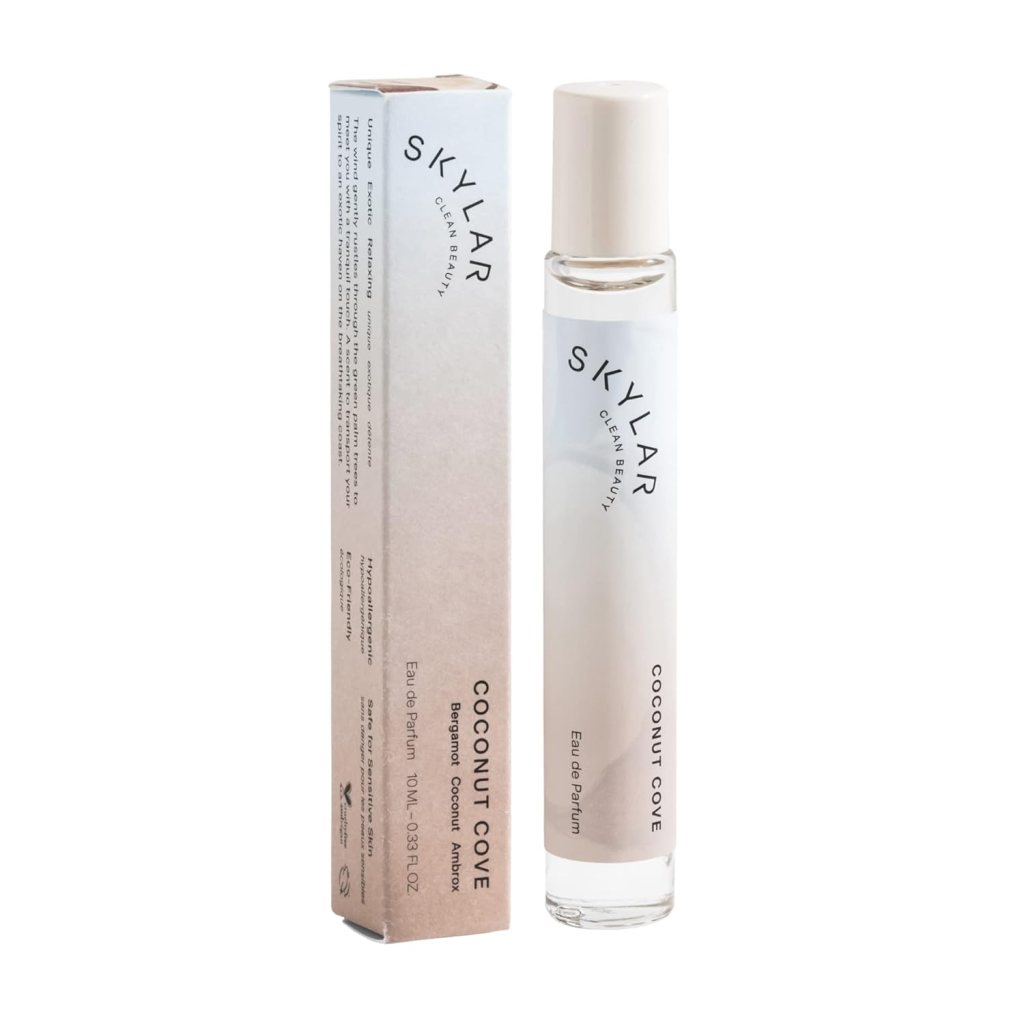
    • Skylar Coconut Cove Eau de Parfum | Light, fresh, and breezy — blends coconut water, bergamot, and ambroxan in a clean, hypoallergenic formula. Vegan, cruelty-free, and free from phthalates, parabens, and synthetic dyes.
    Link – Skylar Coconut Cove Eau de Parfum
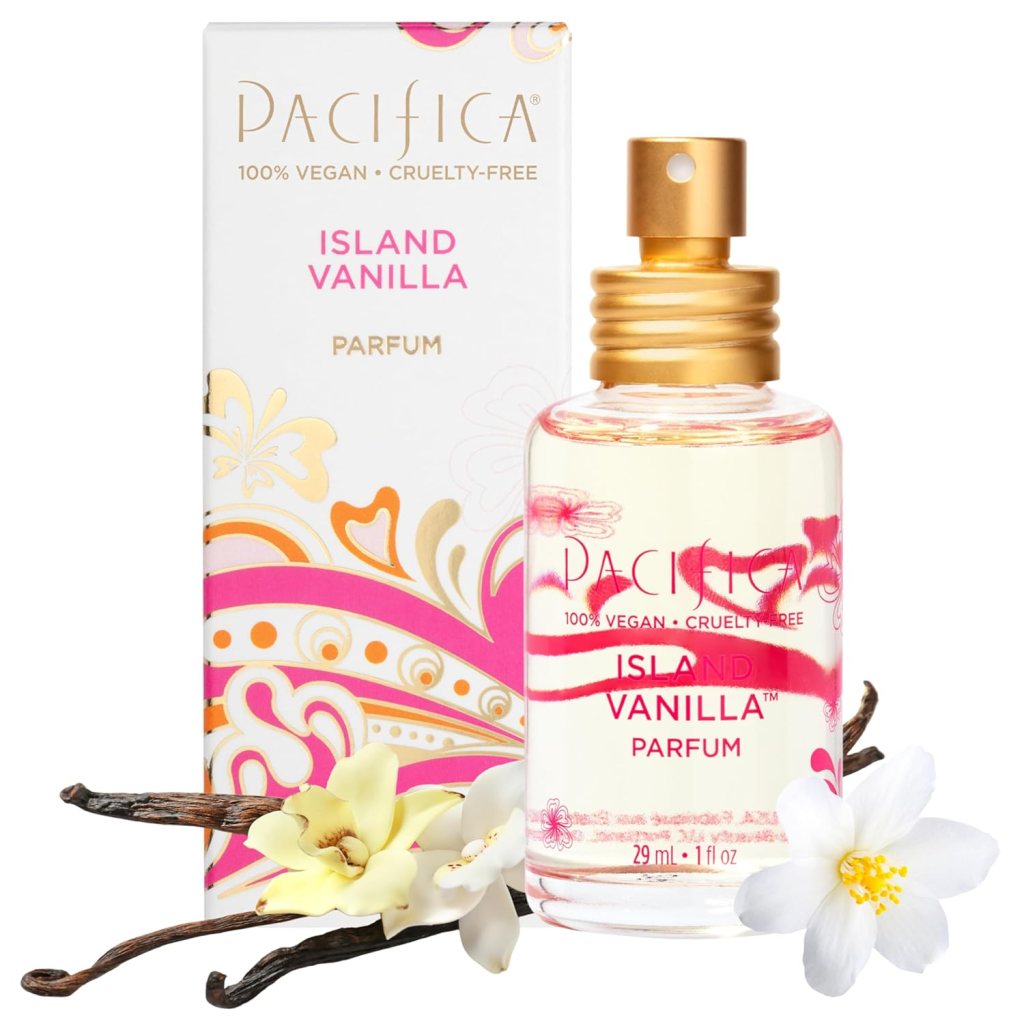
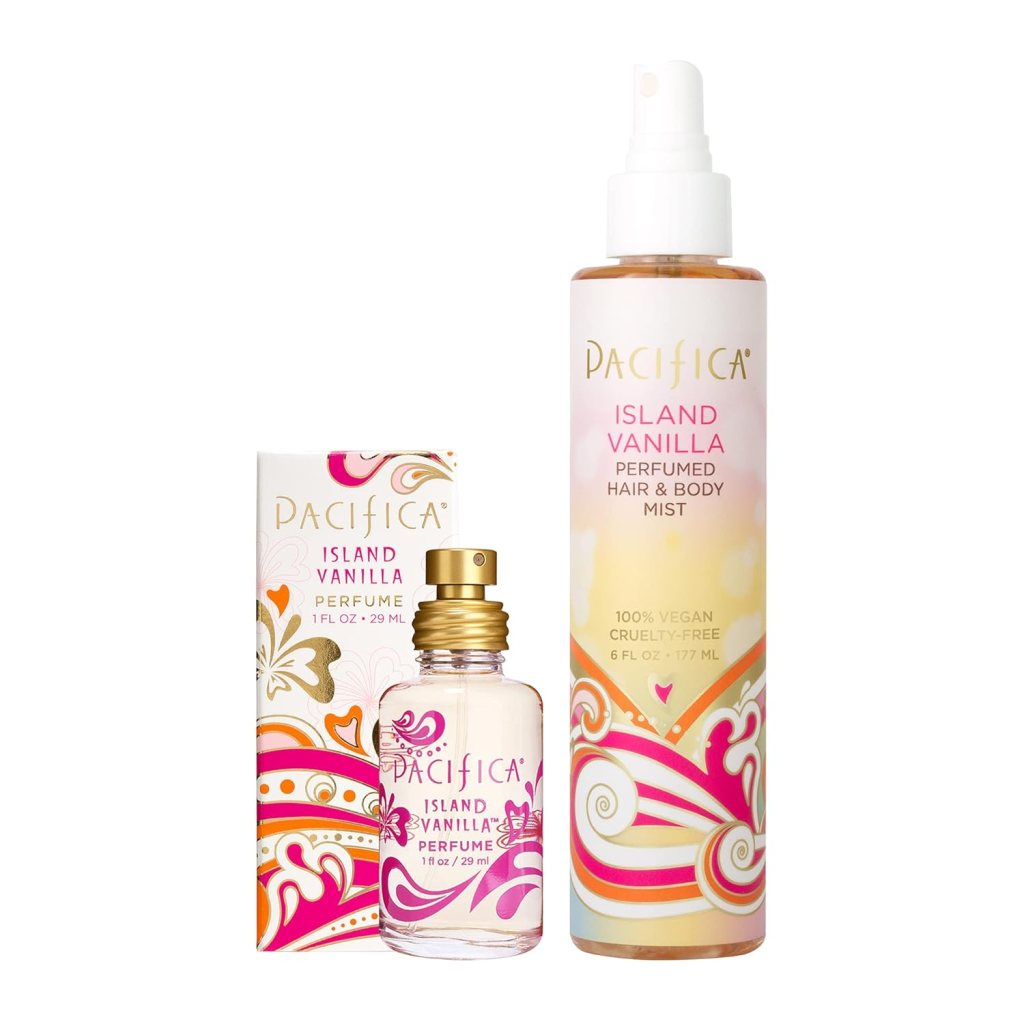
    • Pacifica – Island Vanilla | A clean, cruelty-free perfume blending creamy vanilla with subtle tea notes, made with natural alcohol and safe synthetics for a soft, skin-friendly scent.
    Link – Pacifica Island Vanilla Perfume

    Your Scent, Your Signal

    Purity without joy calcifies into another cage. Cheirosa 62 reminds me that integrity is a spectrum, not a scoreboard. When a fragrance mirrors the lightness I practice within, it becomes a partner in wholeness, even if its molecules were born in a lab.

    So I offer the question to you: Which product, clean or not, amplifies the state you want to live in, and how do you invite it in without betraying your larger intention? Share below. Vulnerability builds community; authenticity, not austerity, is the true clean beauty.

    When the inner conversation is coherent, the outer choices—whether jojoba oil or caramel-salted perfume—fall into elegant order. Skin calms, mind clears, and scent becomes an anthem for the quiet triumph happening beneath the surface.

    What about you?

    Do you have a scent that speaks to your soul—even if it doesn’t check every “clean” box?
    Have you ever let something stay in your life because it reminded you of joy, softness, or freedom?
    I’d love to hear how you navigate that line between purity and pleasure.
    Leave a comment, or just whisper it to yourself. Either way, it counts.

  • There’s a silent language we all speak, one woven into the very fabric of our being, yet often overlooked in our bustling, modern lives: scent. Think for a moment. What does the earthy perfume of rain-kissed soil do to your spirit? Or the comforting embrace of a loved one’s unique aroma? Scent isn’t just about what we smell; it’s a powerful conduit to memory, a profound trigger for emotion, and a subtle shaper of our energy.

    For years, many of us have been seduced by the glittering allure of mainstream perfumes, misting ourselves in a cloud of what we believed was luxury, sophistication, or even simple freshness. But beneath the surface of those captivating campaigns lies a truth many are only just beginning to uncover: a world where “fragrance” often serves as a smokescreen for a cocktail of chemicals, many of which are far from beneficial. We diligently seek out “clean” products for our food, our skincare, our homes, yet often, this most intimate of daily rituals—our personal scent—remains an unchecked frontier. Even products labeled “clean” can hide endocrine-disrupting chemicals under the guise of proprietary blends.

    This isn’t just about avoiding toxins; it’s about a deeper, more personal revolution. It’s about recognizing that what we put on our bodies is just as important as what we put in them. For me, the decision to ditch synthetic fragrances was a profound reclaiming of my own essence, an invitation to weave scent back into the very fabric of my soul-body ritual. It became less about masking and more about harmonizing.


    Why Mainstream Fragrance is a Health Trap

    The beauty industry is brilliant at marketing, and nowhere is this more evident than with fragrance. That single word, “fragrance,” or “parfum,” listed innocuously on an ingredient label, is perhaps one of the biggest hidden dangers in your daily routine. It’s a catch-all term, a legal loophole that allows companies to protect their “trade secrets” while concealing hundreds—sometimes thousands—of undisclosed chemical ingredients.

    Among these hidden chemicals are notorious offenders like synthetic musks and phthalates. These aren’t just tongue-twisters; they’re known endocrine-disrupting chemicals (EDCs) that can mimic or interfere with your body’s natural hormones. Think about it: your hormones regulate everything from your mood and metabolism to your reproductive health. Disrupting them can have far-reaching implications, contributing to issues like hormonal imbalances, reproductive problems, and even certain cancers.

    Beyond hormonal havoc, the connection between scent and our nervous system is profound. Many synthetic fragrances contain neurotoxic compounds that can trigger headaches, migraines, asthma attacks, and exacerbate sensitivities for those with chemical sensitivities. It’s like wearing a subtle lie on your skin—something designed to enhance, yet silently undermining your well-being. Your nervous system is constantly reacting to everything you encounter, and a constant assault of synthetic chemicals can keep it in a perpetual state of low-grade stress, impacting your overall calm and resilience.


    What Makes a Scent Truly Clean

    Navigating the world of “clean” beauty can feel like walking through a minefield of greenwashing. Labels like “natural-inspired” or “botanical blend” can be misleading. So, what truly makes a scent clean, nontoxic, and genuinely green?

    First and foremost, scrutinize the ingredient list. Look for transparency. Essential oils, derived directly from plants, are the gold standard. These pure, concentrated plant extracts capture the essence of their botanical source. Similarly, absolutes (highly concentrated aromatic materials extracted from plants) are also a sign of quality. These are combined with benign carrier oils like jojoba, fractionated coconut, or almond oil, which help to dilute the concentrated essential oils and allow for safe application to the skin. Opting for alcohol-free formulas is also key, as alcohol can be drying and irritating to the skin, and often serves as a vehicle for synthetic fixatives in conventional perfumes.

    One of the most magical aspects of truly natural scents is how they evolve on your skin. Unlike synthetic fragrances, which often have a linear, unchanging scent profile, natural perfumes are alive. Their base notes—the deeper, longer-lasting aromas—unfold and mingle with your unique body chemistry over time, creating a bespoke scent that is truly yours. It’s a dynamic, evolving experience, not a static application.


    Bonus: Oils vs. Solid Perfumes vs. Mists

    • Oils: Often the most concentrated and long-lasting form of natural fragrance. Applied directly to pulse points, they meld with your body chemistry for a deeply personal aroma.
    • Solid Perfumes: A convenient, travel-friendly option, typically made with a wax or butter base infused with essential oils. They offer a more intimate sillage (the trail of scent you leave).
    • Mists/Sprays: While less concentrated than oils, natural mists (often water or aloe vera based with essential oils) can offer a lighter, more refreshing application, perfect for a subtle pick-me-up or for layering. Always ensure the “mist” is truly natural and not just an alcohol-based spray with a few essential oils.

    5 Natural Scents That Feel Like Rituals

    Choosing a natural scent isn’t just about finding a pleasant smell; it’s about discovering an aromatic ally that enhances your daily rituals and resonates with your energy. Here are five beautiful options that can transform your scent experience from a routine into a magical moment of presence.

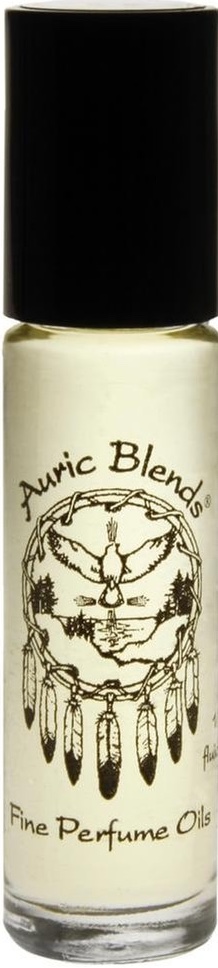
    1. Auric Blends Egyptian Goddess Roll-On Perfume

    Auric Blends Egyptian Goddess Roll-On Perfume
    Auric Blends Egyptian Goddess Roll-On Perfume
    • Poetic one-liner: The softest sigh of dawn, kissed by starlight.
    • Sensory description: An ethereal and subtly sweet blend, often described as a clean, delicate musk with hints of soft florals and a powdery finish. It’s gentle and luminous, evoking a feeling of serenity and quiet grace.
    • Skin feel + longevity: A light, fast-absorbing oil that glides smoothly onto the skin. It wears intimately, becoming a gentle “skin scent” that typically lasts for 3-5 hours, requiring reapplication for prolonged presence.
    • When to wear it: Perfect for moments of quiet reflection, gentle transitions, or when you desire a subtle, comforting scent that feels like a whisper. Ideal for daytime wear, meditation, or feeling effortlessly fresh.
    • Link:Amazon Link to Auric Blends Egyptian Goddess Roll-On Perfume

    2. ElizabethW Vetiver Rollerball

    ElizabethW Vetiver Rollerball
    • Poetic one-liner: The tranquil depth of the earth meets the invigorating zest of morning light.
    • Sensory description: A sophisticated and balanced aroma, where the deep, woody, and slightly smoky character of vetiver is beautifully lifted by vibrant, fresh citrus notes, particularly bright bergamot. It’s grounded yet remarkably fresh and clean.
    • Skin feel + longevity: A smooth-gliding rollerball oil that absorbs well, leaving a subtle, lingering scent. It projects moderately initially and then settles into an elegant skin scent, offering good longevity for a natural oil, often lasting 4-6 hours.
    • When to wear it: An ideal scent for cultivating focus and clarity, for moments when you need to feel both grounded and mentally energized. Excellent for daily wear, professional settings, or as a calming presence during meditation.
    • Link: Amazon Link to elizabethW Vetiver Rollerball

    3. Pacifica Island Vanilla Spray Perfume & Hair and Body Mist Set (Focus on the Mist)

    Pacifica Island Vanilla Spray Perfume & Hair and Body Mist Set (Focus on the Mist)
    • Poetic one-liner: The warm, sweet whisper of an island breeze, pure and gently grounding.
    • Sensory description: A creamy, authentic vanilla scent that feels comforting and naturally sweet, without being cloying. It’s soft, warm, and inviting, with subtle hints of jasmine and a grounding touch of vetiver and cacao, evoking a feeling of serene simplicity and warmth.
    • Skin feel + longevity: The Hair & Body Mist component of the set is a light, fine mist that feels refreshing on the skin and hair. As a mist, it offers a delicate sillage that lasts for a few hours, perfect for a subtle, personal aura or a refreshing pick-me-up throughout the day.
    • When to wear it: Ideal for everyday comfort, cozy moments, or whenever you desire a soft, inviting, and effortlessly beautiful aroma. It’s perfect for enhancing your sense of peace and warmth, especially as a gentle self-care ritual or a subtle, inviting presence.
    • Link:Amazon Link to Pacifica Island Vanilla Spray Perfume & Hair and Body Mist Set

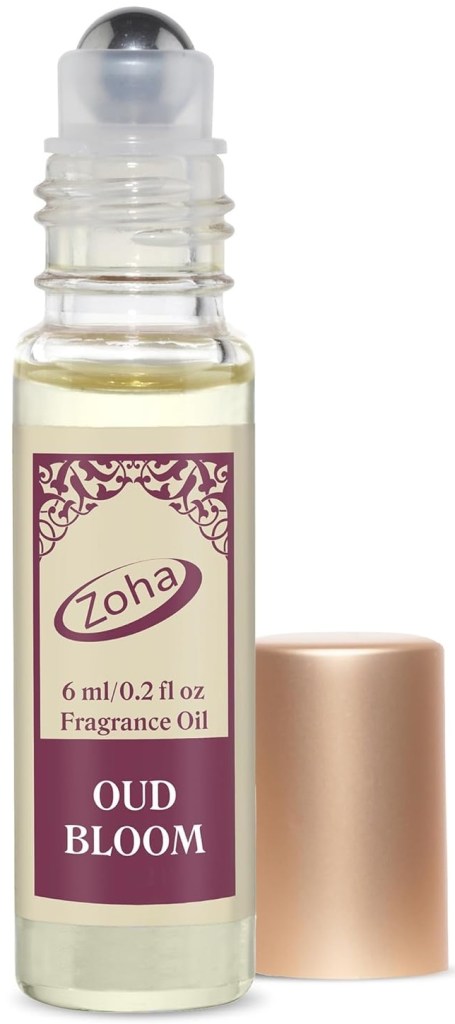
    4. Zoha Oud Bloom – Gourmand Oud Perfume Oil Roll On

    Zoha Oud Bloom – Gourmand Oud Perfume Oil Roll On
    • Poetic one-liner: A deep, sweet whisper of ancient woods and comforting warmth.
    • Sensory description: This oil blend offers a rich and resinous oud core, softened by inviting gourmand notes and subtle spices. It’s a warm, enveloping scent that feels luxurious and deeply grounding, with a touch of comforting sweetness that makes it very approachable.
    • Skin feel + longevity: A smooth, non-greasy roll-on oil that melts seamlessly into the skin. As an alcohol-free perfume oil, it wears close to the body, creating an intimate aura, and boasts excellent longevity, often lingering beautifully for 6+ hours, evolving with your body chemistry.
    • When to wear it: Perfect for moments when you seek deep grounding, inner strength, or a comforting presence. Ideal for evening wear, meditation, or when you want to feel enveloped in a rich, sophisticated aroma that truly lasts.
    • Link:Amazon Link to Zoha Oud Bloom – Gourmand Oud Perfume for Men and Women

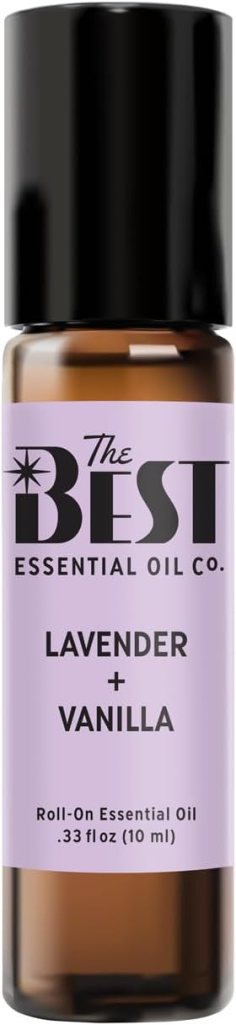
    5. The Best Lavender + Vanilla Essential Oil Roll-On Blend

    The Best Lavender + Vanilla Essential Oil Roll-On Blend
    • Poetic one-liner: A tranquil sigh of evening blooms, softened by sweet serenity.
    • Sensory description: This blend delivers a truly calming aroma of authentic lavender, beautifully mellowed by the warm, creamy essence of vanilla. It’s a soothing and harmonious scent designed to bring peace and comfort, without any artificial sharpness.
    • Skin feel + longevity: A smooth, pre-diluted oil roll-on in a coconut oil base, it feels nourishing on the skin and absorbs easily. It wears intimately as a calming personal scent, with the gentle aroma lingering for several hours, making it perfect for sustained tranquility.
    • When to wear it: Your go-to for winding down in the evening, enhancing meditation, or whenever you need a serene moment of calm amidst a busy day. Ideal for promoting relaxation and a sense of well-being.
    • Link:Amazon Link to The Best Lavender + Vanilla Essential Oil Roll-On Blend

    6. Plant Therapy Cedarwood (Atlas) Essential Oil (Pure & Undiluted)

    Plant Therapy Cedarwood (Atlas) Essential Oil (Pure & Undiluted)
    • Poetic one-liner: The ancient calm of towering timber, rooted and unwavering.
    • Sensory description: A warm, woody, and slightly sweet aroma, deeply grounding and comforting. This pure essential oil captures the true essence of cedarwood, known for its calming and steadfast presence. It’s clean, earthy, and distinctly natural.
    • Skin feel + longevity: This is a pure, undiluted essential oil, so it must be diluted with a carrier oil (like Jojoba, Fractionated Coconut, or Almond oil) before applying to the skin. When diluted (e.g., 2-3 drops per 10ml of carrier oil in a roller bottle), it creates a deeply personal skin scent that is remarkably long-lasting, often lingering for many hours.
    • When to wear it: An exceptional choice for grounding during meditation, cultivating focus for work, or simply when you desire to feel centered and connected to nature. Its calming properties make it perfect for unwinding in the evening or seeking mental clarity.
    • Link:Amazon Link to Plant Therapy Cedarwood (Atlas) Essential Oil

    Why These Scents Feel Like Magic

    This journey into natural scent isn’t just about what you smell like to others; it’s about presence, memory, and alignment. When you choose a scent crafted from the purest essences of nature, you’re not just applying something on you; you’re inviting something in tune with you.
    These aren’t static, one-note fragrances. They interact with your unique chemistry, evolve throughout the day, and become an extension of your energy. Choosing your daily scent transforms from a mundane routine into a conscious ritual—a moment to pause, to breathe, and to connect with yourself. You’re no longer masking; you’re accentuating. You’re no longer putting something on you that might be actively harming; you’re putting something in tune with your body, mind, and spirit. It’s an act of radical self-care and authentic expression.


    Final Thoughts & Call to Curiosity

    It’s time to smell more like yourself—your authentic, radiant self, unburdened by synthetic imitations. Don’t let fear of missing out on conventional perfumes hold you back. The world of natural scent is vast, rich, and incredibly rewarding. It’s an invitation to explore a more harmonious way of living, one breath at a time.

    I encourage you to try one of these natural wonders, or seek out another that calls to your spirit. Wear it during a moment of quiet reflection, during your morning ritual, or simply when you need a gentle reminder to breathe deeply. Feel the shift. Notice how different it feels to wear something that truly supports your well-being. The ones I listed above are clean, well-reviewed, and available on Amazon for ease, but always choose what aligns with your spirit.

    What natural scents have transformed your routine? Share your favorites in the comments below!

  • We’ve all been there: standing in front of the mirror, debating colors, cuts, and styles. Does this outfit make me look good? Do these shoes match? Our fashion choices are usually driven by aesthetics, by how we look. But how often do we consider what’s in our clothes and shoes? What are these materials actually made of, and how do they impact our comfort, our health, and even our planet?

    The truth is, the fabrics we wear and the materials that cradle our feet play a far more significant role than most of us realize. And nowhere is this more evident than when the temperatures soar and our bodies start to sweat. Choosing the right materials isn’t just about feeling a little cooler; it’s about minimizing skin irritation, preventing odors, and promoting overall well-being. Let’s unpack the hidden world of textiles and shoe components.

    The Fabric Files: What’s Really Touching Your Skin?

    Think of your skin as your body’s largest organ. It breathes, it sweats, and it absorbs. What you put against it all day, every day, makes a difference.

    The Problem with Synthetics

    Many of our wardrobes are filled with fabrics like polyester, nylon, acrylic, rayon, and spandex. These materials are popular for good reasons: they’re often durable, wrinkle-resistant, and relatively inexpensive. However, most of them are derived from petroleum, making them essentially forms of plastic.

    In hot weather, synthetics often become a liability. They tend to be poorly breathable, trapping heat and moisture against your skin. This creates a warm, damp environment – a perfect breeding ground for bacteria that lead to body odor and can even contribute to skin irritation like rashes or contact dermatitis. Furthermore, synthetic fabrics shed microplastics with every wash, contributing to environmental pollution and raising concerns about these tiny particles entering our ecosystems and potentially our bodies.

    Beyond their inherent properties, many synthetics, and even conventionally grown natural fibers, are subjected to a cocktail of harsh chemicals, dyes, and finishes. These can include formaldehyde for wrinkle resistance, flame retardants, PFAS for water repellency, and heavy metals in dyes. These chemicals aren’t just bound to the fabric; they can leach onto your skin, especially when you sweat, potentially causing allergic reactions, hormonal disruptions, or even being linked to more serious health concerns over time.

    The Benefits of Natural Fibers

    For optimal comfort and health, especially when it’s warm, turning to natural fibers is usually your best bet.

    • Cotton (Especially Organic Cotton): Cotton is a perennial favorite for a reason. It’s incredibly soft, highly breathable, and naturally hypoallergenic. It absorbs moisture well, which is great for wicking sweat away from your skin. While conventional cotton can be resource-intensive and often treated with pesticides and bleaches, organic cotton is grown without harmful pesticides, synthetic fertilizers, or harsh chemical finishes, making it a better choice for both your skin and the environment. In hot weather, cotton allows your skin to breathe freely.
    • Linen: Derived from the flax plant, linen is the unsung hero of hot climates. It’s exceptionally breathable, wonderfully moisture-wicking, and remarkably quick-drying. Linen fibers are also naturally temperature-regulating, keeping you cool when it’s hot. While it’s known for wrinkling easily, this characteristic adds to its relaxed, natural charm. Plus, flax requires very little water and pesticides to grow and typically minimal chemical processing, making linen a highly sustainable option.
    • Hemp: Another powerhouse natural fiber, hemp is incredibly durable and surprisingly softens with wear. Like linen, it’s highly breathable and grows quickly with minimal water or pesticides. It also possesses natural antimicrobial properties, which can help combat odor, and often requires fewer chemical treatments than other fibers.
    • Bamboo (Viscose/Lyocell): Often lauded for its incredible softness and silky feel, bamboo fabric is also very breathable and moisture-wicking. It feels cool against the skin. While some bamboo processing can be chemical-intensive (bamboo viscose), look for “bamboo lyocell,” which uses a more environmentally friendly, closed-loop system that minimizes chemical waste.
    • Wool (Especially Merino Wool): Don’t let the name fool you – wool isn’t just for winter! Lightweight merino wool is a marvel of nature. It’s an excellent temperature regulator, keeping you cool in summer by efficiently wicking sweat away from your skin and preventing that clammy feeling. Merino is also naturally odor-resistant and surprisingly soft, making it a fantastic choice for activewear and everyday garments in warmer weather. It’s also less likely to require heavy chemical treatments compared to many synthetics.

    The Foundation: Healthy Choices for Your Feet

    Our feet contain a quarter of our body’s bones and, on average, produce about half a pint of sweat per day! Trapping that moisture in unbreathable shoes can lead to a host of issues, from unpleasant odors and fungal infections like athlete’s foot to blisters and general discomfort. Just like with clothing, the materials in your shoes are crucial, not just for breathability but for minimizing chemical exposure.

    Materials to Consider & Avoid for Your Feet:

    • Natural Leathers (Full-Grain, Suede, Nubuck): Good quality, unlined leather (especially vegetable-tanned, which avoids harsh chromium-based chemicals common in conventional tanning) is naturally breathable and allows your feet to ventilate. Leather also molds to your feet over time, providing a custom fit and excellent durability.
    • Canvas: A classic for summer, canvas shoes are wonderfully breathable and lightweight. They’re perfect for casual wear when you need maximum airflow. Look for organic cotton canvas to minimize pesticide exposure.
    • Cork: Primarily used in insoles and midsoles, cork is a natural, sustainable material that is lightweight, cushioning, and naturally antimicrobial. It’s excellent for managing moisture and preventing odors within your shoes and requires minimal processing.
    • Engineered Mesh/Knit Uppers: Common in athletic shoes, these uppers can be highly breathable due to their woven structure and ventilation zones. While often synthetic, their design prioritizes airflow, making them a better choice than solid synthetic panels. Look for designs specifically prioritizing airflow, and if possible, seek out recycled synthetic options to reduce virgin plastic use.
    • Avoid (or use with caution): Synthetic leathers (PU, PVC) are notorious for trapping heat and moisture, offering poor breathability, and often containing questionable chemicals like phthalates, which can be endocrine disruptors. Heavy, unventilated synthetic uppers in general will make your feet miserable in warm weather and increase exposure to these chemicals.

    Making Smarter Choices: Practical Tips & Brand Suggestions

    Becoming a conscious consumer of fabrics and footwear doesn’t have to be complicated. Here are some straightforward tips and some brands known for healthier material choices:

    Tips for Shopping:

    • Read the Labels Diligently: This is your first and most important step. Always check the material composition for both clothing and shoes. Don’t assume.
    • Prioritize Natural Fibers: For garments closest to your skin, aim for cotton, linen, hemp, or merino wool.
    • Look for Certifications: Certifications like GOTS (Global Organic Textile Standard) for organic cotton ensure strict environmental and social criteria, including limits on harmful chemicals. OEKO-TEX Standard 100 certifies that a product has been tested for harmful substances and is safe for human ecological purposes. These are excellent indicators of cleaner production.
    • Consider Blends Thoughtfully: A small percentage of spandex might be fine for stretch, but aim for a high percentage of natural material for core comfort and to minimize synthetic exposure.
    • Focus on Shoe Uppers and Footbeds: A breathable upper combined with a natural or moisture-managing footbed (like cork) is ideal for healthy feet. Inquire about tanning processes for leather.

    Brands to Explore (with Amazon links for convenience):

    Here are some brands that prioritize natural, breathable, or thoughtfully designed materials for your comfort and health:

    For Healthy Clothing Choices:

    • Pact: Known for their commitment to organic cotton, Pact offers a wide range of super soft and breathable basics, from tees to underwear, all GOTS certified.
    • Boody: Specializing in organic bamboo, Boody provides incredibly soft and breathable essentials perfect for sensitive skin and hot days. Their products are often OEKO-TEX certified.
    • Prana: This brand is known for comfortable, durable clothing often made with organic cotton, hemp, and Tencel – excellent choices for breathability and sustainability in warmer climates. They offer a range from casual wear to activewear.
    • Woolly Clothing Co. / Merino.tech: For lightweight merino wool that excels at temperature regulation and odor resistance, these brands are excellent for both everyday wear and active pursuits, naturally requiring fewer chemical treatments. They offer a great selection of merino apparel on Amazon.

    Many of us automatically associate wool with cozy winter sweaters and thick socks, picturing it solely as a fabric designed to keep us warm. However, this is a common misconception that overlooks one of wool’s most remarkable properties: its incredible ability to regulate temperature. Lightweight merino wool, in particular, is a natural wonder, keeping you surprisingly cool in hot weather by efficiently wicking moisture away from your skin and allowing for excellent airflow. It helps your body maintain a comfortable temperature regardless of the outside conditions, making it far more versatile than just a cold-weather staple.

    For Healthy Shoe Choices:

    • Allbirds: Famous for their innovative use of wool and tree fibers, Allbirds shoes are incredibly breathable, lightweight, and comfortable, making them a great choice for everyday wear with a focus on sustainable materials.
    • OluKai: Offering premium comfort and style, OluKai sandals and shoes often feature high-quality leather uppers and anatomically designed footbeds, providing excellent breathability and support.
    • Clarks: Many Clarks models, particularly their casual and summer lines, feature breathable leather uppers and comfortable designs with good ventilation. Look for specific lines that emphasize breathability.
    • Skechers (Go Walk/Breathe Easy lines): These specific Skechers lines often incorporate highly breathable mesh uppers and lightweight, comfortable designs that are great for warmer weather.
    • Xero Shoes / Vivobarefoot: These minimalist brands often prioritize flexible, wide-toed designs with breathable, quick-drying materials, promoting natural foot movement and health by minimizing unnecessary components and focusing on natural foot function.

    Your Wardrobe, Your Well-being: A Conscious Choice

    The clothes on your back and the shoes on your feet are more than just fashion statements; they are extensions of your skin and direct interfaces with your environment. Ignoring the materials they’re made from, and the chemicals they’re treated with, means missing a crucial opportunity to enhance your comfort, safeguard your health, and contribute to a more sustainable world.

    By choosing natural fibers, opting for less-toxic processing, and seeking out breathable footwear, you’re not just making a purchase; you’re making a conscious choice for a healthier lifestyle. Empower yourself to look beyond the hanger, read the labels, and invest in garments and shoes that truly serve your well-being. When you dress smarter, you don’t just feel better, you live better – from the skin in.

    What do you think of these revisions? I’ve tried to weave the chemical aspect into both the “Problem with Synthetics” and the benefits of natural fibers, and also in the shoe section. The conclusion now aims to be more impactful and empowering.

  • The sound of a dental drill. Is there any other noise that inspires such a universal, primal sense of dread? For most of my life, I believed what we’re all taught: that teeth were a one-way street to decay. I saw them as inert, chalk-like structures that were helplessly under attack from sugar, destined to be drilled, filled, and managed by a dentist who held all the power. My role was simply to brush with a fluoride toothpaste, floss occasionally, and show up for my scheduled punishment.

    This narrative of helplessness, I’ve learned, is perhaps the most damaging part of modern dental dogma. It robs us of our agency and disconnects us from the vibrant, living nature of our own bodies. My journey began with a simple, nagging question: What if we have it all wrong? What if our teeth aren’t passive victims but active participants in our health, with a profound, innate ability to heal and regenerate?

    This question led me down a rabbit hole of research, self-experimentation, and, ultimately, a complete transformation in how I view my oral health. I’m writing this today to share that journey. I am not a dentist or a doctor, but I am someone who has actively rebuilt the health of my own teeth by rejecting the mainstream narrative and embracing a holistic, logical, and deeply empowering approach. I’ve done it, I’m living it, and it all started by questioning a single, ubiquitous ingredient: fluoride.

    The Awakening: Why I Broke Up with Fluoride

    My decision to eliminate fluoride wasn’t a flippant one. It was the result of hours spent digging into research that isn’t typically shared in a dentist’s waiting room. I learned that the fluoride in our water and toothpaste is often a raw industrial byproduct, a far cry from the naturally occurring calcium fluoride. More alarmingly, I discovered a growing body of research from the holistic and scientific communities concerning its systemic effects.

    The most compelling argument for me was the evidence surrounding the pineal gland. This tiny, pinecone-shaped gland in the center of our brain, often called the “third eye,” is responsible for producing melatonin and regulating our circadian rhythms. Unfortunately, it’s also a magnet for fluoride, which can accumulate and form phosphate crystals, leading to calcification of the gland. The potential implications—disrupted sleep, hormonal imbalances, and a dulled intuition—were something I could no longer ignore. For me, the risk of systemic harm far outweighed any purported benefit to my teeth.

    This realization sent a cascade of other beliefs tumbling down. If the foundation of modern dentistry—fluoride—was questionable, what else was I blindly accepting? I began to see the “drill and fill” model as a symptom-management system. It addresses the decay (the symptom) but does absolutely nothing to address the root cause: a systemic imbalance in the body. A cavity is not a sign that your tooth has a filling deficiency; it’s a sign that your body’s internal environment is out of balance. This is where the real work, and the real healing, begins.

    The True Foundation: You Can’t Remineralize on a Poor Diet

    The single most important lesson I’ve learned is this: You cannot heal your teeth from the outside in. Creams, pastes, and rinses are merely supporting actors. The leading role is played by your diet. The work of Dr. Weston A. Price, a dentist who traveled the world in the 1930s to study the diets of isolated, traditional cultures, changed everything for me. He found people with beautiful, straight, cavity-free teeth who had never seen a toothbrush. Their secret? A diet rich in nutrient-dense, whole foods.

    Inspired by his work, I shifted my entire nutritional focus to providing my body with the specific building blocks it needs to remineralize enamel from the blood vessels within the tooth.

    The Holy Trinity: Fat-Soluble Vitamins A, D, and K2

    This is the cornerstone. These three vitamins work in powerful synergy to regulate mineral absorption and distribution.

    • Vitamin A: Crucial for producing saliva, which is your mouth’s first line of defense. It also helps in the formation of dentin, the bony tissue that forms the bulk of the tooth beneath the enamel. I get mine from sources like grass-fed butter, egg yolks, and beef liver.
    • Vitamin D: This “sunshine vitamin” is a hormone that allows you to absorb calcium from your gut. Without enough Vitamin D, you could consume all the calcium in the world and it wouldn’t matter. Sun exposure is best, but in colder months, supplementation is key.
    • Vitamin K2: This is the traffic cop of the system and perhaps the most critical, underappreciated nutrient for dental health. Vitamin K2’s job is to tell the calcium where to go. It activates proteins that deposit calcium into your bones and teeth, and just as importantly, keeps it out of soft tissues like arteries and kidneys. The best sources are high-fat dairy from grass-fed cows (butter, gouda, brie), natto, and egg yolks.

    My Amazon Pick for Support: Getting enough D3 and K2 in the proper ratio from diet alone can be challenging. I started taking a high-quality D3+K2 supplement daily, and it became a non-negotiable part of my routine. I look for one that uses the MK-7 form of K2 for better absorption and is suspended in a healthy oil like coconut or olive oil. This one has been my go-to for a while: Dr. Mercola Vitamins D3 & K2 Dietary Supplement, 90 Servings

    The Building Blocks: Calcium and Phosphorus

    You need the raw materials to rebuild your enamel walls. I made a conscious effort to up my intake of bioavailable calcium and phosphorus.

    • Foods I Embraced: Full-fat raw milk and cheese (if you tolerate dairy), bone-in sardines, bone broth simmered for 24+ hours, dark leafy greens like kale, and almonds.
    • Foods I Eliminated: The biggest change was drastically reducing foods that contain phytic acid—an “anti-nutrient” found in grains, beans, nuts, and seeds that binds to minerals like calcium and phosphorus and prevents their absorption. I also eliminated processed foods, industrial seed oils, and, of course, refined sugars, which create the acidic environment that leaches minerals from your teeth in the first place.

    Crafting My Natural Oral Care Toolkit

    With the internal, nutritional foundation laid, I turned to my external routine. My goal was to create a supportive, non-toxic environment in my mouth that would encourage the remineralization my diet was now fueling.

    Every morning, before I even drink a glass of water, I start with oil pulling. Swishing with a tablespoon of organic coconut oil for 15-20 minutes has become a non-negotiable ritual. It’s an ancient Ayurvedic practice, and for me, it feels like it detoxifies my gums and leaves my entire mouth feeling incredibly fresh and clean in a way that brushing alone never could.

    My Amazon Pick for Oil Pulling: Any high-quality, organic, cold-pressed, unrefined coconut oil will do the job. I usually buy it in a large tub because I use it for everything, but having a dedicated jar in the bathroom makes the morning routine seamless. This is the one I’m using at the moment: Coconut Oil Pulling Mouthwash – Advanced Ayurvedic Pulling Oil for Healthy Gums & Fresh Breath

    Switching my toothpaste was the next big step. My search for an effective, fluoride-free alternative led me to nano-hydroxyapatite (nHA) toothpaste. Learning that nHA is the very mineral our enamel is composed of was a lightbulb moment. Instead of a chemical agent, I’m now brushing with the literal building blocks of my teeth. The difference in sensitivity and strength has been remarkable. It cleans effectively while actively aiding the remineralization process.

    My Amazon Pick for Toothpaste: There are several excellent nHA toothpaste brands now. I choose ones that are transparent about their ingredients, are 100% fluoride-free, and don’t contain other harmful additives like SLS or artificial sweeteners. I recommend finding one with a high concentration of nHA. This is the one I’m currently using: Boka Fluoride Free Toothpaste Nano Hydroxyapatite, Helps Remineralize, Appropriate for Sensitive Teeth, Whitening

    Finally, to support my oral environment throughout the day, I started chewing mastic gum. It’s a natural resin from the Pistacia lentiscus tree, native to the Greek island of Chios. It’s not a sugary commercial gum; it’s a firm, medicinal resin that has been used for centuries. Chewing it is fantastic for stimulating mineral-rich saliva, which is key for keeping my mouth alkaline and promoting constant, gentle remineralization. It also provides a great workout for the jaw.

    My Amazon Pick for Mastic Gum: Be sure to get authentic Chios Mastic Gum. It will come as small, tear-drop-shaped, sun-dried crystals. It’s harder to chew than regular gum, but its therapeutic benefits are worth it. I look for brands that source it directly from the growers’ association in Chios. I love this one, it’s the real deal: Natural Mastic Gum, Greek Chios Pure Resin

    Conclusion: You Are the Healer

    My journey back to dental health has been about so much more than teeth. It has been about reclaiming my personal power and rejecting the disempowering notion that my body is fundamentally flawed.

    Your teeth are not dead rocks. They are living, porous structures, intricately connected to the health of your entire body, constantly being remodeled by the nutrients in your bloodstream. By shifting your focus from fighting symptoms on the outside to nourishing your body from the inside, you provide the environment for true healing to occur.

    This path requires more effort than squirting a blue gel on a brush, but the rewards are immeasurable. It’s the confidence of knowing you are the one in control. It’s the quiet satisfaction of feeling your teeth grow stronger and less sensitive. It’s the freedom from the fear of the dentist’s chair. You are the builder, the guardian, and the healer of your own smile.

    ***A Note Before You Go: Thank you for reading about my journey. Please remember that I am sharing my personal story and the results of my own research. I am not a medical or dental professional. All information in this post is intended for educational purposes only and should not be taken as medical advice. Always seek the guidance of a qualified health professional you trust for any questions regarding your health or before making any changes to your routine.

  • Take a moment for a candid self-assessment. As you read this, how are you sitting? Are your shoulders gently pulled back, your spine tall, your head balanced gracefully over your shoulders? Or, like so many of us, have you settled into that all-too-familiar curve—the crescent-shaped slump that has become the default posture of modern life?

    We are a society defined by the seated position. Our days are spent folded into chairs—in front of desks, behind steering wheels, and on plush couches. With this sedentary reality comes an almost involuntary companion: the slouch. We may dismiss it as a mere bad habit, a sign of fatigue, or an unfortunate aesthetic, but the true cost of this posture spirals far deeper than appearance. It’s a silent saboteur, systematically compromising everything from our neurological function to our emotional state.

    The most obvious consequence, of course, is pain. The human spine is an engineering marvel with three natural curves designed to absorb shock and support our upright stance. When you habitually slump forward, you force this elegant structure into a strained, unnatural ‘C’ shape. For every inch your head drifts forward from its neutral position, it adds approximately 10 pounds of effective weight for your neck and upper back muscles to support. This sustained load leads to a cascade of musculoskeletal complaints: chronic neck and shoulder pain, debilitating tension headaches, and over time, the potential for abnormal curvature and disc degeneration. But this is just the tip of the iceberg.

    The Hidden Toll on Your Body’s Internal Systems

    Beneath the surface of the aches and pains, a more insidious series of events is unfolding. Slouching physically compresses your entire torso, waging a quiet war on your internal organs and critical bodily functions.

    1. The Compromise of Breath and Energy: Your lungs and diaphragm require space to function optimally. When you hunch forward, your rib cage drops and your chest cavity constricts, limiting the diaphragm’s ability to descend fully. This prevents you from taking deep, efficient breaths, forcing you into a pattern of shallow “apical” breathing. The result is lower oxygen saturation in your blood. This oxygen deficit starves your brain and muscles, leading to persistent fatigue, a lack of focus, and that all-too-common feeling of mental fog, no matter how much sleep you got.

    2. The Neurological Disruption: Your spine is the primary conduit for your central nervous system. A forward head posture, a hallmark of slouching, can lead to the compression of nerves at the base of the skull, a common trigger for stubborn cervicogenic headaches that radiate pain from the neck upwards. Furthermore, slumped shoulders and a forward-rolling posture can contribute to Thoracic Outlet Syndrome, a condition where nerves and blood vessels between your collarbone and first rib become compressed. This can manifest as alarming tingling, numbness, or weakness in your arms and hands. The slouch also puts pressure on the vagus nerve, a critical “information highway” connecting the brain to the gut. Disruption of this nerve can impair digestion, heart rate variability, and the body’s ability to switch from a “fight-or-flight” stress state to a “rest-and-digest” calm state.

    3. The Digestive Slowdown: When you slump, you put direct physical pressure on your abdominal organs. This can slow down the entire digestive process, contributing to a host of uncomfortable issues like heartburn, acid reflux, and constipation. By physically kinking the intestines, poor posture can delay the processing of food, leading to gas and bloating.

    4. The Surprising Link to Mood and Mindset: Perhaps the most profound impact of slouching is on our mental and emotional landscape. The connection between body and mind—often termed “embodied cognition”—is a powerful two-way street. A collapsed, inward posture doesn’t just reflect a negative mood; it can actively create and reinforce it. Research has shown that individuals who maintain a slumped posture find it easier to recall negative memories and report higher levels of stress. Physiologically, slouching is linked to lower levels of testosterone (a hormone associated with confidence and power) and higher levels of cortisol (the primary stress hormone). Conversely, adopting an upright, expansive posture for as little as two minutes can measurably boost confidence and decrease anxiety. Your body is constantly sending feedback to your brain, and a slouch is a perpetual signal of vulnerability and defeat.

    Reclaiming Your Posture: An Actionable Guide to Standing Tall

    Breaking the slouching cycle is not about forcing yourself into a rigid, military-style stance. It’s a process of re-educating your body through awareness, environmental adjustments, and targeted movements.

    1. Cultivate Active Awareness: The first and most crucial step is to notice. You cannot fix a habit you are not aware of. Set periodic reminders on your phone or computer. When the alarm sounds, perform a quick posture check. Are your shoulders creeping up toward your ears? Is your chin jutting forward? Gently reset: align your ears over your shoulders, shoulders over your hips. Feel your shoulder blades slide down your back. Take a deep, diaphragmatic breath. This simple act of resetting, repeated throughout the day, begins to retrain your neuromuscular patterns.

    2. Engineer Your Environment for Success: Your surroundings should support good posture, not sabotage it.

    • At the Desk: Your monitor should be positioned so your eyes are level with the top third of the screen, preventing your head from tilting. Sit all the way back in your chair, using a dedicated lumbar pillow if needed to support the natural curve of your lower back. Your feet should be flat on the floor, knees at a 90-degree angle.
    • While Driving: Adjust your seat to be more upright, avoiding the deep recline that encourages slouching. Ensure you have good lumbar support, and position the headrest to be close to the back of your head.
    • On Your Phone (“Tech Neck”): The average person spends hours a day looking down at their phone, putting immense strain on the neck. Make a conscious effort to lift your phone closer to eye level instead of dropping your head to meet it.

    3. The 10-Minute Daily Posture Reset: Counteract hours of slumping with a short, targeted routine.

    • Wall Angels (2 minutes): Stand with your back against a wall, feet slightly forward. Try to maintain contact with the wall with your tailbone, upper back, and head. Raise your arms to the side with elbows bent at 90 degrees, like a goalpost. Slowly slide your arms up the wall, then back down, keeping your arms and wrists in contact with the wall. This mobilizes the shoulders and thoracic spine.
    • Doorway Stretch (1 minute per side): Stand in a doorway and place your forearms on the frame, elbows slightly below shoulder height. Gently step forward with one foot until you feel a deep stretch across your chest. Hold for 30 seconds, breathe deeply, and switch legs.
    • Chin Tucks (2 minutes): While sitting or standing tall, gently draw your chin straight back as if creating a “double chin,” without tilting your head. You should feel a stretch at the base of your skull. Hold for 5 seconds and repeat 10-15 times to strengthen the deep neck flexors.
    • Cat-Cow (2 minutes): Start on your hands and knees. As you inhale, drop your belly and look up, arching your back (Cow). As you exhale, round your spine, tuck your chin to your chest, and press the floor away (Cat). This dynamic movement improves spinal flexibility and awareness.
    • Upper Back Rows (2 minutes): Use a resistance band anchored to a doorknob. Standing tall, pull the band toward your torso, focusing on squeezing your shoulder blades together as if you were trying to crack a nut between them. This strengthens the rhomboids and trapezius muscles that hold your shoulders back.

    Tools for the Trade

    While habits are paramount, a few well-chosen products can provide crucial support and biofeedback on your journey.

    • Upright GO Premium Posture Trainer: This small, discreet device adheres to your upper back and provides a gentle vibration when it detects you are slouching. It’s not a brace, but a kinesthetic trainer that builds your own muscle memory. It pairs with an app to track your progress, serving as a persistent personal posture coach. (Product LINK)
    • Everlasting Comfort Lumbar Support Pillow: For those long hours in an office chair or car, a dedicated lumbar support pillow is non-negotiable. This memory foam pillow is designed to conform to and support the natural curve of your lower spine, preventing the pelvic tilt that starts the cascade of a full-body slouch. (Product LINK)
    • The Original Body Roller – High-Density Foam Roller: A foam roller is a versatile tool for releasing the myofascial tension that “glues” you into a bad posture. Lying with the roller perpendicular to your spine in the upper-back region and gently rolling can help to mobilize a stiff thoracic spine and relieve the tightness that contributes to rounded shoulders. (Product LINK)
    • Standing Desk Converter: Rather than replacing your entire desk, a converter sits on top and allows you to transition between sitting and standing. Alternating between sitting and standing throughout the day is one of the most effective ways to combat the negative effects of a sedentary lifestyle and naturally prevent slouching. (Product LINK)
    • AcuCurve Cane Massage Stick: Slouching often creates deep, painful knots (trigger points), particularly between the shoulder blades. A tool like the AcuCurve Cane allows you to apply targeted pressure to these hard-to-reach spots, releasing muscle tension and making it easier and more comfortable to hold an upright posture. (Product LINK)

    The journey away from the slouch is a marathon, not a sprint. It is a conscious choice to invest in your long-term health, moving from a posture of collapse and fatigue to one of vitality and strength. With each gentle correction, each stretch, and each mindful breath, you are rewriting your body’s story—choosing to stand taller, breathe deeper, and live with greater energy and confidence.

    Final Thoughts: The Journey to an Upright Life

    Ultimately, reclaiming your posture is not about achieving a rigid, unnatural stiffness; it’s about restoring the natural, buoyant alignment your body was designed to inhabit. It is a conscious and powerful choice to invest in your long-term health, moving from a physical vocabulary of collapse and fatigue to one of vitality and strength.

    The journey away from the slouch is a marathon, not a sprint. It requires patience and consistent, gentle effort. There will be days you forget, moments you catch yourself sinking back into old, comfortable habits. But with each mindful correction, each targeted stretch, and each deep, intentional breath, you are fundamentally rewriting your body’s story. You are choosing to stand taller, breathe more deeply, and engage with the world with greater energy and confidence. By pushing back against the gravitational pull of our modern lives, you are not just improving your posture—you are upgrading your entire well-being.

  • The calendar pages turn, the days stretch longer, and for many, the sweet anticipation of summer vacation fills the air. Whether it’s a sun-drenched beach escape, a rugged mountain adventure, a bustling city break, or a quiet retreat, travel holds an irresistible allure. It promises a break from routine, new experiences, and a chance to recharge. Yet, amidst the excitement of planning itineraries and packing suitcases, one crucial aspect often takes a backseat: our health and well-being.

    The paradox of vacation is that while it’s meant to rejuvenate us, it can sometimes leave us feeling more drained than refreshed. Disrupted sleep patterns, unfamiliar foods, constant movement, prolonged sitting, and exposure to new environments can all take a toll. The stress of travel itself – from navigating airports to unforeseen delays – can contribute to physical and mental fatigue. But what if you could embark on your adventures without sacrificing your vitality? What if you could return home not just with souvenirs and memories, but genuinely healthier and more energized? It’s entirely possible. This post will serve as your comprehensive guide to maintaining your physical and mental health on the road, ensuring your vacation truly recharges your mind, body, and spirit.


    I. Prioritizing Physical Health: Fueling Your Adventures

    Our bodies are our vehicles for exploration, and just like any journey, they need proper fuel, care, and attention. Ignoring physical needs on vacation can quickly lead to fatigue, illness, and a diminished experience.

    A. Mindful Eating & Hydration: Nourishing Your Journey

    The temptation to indulge on vacation is strong, and a little indulgence is part of the fun. However, a complete abandonment of healthy eating habits can derail your energy levels and overall well-being.

    Before you even leave home, a little foresight goes a long way. Stock up on healthy, travel-friendly snacks like nuts, seeds, protein bars, or even portioned servings of whole-grain crackers. Consider packing a reusable snack container to keep things organized and prevent crushing (Shopping LINK). Once at your destination, take a moment to research local grocery stores or healthy eateries. Apps can be invaluable for finding places that cater to specific dietary needs or offer fresh, wholesome fare.

    While traveling, be particularly vigilant about hydration. Air travel, in particular, is dehydrating. Carry a reliable reusable water bottle and refill it frequently whenever possible (Shopping LINK). If you’re unsure about tap water quality, stick to bottled water. Be mindful of alcohol consumption; while a celebratory drink is fine, excessive intake can lead to dehydration, disrupt sleep, and impair judgment, hindering your ability to fully enjoy your trip. When dining out, remember you’re in control. Look for grilled, baked, or steamed options over fried. Don’t hesitate to ask for sauces on the side or for extra vegetables. Embrace local fresh produce – exploring farmers’ markets can be a delightful and healthy culinary adventure. It’s okay to enjoy local delicacies and treats, but aim for a balanced approach: perhaps an 80/20 rule, where 80% of your choices lean towards healthful, and 20% allow for enjoyable splurges. Starting your day with a protein and fiber-rich breakfast can provide sustained energy, preventing mid-morning slumps and overeating later.

    B. Staying Active: Moving with Purpose

    Vacation often means more walking than usual, which is fantastic! But dedicated movement can still be crucial, especially if your trip involves long periods of sitting (flights, drives).

    Embrace active exploration as a core part of your itinerary. Opt for walking tours instead of bus tours, rent bikes to explore a city, hike scenic trails, or enjoy a swim in the ocean or hotel pool. These activities not only keep you active but also offer unique ways to experience your destination. If your hotel has a gym, even 20-30 minutes of cardio or strength training can make a difference. If not, don’t fret. Bodyweight exercises like squats, lunges, push-ups, and planks can be done anywhere. Pack a lightweight resistance band set – it’s versatile and takes up minimal space for a full-body workout on the go (Shopping LINK). Before you leave, try to maintain your regular fitness routine; it makes it easier to pick it up again on your trip. Most importantly, listen to your body. If you’re exploring a new climate or altitude, give yourself time to adjust and don’t push too hard initially. And don’t forget to stretch, especially after long periods of sitting, to prevent stiffness and improve circulation.

    C. Sleep Strategies: Rest for Rejuvenation

    Sleep is often the first casualty of travel, yet it’s foundational to both physical and mental well-being. Jet lag, new environments, and exciting late nights can all disrupt it.

    To combat jet lag, try to gradually adjust your sleep schedule a few days before departure, moving it closer to your destination’s time zone. Once you arrive, expose yourself to natural sunlight as early as possible – this helps reset your circadian rhythm. Try to stick to a consistent sleep schedule at your destination, even if it’s tempting to sleep in every day. Create a conducive sleep environment: make the room as dark, cool, and quiet as possible. Consider packing a comfortable eye mask and quality earplugs (Shopping LINK). Avoid heavy meals, excessive alcohol, and especially screen time (phones, tablets) in the hours leading up to bedtime. If you struggle to unwind, a travel-sized essential oil rollerball with lavender might help (Shopping LINK).

    D. Managing Germs & Illness: Your On-the-Go Defense

    Travel inevitably exposes us to new pathogens. A proactive approach can significantly reduce your risk of falling ill.

    Hand hygiene is paramount. Wash your hands frequently with soap and water, especially before eating and after public transport. Carry an alcohol-based hand sanitizer for times when soap and water aren’t available (Shopping LINK). Consider boosting your immunity with vitamin C and zinc supplements, but always consult with your doctor first. Pack a small, well-stocked travel first-aid kit. Essentials include pain relievers, band-aids, antiseptic wipes, allergy medication, antacids, and any personal prescription medications (in their original containers with a doctor’s note if necessary). You can find compact, pre-made travel first-aid kits that cover the basics (Shopping LINK). Before international travel, check recommended vaccinations and consider a pre-travel health check-up with your doctor.


    II. Cultivating Mental & Emotional Wellness: Beyond the Postcard

    Travel isn’t just about seeing new sights; it’s also about experiencing new feelings and perspectives. Nurturing your mental and emotional health is just as vital as physical care to ensure a truly enriching journey.

    A. Stress Reduction & Mindfulness: Finding Your Zen on the Go

    While vacation is meant to be relaxing, the planning, logistics, and unforeseen hiccups can sometimes induce stress.

    Strike a balance between planning and flexibility. Having a general itinerary is good, but over-planning every minute can lead to frustration if things don’t go perfectly. Leave room for spontaneity and last-minute discoveries. Practice digital detox moments – resist the urge to constantly check your phone or post on social media. Instead, fully engage your senses in the present moment: savor the taste of local food, listen to the sounds of a new city, appreciate the colors of a sunset. Short breathing exercises or guided meditations can be incredibly calming during stressful travel moments like delays or crowded spaces. Consider downloading a meditation app or bringing a travel-sized journal to jot down thoughts and reflections (Shopping LINK). Crucially, manage your expectations. Not every moment of your vacation will be perfect, and that’s okay. Embrace imperfections as part of the adventure.

    B. Financial Wellness & Security: Peace of Mind

    Financial stress can quickly overshadow the joy of travel. A little preparation can prevent major headaches.

    Set a realistic budget and stick to it. Overspending can lead to anxiety long after your trip ends. Consider travel insurance, especially for international trips, to cover unexpected medical emergencies, trip cancellations, or lost luggage. Safeguard your valuables – use hotel safes, keep your wallet secure, and be aware of pickpockets in crowded areas. A travel wallet with RFID blocking can offer an extra layer of security for your cards (Shopping LINK). Make copies of important documents (passport, visas, flight details) and store them separately or digitally. Having quick access to emergency funds or a backup credit card can also provide significant peace of mind.

    C. Safety & Security: Staying Aware

    Your personal safety is paramount. Being aware of your surroundings and taking sensible precautions can prevent stressful situations.

    Before you go, research local customs, laws, and any safety advisories for your destination. Be aware of your surroundings, especially when exploring unfamiliar areas, at night, or in crowded tourist spots. Trust your gut feeling – if a situation feels off, remove yourself from it. Know how to contact local emergency services and have the contact information for your country’s embassy or consulate readily available. Inform someone reliable back home about your itinerary and check in periodically. For solo travelers or those venturing off the beaten path, a personal safety alarm can offer an added sense of security (Shopping LINK).

    D. Connection & Reflection: Enriching Your Experience

    Travel offers unique opportunities for connection and personal growth.

    Make an effort to connect with your travel companions, or if traveling solo, with locals. A friendly conversation or a shared meal can enrich your experience immensely. Journaling can be a powerful tool to process your experiences, capture memories, and reflect on new insights gained during your travels. Don’t fill every moment with activity. Allow yourself quiet time for introspection, whether it’s gazing at a view, reading a book, or simply enjoying the stillness. These moments of reflection can make your vacation more meaningful and restorative.


    III. Pre-Travel Preparation & Post-Travel Re-entry: The Full Circle

    A holistic approach to vacation health extends beyond the trip itself, encompassing smart preparation and a gentle re-entry.

    A. Health Checklist Before You Go

    Before packing your bags, schedule a general health check-up with your doctor, especially if you have pre-existing conditions or are traveling internationally. Ensure you have enough of any necessary prescription medications, kept in their original containers to avoid issues with customs. A quick dental check-up can prevent an unexpected toothache from ruining your trip. Research local healthcare facilities at your destination, just in case. Consider a multi-vitamin designed for travel to support your immune system (Shopping LINK).

    B. Easing Back Home

    The post-vacation blues are real, and rushing back into a demanding routine can exacerbate them. Don’t overschedule yourself immediately after returning. Give yourself a day or two to unpack, do laundry, and gently ease back into your home life. Prioritize sleep and healthy, home-cooked meals to re-establish your routine. Take time to process your experiences – look through photos, tell stories, and reflect on the lessons learned or the joy experienced. This helps integrate the positive effects of your vacation rather than letting them fade too quickly.


    Conclusion: Your Health, Your Journey

    Vacation is a precious opportunity to step away from the everyday, explore new horizons, and create lasting memories. It doesn’t have to come at the expense of your health and well-being. By adopting a proactive and holistic approach – focusing on mindful eating, staying active, prioritizing sleep, managing stress, and practicing smart safety – you can transform your travels into truly rejuvenating experiences. So, as you plan your next adventure, remember to pack your intention for wellness alongside your swimwear and sunblock. Travel smart, stay well, and let your journey be a vibrant testament to living life to its healthiest, happiest fullest.

  • We’ve all seen them: the 20-step tutorials for a “natural” look, the bathroom shelves overflowing with products promising a minimalist glow. The beauty industry has sold us a compelling but complicated myth: that the path to perfect skin is paved with an endless array of serums, lotions, and creams. But what if the opposite were true? What if the secret to truly radiant skin wasn’t about adding more, but about intentionally using less?

    Our skin is a remarkable, intelligent organ. It knows how to heal, protect, and regenerate itself. When we overload it with a dozen different products, we aren’t just weighing it down; we risk disrupting its natural balance. More often than not, we are introducing a cocktail of unnecessary chemicals, fillers, and toxins found in a shocking number of skincare and makeup products. This chemical load can lead to irritation, sensitivity, and a cycle of dependency on the very products causing the issue.

    The antidote to this chaos is targeted, knowledgeable skincare. The most crucial step is to know your skin. Period. When you understand what your skin truly needs, you can ditch the clutter and focus on a few powerful, high-quality ingredients that deliver real results. This is the philosophy at the heart of timeless Mediterranean beauty—an approach where skincare is the star performer, so makeup can be a joyful, optional accessory. This guide is designed to give you a framework to build that exact kind of routine: one that is simple, powerful, and perfectly personalized to you.
    Part 1: The Philosophy: Skin First, Makeup as an Accessory

    The ultimate goal is healthy, resilient skin that feels so good you need very little to enhance it. To achieve this, we build our routine on a “Power Trio”—the non-negotiable foundation of minimalist skincare.

    1. An Active: This is your treatment step, the powerhouse ingredient that actively works to address your specific skin goals, whether it’s managing texture with a retinoid or brightening with Vitamin C.
    2. A Moisturizer: This is your hydration and support layer. It replenishes moisture, supports a healthy skin barrier, and creates a smooth, supple canvas.
    3. A Sunscreen: This is your daily shield. It is the single most important step to protect your investment, preventing sun damage and preserving the hard work of your active ingredients.

    Part 2: Your AM Routine: The “Protect & Go” Framework

    Your morning routine should be swift, efficient, and focused on protecting your skin for the day ahead. The formula is simple and adaptable.

    The AM Formula: The Ordinary Niacinamide 10% + Zinc 1% + EltaMD UV Clear Tinted Face Sunscreen SPF 46 + e.l.f. Putty Blush

    Case Study 1: The Mediterranean / Oily & Resilient Skin Approach
    This routine is perfect for those in hot, humid climates or who have skin that can handle potent actives without irritation.

    Why This Works: This approach is built for efficiency and climate control. In high humidity, layering multiple products can feel heavy and lead to excess grease and clogged pores. By using a single, multi-tasking BB cream or tinted SPF, you deliver moisture, protection, and coverage without suffocating the skin. The Niacinamide active works in synergy with this, helping to regulate oil production and minimize the appearance of pores throughout the day, ensuring a fresh, non-greasy finish that lasts.

    Case Study 2: The Drier / Northern Climate Approach
    For those with drier skin or who live in less humid environments, the focus is on layering hydration for a dewy, protected barrier.

    • Optional Color: A dewy cream blush stick.

    Why This Works: Drier skin requires a “reservoir” of moisture to stay plump and comfortable all day. This routine strategically separates the moisture and SPF steps to maximize hydration. Applying a dedicated moisturizer first allows the skin to fully absorb its hydrating ingredients. Following with a separate sunscreen ensures you are getting the full, uncompromised SPF value stated on the bottle, creating a protective shield that locks in the moisture underneath and results in a lasting, dewy glow rather than a tight, dry feeling midday.

    Part 3: Your PM Routine: The “Repair & Restore” Framework

    The most transformative part of your routine happens while you sleep. Your PM routine is focused on deep cleansing and intensive repair.

    The PM Formula: Oil Cleanser: ANUA Heartleaf Pore Control Cleansing Oil + RoC Retinol Correxion Deep Wrinkle Serum + La Roche-Posay Cicaplast Balm B5


    Case Study 1: The Mediterranean / Resilient Skin Approach
    This routine is focused on maximum efficacy, accelerating cell turnover, and deep nourishment.

    • Cleanse: A gentle but effective cleanser. Double cleansing is recommended.
    • Active: A powerful PM Retinoid.
    • Sealant: A rich, nourishing balm like beef tallow or a thick ceramide cream.

    Why This Works: This is a powerful repair-and-nourish strategy that resilient skin can thrive on. The potent retinoid active does the heavy lifting of stimulating collagen and speeding up cell turnover. Following with a rich, occlusive sealant is the critical final step. It creates a “micro-environment” on the skin, locking the active ingredient in, preventing it from evaporating, and dramatically reducing overnight water loss. This ensures the retinoid works at maximum efficacy while the skin is deeply nourished and protected.

    Case Study 2: The Drier / Sensitive Skin Approach
    For sensitive skin, the goal is gentle repair that strengthens the skin barrier and prevents irritation.

    Why This Works: The philosophy here is “support, don’t challenge.” Sensitive or dry skin often has a compromised barrier. This routine prioritizes its restoration. The gentle active provides renewal benefits without triggering inflammation. The final sealant step, rich in ceramides or soothing oils, acts like a comforting blanket for the skin. It actively replenishes the lipids missing from the skin’s barrier, reducing redness, calming irritation, and helping the skin become stronger and more resilient over time.

    Part 4: The Minimalist’s “Extras”: Occasional Boosts & Evening Looks

    A minimalist lifestyle isn’t about rigid deprivation; it’s about making intentional choices. These additions are not for every day, but for when your skin—or your social calendar—calls for a little something extra.

    • The Weekly Treatment: Listen to your skin. Once or twice a week, consider swapping your PM sealant for an intensive overnight treatment. A hydrating leave-on mask can work wonders for parched skin. For a true luxury experience, some of the newer dissolving collagen film masks deliver an incredible plumping and firming effect while you sleep. – BIODANCE Bio-Collagen and Hydro Cera-nol Real Deep Mask

    • The Simple Evening Transition: Going out for the evening doesn’t require a whole new face. To elevate your look, simply add one or two high-impact elements. After refreshing your skin with a facial mist, smudge a soft kohl eyeliner along your upper lash line. Or, dab a touch of a liquid “glow” product or luminizer onto the high points of your cheekbones and the inner corners of your eyes. It’s an instant touch of glamour with minimal effort. – L’Oreal Paris True Match Lumi Glotion

    Personal Example: My Summer Routine

    To bring all of these principles together, I wanted to share my own unfiltered, personal routine. I live in a subtropical environment and have Mediterranean-type skin, which means it’s generally resilient but can get oily in the intense summer heat. This is the exact, simple, and targeted routine that keeps my skin balanced and glowing all season long.

    My AM Routine:
    My morning is all about speed, treatment, and protection. After cleansing, I apply my AM Retinol. Once that’s absorbed, I go straight to my multi-tasking product: a BB moisturizer that contains a good quality sunscreen. It gives me the light hydration, sun protection, and sheer coverage I need in one step. I finish with a quick dab of cream blush on my cheeks, and I’m ready to go. If it’s a workday or a special occasion, I’ll add a single coat of mascara.

    My PM Routine:
    My evening routine is purely focused on repair. After thoroughly cleansing the day away, I apply my more powerful PM Retinol. To lock that in and provide deep nourishment, I use my favorite sealant: beef tallow. It’s a traditional, nutrient-dense balm that my skin absolutely loves. That’s it.

    My Occasional “Extras”:
    This simple routine is my foundation. If I’m going out in the evening, I don’t change a thing about my base; I simply add a touch of eyeliner or a liquid glow product to my cheekbones to elevate the look. A few times a week, when my skin feels like it needs an extra boost, I’ll treat it to an intensive, leave-on dissolving collagen mask overnight.

    As you can see, it’s a very simple system built on powerful, targeted actives and minimal makeup, which is the true core of the ‘skin-imalist’ philosophy.

    (more…)

  • We spend an astonishing one-third of our lives nestled in our beds. That’s roughly 25 years, or 9,000 days, immersed in a private sanctuary where our bodies and minds are meant to rejuvenate. Yet, in a world hyper-focused on organic diets, rigorous fitness routines, and mindfulness practices, the profound impact of our sleep environment—specifically, the fabrics we surround ourselves with for a third of our existence—often remains an overlooked cornerstone of holistic well-being.

    Bedding is far more than a mere aesthetic choice or a simple matter of thread count. It’s an intimate physiological and energetic interface, a silent partner in your nightly journey of restoration. The type of fabrics you sleep on and under directly influence the depth of your rest, the efficacy of your body’s recovery mechanisms, and the delicate balance of your skin and nervous system during that crucial window of nightly healing.

    Modern sleep science has unequivocally established that the quality of our sleep is a master determinant of our overall health. It orchestrates everything from our cognitive acuity and emotional resilience to our hormonal regulation and immune system strength. But what often goes unacknowledged is the critical role of the sleep environment itself. Factors like temperature, humidity, chemical exposure, and, most importantly, the fabric that touches your skin for eight hours a night, can either be your greatest ally or your most subtle saboteur in achieving truly restorative sleep.

    While the convenience and perceived affordability of synthetic bedding have made it ubiquitous, a profound shift is underway. A growing awareness of the body’s natural rhythms and an escalating desire for genuine healing are propelling a return to nature’s embrace. Natural fabrics—think linen, hemp, organic cotton, and bamboo—offer a profoundly different sleep experience. They don’t just cover you; they align with your body’s inherent wisdom, fostering an environment where deep rest and genuine healing can flourish.

    <!–>

    The Intimate Connection: Skin Health and Sleep Quality

    Your skin, the body’s largest organ, is a dynamic ecosystem constantly interacting with its environment.–> During sleep, this interaction becomes even more critical. As your body transitions into its repair and regeneration phase, melatonin levels surge, cellular renewal accelerates, and your skin barrier works tirelessly to mend the day’s wear and tear. This nocturnal renewal is precisely why the quality of what touches your skin during these vital hours is paramount.

    Natural fabrics are inherently superior for skin health. Their unique fiber structures allow for exceptional breathability, preventing the stifling heat and moisture buildup that can lead to skin irritation, night sweats, and frustrating breakouts.<!–> They are also naturally hypoallergenic, minimizing exposure to common allergens that can trigger reactive skin conditions. Furthermore, many natural fibers boast inherent antimicrobial properties, creating a cleaner, healthier sleep surface.–>

    Contrast this with synthetic fibers like polyester and microfiber. These petroleum-derived materials act like non-breathable plastic barriers against your skin. They trap heat and moisture, transforming your bed into a breeding ground for bacteria and fungi. This oppressive microclimate not only exacerbates skin issues like acne, eczema, and rashes but also significantly disrupts your sleep cycles.

    According to a pivotal study published in the Journal of Clinical Sleep Medicine (<!–>https://jcsm.aasm.org/doi/10.5664/jcsm.7172–>), disruptions caused by overheating or poor sleep hygiene can drastically shorten the time spent in the most restorative sleep stages: slow-wave sleep (SWS) and Rapid Eye Movement (REM) sleep. SWS is crucial for physical recovery and immune function, while REM sleep is vital for cognitive processing and emotional regulation. Synthetic sheets, by their very nature, insulate rather than ventilate, hindering the body’s natural temperature regulation and interfering with its nocturnal detoxification processes. The result? A hot, sticky, and ultimately unrefreshing night’s sleep that leaves you feeling sluggish and your skin looking lackluster.

    Beyond the Tangible: The Subtle Science of Fabric Frequencies

    While the scientifically validated physical benefits of natural fabrics are robust and undeniable, many holistic practitioners and ancient wisdom traditions point to an even deeper layer of influence: the concept of fabric “frequencies.”<!–> This intriguing idea posits that all materials possess subtle energetic signatures that can interact with and influence human biology.

    Consider the remarkable measurements associated with linen and wool, which have been observed to emit frequencies upwards of 5,000 Hz. In stark contrast, synthetic materials like polyester register a vibrational frequency of 0 Hz. While mainstream scientific research is still exploring the full implications of this phenomenon, it resonates powerfully with what we are beginning to understand about the body’s biofield and how external stimuli, both seen and unseen, can profoundly impact our nervous system and cellular coherence.

    The historical reverence for high-vibration fabrics like linen offers compelling anecdotal evidence. Linen was the esteemed cloth for ancient Egyptian burial rites, reflecting its perceived purity and connection to vital energy.–> Historically, it was also a standard textile in hospitals due to its inherent antibacterial and breathable properties, long before modern science could fully explain why. The implication is not merely symbolic; the unique molecular structure of linen appears to naturally reduce static electricity, regulate temperature with remarkable efficiency, and even actively resist pathogens. Could this be a manifestation of its high energetic signature? The growing body of anecdotal reports from individuals who switch to natural, high-vibration bedding suggests a tangible difference in their overall sense of well-being, beyond just physical comfort.


    Choosing Your Sleep Sanctuary: A Comprehensive Guide to Natural Fabrics

    Not all natural fibers are created equal. Each boasts a unique set of properties that caters to different needs and preferences. Here’s a comparative look at the most skin- and sleep-friendly options available on the market today, helping you make an informed choice for your ultimate sleep transformation:

    1. Linen (Flax Linen): The Ancient Healer for Modern Sleep

    • Frequency: Approximately ~5,000 Hz – the highest among natural fibers.
    • Benefits: Unparalleled. Naturally antibacterial, making it an excellent choice for a hygienic sleep surface. Exceptionally breathable and highly moisture-wicking, it draws sweat away from the body, keeping you cool and dry. Its legendary temperature-regulating properties mean it keeps you warm in winter and cool in summer.<!–> Incredibly durable, linen softens beautifully with each wash, becoming more luxurious over time.–>

    • Skin Compatibility: The gold standard for sensitive, acne-prone, or reactive skin. Its breathability and moisture-wicking capabilities significantly reduce night sweats, allowing the skin barrier to breathe, repair, and regenerate optimally.

    • Drawbacks: Can feel slightly coarse initially, particularly if you’re accustomed to ultra-soft synthetics. Wrinkles easily, which some consider part of its natural, relaxed charm.
    • Best For: Individuals seeking deep healing sleep, those living in hot or humid climates, and anyone prioritizing superior skin and immune system support.

    2. Hemp: The Sustainable Powerhouse

    • Frequency: Undocumented in mainstream studies but widely believed to be high, comparable to linen, due to its robust natural properties.
    • Benefits: A true environmental champion. Inherently antibacterial, highly sustainable, and naturally pest-resistant, reducing the need for harmful pesticides in cultivation. Exceptionally durable, becoming exquisitely softer with each wash, much like linen.

    • Skin Compatibility: An outstanding choice for those with eczema, psoriasis, or significant environmental sensitivities, thanks to its purity and gentle texture.
    • Drawbacks: Currently, fewer options are available on the market compared to cotton or linen. Generally, it’s pricier than conventional cotton, but its unparalleled sustainability and longevity make it a wise long-term investment.

    • Best For: Eco-conscious consumers, individuals seeking long-term bedding investments, and those who value durability and sustainability.

    3. Organic Cotton (GOTS Certified): The Gentle, Everyday Classic

    • Frequency: Approximately ~100 Hz – a respectable, grounding frequency.
    • Benefits: Renowned for its exceptional softness, breathability, and ease of maintenance. When certified organic (GOTS certified), it ensures the absence of harmful pesticides, bleaches, and dyes, making it a truly non-toxic option.

    • Skin Compatibility: A perennial favorite for babies, individuals with sensitive skin, and those prone to allergies due to its gentle nature and chemical-free processing (when certified).

    • Drawbacks: While breathable, it doesn’t wick moisture as efficiently as linen or bamboo, making it less ideal for heavy night sweats.
    • Best For: Everyday use, family-friendly bedding, and those seeking a soft, comforting, and reliably non-toxic sleep experience.

    4. Bamboo Viscose (from Clean Processing): The Silky, Cooling Innovator

    • Frequency: Unverified in terms of specific Hz, but its natural properties suggest a harmonizing influence.
    • Benefits: Exceptionally soft, with a luxurious, silky drape that feels incredible against the skin. Boasts remarkable cooling properties, making it a dream for hot sleepers. Highly moisture-wicking and naturally hypoallergenic. When manufactured responsibly, it’s a sustainable fiber.

    • Skin Compatibility: An excellent choice for people prone to overheating, experiencing night sweats (common during menopause), or those with skin reactivity.<!–> Its smoothness reduces friction, benefiting delicate skin.–>

    • Drawbacks: It’s crucial to seek out bamboo fabrics processed with environmentally responsible methods. Look for certifications like OEKO-TEX or FSC-certified brands to ensure that the production avoids toxic chemicals that can off-gas.
    • Best For: Cooling comfort, menopause support, individuals prone to overheating, and those with skin reactivity who prefer a silky-smooth texture.

    The Polyester Predicament: Why Synthetic Bedding Sabotages Your Health

    The allure of synthetic bedding—its affordability, wrinkle resistance, and vast array of patterns—is undeniable. Yet, beneath this veneer of convenience lies a troubling reality of potential health detriments that undermine your sleep and overall well-being.

    Polyester and microfiber, ubiquitous in modern bedding, are derived from petroleum. More concerning, they are frequently treated with a cocktail of chemical finishes designed to enhance softness, prevent wrinkles, or meet fire retardancy standards. These chemicals are not inert; they “off-gas,” particularly in warm environments like your bed, releasing volatile organic compounds (VOCs) into your immediate airspace.<!–> Prolonged exposure to VOCs has been linked to a disturbing array of health issues, including respiratory problems, headaches, fatigue, and even disruptions to delicate hormone balance.–>

    A significant 2020 study from the International Journal of Environmental Research and Public Health (<!–>https://www.ncbi.nlm.nih.gov/pmc/articles/PMC7345935/–>) directly linked prolonged exposure to indoor VOCs with increased oxidative stress and, crucially, poor sleep quality. Your body, working hard to repair itself overnight, is simultaneously battling an unseen chemical burden. This oxidative stress can damage cells, accelerate aging, and impede true cellular regeneration.

    Beyond chemical exposure, synthetic bedding also has a less obvious, but equally disruptive, energetic impact. These materials are notorious for accumulating static electricity. While seemingly innocuous, this subtle electromagnetic charge can subtly agitate the nervous system, preventing the deep relaxation necessary for profound sleep. It can impact sleep architecture, making it harder to drift into and sustain those restorative slow-wave and REM stages.

    Energetics and Sleep: A Holistic Perspective on Recovery

    Beyond the purely biological mechanisms, sleep is also a profoundly energetic process.<!–> It is during these hours that your body naturally aligns with its circadian rhythms, your subconscious mind processes emotions and experiences, and your parasympathetic nervous system—the “rest and digest” system—takes over, allowing for profound relaxation and healing.

    The textures, materials, and even the subtle intentions embedded in your sleep environment can either enhance or interfere with this natural flow. Natural materials feel different for a reason: they breathe with you, they offer a grounding presence, and critically, they do not trap electromagnetic charge. Linen, for instance, has been scientifically shown to reduce static build-up and is believed by some to even help balance subtle energy fields within the body.–> It doesn’t cling to the skin or overheat the body; it simply supports, creating an environment of effortless comfort and energetic harmony.

    While more rigorous scientific research is still needed to fully elucidate the intricate interplay between fabric vibration and human energy fields, the anecdotal evidence is compelling and growing. Many individuals who make the switch to linen or organic bedding report not just a marked improvement in sleep quality but also enhanced mood, greater skin clarity, reduced anxiety, and an overall pervasive sense of calm and well-being. This suggests a deeper, more holistic impact that extends beyond mere physical comfort.

    Ready for a Sleep Revolution? Amazon-Available Natural Bedding Recommendations

    If you’re ready to embrace the transformative power of clean, high-vibrational sleep, the transition is easier than you think. These vetted Amazon finds offer a solid starting point for upgrading your sleep sanctuary. As always, prioritize certifications like OEKO-TEX, GOTS (Global Organic Textile Standard), or FSC (Forest Stewardship Council) to ensure not only quality and durability but also chemical safety and ethical sourcing.

    1. Best Healing Linen Sheet Set:

      • Crafted from 100% pure French flax linen for unparalleled breathability and healing properties.
      • OEKO-TEX certified, guaranteeing no harmful substances.
      • Stone-washed for an immediate, luxurious softness that only improves with time.

      • Amazon Link 

    2. Cooling Bamboo Sheet Set:

      • Made from premium organic bamboo viscose, specifically chosen for its exceptional moisture-wicking and cooling capabilities.

      • OEKO-TEX certified, ideal for hot sleepers and those experiencing night sweats.

      • Luxuriously soft and smooth, providing a silky touch against your skin.
      • Amazon Link 

    3. Organic Cotton Percale Set:

      • GOTS certified, ensuring the highest standards of organic purity and ethical production.
      • Features a crisp, breathable percale weave that feels incredibly fresh and clean.
      • An excellent choice for sensitive skin and versatile for comfortable use across all seasons.
      • Amazon Link 

    4. Hemp Fiber Sheet Set:

      • Harnesses the natural antibacterial properties and ultra-durability of hemp.
      • Naturally dyed and entirely chemical-free, offering a truly pure sleep environment.
      • A conscious investment in sustainable comfort that softens beautifully with every wash.
      • Amazon Link 

    Beyond the Basics: Enhance Your Sleep Oasis Further

    To fully optimize your sleep space for healing and restoration, consider these additional natural bedding elements:

    • Organic Pillowcases: Your face spends hours pressed against your pillow. An organic pillowcase is crucial for minimizing chemical exposure and supporting skin health directly.

    • Linen Duvet Covers: Extend the benefits of linen beyond just your sheets with a breathable, temperature-regulating duvet cover that enhances overall comfort and energetic balance.
    • Bamboo Mattress Toppers: For an added layer of cooling comfort and pressure relief, a bamboo mattress topper can transform your existing mattress into a more responsive and breathable sleep surface.

    Final Thoughts: Your Bed – A Sanctuary for Healing, Detox, and Growth

    Your bed is far more than just a place to catch some Z’s; it is the sacred space where your body recalibrates, your mind processes, and your spirit recharges. Choosing natural, clean bedding is not a luxury; it is one of the simplest yet most profoundly impactful upgrades you can make to your wellness routine. Whether your primary focus is on accelerating skin repair, bolstering immune resilience, achieving deeper emotional processing, or cultivating greater energetic clarity, the fabrics that compose your sheets, pillowcases, and covers set the foundational tone for your nightly restoration.

    Imagine waking up feeling truly refreshed, your skin looking clearer, your mind sharper, and your energy levels optimized. This isn’t just a dream; it’s the tangible outcome of aligning your sleep environment with your body’s innate wisdom.

    Let your sleep space reflect your intention to heal, detoxify, and grow. Invest in the unseen power of natural bedding, and witness the remarkable transformation it brings to your sleep, your health, and your entire energetic being. Your body will not only notice—it will thank you.

    Sources:

    <!–>–>

  •  

    Introduction: The Magic of the Coconut – Mother Nature’s Incredible Gift

    In a world full of complicated products and new fads, sometimes the best things come straight from nature. And when we talk about natural wonders, the coconut definitely stands out! This amazing fruit, and the tree it comes from, is a true superstar of tropical places. For thousands of years, it has been a lifesaver for communities around the globe, providing not just food and drink, but also materials for shelter, clothing, and even fuel. It’s truly a versatile powerhouse, fitting for its title as the ‘tree of life.’
    Join us as we dive deep into the extraordinary world of the coconut. We’ll explore why it’s truly a ‘magical plant,’ thanks to Mother Nature herself, offering benefits from head to toe. From its incredibly refreshing water to its wonderfully useful oil and its surprisingly nutritious flesh, you’ll discover all the fantastic ways this natural treasure can boost your health, simplify your beauty routine, and even inspire your cooking. Get ready to unlock the secrets of the coconut!

    The Coconut’s Bounty: From Water to Flesh

    A. Coconut Water: Nature’s Ultimate Hydrator and Body Balancer

    Imagine reaching for a natural sports drink, one that Mother Nature bottled herself. That’s exactly what coconut water is! Found inside young, green coconuts, this clear, slightly sweet liquid is incredibly pure and hydrating. It’s often called ‘nature’s Gatorade,’ but it’s even better because it comes without any artificial colors, flavors, or added sugars you’ll find in many processed drinks.

    What makes it so special? Coconut water is packed with vital minerals called electrolytes, including potassium, magnesium, calcium, and sodium. These aren’t just fancy scientific words; electrolytes are like the spark plugs of your body! They play a crucial role in almost everything your body does:

    • Keeping Your Engine Running Smoothly: They help your muscles contract, from your biceps to your heart, ensuring they work properly.
    • Sending Messages: Electrolytes help your nerves send signals from your brain to the rest of your body, which is how you move, think, and feel.
    • Balancing Your Fluids: They ensure the right amount of water is inside and outside your cells, preventing swelling or dehydration. This is key for maintaining healthy blood pressure and body temperature.
    • Boosting Energy & Preventing Fatigue: When you’re low on electrolytes and water, you might feel tired, sluggish, or even get headaches and muscle cramps. Proper hydration with electrolytes helps prevent this slump, keeping your energy levels stable.

    Whether you’ve just finished a sweaty workout, spent a long day in the sun, or just need a gentle way to rehydrate after a long night, coconut water does the job beautifully. It quickly replenishes what your body loses, helping you feel refreshed and revitalized. Plus, it’s naturally low in calories, making it a guilt-free way to quench your thirst and support your body’s essential functions. It’s truly a testament to nature’s simple yet powerful solutions for well-being.

    Recommended Product: Link


    B. Coconut Oil: The All-Purpose Elixir – A True Multi-Tasker

    If the coconut tree is Mother Nature’s ultimate provider, then coconut oil is certainly one of its most valuable offerings. This versatile oil, extracted from the rich white flesh of the coconut, is a true powerhouse that can be found in kitchens, bathrooms, and even medicine cabinets worldwide. Its popularity isn’t just a trend; it’s backed by a long history of traditional use and a growing understanding of its unique composition.

    Let’s explore the many ways you can incorporate this golden liquid (or solid, depending on the temperature!) into your daily life:

    1. In the Kitchen: Your Healthy Cooking Companion

    Move over, traditional cooking oils – coconut oil is stepping into the spotlight as a fantastic choice for your kitchen. Unlike some other oils, coconut oil has a high smoke point, which means it can handle higher temperatures without breaking down and creating harmful compounds. This makes it perfect for everything from sautéing vegetables and scrambling eggs to baking delicious treats. Its subtle, natural coconut flavor can also add a delightful tropical twist to your dishes!

    But it’s not just about taste and cooking performance. What truly sets coconut oil apart are its unique fats. It’s rich in Medium-Chain Triglycerides (MCTs), especially something called lauric acid. Unlike most fats we eat, MCTs are processed differently by your body. Instead of being stored as fat, they are quickly sent to your liver and converted into energy. This means:

    • Quick Energy Boost: MCTs can provide a fast and sustained energy source, which is why many athletes and health enthusiasts add it to their morning coffee or smoothies.
    • Supports Your Metabolism: Because MCTs are burned for energy rather than stored, they can help kickstart your metabolism, potentially aiding in weight management when part of a balanced diet.
    • Gut Health Benefits: Lauric acid also has impressive antimicrobial properties, which can help support a healthy balance of bacteria in your gut.

    So, whether you’re frying, baking, or just want a dollop of healthy fat in your morning routine, coconut oil is a versatile and beneficial choice straight from Mother Nature’s pantry.

    Recommended Product: Link

    2. For Skin & Hair: Your Natural Beauty Secret

    Step aside, expensive lotions and conditioners! Coconut oil is a humble yet powerful ally for your skin and hair, offering deep hydration and natural nourishment.

    • Amazing Moisturizer: Its unique fatty acid structure allows it to absorb easily into your skin, providing long-lasting moisture and leaving your skin feeling soft and smooth without a greasy residue. Use it all over your body, on dry patches, or even as a natural makeup remover.
    • Hair Revitalizer: For your hair, coconut oil works wonders. It can penetrate the hair shaft better than many other oils, helping to reduce protein loss and prevent damage. Use it as a pre-shampoo treatment for shine and strength, a deep conditioner for dry ends, or a tiny amount as a frizz-fighting serum.
    • Nature’s Antimicrobial: Thanks to its lauric acid content, coconut oil also possesses natural antibacterial and antifungal properties, which can be beneficial for soothing minor skin irritations and maintaining a healthy scalp.

    Recommended Product: Link

    3. For Oral Health: The Power of Oil Pulling

    While it might sound unusual, oil pulling with coconut oil is an ancient practice gaining modern recognition for its potential to support oral health. Simply swish a tablespoon of coconut oil in your mouth for 5-20 minutes (don’t swallow it!) before spitting it out. The oil is believed to “pull” bacteria and toxins from your mouth, potentially leading to:

    • Fresher Breath: By reducing harmful bacteria.
    • Whiter Teeth: Through its cleansing action.
    • Healthier Gums: By reducing plaque buildup.

    It’s a simple, natural addition to your daily oral hygiene routine, harnessing the power of coconut oil to clean and purify.

    Recommended Product: Link


    C. Coconut Meat (Flesh): Fiber & Nutrients for Your Body

    Beyond the water and oil, the delicious white meat or flesh of the coconut is a nutritional powerhouse in itself. Whether fresh, dried, shredded, or processed into other forms, coconut meat offers a wealth of benefits:

    • Rich in Fiber: It’s an excellent source of dietary fiber, which is crucial for healthy digestion, keeping you feeling full, and regulating blood sugar levels.
    • Packed with Minerals: Coconut meat provides essential minerals like iron (important for energy), zinc (for immunity), and copper (for healthy bones and nerves).
    • Versatile in the Kitchen:

      • Fresh Coconut: Enjoy it straight from the shell for a satisfying snack.
      • Shredded & Dried: Perfect for adding texture and flavor to baked goods, granola, or smoothies.
      • Coconut Flour: A gluten-free alternative for baking, high in fiber and protein.
      • Coconut Milk & Cream: Essential for curries, soups, desserts, and creamy dairy-free drinks.
      • Coconut Butter: A rich, spreadable paste made from pure coconut meat, great on toast or in smoothies.

    Incorporating coconut meat into your diet is a delicious way to boost your nutrient intake and enjoy its unique tropical flavor.

    Recommended Products: Flour Link or Shredded Link


    Beyond the Edibles: The Coconut’s Sustainable Impact

    The magic of the coconut tree extends far beyond what we can eat or apply to our bodies. Mother Nature truly designed this plant for zero waste, with almost every part of the tree finding a useful purpose:

    • Coconut Husks & Fibers (Coir): The tough outer husk is processed into “coir,” a natural fiber used for ropes, doormats, brushes, and even sustainable growing mediums for plants. It’s an eco-friendly alternative that reduces waste.
    • Coconut Shells: Once the meat is removed, the hard shells are often repurposed into beautiful bowls, crafts, buttons, or even activated charcoal for filtration systems.

    This incredible versatility highlights the coconut palm as a symbol of sustainability, providing endless resources without depletion.


    Harnessing Mother Nature’s Gift: Tips for Incorporating Coconut

    Ready to invite the magic of coconut into your life? Here are some simple tips:

    • Start Your Day Right: Add a spoonful of coconut oil to your morning coffee or smoothie for an energy boost.
    • Hydrate Naturally: Keep a carton of coconut water in your fridge for a refreshing post-workout drink.
    • Cook Smart: Use coconut oil for stir-frying, baking, or roasting vegetables.
    • DIY Beauty: Use coconut oil as a natural body moisturizer, hair mask, or gentle makeup remover.
    • Snack Healthy: Keep shredded coconut on hand to sprinkle on yogurt, oatmeal, or fruit.
    • Choose Quality: Look for “organic,” “virgin,” and “cold-pressed” labels, especially for coconut oil, to ensure you’re getting the purest form of Mother Nature’s gift.

    Conclusion: The Enduring Magic of the Coconut

    From its incredibly hydrating water to its multi-talented oil and remarkably nutritious flesh, the coconut truly lives up to its reputation as a “magical plant” and a profound gift from Mother Nature. It offers a comprehensive and holistic approach to health, beauty, and sustainable living, proving that sometimes, the simplest and most natural solutions are indeed the most powerful. This humble fruit, with its vast array of uses, embodies nature’s ingenious design for well-being.

    So, next time you see a coconut—whether it’s on a tropical beach, in your grocery store, or in your favorite product—take a moment to remember the incredible bounty and ancient wisdom it holds. Embrace this amazing tropical wonder and let its inherent natural goodness enhance every aspect of your life, just as it has nurtured and sustained communities for countless generations around the world. The magic of the coconut is real, and it’s here for you to discover.

    This journey through the world of the coconut reveals that true wellness often comes from returning to our roots and appreciating the natural world. By choosing coconut products, you’re not just investing in your health and beauty; you’re also supporting sustainable practices and embracing a plant that truly gives back. Let the humble coconut inspire you to connect more deeply with nature’s incredible offerings and experience the transformative power of this extraordinary gift.