
•  

    Remember the early 2000s? A simpler time, perhaps. A time when low-rise jeans reigned supreme, flip phones were cutting-edge tech, and it felt like every other health guru was touting the miraculous powers of… Aloe Vera. It was in our drinks, our lotions, our supplements; the spiky green plant was practically a household deity, worshipped for everything from clearer skin to digestive bliss.

    Then, almost as quickly as it arrived, it vanished. Not completely, of course. It retreated, quietly, to the back of the medicine cabinet, relegated to its most basic, well-known function: an emergency balm for sun-scorched skin. We moved on to the next big superfood, the next trendy supplement, the next exotic berry from some distant mountain.

    But here’s the thing about true legends: they don’t die. They just lie dormant, waiting for the noise to subside, for us to remember what’s actually good, actually effective, and actually natural. And frankly, it’s high time we pulled the OG Green God, Aloe Vera, back into the spotlight. Because while we were busy chasing fleeting fads, she was still out there, quietly doing the Lord’s work, packing a punch of scientifically backed benefits that far, far exceed a simple sunburn remedy.

    Aloe Plant LINK


    The Curious Case of the Vanishing Plant: A Modern Mystery

    Why did Aloe Vera fade from our collective consciousness? It’s a fascinating case study in the fickle nature of wellness trends. Part of it was likely over-commercialization. As with any “gold rush,” the market quickly became saturated with products that boasted “Aloe Vera!” on the label but contained little more than diluted water and artificial additives. Unscrupulous marketing led to inflated claims, and when expectations weren’t met, disillusionment set in. Consumers got tired of the hype, the fakes, the lukewarm results.

    Another factor? We, the consumer, are always on the hunt for the “new.” The exotic, the never-before-seen. Aloe Vera, being a rather ancient remedy, perhaps felt a little… pedestrian. It was too accessible, too common. We crave the mystique of the newly discovered, rather than appreciating the enduring power of what’s been right under our noses (or on our windowsills) for millennia.

    But while the mainstream attention waned, quietly, steadily, the plant itself continued to do what it does best. Traditional medicine systems never abandoned it. Scientists continued to study it. And for those who knew its true capabilities, it remained a steadfast ally. It’s not about being trendy; it’s about being effective. And that, my friends, is the nonconformist truth we’re unearthing today.


    The Science Responds: What Does Aloe Vera ACTUALLY Do?

    To truly appreciate Aloe Vera, we need to peel back its tough, waxy skin and peer into its gooey, miraculous core. This isn’t just “plant juice”; it’s a biochemical powerhouse. The translucent gel inside an Aloe leaf is comprised of over 200 biologically active components. We’re talking vitamins, minerals, enzymes, amino acids, lignins, saponins, salicylic acids, and those big guns: polysaccharides and anthraquinones. This isn’t folklore; this is cellular chemistry in action.

    The Inner Workings: A Biochemical Symphony

    • Polysaccharides (especially Acemannan): If Aloe Vera has a secret weapon, it’s Acemannan. This complex carbohydrate is what gives the gel its incredible mucilaginous (slimy, in a good way!) texture and is largely responsible for its immune-modulating, anti-inflammatory, and wound-healing properties. Studies show Acemannan can stimulate the production of macrophages (immune cells that gobble up pathogens) and promote cell growth and tissue repair. Think of it as your body’s personal construction crew, powered by plants.

    • Anthraquinones: These compounds, like aloin and emodin, are largely responsible for Aloe Vera’s well-known laxative effect (more on caution with this later!) and also contribute to its antimicrobial properties. They help fight off unwanted bacteria, viruses, and fungi.

    • Vitamins & Minerals: It’s practically a multivitamin in a leaf! Aloe Vera contains vitamins A, C, E, B12, folic acid, and choline. It also provides essential minerals like calcium, copper, selenium, chromium, manganese, magnesium, potassium, sodium, and zinc. These aren’t just vanity ingredients; they’re co-factors for countless bodily processes, from energy production to antioxidant defense.

    • Enzymes: Enzymes like bradykinase help reduce excessive inflammation when applied topically, while others aid in digestion.

    • Amino Acids: Aloe Vera contains 20 of the 22 human-required amino acids and 7 of the 8 essential amino acids, which are the building blocks of proteins, vital for cell repair and regeneration.

    Now, let’s talk about the specific benefits that science has been quietly confirming, even as we collectively looked away.

    100% Pure Aloe Vera Gel – Texas Grown LINK

    Beyond the Burn: Scientifically-Backed Benefits

    1. Skin Savior Extraordinaire (Still the King, But Deeper)

    Yes, it’s still fantastic for sunburn, but the benefits run much deeper.

    • Wound Healing: Numerous studies highlight Aloe Vera’s efficacy in accelerating the healing of minor cuts, abrasions, and even more severe wounds like first- and second-degree burns. The Acemannan stimulates fibroblast cells which produce collagen, crucial for skin repair. Its anti-inflammatory properties reduce swelling and pain, while its antimicrobial action helps prevent infection. This isn’t just anecdotal; a review published in the Journal of Clinical and Aesthetic Dermatology highlighted its significant role in wound management.
    • Anti-inflammatory & Soothing: For conditions like psoriasis, eczema, and dermatitis, topical Aloe Vera can significantly reduce redness, itching, and scaling. It’s a natural calm-down agent for irritated skin.
    • Acne Management: Its antimicrobial and anti-inflammatory properties make it a gentle, natural ally against acne. It can help reduce bacteria on the skin and soothe inflamed blemishes without the harshness of some synthetic treatments.
    • Anti-Aging Potential: By promoting collagen production and providing a rich cocktail of antioxidants (Vitamins C and E), Aloe Vera can help improve skin elasticity and reduce the appearance of fine lines. It’s not a miracle wrinkle eraser, but it’s a solid natural support for healthy, youthful-looking skin.


    100% Pure Aloe Vera Cold Pressed Oil LINK

    2. Digestive Dynamo: A Gut Feeling You Can Trust

    Internal use of Aloe Vera, primarily in juice form (ensure the latex is removed for safe consumption), offers significant digestive benefits.

    • Soothing Inflammation: For those grappling with Irritable Bowel Syndrome (IBS) or other inflammatory bowel conditions like ulcerative colitis (under medical supervision), Aloe Vera’s anti-inflammatory compounds can help soothe the lining of the digestive tract. Research published in the Journal of Research in Medical Sciences indicates its potential to reduce symptoms like abdominal pain and bloating in IBS patients.
    • Constipation Relief (with caution): The anthraquinones act as a natural laxative. However, it’s crucial to use aloin-free Aloe Vera gel or juice for internal consumption, as the bitter yellow latex (containing aloin) can be overly purgative and cause discomfort.
    • Gastric Ulcers & Acid Reflux: Aloe Vera can create a protective barrier in the stomach and esophagus, potentially aiding in the healing of gastric ulcers and reducing the symptoms of acid reflux by soothing irritation and reducing inflammation.

    3. Oral Health Hero: More Than Just a Pretty Smile

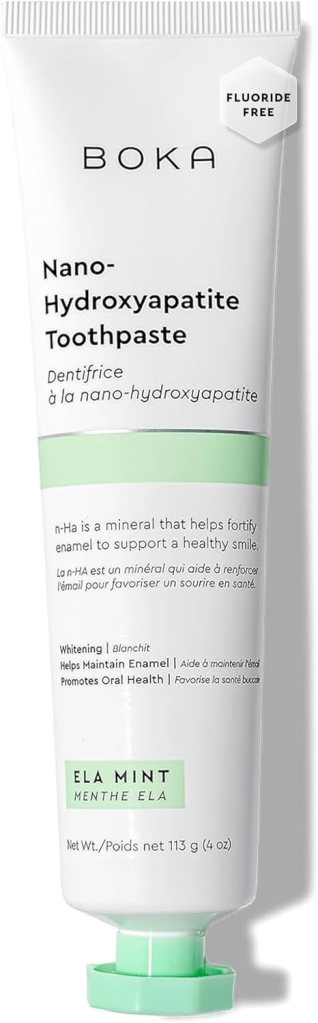
    Fluoride-free Aloe Vera Toothgel LINK

    Surprise! Your mouth can benefit too.

    • Gingivitis & Periodontitis: As a mouthwash, Aloe Vera has been shown to reduce plaque buildup and gingivitis (gum inflammation) due to its antiseptic and anti-inflammatory properties. A study in the Journal of Indian Society of Periodontology found it comparable to conventional mouthwashes in reducing plaque and gingivitis.
    • Aphthous Ulcers (Canker Sores): Applying Aloe gel can help alleviate pain and accelerate the healing of pesky canker sores.

    4. Immune System Support: Your Internal Cheerleader

    Acemannan, again, takes center stage here. It’s known to stimulate macrophages, which are crucial immune cells. While it’s not a magic bullet against every illness, consistent intake of quality Aloe Vera can contribute to a robust immune response, helping your body defend itself more effectively. Its antioxidant content also helps combat oxidative stress, which can weaken the immune system.

    5. Blood Sugar Regulation: An Emerging Frontier

    This is where the science gets particularly exciting, though still evolving. Some studies suggest that Aloe Vera, specifically its polysaccharides, may help lower blood glucose levels in people with Type 2 diabetes. It appears to enhance insulin sensitivity and improve glucose metabolism. While promising, it’s vital to stress that Aloe Vera is not a substitute for conventional diabetes treatment and should only be used as a complementary therapy under medical guidance.


    Pure Aloe Vera Juice LINK

    The Fine Print: Because We’re Nonconformists, Not Naive

    While Aloe Vera is powerful, we also need to be smart about its use.

    • Quality Matters: This is paramount. The “Aloe Vera” in that neon-green drink from the convenience store might be mostly sugar water. Look for products that specify 100% pure Aloe Vera gel, organic, cold-pressed, aloin-free (for internal use), and with minimal processing or additives. If you’re buying a plant, ensure it’s Aloe barbadensis miller, the most common medicinal variety.
    • Internal Use Cautions: Always ensure the latex (the yellow sap right under the skin) is removed if consuming. The latex is a potent laxative and can cause stomach cramps, diarrhea, and electrolyte imbalances. Pregnant or breastfeeding women, children, and individuals with kidney problems or taking certain medications (like diuretics or blood thinners) should consult a doctor before internal use.
    • Allergies: Though rare, some individuals can be allergic to Aloe Vera, especially if they have allergies to plants in the Liliaceae family (like garlic, onions, tulips).
    • It’s a Supplement, Not a Cure-All: Aloe Vera is a fantastic natural remedy and supportive therapy, but it’s not a replacement for professional medical advice or prescribed treatments for serious conditions.

    Bringing Aloe Back: Practical & Quirky Applications Today

    So, how do we bring this OG Green God back into our lives without falling for old marketing traps or succumbing to boring application?

    1. The Plant on Your Windowsill: Seriously, get an Aloe Vera plant. It’s low maintenance, looks cool, and provides fresh gel on demand. When you need it, simply cut a lower leaf, let the yellow latex drain out for 10-15 minutes (if using internally, discard this yellow liquid entirely), then scoop out the clear gel.

      • Quick Fix: Slather the fresh gel on bug bites, razor burn, or any minor skin irritation.
      • DIY Face Mask: Mix with a tiny bit of honey or a few drops of tea tree oil for an anti-inflammatory, hydrating mask.
      • Hair Rinse: Mix a tablespoon of gel with water as a final rinse for a healthy scalp and shiny hair.
    2. Smart Product Choices: For consistency and convenience, seek out high-quality, certified organic, cold-pressed Aloe Vera juice for internal use (make sure it’s aloin-free and decolorized). For topical use, look for gels with high Aloe concentration and minimal other ingredients. Think minimalist, effective, and pure.

    3. Culinary Curiosities (Mindfully): Yes, you can eat it! Once the aloin is removed, the inner gel is edible. Some health-conscious cafes even add it to smoothies. Its mild, slightly bitter taste can be masked by fruits. It’s a hydration boost with a bonus of beneficial polysaccharides. Just remember: source well, prepare correctly.

    4. The Nonconformist Vibe: Embracing Aloe Vera in a modern context is about rejecting the notion that natural remedies are somehow “less than” or solely for “hippies.” It’s about discerning genuine efficacy from fleeting trends. It’s about appreciating the quiet power of nature that stands the test of time, rather than getting caught up in the constant chase for the “next big thing.” It’s about being informed, holistic, and a little bit rebellious against the endless marketing machine.


    The Un-Conclusion: The Enduring Wisdom of Nature

    Aloe Vera didn’t need a flashy rebranding or a celebrity endorsement to maintain its inherent power. It simply is. It patiently waited for us to remember its quiet strength, to look beyond the superficial hype and rediscover the profound wisdom embedded in its succulent leaves.

    So, the next time you reach for that pricey, chemically laden potion, pause. Remember the OG Green God. Remember the enduring, scientifically backed power of Aloe Vera. It’s not about jumping on a new bandwagon; it’s about getting back to basics, listening to what nature has quietly offered us all along. Sometimes, the most revolutionary act is simply to remember what worked before we ever tried to improve upon it.

    Are you ready to welcome this ancient wonder back into your modern routine?

  •  

    In the relentless current of modern life, stress isn’t just a background hum; it’s often a sudden, sharp jolt that demands immediate attention. We’re not talking about chronic, low-level anxiety (though these tools can help with that too), but those moments when your heart races, your breath hitching, and your mind spinning – the “fight or flight” response kicking into high gear in the middle of a demanding day. While long-term strategies like consistent meditation and thoughtful night routines (which we’ve explored previously, for example, in “How to Create a Relaxing Night Routine on Astraaeternumx”) are foundational for mental well-being, sometimes you need a rapid intervention, a “panic button” for your nerves.

    This post isn’t about generalized advice; it’s a deep dive into specific, often underestimated, and surprisingly affordable products that act as quick stress assassins. Forget the obvious; we’re hunting for the ingenious little tools and potent sensory aids designed to short-circuit your stress response in minutes, providing immediate relief when you need it most.


    1. The Power of Immediate Scent: Beyond the Diffuser

    We’ve all heard about aromatherapy, but the magic often lies in how quickly and directly you deliver the calming compounds to your olfactory system. Forget waiting for a diffuser to fill a room; for a sudden stress spike, you need immediate nasal gratification. The olfactory system has a unique, direct pathway to the limbic system of the brain, which controls emotions, memory, and motivation. This direct connection means that certain aromas can exert a profound and rapid influence on your mood and stress levels.


    <!–>

    The Targeted Topical Elixirs: Roll-Ons, Balms, and Mists Similar to well-known products like the Aveda Stress-Fix Body Creme, the key here is the concentrated delivery of therapeutic essential oils directly to pulse points. These aren’t just pleasant scents; they are meticulously crafted formulations designed to leverage the rapid absorption through the skin and inhalation. When applied to areas like the wrists, temples, or the back of the neck, the warmth of the skin helps to diffuse the aromatic molecules, allowing for continuous, subtle inhalation. The active compounds, particularly linalool and linalyl acetate from lavender, or the calming sesquiterpenes from frankincense and limonene from bergamot, are lipophilic (fat-loving), meaning they can readily cross the blood-brain barrier.–> Once there, they interact with neurotransmitter systems, such as GABA receptors (which promote relaxation and reduce neural excitability), to induce a profound and almost instantaneous sense of calm. The concentrated blend ensures a potent aromatic burst, delivering a powerful neurochemical signal.

    • How it works: Direct application ensures rapid sensory input and systemic absorption of calming aromatic compounds. The gentle act of application itself can also be a mindful pause.

    • Quick Fix Factor: Instantaneous. The moment the scent hits your olfactory receptors and the compounds begin to absorb, the neurochemical process of relaxation initiates.
    • Where to Find Them:

      • Therapeutic Essential Oil Roll-Ons: Look for blends specifically marketed for “stress relief” or “calm” containing lavender, frankincense, bergamot, chamomile, or clary sage. Reputable essential oil brands often offer 10ml roll-ons that are typically under $15-$20 and offer a significant number of applications. These are widely available at health food stores, specialty boutiques, and various online wellness retailers.
    • My suggestion: Aveda Stress-Fix Concentrate Rollerball
      • Calming Pulse Point Balms: These offer a thicker, more portable application, often with beeswax or shea butter as a base. They melt gently with body heat, releasing aromatics in a sustained manner. Prices vary, but many smaller tins are under $15 and can be found at natural product stores and holistic beauty shops.
      • My suggestion: Scentered Aromatherapy Balm Stick – Sleep Well


    • Aromatherapy Room/Linen Mists with Stress-Relief Blends: While a room mist, a direct spritz onto clothing, a scarf, or even just into the air around you can give an immediate, powerful sensory hit. Ensure it’s made with pure essential oils rather than synthetic fragrances for therapeutic benefit. Many brands offer 2oz or 4oz bottles for $10-$20.
    • My suggestion: Positive Essence Rosemary Linen & Room Spray                                                                              

    The Discreet Powerhouse: Aromatherapy Nasal Inhalers
    These small, often unassuming tools are incredibly effective for personal, on-the-go aromatherapy, offering a concentrated dose of calm without disturbing others. An aromatherapy inhaler is typically a small, lipstick-sized stick containing a cotton wick saturated with a therapeutic essential oil blend.

    • How it works: The proximity of the nostrils to the olfactory bulb and the direct neural pathway to the limbic system means that aromatic compounds are delivered rapidly and directly to the brain’s emotional processing centers. This bypasses the digestive and circulatory systems, making the effect almost instantaneous. It allows for a focused, intense inhalation that can quickly ground you.
      <!–>

      –>

    • Quick Fix Factor: Immediate and private. Perfect for public transport, office environments, or crowded spaces where you need a discreet moment of calm.
    • Where to Find Them: You can buy pre-filled aromatherapy inhalers with calming blends (e.g., lavender, peppermint for tension headaches, or blends for focus) for as little as $5-$10 each from health stores, pharmacies, and online wellness shops. Alternatively, for a more cost-effective and customizable solution, you can buy empty inhaler tubes and your favorite pure essential oils for a DIY approach.
    • My suggestion: Nasal Inhaler Bundle – 8 essential oil blends

    The Unexpected Shower Oasis: Aromatherapy Shower Steamers
    While not “on-the-go,” for a quick stress purge when you get home, a shower steamer transforms a mundane daily ritual into a luxurious, spa-like escape in minutes.

    • How it works: These effervescent tablets are placed on the shower floor (away from the direct stream of water) where they slowly dissolve, releasing concentrated essential oil vapors that rise with the steam. The combination of warm water, enveloping steam, and the potent, inhaled aroma creates a powerful sensory synergy. The warmth relaxes muscles, the steam opens airways, and the concentrated scent calms the mind, making it a powerful tool for de-stressing after a long day.

    • Quick Fix Factor: Within the first minute of stepping into the shower, you’ll feel the immediate shift in atmosphere and sensation.
    • Where to Find Them: Look for lavender or eucalyptus shower steamers/bombs. A pack of 6-12 can range from $15-$25 and are available at bath and body stores, gift shops, and various online retailers.
    • My suggestion: Jojowell – Shower Steamers Set


    2. Targeted Pressure & Sensory Grounding: Short-Circuiting the Nervous System

    Sometimes, stress manifests as physical tension, a racing heart, or a feeling of being unmoored from the present moment. Applying specific pressure or engaging certain senses can provide immediate grounding and a rapid shift in physiological state.

    The Instant Chill: Weighted Eye Masks
    A weighted eye mask is far more than just a light blocker; the gentle, evenly distributed pressure over your eyes and forehead provides a subtle form of vagal nerve stimulation. The vagus nerve is a key component of the parasympathetic nervous system, responsible for the “rest and digest” response.<!–> Stimulating it can help to immediately trigger a calming physiological response, slowing your heart rate and reducing cortisol levels. Moreover, the darkness created by the mask eliminates visual stimuli, helping your mind to quiet down.

    –>

    • How it works: The light pressure mimics a comforting, secure touch, signaling safety and relaxation to the nervous system. Eliminating visual input helps to reduce external sensory overload, allowing for deeper mental quiet. Some masks are even filled with natural materials like flaxseed or lavender, adding a subtle aromatherapy and gentle coolness.

    • Quick Fix Factor: Within seconds of placing it over your eyes, you can feel a noticeable shift into a more relaxed state.
    • Where to Find Them: Search for “weighted eye mask for relaxation” or “sleep mask with pressure.” Many well-rated options, often filled with flaxseed, lavender, or small beads, are available for $10-$25 at specialty sleep stores, wellness boutiques, and general online retailers.
    • My suggestion: Weighted Lavender Mask

    The Acupressure Mini-Break: Rings and Small Mats
    Acupressure, a technique rooted in traditional Chinese medicine, works on the principle of stimulating specific points on the body to alleviate discomfort, promote energy flow, and induce balance. Small, portable tools allow for instant, localized relief that can be surprisingly effective for acute stress.

    • How it works: Applying targeted pressure to nerve endings and energy points (acupoints) can send signals to the brain that modulate pain perception, reduce muscle tension, and influence the body’s stress response. This provides a physical distraction from anxious thoughts and can trigger the release of endorphins.

    • Quick Fix Factor: Immediate, noticeable sensation and a subtle calming effect. Best for moments of focused tension or restless energy.
    • Where to Find Them:

      • Acupressure Massage Rings: These small, flexible, spiky metal rings are designed to be rolled up and down individual fingers. They stimulate thousands of nerve endings in the fingers, which can be incredibly grounding and distracting from anxious thoughts. A set of multiple rings is typically under $10 and can be found at alternative health stores or various online marketplaces. *My suggestion: 2 Pcs Finger Roller Massager and 5 Pcs Acupressure Massage Rings

      • Mini Acupressure Mats (e.g., neck pillows or small foot mats): While full-body acupressure mats exist, smaller versions designed for specific tension points (like the neck or feet) are perfect for quick, localized relief. Placing your feet on a small acupressure mat for just a few minutes can be surprisingly invigorating and calming, stimulating circulation and relieving systemic tension. A small neck pillow or foot mat can be found for $15-$30 from wellness retailers.
      • My suggestion: ProsourceFit Acuressure Mat and Pillow Set 

    The Cooling Comfort: Gel Eye Masks & Migraine Caps
    For stress-induced headaches, eye strain from screen time, or just a general sense of being “overheated” by overwhelming emotions, a cooling sensation can be a powerful instant de-stressor.

    • How it works: Cold therapy works by constricting blood vessels, which can reduce inflammation and swelling that contribute to tension headaches. It also numbs local pain receptors, providing direct symptomatic relief. Furthermore, the strong sensory input of cold provides a powerful point of focus, effectively diverting attention from the internal spiral of stress.
    • Quick Fix Factor: Almost immediate cool relief that can quickly alleviate physical discomfort associated with stress.
    • Where to Find Them: Gel bead eye masks that can be chilled in the freezer are widely available for $7-$15 at pharmacies and general merchandise stores. For more intense and comprehensive relief, look for “migraine relief caps” or “headache hats,” which are flexible gel packs designed to wrap entirely around the head, applying cool compression.<!–> These can be found for $20-$30 from medical supply stores or online health retailers.
      –>

    • My suggestions: Allure Therapy – Migraine Relief Cap


    3. Audio Anchors: Instant Sound Sanctuaries

    When your mind is racing, caught in a loop of anxious thoughts, auditory input can be a remarkably powerful tool to redirect focus, interrupt negative thought patterns, and gently guide the nervous system towards a state of calm.

    The Portable Zen Garden: Personal Sound Machines
    These compact devices are far more than just sleep aids. Small, portable white noise or sound machines can create an instant auditory bubble, effectively blocking out distracting, stress-inducing sounds (like office chatter, traffic noise, or anxious internal monologue) and replacing them with soothing ambient sound.

    • How it works: Consistent, non-intrusive sounds provide a “sound mask” for jarring or unpredictable noises, creating a predictable and comforting sonic environment that helps the brain relax. Specific types of noise (white, pink, brown) are known to help regular brainwave patterns, while natural sounds like ocean waves or rain can evoke feelings of peace and vastness, reducing the feeling of being overwhelmed.

    • Quick Fix Factor: Instantaneous sound masking and a rapid shift in your immediate auditory environment, promoting a sense of control and calm.
    • Where to Find Them: Look for compact, battery-operated white noise machines or “sleep sound machines” that offer various natural sounds (rain, ocean waves, fan noise) as well as white, pink, or brown noise. Popular models are often around $20-$30 and can be found at electronics stores, bed and bath retailers, and online.

    Curated Therapeutic Music Playlists/Devices:
    This isn’t just about playing background music. Certain types of music are specifically composed or curated using principles of psychoacoustics to lower heart rate, reduce cortisol levels, and promote alpha brain waves, which are associated with states of deep relaxation and wakeful rest.

    • How it works: Music has a direct and profound influence on the limbic system, the brain’s emotional center. Specific tempos, rhythms, and harmonies can directly influence physiological responses like heart rate variability and breathing patterns.<!–> Binaural beats (auditory illusions created by presenting slightly different frequencies to each ear) are also designed to entrain brainwaves to a desired state, such as relaxation.
      –>

    • Quick Fix Factor: Often felt within minutes of listening, as the music gently guides your mental and physical state.
    • Where to Find Them: While not physical products, search for “Binaural Beats for Anxiety,” “432 Hz Healing Music,” or “Relaxation Music for Stress Relief” on popular streaming services or through inexpensive meditation/music app purchases. For discreet listening, soft, headband-style sleep headphones with flat speakers can be found for under $20-$30 from electronics retailers.

    • Personal favorite: Tibetan Meditation Singing Bowl Machine


    4. Inner Calm, Outer Glow: Rapid Topical & Internal Boosts

    Sometimes, stress also drains our internal resources, leading to physiological imbalances that exacerbate feelings of anxiety. Targeted supplements or external applications can offer a quick physiological boost to help restore equilibrium.

    Fast-Acting Magnesium Drinks/Sprays:
    Magnesium is a vital mineral involved in over 300 biochemical reactions in the body, including muscle relaxation, nerve transmission, and nervous system regulation. A significant portion of the population is deficient in magnesium, which can contribute to increased stress, anxiety, and muscle tension. Topical application or fast-dissolving forms of magnesium can work remarkably quickly to address these deficiencies.

    • How it works: Magnesium acts as a natural calcium channel blocker, helping to relax muscles and calm the nervous system by regulating key neurotransmitters like GABA. It also plays a role in regulating the HPA axis (hypothalamic-pituitary-adrenal axis), which controls the body’s stress response. Topical magnesium (oil or spray) can be absorbed transdermally, offering rapid localized relief for tense muscles, while certain magnesium drink mixes are formulated for quick dissolution and absorption, allowing for a faster systemic effect compared to traditional pills.

    • Quick Fix Factor: Can be felt within 15-30 minutes for drink mixes, or faster topically for localized muscle relaxation.
    • Where to Find Them:

      • Magnesium Glycinate Powder/Drink Mixes: Look for highly absorbable forms like magnesium glycinate or magnesium citrate in powder form that can be mixed quickly into water. Brands like “Natural Vitality Calm” are popular for their fast-dissolving, flavorful options (around $20-$30 for a month’s supply). These are widely available at health food stores, pharmacies, and online wellness retailers.
      • Magnesium Oil Spray: Apply directly to skin (e.g., legs, arms, abdomen, or sore muscles) for quick absorption and localized relaxation. A 4oz bottle can be $10-$20 and is found at health stores and online.
      • Personal favorite: Natural Dead Sea Magnesium Oil Spray

    Calming Tinctures/Drops (with Adaptogens or Nervines):
    Certain botanical extracts, known as adaptogens (like Ashwagandha, Rhodiola, Holy Basil) or nervines (like Valerian, Passionflower, Lemon Balm), are revered for their ability to quickly modulate the stress response when taken in liquid form.

    • How it works: Adaptogens help the body “adapt” to stress by normalizing physiological processes, balancing stress hormones (like cortisol), and supporting adrenal function.<!–> Nervines directly soothe the nervous system, reducing excitability and promoting relaxation. Liquid tinctures are absorbed more rapidly into the bloodstream than capsules, allowing their calming effects to be felt more quickly.–>

    • Quick Fix Factor: Often felt within 20-40 minutes, depending on the individual and the specific herb.
    • Where to Find Them: Look for liquid tinctures or drops from reputable herbal brands (e.g., Herb Pharm, Gaia Herbs, WishGarden Herbs). A 1oz or 2oz bottle of a stress-relief blend (e.g., “Relax & Restore” or “Adrenal Support”) can range from $15-$30 and is commonly found at health food stores, herbal apothecaries, and specialized online retailers.
    • Personal Favorite: Relax & Restore Herbal Stress Support 


    5. Quick Sensory Engagement & Grounding Tools

    When your mind is overwhelmed, trapped in a cycle of rumination or anxiety, engaging your hands or other senses can provide a powerful distraction and a point of focus, effectively grounding you in the present moment and breaking the cycle of stressful thoughts.

    • Adult Fidget Toys/Stress Balls: More sophisticated than simple squishy balls, these are designed for discreet, tactile engagement that can calm restless hands and minds. Think textured items, quiet clicking mechanisms, or intricate designs that invite manipulation.

      • How it works: The repetitive, tactile stimulation provides a sensory anchor, diverting anxious energy and promoting a focused, almost meditative state. It offers a release for nervous energy and can reduce self-stimulating behaviors like nail-biting.
      • Quick Fix Factor: Immediate engagement and mental redirection.
      • Where to Find Them: Search for “fidget toys for adults,” “sensory stress toys,” or “fidget cubes.” Many discreet, metallic, or uniquely designed options are available for $10-$25 from online novelty shops, educational toy stores, and general online retailers.
    • Therapy Dough/Putty: Similar to playdough but often infused with essential oils and designed with varying resistances for adult therapeutic use. The act of kneading, squeezing, and shaping can be incredibly calming.

      • How it works: The proprioceptive input from manipulating the dough, combined with tactile and often olfactory engagement, is profoundly grounding. It provides a non-verbal outlet for stress and helps to regulate emotions through sensory input.
      • Quick Fix Factor: Immediate and sustained tactile engagement, offering a prolonged calming effect.
      • Where to Find Them: Brands like “Crazy Aaron’s Putty World” or “TheraPutty” offer different resistances, textures, and sometimes scents. They are typically found for $10-$20 per container at specialty toy stores, therapy supply stores, and online.
      • My suggestion: Magnetic Sensory Fidget Balls 


    6. Curating Your Calm Environment: Instant Ambiance

    While we’re focusing on quick fixes, instantly changing your immediate micro-environment can offer a powerful psychological shift, signaling safety and relaxation to your brain.

    • Himalayan Salt Lamps: As you rightly pointed out, these are excellent. Their warm, amber glow creates an incredibly soothing and gentle ambiance that instantly signals “calm” to the brain.

      • How it works: The soft, natural, and warm spectrum light emitted by these lamps (avoiding harsh blue light) can help regulate circadian rhythms and promote a sense of coziness and relaxation. While claims of air purification are debated, the aesthetic and psychological benefits of their gentle illumination are widely recognized and highly effective for mood enhancement.
      • Quick Fix Factor: Provides an immediate visual and atmospheric shift in your immediate space, promoting a feeling of peace.
      • Where to Find Them: You can find genuine Himalayan salt lamps in various sizes, often with dimmer switches, ranging from $15-$40 depending on size. They are commonly available at home goods stores, gift shops, wellness stores, and numerous online retailers.

      • Personal favorite: WBM Himalayan Salt Lamp (USB) 

    • Mini Desktop Water Fountains: The gentle sound and visual movement of trickling water can be incredibly calming and provide a focal point for a quick mental reset, drawing your attention away from stressors.

      <!–>

      –>

      • How it works: The consistent, gentle white noise of trickling water is a known stress reducer, helping to mask other jarring sounds and create a serene background. The visual flow of water can also be mesmerizing and meditative, offering a peaceful anchor for your gaze.

      • Quick Fix Factor: Immediate auditory and visual soothing, creating a tranquil micro-environment.
      • Where to Find Them: Small, electric desktop water fountains are surprisingly affordable, with many aesthetically pleasing options available for $20-$40 from home decor stores, garden centers, and general online retailers.
      • Personal favorite: Dyna-Living Indoor Tabletop Water Fountain with Zen Garden 


    Conclusion: Your Personalized Stress Emergency Kit

    Stress is an inevitable part of modern existence, but feeling overwhelmed by it doesn’t have to be. While foundational practices like structured routines and mindfulness (as explored in our previous discussions) are crucial for long-term well-being, the power of a “quick fix” cannot be underestimated for those acute moments when you need to hit the reset button, fast.

    The beauty of these hidden products lies in their accessibility, affordability, and the targeted nature of their relief. By understanding the immediate physiological and psychological levers these tools pull—from direct aromatic delivery and sensory grounding to nervous system modulation—you can build a personalized “stress emergency kit” that’s ready whenever turbulence strikes. Experiment with these unexpected tools, discover which ones resonate most with your unique stress responses, and empower yourself with the ability to reclaim calm, one quick fix at a time. Your journey to a more serene and resilient self is just a discovery away.

  • In the dynamic and ever-evolving realm of health and wellness, few compounds have garnered as much intrigue and fervent discussion as Carbon 60, more widely recognized as C60. This remarkable, soccer ball-shaped molecule, precisely composed of 60 carbon atoms, stands as a testament to the unexpected wonders of molecular structure. Since its groundbreaking discovery, C60 has rapidly become a focal point of extensive scientific inquiry, with a growing body of research exploring its profound potential as an antioxidant, its intriguing anti-aging capabilities, and its broader implications for human health.

    Understanding C60: The Molecule of the Future

    The journey of C60, or Buckminsterfullerene as it is formally known, began in 1985 when a team of scientists – Robert Curl, Harold Kroto, and Richard Smalley – first identified its existence, an achievement that later earned them the Nobel Prize in Chemistry in 1996. This discovery unveiled a third allotrope of carbon, alongside diamond and graphite, distinguished by its unique spherical arrangement of 60 carbon atoms in a hollow cage. This highly stable and symmetrical structure is what gives C60 its fascinating properties, particularly its remarkable ability to interact with other molecules, making it a powerful candidate for various biological applications. Its distinctive form not only captured the imagination of the scientific community but also set the stage for its potential as a “molecule of the future” in biomedicine and beyond.

    The Antioxidant Powerhouse: A Deep Dive into Cellular Protection

    One of the most notable and extensively studied attributes of C60 is its exceptionally potent antioxidant capacity. To appreciate this, we must first understand the concept of oxidative stress. In our daily lives, our bodies are constantly exposed to environmental toxins, pollution, UV radiation, and even natural metabolic processes that produce unstable molecules known as free radicals. These free radicals have unpaired electrons, making them highly reactive and capable of causing significant damage to vital cellular components, including DNA, proteins, and cell membranes. This widespread cellular damage, known as oxidative stress, is a fundamental contributor to aging and the development of numerous chronic diseases, such as neurodegenerative disorders, cancer, and cardiovascular conditions.

    Antioxidants are the body’s defense mechanism, neutralizing these harmful free radicals. While many antioxidants are consumed through diet, C60 stands out due to its unique structure and ability to act repeatedly without being consumed or deactivated. Unlike conventional antioxidants that typically neutralize one free radical molecule per molecule of antioxidant, C60 can effectively scavenge and neutralize multiple types of free radicals due to its large surface area and electron-donating properties. Studies have shown its remarkable efficacy in neutralizing superoxide radicals, hydroxyl radicals, and other reactive oxygen species (ROS), thereby significantly reducing the burden of oxidative stress within the body. This unparalleled efficiency makes C60 a truly formidable protector against cellular damage. (As highlighted by reputable health information sources like Healthline, C60’s ability to reduce oxidative stress suggests broad therapeutic potential.)

    Extending Lifespan: Intriguing Insights from Animal Studies

    The concept of extending lifespan has long fascinated humanity, and C60 has emerged as a compound of profound interest in this pursuit. The most groundbreaking research in this area is the 2012 study conducted by Fathi Moussa and his team at the University of Paris. In this landmark study, rats administered C60 dissolved in olive oil exhibited a significant and astonishing 90% increase in lifespan compared to control groups. This dramatic extension in longevity, unparalleled in previous animal studies, immediately propelled C60 into the scientific spotlight, igniting immense excitement and further research.

    The mechanisms behind this observed longevity are hypothesized to go beyond just C60’s antioxidant effects. Researchers suggest that C60 may exert its anti-aging influence by improving mitochondrial function, reducing inflammation, and potentially protecting telomeres – the caps at the ends of chromosomes that shorten with age. While these findings from the Baati study are undeniably promising and compelling, it is crucial to emphasize the scientific caveat: these were animal studies. Extrapolating results directly from rats to humans is complex, and comprehensive, rigorous human clinical trials are unequivocally necessary to confirm similar lifespan-extending effects and to understand safe and effective dosages in people.

    Amazon Link

    Neuroprotective Effects: A Potential Ally Against Neurodegeneration

    The brain, with its high metabolic rate and lipid-rich composition, is particularly vulnerable to oxidative stress, which is a major contributor to neurodegenerative diseases. The neuroprotective properties of C60 have, therefore, become a significant subject of scientific interest. Research strongly suggests that C60 may help protect neurons from oxidative damage and inflammation, potentially offering substantial benefits in debilitating conditions like Alzheimer’s and Parkinson’s diseases.

    For instance, specific studies have indicated that water-soluble forms of C60 can effectively prevent the aggregation of beta-amyloid plaques – misfolded protein fragments that are a hallmark of Alzheimer’s disease and are directly linked to neuronal damage and cognitive decline. By inhibiting this aggregation, C60 may help preserve synaptic function and overall cognitive integrity. Furthermore, C60’s ability to mitigate neuroinflammation, a chronic inflammatory response within the brain that exacerbates neuronal damage, adds another layer to its neuroprotective potential. While much of this research is still in preclinical stages, the implications, as explored by publications like WIRED highlighting scientific advancements, are profound for future therapeutic strategies.


    Cardiovascular Health: Supporting Heart Function and Vascular Integrity

    C60’s robust antioxidant and anti-inflammatory capabilities extend their potential benefits to the crucial domain of cardiovascular health. Oxidative stress plays a pivotal role in the development and progression of atherosclerosis, a condition where plaque builds up inside the arteries. A key factor in this process is the oxidation of low-density lipoprotein (LDL) cholesterol. Oxidized LDL is more prone to accumulate in arterial walls, initiating the inflammatory cascade that leads to plaque formation and hardening of the arteries. By effectively reducing this oxidative stress, C60 could potentially prevent the initial oxidation of LDL cholesterol, thereby mitigating a significant risk factor for cardiovascular disease.

    Beyond LDL oxidation, C60’s anti-inflammatory properties might contribute to improved vascular function. Chronic inflammation damages the delicate lining of blood vessels (the endothelium), impairing their ability to relax and contract properly, which is essential for healthy blood flow and blood pressure regulation. C60’s capacity to quell this inflammation could lead to enhanced endothelial health, promoting better vasodilation and reduced risk of hypertension. Preliminary in vitro and animal studies have indeed explored these mechanisms, suggesting C60’s multifaceted role in maintaining a healthy cardiovascular system.

    Immune System Support: Enhancing the Body’s Defense Mechanisms

    The intricate balance of our immune system is constantly challenged by environmental aggressors, pathogens, and internal stressors. Chronic oxidative stress and inflammation, if left unchecked, can significantly compromise immune function, making the body more susceptible to infections and diseases. The immune-modulating effects of C60 represent another exciting area of exploration, as its ability to mitigate these underlying issues may bolster the immune system’s resilience.

    By reducing oxidative burden, C60 can help maintain the integrity and functionality of immune cells, which are particularly sensitive to free radical damage. Some studies have suggested that C60 can influence the activity of various immune cells, such as macrophages (which engulf pathogens) and lymphocytes (which orchestrate specific immune responses). This modulation could potentially enhance the body’s overall immune response, improving its ability to fend off infections and accelerating recovery. While direct human trials on C60’s immune effects are still limited, the foundational principle of reducing inflammation and oxidative stress offers a promising avenue for bolstering the body’s natural defense mechanisms. There’s also theoretical interest in its potential role in balancing immune responses in autoimmune conditions, though this remains highly speculative and requires extensive research.

    Amazon Link

    Personal Experience: Observing Skin Health Improvements

    While comprehensive scientific studies provide the most robust insights, personal experiences can offer compelling anecdotal evidence that aligns with and inspires further research into the potential benefits of C60. In my own journey with C60, I specifically focused on its application to skin health by incorporating C60-infused olive oil into my daily skincare regimen. Over a period of several weeks, the observable changes were genuinely impressive and consistent.

    My skin, which previously exhibited typical signs of urban environmental exposure and aging, became notably more supple to the touch. Fine lines, particularly around the eyes and mouth, appeared less pronounced, suggesting an improvement in skin elasticity and firmness. The overall texture of my skin felt smoother, and its tone appeared more even and radiant, hinting at enhanced vitality. These personal observations resonate strongly with existing research indicating that C60 can improve skin health by mitigating oxidative damage—a primary driver of skin aging due to factors like UV radiation and pollution—and by potentially promoting collagen production. Collagen is the essential protein responsible for skin’s structural integrity, elasticity, and youthful appearance. The protective and regenerative qualities suggested by these anecdotal accounts, when combined with scientific hypotheses, paint a promising picture for C60 as a powerful ingredient in advanced skincare formulations.

    Safety Considerations: Navigating the Use of C60

    While the burgeoning evidence for the potential benefits of C60 is compelling, it is absolutely essential to approach its use with a judicious and informed perspective. As a relatively novel compound in human applications, navigating its use requires careful consideration of safety, quality, and individual health circumstances.

    • Product Quality and Purity: This is paramount. The C60 market, unfortunately, can be saturated with products of varying purity. Ensure that any C60 product you consider is sourced from highly reputable manufacturers who provide third-party lab testing certificates. These reports should confirm the purity of the C60 (e.g., 99.9% or higher) and, crucially, verify the absence of harmful solvents (like toluene) and heavy metals from the manufacturing process. The carrier oil also matters; C60 is most commonly dissolved in high-quality olive oil, but other oils like avocado or MCT oil are also used. Always scrutinize product labels and supplier transparency.

    • Light Sensitivity and Storage: C60 molecules are highly sensitive to light, particularly UV light. Prolonged exposure can lead to their degradation, potentially forming compounds that may not possess the same beneficial properties or could even be harmful. It is absolutely crucial to store C60 products in dark, opaque glass bottles, ideally in a cool, dark place away from direct sunlight. Once opened, many manufacturers recommend refrigeration to preserve potency and stability. Always adhere to the storage and usage directions provided by the manufacturer.

    • Dosage and Long-Term Effects: Perhaps the most critical safety consideration is the lack of standardized human dosages and long-term safety data. The highly publicized rat study used a relatively small, specific dosage that translated to a human equivalent that is still being debated. There are no definitive guidelines for C60 intake in humans, and prolonged use effects are not yet fully understood through large-scale clinical trials. This uncertainty underscores the importance of a cautious approach.

    • Consultation with Healthcare Professionals: Before adding any new supplements or novel compounds like C60 to your health regimen, especially if you have pre-existing health conditions or are taking medications, it is imperative to consult with a qualified healthcare provider. They can offer personalized advice, assess potential interactions with current medications, and help determine if C60 is appropriate for your individual health needs and goals. C60 is not currently recognized as a pharmaceutical and is not regulated as such by health authorities.

    Amazon Link

    Conclusion: Embracing the Potential of C60 with Informed Caution

    C60 truly represents an exciting and promising frontier in the landscape of health and wellness, offering a captivating spectrum of potential benefits that extend from potent antioxidant support and multifaceted neuroprotection to discernible improvements in skin health and robust immune system enhancement. Its unique molecular structure and remarkable biological interactions have opened up new avenues for research into age-related diseases, cellular longevity, and overall vitality.

    While the personal experiences recounted and the compelling preliminary studies—particularly the groundbreaking animal research—are profoundly encouraging and fuel much enthusiasm, the scientific community universally agrees that further, more extensive, and rigorously designed human clinical trials are unequivocally necessary to fully understand its efficacy, optimal dosages, and, most critically, its long-term safety profile in diverse human populations.

    As with any cutting-edge supplement or novel health intervention, the path forward must be paved with informed choices and professional guidance. The allure of C60’s potential should always be balanced with a commitment to evidence-based health practices. By prioritizing product quality, adhering to proper storage, remaining aware of the current state of scientific knowledge, and seeking direct consultation with a qualified healthcare provider, individuals can thoughtfully explore the potential benefits of C60, ensuring that their pursuit of enhanced well-being is both ambitious and responsible.

  •   
                                      

    Summer’s embrace, with its long, sun-drenched days and balmy evenings, often beckons us outdoors. We swap sweaters for swimsuits, embrace al fresco dining, and seek out adventures under the clear blue sky. Yet, amidst this joyous transition, one crucial aspect of our well-being often slips into the periphery: hydration. It’s a topic so ubiquitous that it’s almost mundane, yet its true depth and complexity are rarely explored beyond the simplistic mantra of “drink more water.” But as we peel back the layers, we discover that optimal hydration is far more nuanced than simply quenching thirst. It’s about a delicate dance of water, electrolytes, and cellular balance, a dance that becomes even more critical when the mercury rises.

    Why Proper Hydration Matters More Than You Think

    When we’re properly hydrated, we don’t just feel better—we function better. Staying hydrated helps:

    • Support brain function and concentration: A well-hydrated brain performs optimally.
    • Maintain energy levels: Water is vital for cellular energy production.
    • Prevent muscle cramps and fatigue: Electrolytes keep muscles firing correctly.
    • Keep joints lubricated and skin supple: Essential for mobility and a healthy glow.
    • Aid digestion and nutrient absorption: Water is the medium for all bodily processes.
    • Regulate body temperature: Crucial for cooling the body in warm weather.
    • Support kidney function and detoxification: Kidneys rely on water to filter waste.

    On the flip side, chronic mild dehydration can contribute to:

    • Constipation: Lack of fluids hardens stools.
    • Dry skin: Reduced elasticity and a dull complexion (read: wrinkles!).
    • Sugar cravings: The body sometimes misinterprets thirst as hunger.
    • Headaches: Often a primary symptom of fluid imbalance.
    • Poor circulation: Thicker blood is harder for the heart to pump.
    • Urinary tract issues: Concentrated urine can lead to problems.

    In the summer, when our hydration needs increase, staying ahead of thirst is key. Remember: If you’re already feeling thirsty, you’re likely already dehydrated. Don’t wait for your body to send distress signals; proactively integrate hydration into your daily routine. Consider carrying a reusable insulated water bottle to keep your water cool and accessible throughout the day, like the Hydro Flask Wide or the <!–>Stanley Quencher H2.0 FlowState Tumbler–><!–>.

    The Silent Signals: Unmasking Dehydration’s Guises – A Deeper Dive into the Physiological Fallout

    When we think of dehydration, our minds typically conjure images of extreme thirst, a parched mouth, or perhaps even dizziness. While these are certainly hallmark symptoms, they often represent a more advanced stage of fluid depletion. The insidious truth is that dehydration often begins subtly, manifesting in ways we might easily dismiss as everyday fatigue or stress. To truly understand the gravity of dehydration, we need to go beyond the surface and explore the complex cascade of physiological events that unfold when our bodies are deprived of adequate fluids and, crucially, the right balance of electrolytes.

    Let’s begin with the brain. That nagging headache, often attributed to screen time or lack of sleep, can be a silent cry from a brain literally shrinking. When you’re dehydrated, your blood volume decreases. This reduction means less blood flow to the brain, which relies on a constant, robust supply of oxygen and nutrients. Furthermore, the brain itself, being about 80% water, actually loses volume. This physical shrinkage can pull the brain away from the skull, stretching the pain-sensitive meninges (the membranes surrounding the brain and spinal cord), leading to that dull ache or throbbing sensation.

    Then there’s brain fog, that frustrating inability to concentrate, recall information, or think clearly. This isn’t just a feeling; it’s a direct consequence of impaired neuronal function. Dehydration impacts neurotransmitter activity – the chemical messengers that transmit signals between nerve cells. Without optimal hydration, these signals become sluggish, leading to a noticeable decline in cognitive speed and efficiency. Studies have shown even mild dehydration can impair vigilance, executive function, and short-term memory. It’s like trying to run complex software on a computer with insufficient RAM – everything slows down, and errors become more frequent.

    Moving to the muscles, those frustrating cramps, particularly after physical activity, are not always about potassium deficiency alone. While potassium is vital for muscle contraction, the underlying issue is often a disruption in the delicate fluid and electrolyte balance that allows muscle cells to function properly. When you’re dehydrated, your cells lose water, leading to a higher concentration of electrolytes outside the cells. This osmotic imbalance can interfere with the electrical impulses that control muscle movement, leading to involuntary contractions and painful spasms. Furthermore, reduced blood volume means less oxygen and nutrient delivery to working muscles, and less efficient removal of metabolic waste products like lactic acid, contributing to fatigue and soreness.

    Even a sudden dip in energy levels, a feeling of lethargy despite adequate rest, can be your body signaling a need for more internal lubrication. Every single biochemical reaction in your body, from converting food into energy to repairing tissues, occurs in a water-based medium. When water is scarce, these reactions slow down, and your body becomes less efficient at producing ATP (adenosine triphosphate), the primary energy currency of your cells. You literally have less fuel for your cellular machinery. Your heart also has to work harder to pump thicker, more concentrated blood, further contributing to fatigue.

    more–>


    It’s Not Just About Water: Why Salt and Minerals Matter

    Let’s get one thing straight: electrolytes—like sodium (salt), potassium, magnesium, and calcium—are absolutely essential to hydration. These charged minerals regulate everything from nerve function to muscle contractions, and most importantly in this context, they help your body retain water.

    Here’s where the mainstream narrative often falls short. While water is undoubtedly the foundation of hydration, it’s only one part of the equation. Imagine trying to build a sturdy wall with bricks alone; without mortar, it crumbles. In our bodies, that “mortar” is largely comprised of electrolytes, and among them, sodium – often demonized in dietary discourse – plays a surprisingly vital role. It’s sodium that acts as a key to unlock the cellular doors, allowing water to pass from our bloodstream into our cells, where it’s truly utilized.

    When you sweat, you lose not only water but also salt. Replacing only the water leads to dilution of electrolytes in your body, which can cause hyponatremia (low sodium levels)—a dangerous condition that ironically mimics the symptoms of dehydration. This is why, in hot weather or during intense exercise, relying solely on plain water can sometimes exacerbate the problem, leading to a dangerous dilution of existing electrolytes. Without sufficient sodium, you can drink gallons of water, but much of it will simply pass through you, leading to frequent urination without truly hydrating your tissues. The symptoms mentioned above – headaches, brain fog, muscle cramps – can often be traced back to this intricate interplay of water and salt, or rather, the lack thereof.

    The key point? Salt makes water “stick.” Without adequate sodium, water will move through you too quickly to be properly absorbed. This is especially true for people who are active, on low-sodium diets, or prone to excessive sweating.

    Let’s look at a few important hydration-supportive minerals:

    1. Sodium (Salt): Sodium is the most important extracellular electrolyte. It helps maintain blood volume, blood pressure, and muscle function. Sodium helps maintain osmotic pressure, drawing water across cell membranes. Think of it as the primary regulator of your body’s “water levels” in different compartments. While excessive sodium intake can be detrimental for those with certain health conditions, adequate sodium is critical for optimal hydration, especially in warm weather or during periods of increased sweating. During summer, adding a pinch of high-quality sea salt or Himalayan pink salt to your water—like Redmond Real Salt or <!–>Himalayan Pink Salt–>—or consuming mineral-rich broths—can help retain hydration.

    2. Potassium: Potassium works in balance with sodium and is critical for cellular function. It helps regulate heartbeat, nerve signals, and fluid balance. Potassium is crucial for the sodium-potassium pump, which moves water into cells. An imbalance can lead to fatigue, muscle weakness, and cramps. Good sources include bananas, coconut water, avocados, and leafy greens. For a convenient potassium boost, consider Organic Coconut Water or a targeted electrolyte powder.

    3. Magnesium: Often overlooked, magnesium helps with nerve transmission, muscle relaxation, and hydration at the cellular level. A deficiency can lead to muscle cramps and fatigue. Magnesium is involved in over 300 biochemical reactions, including ATP production, essentially helping your body convert food into usable energy. Include foods like pumpkin seeds, almonds, and dark chocolate in your diet—or consider a magnesium supplement if needed, such as Magnesium Glycinate for better absorption and gentleness on the stomach.

    4. Calcium: Not just for bones, calcium also plays a role in fluid balance and nerve function, particularly in muscle contraction and nerve signal transmission. It’s present in dairy products, sardines, and certain leafy greens. If dietary intake is a concern, a Calcium and Vitamin D3 supplement can be beneficial, as Vitamin D aids calcium absorption.

    Together, these minerals help your body retain and utilize the water you drink—turning hydration into a functional process rather than just a passive act. For a comprehensive electrolyte solution, many active individuals find benefit from a good quality electrolyte powder, such as LMNT Zero Sugar Electrolytes or <!–>Liquid I.V. Hydration Multiplier–>, especially on hot days or during intense workouts.

    The Culinary Path to Optimal Hydration: Eating Your Water

    Another strategy to beat dehydration is to eat your water. Many fruits and vegetables are naturally high in water and electrolytes, making them a perfect addition to your summer meals. Hydration isn’t solely a beverage affair; the foods we consume contribute significantly to our fluid intake and electrolyte balance. By strategically incorporating water-rich foods, we not only enhance our hydration but also nourish our bodies with essential vitamins and minerals, often in a more bioavailable form than supplements.

    Top hydrating foods include:

    • Cucumbers – 95% water, rich in silica and antioxidants. Perfect for refreshing salads or infused water.
    • Watermelon – 92% water, contains lycopene (a powerful antioxidant) and potassium. A quintessential summer treat.
    • Celery – 95% water, plus a decent dose of natural salt. Great for snacking or adding crunch to dishes.
    • Strawberries – 91% water, with vitamin C and fiber. Delicious in smoothies or on their own.
    • Lettuce and leafy greens – 95–96% water, great for salads. Think romaine, spinach, and iceberg.
    • Oranges – juicy and full of vitamin C and potassium.
    • Zucchini – easy to digest, water-rich, and great in summer dishes like grilled kebabs or spiralized noodles.

    Other excellent options include cantaloupe, bell peppers, and tomatoes. These foods provide structured water, which some experts believe is more efficiently absorbed and utilized by the body.

    Furthermore, beyond simply consuming these foods, consider mindful approaches to how you prepare them. Lightly steaming vegetables instead of boiling them preserves more of their water-soluble vitamins and minerals. Creating homemade fruit and vegetable juices (without added sugars) can be a concentrated dose of hydration and nutrients, though remember whole fruits and vegetables offer beneficial fiber. Even making your own electrolyte drinks with fruit juice, a pinch of salt, and water can be a superior alternative to commercial sugary sports drinks. For inspiration, consider a high-speed blender like the Vitamix Ascent Series Blender for effortless smoothies and juices.

    Bonus tip: Pair hydrating foods with a pinch of salt or a drizzle of olive oil. This can help increase absorption and provide a balance of electrolytes and fats that aid in hydration.

    (more…)


  • Let’s face it: body odor is a fact of life. We all sweat. It’s our body’s natural way of regulating temperature. But the not-so-pleasant smell that sometimes follows? That’s where things get interesting. Contrary to popular belief, sweat itself is actually odorless. The culprit behind body odor is the bacteria living on our skin, especially in warm, moist environments like the underarms. When these bacteria break down proteins in our sweat, they release unpleasant-smelling compounds.

    Fun fact: Researchers have discovered that certain genes—specifically the ABCC11 gene—play a major role in determining how much body odor we produce. People with a certain variation of this gene don’t produce the compounds that lead to strong underarm odor. It’s more common in East Asian populations, and some scientists believe this variation could eventually lead to body odor being “bred out” of the human gene pool. That’s right—your DNA may be determining how fragrant (or not) you are, and it’s fascinating how genetics and evolution are slowly influencing even our hygiene needs.

    A Look Back: From Ancient Cover-Ups to Modern Solutions

    While today’s options line drugstore shelves, masking body odor isn’t a new concept. Throughout history, humans have gone to some wild lengths to smell better. Ancient Egyptians used perfumed oils and even scented wax cones worn on the head that would slowly melt, releasing fragrance. This wasn’t just about smelling good—it was a form of status, beauty, and spiritual cleanliness. The Greeks and Romans favored baths and herbal-infused powders, often combining these with natural plant oils. They believed that a clean body was essential to a virtuous mind and soul.

    During the Middle Ages, where bathing was often infrequent due to cold climates and superstitions about disease, people relied on bouquets of herbs (known as posies) or aromatic vinegar to counteract body odor. Royal courts even installed perfumed gloves and sleeves to allow nobles to subtly mask unpleasant smells in social interactions. In 19th-century high society, it was considered impolite to mention body odor at all. Instead, people discreetly reapplied cologne or used handkerchiefs dabbed in perfume to ward off unpleasant smells in close quarters. Hygiene evolved hand-in-hand with cultural norms and technological progress, paving the way for today’s products.

    The Birth of Deodorant: A Modern Fix with Mixed Results

    The first commercial deodorant, Mum, was introduced in the late 1800s. It was a cream applied to the underarms and marketed mainly to women—a trend that would continue for decades. Antiperspirants followed shortly after, designed not just to neutralize odor but to block sweat altogether. These used aluminum-based compounds to physically block the sweat glands. While undeniably effective, they also introduced a range of new ingredients into our daily lives.

    As the deodorant industry boomed, so did aggressive marketing. Companies played on fears of social rejection and romantic failure. Ads warned women that they would be isolated or undesirable if they didn’t keep themselves fresh and odor-free. Men’s products soon followed, emphasizing strength, power, and control—often reinforcing gender norms through scent profiles and branding. Over time, additives like synthetic fragrances, parabens, phthalates, and triclosan were added to boost shelf life, enhance scent, and increase effectiveness.

    But as awareness around health and environmental issues grew, so did the questions. Are these chemicals safe for long-term use? What are the effects of absorbing these substances into our skin every day, sometimes multiple times a day? This has sparked a major shift in consumer behavior, with more people demanding transparency, clean ingredients, and sustainable alternatives.

    What’s Really in Your Deodorant?

    Here are a few ingredients that have come under scrutiny in conventional deodorants and antiperspirants:

    • Aluminum compounds: Used in antiperspirants to block sweat, they’ve been linked—though not conclusively—to health concerns like breast cancer and Alzheimer’s disease. While research is still ongoing, the idea of clogging sweat glands with metal-based ingredients has raised eyebrows.

    • Parabens: These synthetic preservatives can mimic estrogen in the body and may interfere with hormonal function. Though found in many cosmetics, their safety is still debated.

    • Phthalates: Often used to stabilize and extend the life of synthetic fragrances, phthalates are known endocrine disruptors and have been associated with reproductive and developmental issues.

    • Triclosan: An antibacterial agent that may disrupt thyroid function and contribute to antibiotic resistance. It’s now banned in hand soaps but still found in some deodorants.

    These concerns have fueled the rise of natural deodorants—formulas designed to neutralize odor without blocking sweat and without exposing you to controversial chemicals.


    Going Clean: The Rise of Natural Deodorants

    Natural deodorants don’t aim to stop sweat. Instead, they aim to make sweat less of a problem by managing odor and moisture through natural ingredients. These products often include:

    • Baking soda: A common odor neutralizer, though it can be irritating to sensitive skin.

    • Magnesium hydroxide: A gentler alternative to baking soda, it also neutralizes odor.

    • Arrowroot powder or kaolin clay: These help absorb moisture without blocking pores.

    • Coconut oil, shea butter, and essential oils: These nourish the skin and offer antibacterial properties.

    Consumers today are looking for transparency and simplicity. As a result, natural deodorant brands have surged in popularity. Many offer trial sizes, subscription models, and recyclable packaging. Some even tailor their formulas to different body types or environmental conditions.

    DIY deodorant methods have gained popularity too. From baking soda pastes to lemon juice spritzes to apple cider vinegar wipes, people are experimenting with ways to control odor without chemicals. And while results vary, the trend points toward a deeper interest in body autonomy and holistic health.

    Understanding the Detox Phase

    When switching to natural deodorants, many people report a “detox” period. This phase typically lasts from several days to a few weeks and is characterized by increased odor or moisture. That’s because your body is adjusting to no longer being blocked by aluminum. Sweat glands that were previously clogged begin to function normally again, and your skin’s microbiome starts rebalancing.

    Tips to support the detox phase include:

    • Gentle exfoliation: Removes buildup and dead skin cells

    • Hydration: Drinking plenty of water helps flush toxins from the body

    • Clean diet: Reducing processed foods and increasing fiber can help support your body’s natural detox pathways

    • Patience: Everyone’s body reacts differently, and the process can take time

    With proper support, most people find that their body odor becomes milder and more manageable over time. In fact, many report they need less product once their body adjusts.

    5 Healthier Deodorant Options to Try

    • Lume Deodorant
      Lume has made waves for its gentle, pH-balanced formula that’s safe for anywhere on the body. It’s aluminum-free, baking soda-free, and cruelty-free. It uses mandelic acid to control odor-causing bacteria and is available in scented and unscented varieties. Lume is also great for people dealing with under-boob sweat, thigh chafing, or feet odor. Available on Amazon: Lume Deodorant
    • Native Deodorant
      Native is a widely loved option known for its clean ingredient list and wide variety of scents. It includes baking soda, coconut oil, and tapioca starch. It goes on smoothly, feels luxurious, and provides all-day protection. Native also offers plastic-free packaging and sensitive skin formulas. Available on Amazon:
      Native Deodorant

    • Each & Every
      This vegan, sustainable deodorant features only a few simple ingredients and essential oils for fragrance. It uses dead sea salt instead of baking soda for odor control, making it great for sensitive skin. Each & Every is packaged in eco-conscious containers and is EWG-verified for safety. Available on Amazon:
      Each & Every


    • Schmidt’s Natural Deodorant
      One of the pioneers in the natural space, Schmidt’s uses baking soda, arrowroot, and plant-based powders. They offer both baking soda and sensitive-skin formulas, and their scents are strong, unique, and long-lasting. From Jasmine Tea to Charcoal & Magnesium, Schmidt’s has a scent for every preference. Available on Amazon:
      Schmidt’s Deodorant
    • Crystal Mineral Deodorant Stick
      A more minimalist approach, this product uses natural mineral salts to form a barrier against odor-causing bacteria. It’s fragrance-free and lasts a long time, though it doesn’t stop sweat. It’s ideal for ultra-sensitive users or anyone seeking a no-frills solution. Available on Amazon:
      Crystal Deodorant


    Comparison at a Glance

    Brand Key Features Best For
    Lume pH balanced, baking soda-free, mandelic acid Whole body, sensitive skin
    Native Coconut oil, baking soda, tapioca starch Everyday use, scent variety
    Each & Every Vegan, salt-based, essential oils Sensitive skin, minimalists
    Schmidt’s Baking soda or sensitive skin formulas Long wear, scent lovers
    Crystal Stick Pure mineral salts, fragrance-free Ultra-minimalist, no residue

    What About Men? Natural Deodorants for Active & Rugged Lifestyles

    While much of the natural deodorant conversation has centered around women’s wellness, men are just as affected—if not more—by body odor and the impact of harsh chemical products. Sweat levels, hormonal changes, thicker skin, and an active lifestyle can all contribute to stronger body odor. The good news? The shift to natural doesn’t mean compromising on effectiveness.

    Natural deodorants for men are specifically formulated to tackle odor without relying on aluminum or synthetic fragrances. These products often feature stronger essential oil blends, longer-lasting odor control, and more robust moisture-absorbing ingredients.

    Here are top natural deodorant options for men, whether you’re hitting the gym, working long hours outdoors, or just want a clean, healthy alternative to conventional formulas:

    With manly scents like Pine Tar, Birchwood Breeze, and Bay Rum, Dr. Squatch has developed a cult following. Its aluminum-free formula uses arrowroot powder, charcoal, probiotics, and natural plant oils. Designed for high performance and long-lasting odor protection.
    Available on Amazon

    Cool and invigorating, this unisex favorite leans more masculine with peppermint, eucalyptus, and rosemary. It uses baking soda, kaolin clay, and hops extract to neutralize odor and control moisture. It glides on smoothly and works well for sensitive skin.
    Available on Amazon


    Developed with military-grade endurance in mind, this vegan and aluminum-free deodorant is tested by active-duty service members. It uses a baking soda-free formula that’s fragrance-forward, sweat-resistant, and glides on without residue.
    Available on Amazon


    Specifically designed for men’s skin and needs, Every Man Jack offers clean formulas with scents like Cedarwood, Sandalwood, and Sea Salt. The formula includes cotton extract and aloe to soothe skin, with minimal ingredients and no parabens or phthalates.
    Available on Amazon

    Native doesn’t just cater to women—its men’s line includes masculine scent profiles like Eucalyptus & Mint, Citrus & Herbal Musk, and Charcoal. Same clean, trusted ingredients with a bolder fragrance and longer wear.
    Available on Amazon


    Brand Key Features Best For
    Dr. Squatch Charcoal, probiotics, rugged scents Active men, strong odor control
    Ursa Major Kaolin clay, cooling essential oils Freshness, sensitive skin
    Bravo Sierra Military-tested, baking soda-free High-performance use
    Every Man Jack Simple formula, masculine scents Men seeking clean grooming
    Native (Men’s) Clean ingredients, bold masculine scents Natural switch, daily use


    The All-Natural Route: Does It Work?

    Some people opt for the completely natural method: applying lemon slices, spritzing apple cider vinegar, or dusting on baking soda or cornstarch. While this can work for certain individuals, it’s often a process of trial and error, and sensitivity to ingredients like lemon or baking soda can occur.

    Others explore combinations like bentonite clay masks for armpits or magnesium sprays. These are less mainstream but are gaining attention in wellness communities as ways to detox or rebalance the underarm microbiome. These practices are part of a broader trend toward integrative self-care—looking beyond what’s on the label and asking deeper questions about how our daily habits support or hinder our well-being.

    Still, there’s something empowering about aligning your personal care routine with your health goals. Your underarms may go through a transition period as they adjust to being aluminum-free, but many users report that their body odor becomes less intense over time as their microbiome balances out.

    Smell Good Without the Chemicals: Final Thoughts

    Deodorant isn’t the enemy. But when it’s loaded with chemicals that disrupt your body’s natural functions or raise potential health concerns, it’s worth rethinking your options. Natural deodorants have come a long way from the gritty, ineffective formulas of the past. Today, they offer real protection, pleasant scents, and peace of mind.

    Whether you go with a thoughtfully formulated product like Lume or Native, or experiment with DIY methods like lemon and baking soda, the key is to find what works for your body. Natural doesn’t have to mean ineffective—and it definitely doesn’t mean sacrificing freshness. What’s more, supporting companies that prioritize sustainability, ethical sourcing, and safe ingredients means you’re not just doing something good for yourself—you’re also contributing to a healthier planet.

    Looking for where to start? Explore the product options listed above and see which one aligns best with your lifestyle. Many of them are available online, making it easy to try a new favorite.

    Staying fresh doesn’t have to come with a health trade-off. Whether you choose a store-bought natural brand or go fully DIY, opting for clean ingredients is a small shift that can make a big difference for your well-being—and your confidence.

  • The Modern Fitness Challenge: Finding Balance in a Busy World

    In today’s relentlessly busy world, carving out time for fitness is no small feat. Our lives are filled with competing demands — juggling demanding careers, family responsibilities, social commitments, and the ever-present pull of digital distractions. For many, the traditional gym experience, once a beacon of health and community, has gradually lost its practicality. The time-consuming commute, crowded spaces, and rigid schedules often turn what should be rejuvenating into an added source of stress.

    Even before the global shifts toward remote work and lifestyle changes accelerated by recent events, people sought smarter, more adaptable ways to stay active. Gym memberships can be expensive, and for some, intimidating. There’s also the added factor of accessibility — not everyone lives near a quality fitness center, and some simply prefer the privacy and convenience of home workouts.

    Fitness itself is essential, not optional. Our bodies rely on a delicate balance of strength, endurance, flexibility, and recovery to function well. Neglecting any of these aspects can lead to muscle imbalances, joint pain, cardiovascular issues, and diminished quality of life. But what exactly does a balanced workout look like when we’re confined to our homes, often with limited equipment and space?

    Furthermore, the psychology of exercise plays a vital role. Motivation can be elusive when working out solo without the energy of a gym environment or a trainer’s encouragement. The challenge isn’t just physical — it’s mental. How can home workouts be designed to maintain engagement, promote consistency, and provide real results?

    As we confront these realities, one question stands out: What do we truly need from a home workout solution that can meet our complex physical needs, fit into our hectic lives, and keep us motivated long-term?

    Understanding What Your Body Needs from Exercise at Home

    The human body is an intricate and remarkably adaptive system, engineered for movement, strength, and endurance. To sustain optimal health and vitality throughout life, a comprehensive fitness regimen must address multiple interconnected components — not just one or two. Neglecting any key area can create imbalances that compromise not only physical performance but also overall well-being.

    Cardiovascular fitness, for instance, is fundamental. A strong heart and efficient lungs support oxygen delivery throughout the body, enhancing stamina and energy levels. Beyond just endurance, cardiovascular health is linked to reduced risks of chronic diseases such as diabetes, hypertension, and heart disease. At home, incorporating activities that elevate heart rate consistently is vital, but must also be manageable in limited space.

    Muscular strength and endurance form the foundation of movement and stability. Building muscle isn’t solely about aesthetics — it’s crucial for maintaining a healthy metabolism, supporting proper posture, and protecting joints from injury. Muscular endurance enables you to perform everyday tasks without fatigue. This dual focus on strength and stamina is often overlooked in home workouts, where equipment and space constraints can limit resistance training options.

    Flexibility and mobility are equally important, yet frequently neglected. Flexibility refers to the ability of muscles and tendons to stretch, while mobility encompasses joint range of motion. Together, they facilitate smooth, pain-free movement and help prevent strains or injuries during daily activities or exercise. A well-rounded home workout should include dynamic stretches or mobility drills integrated into the routine.

    Lastly, low-impact movement deserves special attention, especially as we age or recover from injuries. High-impact exercises, while effective for some, can strain joints and connective tissues. Home workouts should prioritize low-impact options that minimize wear and tear without sacrificing intensity or effectiveness.

    When these diverse fitness needs are considered alongside the typical home environment — often defined by limited space, busy schedules, and minimal equipment — the ideal workout solution emerges as one that is versatile, efficient, and safe. It must engage multiple muscle groups simultaneously, provide cardiovascular benefits, and be scalable to individual fitness levels — all while fitting comfortably into your living space. The challenge lies in finding a single machine or routine that can deliver this comprehensive approach without overwhelming your home or your time.

    (more…)

  • Every ache, blemish, and burst of fatigue is your body speaking. But in the noise of modern life, we often ignore these quiet calls for help. Symptoms like brittle nails, low energy, poor sleep, or mood swings are not random; they are indicators that something vital may be missing. With the rise in processed food consumption, chronic stress, and indoor lifestyles, our bodies are running on empty more often than we realize. Yet, understanding what your body is lacking and supplementing wisely can make a profound difference in how you feel.

    Modern habits—like long hours at desks, artificial lighting, inadequate sun exposure, and overreliance on convenience foods—contribute to silent but significant nutritional gaps. These gaps don’t always show up as a full-blown illness right away. Instead, they manifest as minor but persistent symptoms that slowly erode your quality of life. Left unchecked, these minor symptoms can compound and lead to chronic fatigue, hormonal imbalances, and even degenerative disease.

    The body is a complex network of systems that depend on vitamins, minerals, amino acids, and fatty acids to function optimally. When we lack any of these building blocks, our internal balance is disrupted. Fortunately, with the right tools and understanding, it’s possible to reverse deficiencies and restore vitality. But this requires a shift in mindset—from masking symptoms with quick fixes to investigating the root causes with curiosity and care.

    This post is your guide to reconnecting with your body, deciphering the messages it sends, and choosing supplements not based on trends but on real, observable need.


    The Role of Nutrients in Health: Foundations Before Supplements

    Supplements are not miracle pills. They’re not designed to replace nutritious meals, restorative sleep, daily movement, or consistent hydration. Rather, they serve as supportive tools—filling in the gaps when life or the environment makes it difficult to meet our nutritional needs through food alone.

    Whole foods offer far more than isolated nutrients. They provide fiber, enzymes, antioxidants, and complex phytochemicals that work synergistically to support health. Supplements, while helpful, cannot replicate this intricate matrix. Still, even with a nutrient-rich diet, many modern lifestyle factors—soil depletion, chronic stress, medication use, limited sun exposure, and indoor living—can contribute to subtle yet impactful nutrient deficiencies.

    That’s why it’s essential to establish strong foundational health practices before turning to supplements. Ask yourself:

    • Am I eating whole, colorful, minimally processed foods each day?

    • Am I moving my body in ways that feel good and sustainable?

    • Am I sleeping deeply and waking up refreshed?

    • Am I managing stress through mindfulness, breathing, time in nature, or other calming rituals?

    When these pillars are in place, supplementation becomes a thoughtful strategy—fine-tuning your health rather than compensating for its neglect.


    Common Signs and What They Might Mean

    Fatigue

    Chronic tiredness—despite adequate rest—can indicate deeper imbalances. If you’re dependent on caffeine to get through the day, consider whether your cells are lacking essential fuel.

    • Likely Deficiencies: Iron, Vitamin B12, Vitamin D, Magnesium, CoQ10

    • Functional Considerations: Thyroid function, adrenal fatigue, mitochondrial health

    Hair Loss

    If your hair is thinning or falling out, look beyond shampoos.

    • Likely Deficiencies: Iron, Zinc, Biotin (B7), Vitamin D, Essential fatty acids

    • Also Consider: Hormonal imbalances, especially post-partum or peri-menopause

    Skin Issues

    Your skin reflects internal health. Chronic acne, eczema, or premature aging often indicate internal imbalances.

    • Likely Deficiencies: Omega-3s, Zinc, Vitamin A, Vitamin E, Protein

    • Gut Connection: Leaky gut and inflammation may contribute

    Mood Swings and Anxiety

    Mood is biochemical. When the brain lacks necessary cofactors, anxiety and depression can result.

    • Likely Deficiencies: Magnesium, Vitamin D, B Vitamins, Omega-3s

    • Consider Blood Sugar: Fluctuations in glucose can mimic or worsen anxiety

    Digestive Problems

    The gut is our second brain, and symptoms like bloating, constipation, or indigestion are red flags.

    • Likely Deficiencies: Digestive enzymes, Magnesium, Probiotics, Fiber

    • Other Factors: Food sensitivities, dysbiosis, stress

    Cravings

    Persistent cravings are often nutrient cries in disguise.

    • Sugar Cravings: Magnesium, Chromium, B Vitamins

    • Salt Cravings: Adrenal stress; possibly low Sodium, Potassium

    • Chocolate Cravings: Frequently a magnesium signal


    Decoding the Symptoms: From Observation to Insight

    Symptom tracking is more than a wellness trend—it’s a diagnostic tool for those ready to get to the root of their health concerns. When you commit to recording how you feel each day, you move from passively experiencing symptoms to actively interpreting them. This process turns vague discomfort into concrete patterns.

    Use a dedicated health journal or app to consistently note:

    • Sleep: quality, duration, difficulty falling or staying asleep

    • Energy: dips, surges, and consistency throughout the day

    • Mood: fluctuations, irritability, sadness, anxiety, or calm

    • Digestion: bloating, gas, constipation, acid reflux, and regularity

    • Skin: flare-ups, dryness, rashes, or changes in texture

    • Food Intake and Reactions: what you ate and how it made you feel

    After two to three weeks, patterns begin to emerge. You might find that:

    • You crash mid-afternoon on days when you skip protein at lunch.

    • A glass of wine at night disrupts your sleep for two days.

    • Your skin becomes inflamed within 24 hours of eating dairy or sugar.

    These insights are gold. They transform random symptoms into readable feedback. Suddenly, that bloating isn’t “just stress”—it’s tied to a food sensitivity or magnesium deficiency. That brain fog isn’t inevitable—it’s your body waving a red flag that your mitochondria need support.

    When you start to connect these dots, your decisions become more informed. You can discuss patterns with a practitioner, experiment with food eliminations, or prioritize certain supplements based on what your body is actually asking for—rather than following the latest trend.


    Key Deficiencies and Matching Supplements

    Iron

    • Signs: Weakness, fatigue, pale skin, cold extremities

    • Preferred Form: Iron bisglycinate (gentle on digestion)

    • Important: Never supplement iron without testing; excess iron is toxic

    Vitamin D

    • Signs: Frequent colds, low mood, bone aches

    • Best Form: Vitamin D3 with K2 to support bone and cardiovascular health

    • Test First: Aim for blood levels of 50–80 ng/mL

    Magnesium

    • Signs: Anxiety, insomnia, constipation, muscle cramps

    • Best Forms: Glycinate (calming), Citrate (for bowels), Threonate (cognitive health)

    • Lifestyle Tip: Soak in Epsom salt baths for additional magnesium

    B Vitamins

    • Signs: Brain fog, fatigue, tingling, irritability

    • Key Nutrients: B12, B6, Folate, ideally in methylated forms

    • Look For: “Active B Complex” with methylfolate and methylcobalamin

    Omega-3 Fatty Acids

    • Signs: Brain fog, dry skin, joint discomfort

    • Best Source: Fish oil (EPA/DHA), or algal oil for vegetarians

    • Anti-inflammatory Role: Crucial for heart, brain, and mood regulation

    Zinc

    • Signs: Frequent illness, slow wound healing, loss of taste/smell

    • Best Forms: Zinc picolinate or citrate

    • Tip: Take with food to avoid nausea

    Iodine

    • Signs: Fatigue, weight gain, dry skin, cold sensitivity

    • Source: Kelp-based iodine supplements

    • Balance: Combine with selenium to support thyroid safely

    Probiotics

    • Signs: Bloating, irregular bowels, skin issues

    • Look For: Multi-strain, high-CFU products with Lactobacillus and Bifidobacterium

    • Support with: Fermented foods like sauerkraut, kefir, kimchi


    Testing: When to See a Practitioner

    If you’ve noticed persistent symptoms—like chronic fatigue, hair loss, mood instability, recurring skin issues, or digestive discomfort—that don’t improve with basic lifestyle changes, it’s time to go deeper. Self-observation is a powerful tool, but it has its limits. At some point, guessing gives way to knowing—and that’s where testing comes in.

    When to seek testing and professional guidance:

    • When your symptoms are ongoing despite good sleep, a healthy diet, and stress management

    • If you’ve tried supplements but feel no real improvement—or worse, new symptoms arise

    • If you suspect hormone imbalances, gut dysfunction, or complex nutrient interactions

    • If your symptoms are impacting your quality of life or ability to function normally

    Key Bloodwork to Request from Your Primary Care Provider or Functional Practitioner:

    • CBC (Complete Blood Count) – to assess general health and detect anemia or infection

    • Ferritin – checks iron stores, especially important if tired or losing hair

    • Vitamin D and B12 – critical for energy, immunity, and mood

    • Homocysteine – elevated levels may indicate B-vitamin deficiencies or cardiovascular risk

    • Thyroid Panel (TSH, Free T3, Free T4, TPO antibodies) – for fatigue, weight gain, mood issues

    Advanced Functional Testing (usually through integrative or functional providers):

    • Organic Acids Test (OAT) – reveals vitamin and mineral deficiencies, gut health, and mitochondrial function

    • Micronutrient Panel – measures nutrient levels inside your cells for deeper insights

    • GI-MAP – a comprehensive stool test that identifies infections, inflammation, and digestive enzyme activity

    Who to Work With:
    Choose a functional medicine or integrative health provider who views the body as an interconnected system—not in isolated parts. These practitioners go beyond “normal” lab ranges to look for optimal levels and root causes. They understand how to correlate symptoms with subtle imbalances and guide you through precise, effective supplementation and lifestyle changes.


    How to Choose Quality Supplements

    Not all supplements are created equal. In fact, poor-quality supplements can do more harm than good—adding unnecessary fillers, triggering reactions, or providing forms your body can’t even absorb. To ensure you’re getting what your body truly needs, use these criteria:

    • Third-Party Testing & Certifications
      Look for supplements tested by independent organizations like NSF, USP, or ConsumerLab. These seals indicate the product contains what it claims, is free from contaminants, and meets quality standards.

    • Transparent Ingredient Sourcing
      Reputable brands openly share where their ingredients come from—whether it’s sustainably harvested fish oil, organic herbs, or lab-synthesized vitamins from clean sources.

    • No Artificial Additives
      Skip products with dyes, titanium dioxide, hydrogenated oils, or mystery “proprietary blends.” Your supplements should be as clean as your food.

    • Bioavailable Forms
      Choose nutrient forms your body can recognize and use. For example:

      • Methylated B vitamins (like methylcobalamin or methylfolate) for those with MTHFR gene variants

      • Chelated minerals (like magnesium glycinate or zinc picolinate) for better absorption

      • Oil-based delivery for fat-soluble vitamins like A, D, E, and K

    • Clinical-Grade Manufacturing
      Look for brands that follow GMP (Good Manufacturing Practices) and are often used by healthcare professionals. Brands such as Pure Encapsulations, Thorne, Designs for Health, and Integrative Therapeutics are known for rigorous standards.

    • Avoid Gimmicks and Mega Doses
      More is not better. Excessive dosages can overwhelm your system or create imbalances with other nutrients. Stick with physiologically appropriate doses unless prescribed by a practitioner.

    • Reputation and Transparency
      Choose companies that invest in research, publish third-party testing results, and are transparent with customers. Trust builds through consistent quality and integrity.

    • Read the Labels—Every Time
      Even trusted brands can change formulations. Before purchasing or reordering, always read the label. Check for:

      • Active ingredient amount

      • Serving size

      • Other ingredients (fillers, flow agents)

      • Expiration date and storage recommendations

    Choosing supplements is about more than just grabbing what’s trending on social media. It’s about informed, intentional decisions that support your health long-term. If you wouldn’t eat junk food to feel better, don’t take junk supplements either.Lifestyle First, Supplements Second

    Supplements help, but they don’t erase the effects of poor sleep, processed food, or constant stress. Optimize:

    • Sleep Hygiene: Aim for 7–9 hours in a dark, cool room

    • Movement: Daily walking, stretching, or resistance training

    • Stress Management: Meditation, journaling, time in nature

    • Diet: Base meals around vegetables, healthy fats, quality protein, and whole grains

    A strong foundation amplifies the effectiveness of every supplement you take.


    A Personal Insight: The Shift That Changed Everything

    There was a stretch in my life when I was running on empty. I’d wake up feeling groggy and irritable, already counting the hours until I could crawl back into bed. My skin would flare up with stubborn breakouts that no amount of cream could fix. I kept blaming stress, hormones, or simply getting older. I drank more coffee to power through the day, but it only made me more jittery and scattered.

    Eventually, I started journaling my symptoms—energy dips, skin flare-ups, moods, and sleep patterns. With the help of a holistic nutritionist, we discovered that I was deficient in magnesium, iron, and Vitamin D. Each one was affecting me in different ways: the magnesium impacted my sleep and anxiety, iron explained my fatigue and shortness of breath, and the low Vitamin D made me feel chronically down, especially in the winter months.

    One simple change that made a surprising difference? I began taking my morning coffee on the balcony, soaking up 10–15 minutes of early sunlight before the day began. That natural Vitamin D boost felt like a small act of self-care that helped shift my whole rhythm. Combined with targeted supplementation, it didn’t take long before I noticed real change: my energy improved, my skin calmed, my sleep became more restful, and my mood felt more even.

    That experience taught me how powerful it can be to listen to your body—and how healing doesn’t always come from a dramatic overhaul. Sometimes, it’s a few mindful steps in the right direction.


    Clean Supplement Recommendations (Amazon-Available)

    Iron

    Product: Bluebonnet Chelated Iron 27 mg (Iron Bisglycinate)


    • Gentle on stomach, non-constipating

    • Vegan, Kosher, Non-GMO, no artificial additives
      LINK


    Vitamin D3 + K2

    Product: Sports Research Vitamin D3 + K2 (PlantGel Capsules)


    • 5000 IU D3 + MK-7 K2, organic coconut oil base

    • Non-GMO Verified, vegan, free of soy and gluten
      LINK


    Magnesium

    Product: Pure Encapsulations Magnesium Glycinate


    • Highly bioavailable; calming without GI upset

    • Hypoallergenic, non-GMO, no unnecessary fillers
      [Amazon Affiliate Link Placeholder]

    Optional Add-On: Magnesium Threonate for brain health

    • Life Extension Neuro-Mag Magnesium L-Threonate

    • Cognitive support; ideal for focus and memory
      LINK


    Active B Complex

    Product: Thorne Basic B Complex


    • Methylated B12 (methylcobalamin) and folate (5-MTHF)

    • NSF Certified for Sport®, gluten/soy/dairy-free
      LINK


    Omega-3 (Fish Oil)

    Product: Nordic Naturals Ultimate Omega


    • 1280 mg EPA/DHA per serving, lemon-flavored softgels

    • Non-GMO, third-party purity tested
      [Amazon Affiliate Link Placeholder]

    Vegan Alternative: Ovega-3 Plant-Based Omega-3

    • 500 mg DHA + EPA from algae oil
      LINK


    Zinc

    Product: NOW Zinc Picolinate 50 mg


    • Easily absorbed; supports immune and skin health

    • Vegan, Non-GMO, free of artificial colors
      LINK


    Iodine + Selenium

    Product: Global Healing Detoxadine Nascent Iodine + Selenium


    Probiotics

    Product: Garden of Life Raw Probiotics Women (or Men)


    • 85 Billion CFUs, 33 probiotic strains

    • Includes digestive enzymes and prebiotics

    • Gluten-free, no fillers
      WOMEN’S LINK + MEN’S LINK

    Conclusion: Empowering Yourself Through Awareness

    Your body isn’t failing you—it’s informing you. Symptoms are not setbacks; they’re signals. When you learn to observe them with curiosity instead of frustration, you begin to shift from confusion to clarity, from reaction to response.

    True health isn’t built on urgency or fear. It grows through intentional choices made consistently over time. It begins with awareness—recognizing patterns, investigating imbalances, and honoring your body’s innate wisdom.

    Empowerment doesn’t come from chasing every new supplement trend. It comes from building a relationship with your body, where you listen first, act second, and always aim for alignment rather than control.

    So take the time to tune in. Track your energy. Question your cravings. Nourish your systems. Test when it makes sense. Choose only what serves your unique needs. And most of all, trust the quiet intelligence within you.

    Because when you start listening with intention, your body will guide you back to balance.


    ***Disclaimer

    I am not a medical professional. The information provided here is for educational purposes only and is not intended to diagnose, treat, or cure any medical condition. Please consult with a qualified healthcare provider before starting any new supplement or health regimen.

  • Introduction

    From ancient burial sites to the jewelry boxes of today, precious and semi-precious stones have always held a unique place in human culture. Science tells us these stones are the product of immense geological forces: heat, pressure, and time, molding elements deep within the earth’s crust into crystalline structures. This is the accepted narrative, and it serves us well when we admire their color, clarity, and physical properties.

    But those who have spent time with these stones—whether as collectors, healers, or simply curious individuals—often report a more nuanced experience. Stones can feel alive. They can serve as focal points for intention, reminders of our inner states, or even subtle energetic supports. This is not necessarily something science explains well, nor does it dismiss outright. Instead, it sits in a space between measurable phenomena and personal experience—a gray area where culture, psychology, and perhaps something deeper intersect.

    For centuries, cultures around the world have attributed specific qualities to different stones: protection, courage, clarity, emotional healing. These attributions come from observations, stories, and traditions passed down through generations. Modern science tends to be skeptical of such claims, as they rarely stand up to rigorous testing. Yet, the popularity of these stones continues to grow—across wellness communities, mindfulness practices, and even mainstream fashion.

    Why? Because beyond the physical composition, stones serve as tangible anchors for intangible states of being. They can ground a meditation practice, support a moment of calm, or simply remind us to set an intention. The value isn’t only in the stone itself but in the relationship we build with it.

    This post takes a balanced look at twelve widely recognized semi-precious stones. We will explore their geological formation, cultural significance, and the ways people use them today—not to promise miraculous cures or magical energy, but to respect their complex place in our collective human story. Whether you approach these stones with scientific curiosity, spiritual openness, or somewhere in between, this overview aims to offer a thoughtful, honest perspective.

    Because at the end of the day, the story of these stones is not just about how they were formed deep beneath the earth—it’s about how we, as humans, continue to find meaning in them, and how they help us navigate the complexities of our own inner worlds.

    1. Tiger Eye


    Physical Appearance and Origin
    Tiger eye is a unique variety of quartz known for its silky, chatoyant bands of golden brown, amber, and deep honey hues. This optical phenomenon arises from fibrous inclusions of crocidolite that have been replaced by silica, creating the shifting light effect. The stone forms within metamorphic rocks, primarily in regions of South Africa, Western Australia, and parts of the United States. Its distinctive shimmer is often described as resembling the eye of a tiger, giving the stone its name.

    Geologically, the formation of tiger eye spans millions of years, a slow transformation of minerals under intense pressure and heat. This natural process underscores the stone’s intrinsic connection to enduring strength and transformation—qualities that have fascinated humans since antiquity.

    Energetic Associations
    Across cultures, tiger eye has been revered not only for its beauty but also for its symbolic properties. Ancient warriors carried it as a protective talisman, believed to ward off danger and bring clarity amid chaos. In metaphysical traditions, tiger eye is associated with grounding, enhancing willpower, and balancing emotional energies. While modern science does not validate energetic healing claims, the consistent cultural narratives speak to the stone’s enduring role as a psychological and spiritual anchor.

    Its warm, radiant hues are often linked to the solar plexus chakra, believed to foster confidence and courage. Many users report that tiger eye serves as a focus point for mindfulness, helping to steady scattered thoughts and encourage deliberate action.

    Practical Applications
    Today, tiger eye’s appeal spans from jewelry to meditation aids. Those who wear tiger eye jewelry or carry polished stones often describe a tangible sense of steadiness in moments of stress or uncertainty. Its smooth texture and dynamic appearance provide a sensory cue to pause and re-center. In interior spaces, tiger eye can serve as a decorative element that subtly reminds inhabitants of resilience and focus.

    While the stone itself may not emit measurable energy, the meaning and intention invested in it by its owner can create a powerful psychological effect—one that enhances presence, awareness, and emotional balance. LINK

    2. Agate

    Physical Appearance and Origin


    Agate is a microcrystalline form of quartz known for its fine banding and wide spectrum of colors—ranging from earthy browns and reds to vibrant blues and greens. These bands often form concentric rings or moss-like patterns that reflect the complex geological history of the stone. Agate develops primarily within volcanic rocks, as silica-rich waters percolate and deposit layers of chalcedony over time. Significant deposits are found in Brazil, India, Madagascar, and the southwestern United States.

    The slow, layered formation of agate—sometimes over millions of years—symbolizes gradual growth and the unfolding of hidden beauty within seemingly ordinary stone. This geological patience is part of why agate has been treasured throughout history, a natural metaphor for stability emerging from change. LINK

    Energetic Associations
    Traditionally, agate has been valued as a stabilizing force, harmonizing the emotional and physical bodies. Many cultures considered it a stone of balance, capable of soothing turbulent feelings and fostering inner calm. Its intricate patterns and earthy tones make it a grounding stone, connected to the earth’s nurturing qualities.

    Modern spiritual practitioners often associate agate with strengthening resolve and encouraging self-acceptance. While empirical evidence for these effects is limited, many users appreciate agate’s gentle presence as a reminder to cultivate patience and resilience. Its historical use as a protective amulet underscores its symbolic role as a guardian of personal equilibrium.

    Practical Applications
    Agate’s durability and variety make it popular in jewelry, home decor, and talismanic objects. Wearing agate close to the skin, especially during emotionally challenging times, is thought to encourage steady confidence and emotional balance. Placing polished agate slices or clusters in living spaces can subtly promote a calm atmosphere, offering a visual and tactile cue toward mindfulness.

    For those drawn to crystal work, agate’s layered structure invites meditation on patience, cycles, and the deeper layers of the self. Whether incorporated into daily wear or home altars, agate serves as a steady companion for navigating life’s fluctuations.


    3. Clear Quartz

    Physical Appearance and Origin


    Clear quartz is one of the most abundant minerals on Earth, characterized by its transparent, often colorless, hexagonal crystals. Found in a variety of geological environments—from igneous to metamorphic formations—clear quartz deposits are widespread, with notable sources in Brazil, Arkansas (USA), and the Alps. Its purity and clarity have made it a symbol of light and clarity across cultures.

    Quartz crystals form over long geological timescales, growing slowly as silica-rich fluids cool and crystallize within rock cavities. This natural process, creating structures that can reach remarkable clarity and size, has captivated humans for millennia.

    Energetic Associations
    Often called the “master healer,” clear quartz is believed to amplify energy and intention. In many metaphysical traditions, it is seen as a powerful enhancer of spiritual clarity, focus, and transformation. The crystal’s ability to refract and transmit light parallels its symbolic role as a conduit for clarity—both mental and spiritual.

    Scientifically, quartz exhibits piezoelectric properties, generating an electrical charge under pressure, a fact that underlies its use in technology. However, the claims of energetic healing remain subjective and experiential.

    Many practitioners use clear quartz to enhance meditation, intention-setting, and healing practices, appreciating its versatility and “clean” energy as a tool for clarity and focus.

    Practical Applications
    Clear quartz is widely used in crystal grids, meditation, and personal jewelry. Carrying or placing quartz in work or living spaces can serve as a reminder to maintain clear intent and mental focus. Its bright, faceted appearance often attracts attention, encouraging mindfulness and presence.

    Whether used as a focal point in mindfulness exercises or simply enjoyed for its natural beauty, clear quartz bridges the gap between the tangible and the intangible, offering a versatile aid for those seeking clarity and calm. LINK


    4. Howlite

    Physical Appearance and Origin


    Howlite is a soft, porous mineral usually found in white or light gray with distinctive web-like veins of black or dark gray. It forms in evaporite deposits—areas where ancient bodies of water have evaporated—making it somewhat rare in appearance but relatively common in certain regions like Nova Scotia, Canada, where it was first identified.

    The stone’s muted coloration and delicate veining evoke a sense of stillness and subtlety, inviting quiet reflection. Howlite’s softness also means it is often dyed to imitate more vibrant stones like turquoise, increasing its popularity in jewelry.

    Energetic Associations
    Howlite is traditionally associated with calming the mind and alleviating stress or anxiety. Its gentle tones and smooth texture symbolize peace and tranquility, qualities that resonate with those seeking relief from restless or racing thoughts.

    While scientific evidence for these energetic properties is lacking, many individuals find howlite helpful as a physical anchor for relaxation and mindfulness practices. It is often linked to the calming of emotional turbulence and the encouragement of patience and serenity.

    Practical Applications
    Howlite is commonly shaped into worry stones or beads for jewelry, allowing tactile interaction that can ground and soothe the user. Carrying or wearing howlite during periods of stress is said to promote calm and reduce anger or frustration.

    In meditation, howlite can serve as a visual and tactile reminder to slow the breath and quiet the mind. Its soft appearance makes it a gentle companion in spaces designed for relaxation or contemplation. LINK

    (more…)

  •  

    I’m so excited to finally share this with you!

    If you’ve ever felt overwhelmed by wellness trends, confused about what actually works, or tired of trying to “look the part” without feeling good inside—this short and to the point eBook is for you.

    What’s Inside:

    • A simple, powerful framework to live well in your real life

    • Honest talk about beauty, energy, and self-care that actually lasts

    • Daily tools and mindset shifts to create more alignment, not pressure

    • Reflection prompts to help you get clear, feel better, and take action

    Whether you’re in a growth season, a healing one, or just want to reset with intention—this is your starting point.

    📥 Download Your Free Copy:

    No sign-up. No strings. Just a free guide to help you come back to you.

    Let me know what part hits home for you—I’d love to hear from you!


  • There’s something undeniably satisfying about a perfect manicure. Whether it’s a bold, fiery red that commands attention, a subtle, minimalist nude that whispers elegance, or a dramatic acrylic set that screams confidence, nails are more than just a cosmetic choice—they’re a statement. They reflect your personality, your style, and the care you invest in yourself. For many, a fresh manicure is an instant boost of confidence and a small luxury in a busy life.

    But here’s the truth that often goes unspoken: beneath that glossy finish and flawless surface, your nails are telling a story. They’re a mirror reflecting your overall health, your lifestyle, and yes, sometimes the damage caused by your beauty routines. What if the very treatments you use to enhance your nails are silently harming them? What if those seemingly harmless chemicals and salon rituals are actually weakening your nails, causing long-term damage, or even signaling deeper health issues you haven’t noticed yet?

    In this article, we’ll peel back the layers behind popular nail treatments, uncover the hidden chemicals and risks, and share honest truths from real experiences. Because beauty isn’t just about looking good—it’s about feeling good, healthy, and confident in your own skin. And that starts right at your fingertips.


    Your Nails Are Talking. Are You Listening?

    Nails aren’t just decorations — they’re made of keratin, the same tough protein that forms your hair and the outer layer of your skin. Healthy nails look smooth, consistent in color, and strong. When that changes, it’s often your body sending signals.

    • Brittle or splitting nails: Often a red flag for iron deficiency or dehydration. Your body simply isn’t getting the resources it needs to keep nails flexible and strong.

    • White spots: Usually from zinc deficiency or from minor injuries. It’s like your nails’ way of saying, “I’m stressed down here.”

    • Yellow nails: Can be a fungal infection, but sometimes it points to deeper issues like smoking effects or thyroid problems.

    • Vertical ridges: While common with age, they can mean you’re missing essential vitamins.

    If your nails are constantly breaking or peeling, it’s time to stop ignoring these signs. Your nails are a window into your internal health.


    Beauty Comes at a Price: What’s Lurking in Artificial Nails


    Acrylics

    Acrylic nails start as a mix of powder and liquid monomer that cures into a hard shell on your nail. This chemical process sounds fancy, but it’s harsh. Your natural nail has to be aggressively buffed — scraped down, literally removing its protective layers — so the acrylic can bond. The main chemical, ethyl methacrylate (EMA), is a strong irritant. It causes allergic reactions in many, thins your natural nails over time, and can even harm your lungs if inhaled repeatedly in salons with poor ventilation.

    Plus, the acrylic seals your nails, trapping moisture underneath, which invites fungal infections or even painful nail separations.

    Bottom Line: Acrylics make your nails look flawless but at the cost of weakening, thinning, and sensitizing your natural nails. From personal experience, it takes months for damaged nails to heal after acrylics, and some never fully recover. If you love acrylics, know the price your nails pay.


    Gel Nails

    Gel nails are popular for their glossy shine and chip resistance. But that comes with risks. Gels require curing under UV lamps, which emit radiation linked to premature skin aging and increased skin cancer risk around your fingers. The polish formulas contain methacrylates — powerful allergens that can cause painful skin reactions.

    Removing gels means soaking in acetone for long periods, which strips away natural oils, dehydrating nails and cuticles severely. Over time, this dehydration makes nails brittle and prone to peeling.

    Bottom Line: Gel manicures might look good and last long, but they can make your nails fragile and sensitive. The UV exposure isn’t something to overlook, and the harsh removal process leaves nails dry and damaged. I’ve seen plenty of friends who swear by gels but complain their nails split and peel after every removal.


    Dip Powder

    Dip powder nails mix powdered pigment and cyanoacrylate — the chemical behind super glue. Sounds a bit scary because it is. The powder is applied with glue and then sealed. Removing dip powder requires acetone soaks and scraping, both damaging your natural nails.

    If the salon isn’t sterile, dip powder can trap bacteria or fungi under the coating, leading to infections. Plus, cyanoacrylate is a known irritant that causes allergic reactions in sensitive people.

    Bottom Line: Dip powder nails last long, but that durability comes with weakened natural nails underneath and potential allergic reactions. If you want your nails healthy, limit dip powder use or skip it entirely.


    Press-Ons and Glue-Ons

    These are often seen as safer alternatives because they don’t require UV lamps or powders. However, the adhesives used often contain formaldehyde or ethyl cyanoacrylate, both irritating chemicals. Press-ons can damage nails if removed improperly by peeling or pulling off layers of the natural nail.

    Bottom Line: Press-ons are more gentle than acrylics but still pose risks if not used carefully. Use them occasionally, and always remove them properly with gentle soaking and patience.


    Shellac

    Shellac is a hybrid between regular polish and gel, requiring UV curing but generally gentler on nails than full gels. Still, frequent use without breaks and improper removal can thin nails.

    Bottom Line: Shellac is a better option if you want durability without major damage — but only if you give your nails time to breathe and don’t peel it off yourself.


    The Hidden Dangers in Traditional Nail Polish


    Regular nail polish feels like the safe choice, but many formulas are loaded with toxic chemicals:

    • Formaldehyde: A known carcinogen used to harden polish, can cause skin irritation and allergies.

    • Toluene: A solvent that affects your nervous system, causing dizziness and headaches with frequent exposure.

    • DBP (dibutyl phthalate): An endocrine disruptor linked to fertility and hormone issues.

    • Camphor: Can cause nausea and dizziness if inhaled in large amounts.

    • Xylene: Irritates skin and respiratory tract.

    Most salons have poor ventilation, meaning these chemicals build up around you, causing chronic irritation, headaches, and long-term health risks. And don’t be fooled by “3-free” or “natural” claims — many “safe” polishes still contain hidden irritants.

    Bottom Line: Traditional nail polishes might give you pretty colors, but at a chemical cost. Frequent exposure can damage nails, skin, and health. It’s smart to switch to genuinely non-toxic brands and avoid daily polish.


    What Happened When I Went All-Natural: My Real Nail Recovery Story

    Over a year ago, I made a serious decision to stop everything that wasn’t helping my nails. No more polish, no gels, no acrylics—none of those chemical-laden treatments that promised beauty but left my nails brittle and unhappy. No fake nails. No clear coats. Just natural care and patience.

    But what I actually did went beyond just saying no. I started taking high doses of calcium supplements, knowing calcium is the backbone of strong nails and bones. I also dramatically changed my diet, adding in healthy fats like coconut oil, butter, fatty cuts of meat, and whole milk products—because nails thrive when your body is nourished from the inside out.

    On top of that, I religiously applied nourishing oils to my nails and cuticles. Coconut oil became my go-to, but I also swear by castor oil and even beef tallow—yes, you heard that right! These natural oils deeply hydrate and protect, sealing in moisture and strengthening the nail beds.

    I stopped harsh buffing and filing, switching instead to gentle, one-direction strokes that respect the delicate structure of my nails.

    The results? Absolutely incredible. My nails grew thicker, stronger, and smoother than they’d been in years. No peeling, no splitting—just healthy nails that felt good and looked natural.

    This wasn’t some quick fix or magic trick. It was a commitment to real, nourishing care from the inside out—and it made all the difference.


    Want Color Without Toxic Chemicals? Here’s What You Need to Know

    If you love colorful nails but want to avoid harmful chemicals, you’ve probably heard of terms like 3-Free, 7-Free, or even 17-Free nail polishes. These labels sound great, but what do they really mean?

    LINK

    First off—no nail polish is completely chemical-free. Everything is made of chemicals. The difference is that these “clean” polishes avoid some of the most toxic and irritating ingredients commonly found in conventional nail polishes.

    Here’s the lowdown:

    • 3-Free means the polish doesn’t contain formaldehyde, toluene, or dibutyl phthalate (DBP)—three chemicals linked to cancer, hormone disruption, and respiratory problems.

    • 7-Free, 10-Free, or 17-Free go further by cutting out other harmful ingredients like camphor, xylene, parabens, and sometimes synthetic dyes and fragrances.

    But even with these labels, “clean” doesn’t mean completely safe or risk-free. Some chemicals still remain, and formulas vary widely between brands. Plus, polishes require solvents to remove, which can dry out and damage nails if used often.

    If you want safer options, here are some popular “clean” nail polish brands that avoid many of the worst offenders and have better ingredient transparency:

    • Zoya: One of the first to pioneer 10-free, vibrant, and durable. LINK

    • Ella + Mila: Vegan, chip-resistant, and 17-free formulas. LINK

    • Olive & June: Salon-quality formulas with a focus on safer ingredients. LINK

    • Sundays Studio: Vegan, cruelty-free, and luxurious polish options. LINK

    Bonus treatments to consider:

    • Dazzle Dry Nail System: Fast-drying, long-lasting, and no UV exposure. LINK

    • Nailberry Oxygenated Polish: Unique formula that lets nails “breathe” while still giving color. LINK


    Remember: Nail health starts from the inside, but what you put on your nails matters too. Using less toxic polishes, giving your nails breaks between manicures, and applying nourishing oils regularly will help keep your nails strong and healthy without giving up the colors you love.

    Natural Nail Oils That Actually Work—and Why You Should Use Them

    Oils aren’t just for moisturizing your skin—they’re game-changers for nail health too. The right oils can strengthen, hydrate, and protect your nails and cuticles, especially if you’re recovering from damage caused by polish, gels, or harsh chemicals.

    Here’s what worked for me and why:

    • Cold-pressed castor oil is rich in fatty acids that help strengthen brittle nails and prevent breakage. It penetrates deeply to nourish from the inside out.

    • Argan oil and jojoba oil are lightweight but packed with antioxidants and vitamins. They hydrate your nails and cuticles, restoring natural shine without feeling greasy.

    • Weekly 15-minute oil soaks—just warm oil in a small bowl, soak your nails and cuticles, then massage gently—completely transformed my dry, peeling nails into smooth, healthy tips that felt alive again.

    These oils aren’t magic overnight fixes. But with consistent use, they rebuild your nails’ natural barrier, improve flexibility, and bring back that subtle glow polished nails can’t replicate.

    If your nails are begging for a break from harsh chemicals, this is the kind of care they’ll thank you for.

    PRODUCT LINKS:

    True Nail Care Is Inside-Out

    No matter how flawless your manicure looks on the outside, if your nutrition is lacking, you’re dehydrated, or your hormones are out of balance, your nails will show it. Real, lasting nail health starts from within—what you feed your body and how well you care for yourself every day makes all the difference.

    But don’t underestimate the impact of what you put on your nails either. Constant exposure to harsh chemicals, aggressive filing, and poor removal techniques chips away at your nails’ natural defenses. Protecting your nails from these external stressors is just as crucial as nourishing them from the inside.

    You don’t have to give up polish forever or hide your hands in shame. Instead, make conscious, informed choices about your nail care routine. Whether you decide to go fully natural or opt for safer, non-toxic products that support nail health, your nails will reward you with strength, resilience, and natural beauty.

    Remember: healthy nails aren’t a luxury or a quick fix—they’re a reflection of how you treat your whole self, inside and out.