• If you’re only going to use one skincare product, make it count.

    Not cologne. Not eye cream. A real, functional moisturizer with SPF.

    Whether you realize it or not, your skin is under constant stress—UV rays, pollution, dry air, poor sleep, and maybe even poor diet. You don’t have to care about skincare to be affected by it. The signs show up anyway: dry patches, rough texture, deeper lines, tired-looking skin. And most of it? Preventable.

    A daily moisturizer with SPF isn’t cosmetic—it’s protective. And every man who cares about keeping his face in decent shape for the next decade should be using one.


    Why This Actually Matters

    Sun damage doesn’t just happen on vacation. It happens every time you step outside, drive to work, sit by a window. The cumulative effect of UV exposure is the number one reason skin looks older, rougher, and less resilient with age.

    Moisturizers with broad-spectrum SPF help block that damage before it starts. They also support your skin’s natural barrier—helping it recover from stress, dehydration, or just a long night.

    This is basic maintenance. The same way you take care of your car, your clothes, your gear—you take care of your face. Not because it’s trendy. Because it lasts longer that way.

    My pick:
    Jack Black Double-Duty Face Moisturizer SPF 20


    This one hits the mark: clean ingredients, no heavy scent, goes on light, and doesn’t leave your face looking shiny. It’s reliable, simple, and lasts forever.

    Why this matters:
    Every day your skin deals with stress—sun exposure, pollution, dry air, the occasional bad night’s sleep. Over time, that adds up. A moisturizer with SPF helps you fight that off without having to think twice.

    What to Look for in a Moisturizer with SPF

    If you’re only using one product on your face, it needs to pull its weight. Here’s what actually matters when choosing a daily moisturizer that protects and improves your skin—not just masks a problem.

    SPF 15 or Higher (Broad-Spectrum: UVA + UVB)

    This is non-negotiable. UVA rays age your skin; UVB rays burn it. You need both covered. SPF 15 is the bare minimum—SPF 30 is better, especially if you spend time outdoors.

    Broad-Spectrum Coverage

    If it doesn’t say “broad-spectrum,” skip it. That label means it protects against the full range of sun damage—not just the burn.

    No Strong Fragrance

    Fragrance is one of the most common skin irritants—especially in men’s products. Strong scents also tend to linger and mix poorly with cologne or aftershave. Look for unscented or low-fragrance formulas.

    Non-Greasy, Fast-Absorbing Texture

    No shine. No sticky residue. You want something that goes on smooth, dries down clean, and doesn’t leave your face looking oily or feeling heavy.

    Hydrating Ingredients That Actually Do Something

    Look for:

    • Hyaluronic acid to draw moisture into the skin

    • Vitamin E to protect against environmental damage

    • Ceramides to support your skin barrier

    • Niacinamide (optional bonus) to even skin tone and reduce inflammation

    Non-Comedogenic

    That means it won’t clog pores or cause breakouts. Especially important if your skin leans oily or acne-prone.

    Tested for Sensitive Skin

    You don’t need to have a diagnosed condition to react badly to a product. Sensitive-skin-friendly formulas are usually better balanced and less likely to trigger redness or irritation.

    Comes in a Tube or Pump Bottle

    Jar packaging is less hygienic and more likely to degrade ingredients over time. A pump or squeeze tube protects the product—and your skin.


    One Habit, Ten Seconds

    Keep it next to your toothbrush. After washing your face, put it on. You’re done. It’s not skincare. It’s showing up for yourself with something that actually pays off.

    You don’t need a drawer full of products.
    You need one that does its job.

    Men’s self-care doesn’t have to be complicated. It just has to be consistent!

  •  

    Skincare is a science—but the way we care for our skin is deeply personal, and often emotional. It’s driven by habit, discipline, self-perception, and even unconscious bias. That’s where astrology becomes less mystical and more meaningful.

    Your zodiac sign doesn’t determine your skin type. But it can reflect how you tend to approach self-care—what you prioritize, what you resist, what you’re consistent (or inconsistent) with. And in skincare, those behavioral patterns matter as much as any product.

    A Virgo might obsess over ingredient labels but over-exfoliate out of impatience. A Sagittarius may skip moisturizer for days while traveling, then over-correct. A Cancer might buy every barrier-repair cream during a flare-up but struggle to stick with anything long enough to see real results. None of these behaviors are random—and none are unique to one sign—but astrology offers a framework for understanding them.

    This isn’t about skin horoscopes. It’s about bridging personality psychology and dermatological behavior. And if a little cosmic context helps you build a routine that finally works for you? Even better.

    So no, your birth chart won’t tell you whether you’re oily or dry—but it might help you understand why you keep abandoning that perfectly good cleanser, or why you’re still stuck in a cycle of trying and giving up.

    Let’s take a closer look at each sign—through the lens of who they are, how they behave, and how that might show up on their skin.


    Aries (March 21 – April 19) – Fast and Effective


    Aries doesn’t have time to fuss over a 10-step routine. They’re action-oriented, results-driven, and impatient for change. If it doesn’t work fast or feel powerful, they’ll move on. Aries approaches skincare like they approach everything else: with intensity… and a short attention span.


    Taurus (April 20 – May 20) – Luxurious and Indulgent


    Taurus sees skincare as self-worth in motion. They don’t just use products—they experience them. Texture, scent, packaging—it all matters. Skincare is a ritual, and they’re loyal to what feels indulgent. If it doesn’t feel good, it’s not going on their face.


    Gemini (May 21 – June 20) – Versatile and Trendy


    Gemini is skincare-curious and commitment-averse. They’ll try everything once and talk about it twice. Constantly chasing the next trend, they love multi-functional products, playful packaging, and the ability to change things up without a second thought.


    Cancer (June 21 – July 22) – Soothing and Gentle


    Cancer feels everything—emotionally and physically. Their skin often reflects stress, exhaustion, or environmental triggers. They gravitate toward soothing, protective products that feel nurturing. Skincare isn’t vanity; it’s emotional restoration.


    Leo (July 23 – August 22) – Glowing and Glamorous


    Leos love to glow. For them, skincare isn’t just maintenance—it’s stage prep. They’re drawn to brightening ingredients, luxe packaging, and anything that adds visible radiance. If the skin doesn’t say “confidence,” Leo’s not buying it.


    Virgo (August 23 – September 22) – Clean and Minimalist


    Virgo treats skincare like a science project—meticulous, researched, and optimized. They read labels, know their actives, and probably own a mini fridge for serums. But their pursuit of perfection can sometimes lead to over-exfoliation or micromanaging their skin’s every move.


    Libra (September 23 – October 22) – Balanced and Aesthetic


    Libra doesn’t just want skincare that works—they want skincare that looks good doing it. Drawn to balance, elegance, and harmony, they gravitate toward well-formulated, beautifully packaged products. Their vanity is curated like an art gallery. If it disrupts the vibe, it’s out.


    Scorpio (October 23 – November 21) – Deep and Transformative


    Scorpios want depth—surface-level won’t do. Their skincare choices reflect a need for results they can feel—tingling masks, powerful actives, and intense treatments. They’re not afraid of retinol or acid—they’re afraid of stagnation. Skincare is transformation, not trend.


    Sagittarius (November 22 – December 21) – Effortless and Travel-Friendly


    Sagittarius can’t be pinned down, and neither can their skincare routine. They want freedom, not fuss. Travel-ready, easy-to-pack, and good-for-everything products are key. But left unchecked, their spontaneity can turn into neglect—until something goes wrong and they panic-Googling overnight fixes.


    Capricorn (December 22 – January 19) – No-Nonsense and Results-Driven


    Capricorn sees skincare as a long-term strategy. They’ll research, budget, and invest in what works—no fluff, no waste. They prefer dermatologist-recommended over influencer-hyped, and they’re loyal to routines that deliver results. Skincare is self-discipline, and it’s not up for negotiation.


    Aquarius (January 20 – February 18) – Innovative and Unique

    Aquarians love the unusual, the experimental, the cutting-edge. They’re the first to try fermented ingredients, probiotic serums, or skincare tech devices. They don’t follow the rules—they test them. Their routine is a science experiment wrapped in idealism and a little rebellion.


    Pisces (February 19 – March 20) – Dreamy and Hydrating


    Pisces approaches skincare like a love letter to the self. They’re intuitive, drawn to hydrating, sensorial textures, and emotionally impacted by what their skin “feels like,” not just how it looks. But their tendency to absorb stress means they need boundaries—and barrier repair.

    Conclusion: Who You Are Shapes How You Care for Yourself

    Skincare isn’t just a science of the skin—it’s a reflection of the self. We see it in the routines we follow and abandon, the products we hoard or reject, and the reasons we reach for care in the first place. These aren’t just habits—they’re expressions of how we relate to our bodies, our image, our time, and our worth.

    This is where astrology can offer more than entertainment. It doesn’t predict your skin issues or tell you what to apply—it reveals patterns in how you show up for yourself. The Aries urgency. The Cancer caution. The Virgo perfectionism. The Pisces neglect that only happens when they’ve given everything to everyone else. These archetypes don’t define you, but they can help explain why some things stick and others don’t.

    And in a world oversaturated with skincare advice, sometimes what we need most isn’t another “holy grail” serum—it’s clarity on why we treat our skin the way we do.

    Because real results don’t just come from products. They come from consistency, self-understanding, and the decision to care for your skin not out of panic, but with presence.

    So no—your zodiac sign won’t fix your skin. But it might help you stop self-sabotaging. It might help you forgive the failed routines and understand the resistance to the new ones. It might even help you build a better relationship with the mirror—not as a place of critique, but of care.

    And maybe that’s the most important skincare discovery of all.


    Affiliate Disclosure: This post contains affiliate links. If you purchase through these links, we may earn a small commission at no extra cost to you.

  •  


    In a $600 billion global beauty industry, skincare has become as much about branding as biology. Shelf appeal, influencer packaging, and aspirational marketing have blurred the line between luxury and legitimacy. But when stripped of aesthetics and prestige, what remains is far simpler: skin health is driven by ingredients, formulation, and consistency—not cost.

    Most of the foundational components proven to support the skin barrier—ceramides, glycerin, hyaluronic acid, niacinamide—are not luxury items. They are widely studied, broadly used, and often available at accessible price points. What drives up the cost of many premium products is not efficacy—it’s exclusivity. Patented names for familiar ingredients, proprietary complexes with marginal differences, and the illusion that more expensive equals more effective.

    This guide is not about cutting corners. It’s about cutting through the noise.

    The goal isn’t to replace the dermatological advances seen in professional clinics or to discredit well-formulated high-end skincare. Rather, it’s to offer an evidence-informed framework for building a routine that is not only affordable but purposeful. For under $50, it’s possible to establish a routine that hydrates, protects, and strengthens the skin barrier—using products that respect both your skin and your budget.

    In an era of overspending and underperformance, the real luxury might just be knowing exactly what your skin needs—and nothing more.​

    1. Cleanser: CeraVe Foaming Facial Cleanser

    Cleansing is the cornerstone of any skincare routine. It removes excess oil, sweat, pollutants, and skincare residue, creating a clean canvas for everything that follows. A well-formulated cleanser should purify the skin without stripping its natural oils or disrupting its pH. Choosing a gentle, non-comedogenic option ensures the barrier remains intact—especially critical in routines focused on repair and prevention.


    A gentle, non-comedogenic cleanser that effectively removes dirt, oil, and makeup without disrupting the skin’s natural barrier. Enriched with ceramides and hyaluronic acid, it maintains moisture balance, making it suitable for normal to oily skin types.​

    Once the skin is thoroughly cleansed, the next priority is gentle exfoliation to remove dead skin cells and promote a smoother, brighter complexion without compromising the barrier.

    2. Exfoliant: The Ordinary Lactic Acid 5%

    Exfoliation supports healthy skin turnover by gently dissolving dead skin cells that can dull the complexion and clog pores. When used properly, chemical exfoliants like AHAs help improve texture, tone, and product absorption. In a minimalist routine, exfoliation plays a vital role in maintaining skin clarity and responsiveness—especially when stronger actives aren’t in use.


    A gentle exfoliating serum that helps improve skin texture, brighten dull skin and promote a smoother complexion. Formulated with hyaluronic acid to maintain hydration while exfoliating, making it ideal for sensitive or beginner skincare users.​

    After exfoliation, skin is more receptive to hydration. This is the ideal moment to apply a lightweight serum that replenishes moisture and reinforces skin elasticity.

    3. Serum: Good Molecules Hyaluronic Acid Serum

    Hydration is fundamental to skin health. A water-based serum containing humectants like hyaluronic acid helps draw moisture into the skin, keeping it plump, smooth, and more resilient. Applied after exfoliation and before moisturizer, this step replenishes hydration and enhances barrier function—key for maintaining elasticity and preventing dehydration-related sensitivity.


    A lightweight serum formulated with hyaluronic acid to deeply hydrate and plump the skin. It enhances moisture retention, resulting in a smoother and more supple appearance.​

    With hydration in place, a moisturizer helps lock in water, support the lipid barrier, and ensure the skin stays balanced throughout the day or night.

    4. Moisturizer: CeraVe Daily Moisturizing Lotion

    Moisturizers don’t just hydrate—they seal in water and strengthen the skin’s protective barrier. A good moisturizer replenishes lipids, supports ceramide levels, and prevents transepidermal water loss (TEWL). In a budget routine, this step ensures that all prior products are retained and that the skin remains balanced, nourished, and shielded from external stressors.


    This lightweight, non-greasy moisturizer infused with ceramides and hyaluronic acid to hydrate and restore the skin barrier. Perfect for daily use on both face and body, making it a versatile and affordable option for all skin types.

    To complete the routine, daily sun protection is essential. No skincare regimen—regardless of budget—is effective without shielding the skin from UV damage.

    5. Sunscreen: Black Girl Sunscreen SPF 30

    UV exposure is the leading cause of premature aging, pigmentation, and barrier breakdown. Sunscreen isn’t just for sunny days—it’s a daily essential. A broad-spectrum SPF protects against both UVA (aging) and UVB (burning) rays and safeguards the skin from inflammation, collagen degradation, and DNA damage. In a pared-down routine, it’s the most powerful form of long-term prevention.


    A broad-spectrum sunscreen that protects against UVA and UVB rays while moisturizing the skin. Its sheer formula leaves no white residue, making it ideal for all skin tones.​

    Total Cost: $57.25​

    Note: While this routine slightly exceeds the $50 budget, it offers a comprehensive approach to skincare. For a more budget-friendly option, consider omitting the exfoliant or serum, and adjusting the routine to your specific needs.


    ​

    Budget vs. High-End Skincare: What’s the Real Difference?

    Luxury skincare often carries the promise of innovation—exclusive complexes, clinical claims, and high-gloss packaging designed to signal sophistication. Moisturizers can easily exceed $100, and serums often climb above $200. But price alone doesn’t guarantee performance.

    The truth is that many of the most effective skincare ingredients—such as ceramides, glycerin, niacinamide, hyaluronic acid, and lactic acid—are not proprietary. These compounds are well-researched, widely used across both drugstore and luxury brands, and available in cost-effective formulations that deliver real, measurable results.

    What differentiates high-end products often comes down to refinement: texture, fragrance, packaging, and, in some cases, more advanced delivery systems. But if your priority is supporting the skin barrier, maintaining hydration, managing sensitivity, or building a foundational routine, budget formulations can achieve results that rival luxury counterparts—without sacrificing effectiveness or safety.

    A $12 hyaluronic acid serum may not come in a frosted glass bottle with gold accents, but if it’s formulated well, it will perform the same core function as a $150 alternative: hydrating and plumping the skin.

    In short, affordable skincare isn’t a compromise—it’s a choice grounded in strategy, not sacrifice.​

    Disclaimer: Prices are subject to change and may vary based on the retailer. It’s essential to patch-test new products and consult with a dermatologist to ensure they suit your skin type.

  •  ​


    Skincare is no longer limited to creams and serums—it’s a tech-driven ritual. As beauty consumers grow more experimental and informed, the demand for at-home devices promising real results has skyrocketed. From high-frequency wands to LED masks, Amazon is flooded with gadgets that blur the line between innovation and gimmick.

    We didn’t just read reviews—we scrutinized how these devices align with real skin needs. Do they back up their claims with science? Are they actually user-friendly, or just another flashy tool gathering dust? In this post, we break down five of the most unconventional skincare gadgets available online and evaluate whether they’re worth integrating into your routine—or best left in the cart.​


    1. NuDerma Portable Handheld High-Frequency Skin Therapy Wand


    Overview: This device utilizes high-frequency electrical currents to stimulate collagen production, reduce signs of aging, and improve skin texture. It comes with multiple attachments designed for different areas of the face and body.

    My Experience: I used this regularly for about three months, mainly hoping it would improve skin texture and help with early signs of aging. Unfortunately, I didn’t notice any real improvement. Fine lines and skin tone looked the same, and at times I even questioned if the device was working properly. It wasn’t irritating, but it also didn’t deliver anything meaningful for me.

    Verdict: This one didn’t meet expectations. While others may have seen benefits, I personally didn’t notice any change—especially for anti-aging or texture.​

    Affiliate Link: NuDerma Portable Handheld High-Frequency Skin Therapy Wand


    2. BeautyBio GloFacial Pore Detox and Skin Care Infusion Set


    Overview: This handheld device combines pore-cleansing suction with the infusion of hydrating serums. It uses vacuum technology to remove impurities while delivering skin-beneficial ingredients deep into the surface.

    My Experience: I tested this out hoping it would bring some life back into my skin, especially around areas where texture and dullness tend to build up. The suction is surprisingly gentle but effective—I could actually see what came out after each use, which is both satisfying and mildly horrifying. I also noticed my serums seemed to absorb more quickly afterward. The hydration aspect is a nice touch and made my skin feel smoother and a bit more refreshed post-use.

    Verdict: It definitely gives a spa-like feel, and while it’s an investment, it’s one I’d recommend if you’re serious about your at-home skincare and enjoy the ritual of a deep clean followed by hydration. I wouldn’t call it essential, but it’s more than just a fancy gimmick.​

    Affiliate Link: BeautyBio GloFacial Pore Detox and Skin Care Infusion Set


    3. Marshmallow Whip Maker by NOONI


    Overview: This tool turns your regular cleanser into a rich, fluffy foam—designed to reduce friction during cleansing and make the process gentler, especially for sensitive skin.

    My Experience: I’ll admit, I bought this one mostly out of curiosity—and it is fun. The foam it creates is surprisingly dense and gives even basic cleansers a more luxurious feel. That said, after the novelty wore off, I realized it didn’t actually improve how clean my skin felt or looked. It’s a cute add-on, but it didn’t change the effectiveness of my routine in any real way.

    Verdict: Fun, Instagram-worthy, and great if you love a sensory boost to your routine. But if you’re looking for visible results, this one’s just extra fluff—literally.​

    Affiliate Link: Marshmallow Whip Maker by NOONI


    4. Facial Cupping Therapy Set


    Overview: Inspired by traditional Chinese medicine, these silicone cups create suction on the skin to promote blood flow, encourage lymphatic drainage, and reduce puffiness.

    My Experience: I used this set a few times a week, mainly focusing on areas like my jawline and cheekbones. It does give a temporary lifted, glowing look right after use, and it’s a nice ritual when I have time. But it’s not something I’d recommend rushing through—you need to be gentle and follow proper technique, or it can leave red marks. For me, the biggest benefit was the de-puffing effect and that subtle post-massage glow.

    Verdict: A nice addition if you’re into facial massage or want a non-techy tool for circulation and drainage. Not a miracle-worker, but definitely calming and effective when used correctly.​

    Affiliate Link: Facial Cupping Therapy Set


    5. LED Light Therapy Mask


    Overview: This mask uses different wavelengths of light—red, blue, and more—to address skin concerns like aging, inflammation, and discoloration. The red light setting is especially known for stimulating collagen and improving overall tone.

    My Experience: I have a red light mask and I genuinely think it can help—but only if you’re consistent. When I manage to use it regularly, I do see subtle improvements in skin clarity and tone. My skin looks a little more even, a little brighter. But when I skip sessions (which happens a lot), the effects don’t last.

    Verdict: A solid tool for texture and tone if you’re committed to using it. It’s gentle and non-invasive, but results take time and consistency.​

    Affiliate Link: LED Light Therapy Mask


    Conclusion

    Skincare gadgets can feel like a mix of magic, marketing, and mystery. After testing some of Amazon’s most unconventional tools, one thing is clear: results depend not just on the device itself, but on your skin goals, consistency, and how well the tool fits into your routine.

    Some gadgets genuinely enhanced my regimen—like the red light mask, which offered subtle but noticeable improvements when I stayed consistent. Others, like the NuDerma wand, simply didn’t deliver for me, despite the hype. And a few fell somewhere in between—offering an elevated experience, but not necessarily measurable change.

    The key takeaway? No gadget is a substitute for foundational skincare. If your basics—cleansing, moisturizing, SPF—aren’t solid, no device will be a shortcut. But if you’re looking to amplify results, deepen your routine, or just make skincare feel more enjoyable, some of these tools can earn their place on your shelf.

    Ultimately, the value isn’t just in the promise—it’s in how it fits into your life, your skin, and your commitment to taking care of both.

    Disclaimer: Individual results may vary. It’s advisable to consult with a dermatologist or skincare professional before introducing new devices into your routine.

  •  

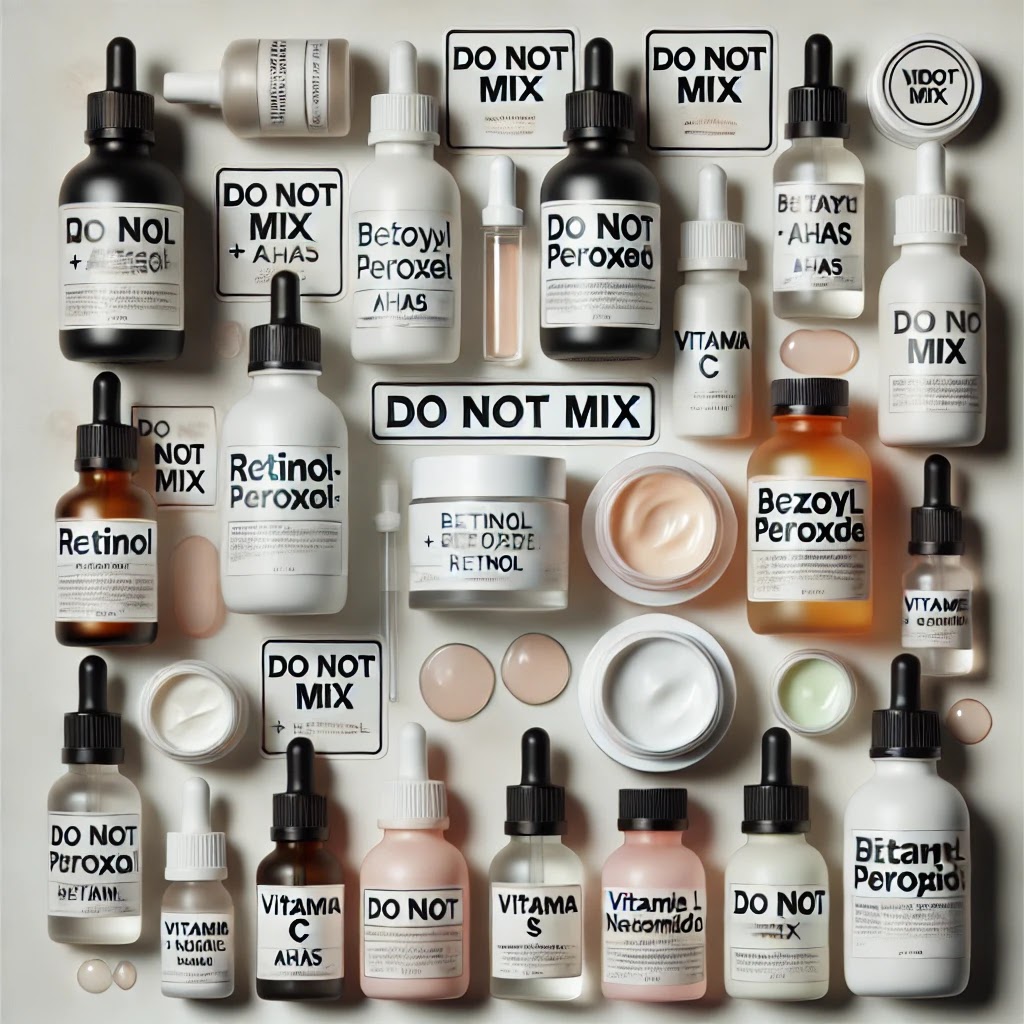
    When Actives Collide: The Case for Caution in Skincare Layering

    Like many skincare enthusiasts, I once believed more meant better. Vitamin C in the morning, exfoliating acids at night, retinol layered in between, niacinamide on top—each product chosen for its clinical promise. But instead of glowing skin, I triggered a full-blown rosacea flare. My skin became reactive, inflamed, and painfully sensitized. I had to strip everything back to the basics and relearn how to layer with intention, not impulse.

    That experience wasn’t just frustrating—it was illuminating. And it’s far more common than you might think.

    Today’s skincare culture encourages multi-step layering, but rarely offers the critical guidance needed to do it safely. Many consumers—especially those navigating actives for the first time—learn the hard way that ingredients don’t just work in isolation; they interact. And when they clash, the results aren’t just theoretical. They’re visible, disruptive, and often damaging.

    Skincare is chemistry. And like all chemistry, it has rules.

    This guide explores the most common ingredient pairings that don’t belong together—not based on opinion or internet trends, but on established formulation science. For each, we break down why the clash happens, how it affects the skin, and smarter alternatives that support results without triggering irritation.

    Because in skincare, effectiveness isn’t about doing more. It’s about doing it wisely.


    1. Vitamin C + Niacinamide

    Both Vitamin C and Niacinamide are celebrated for their individual skin benefits, but using them together is a controversial topic.

    Why They Clash:

    • pH Conflict: Vitamin C (ascorbic acid) is most effective at a lower pH (acidic), while Niacinamide works best at a neutral to slightly higher pH. When combined, their effectiveness may be reduced.
    • Possible Skin Reaction: Some studies suggest that mixing the two can lead to the formation of niacin, which can cause temporary flushing, redness, and irritation—especially in sensitive skin.

    Better Alternative:

    • Use Vitamin C in the morning to defend against free radicals and boost collagen production.
    • Apply Niacinamide in the evening to strengthen the skin barrier and regulate oil production.

    Recommended Products:


    2. Retinol + AHAs/BHAs (Glycolic Acid, Salicylic Acid, Lactic Acid)

    Retinol and chemical exfoliants like AHAs and BHAs target different aspects of skin renewal, but using them together can do more harm than good.

    Why They Clash:

    • Over-Exfoliation: Retinol increases cell turnover, while AHAs and BHAs dissolve dead skin cells. When combined, they can weaken the skin barrier, causing redness, peeling, and extreme dryness.
    • Increased Sensitivity: Both ingredients make skin more photosensitive, heightening the risk of sun damage.

    Better Alternative:

    • Alternate nights: Use AHAs/BHAs on exfoliation nights and retinol on separate evenings.
    • Pair retinol with hydrating ingredients like ceramides and peptides to counteract potential dryness.

    Recommended Products:


    3. Benzoyl Peroxide + Retinol

    Many people struggle with acne and signs of aging simultaneously, making benzoyl peroxide and retinol seem like an appealing combination. However, these two ingredients don’t work well together.

    Why They Clash:

    • Retinol Oxidation: Benzoyl peroxide deactivates retinol, rendering it ineffective.
    • Extreme Dryness and Irritation: Both are potent active ingredients that can strip the skin, leading to irritation, peeling, and discomfort.

    Better Alternative:

    • Use benzoyl peroxide in the morning to kill acne-causing bacteria.
    • Apply retinol at night to stimulate cell renewal and repair skin.

    Recommended Products:


    4. SPF + Makeup with SPF

    Sunscreen is the most important step in any skincare routine, but many people layer multiple SPF products thinking they’ll get stronger protection. Unfortunately, that’s not how SPF works.

    Why They Clash:

    • SPF Doesn’t “Stack” – SPF 30 + SPF 15 does not equal SPF 45. The highest SPF product you apply is the protection you get.
    • Formula Incompatibility – Some foundations and powders with SPF can disrupt the even coverage of a proper sunscreen, leaving areas underprotected.

    Better Alternative:

    • Use a standalone sunscreen (SPF 30 or higher) as your primary protection.
    • Reapply with a sunscreen mist or powder throughout the day if you’re wearing makeup.

    Recommended Products:


    Conclusion: Smarter Skincare for Healthier Skin

    Skincare isn’t a contest of who can use the most actives—it’s a system of balance, timing, and biocompatibility. When ingredients are layered without understanding how they interact, even the most promising formulas can cancel each other out, or worse, trigger inflammation and long-term sensitivity.

    I learned this firsthand. What began as an attempt to be proactive with high-performance products turned into a months-long effort to repair the damage I could have avoided with the right knowledge. That experience reshaped how I view skincare: not as a race toward results, but as a long-term relationship built on clarity, patience, and respect for my skin’s biology.

    The most effective skincare routines are not the most complex—they’re the most strategic. That means asking not just, “What does this product do?” but “What does it do in the presence of everything else I’m using?”

    When you approach skincare like chemistry—with thoughtful combinations, deliberate spacing, and science-backed choices—you don’t just reduce irritation. You unlock the full potential of every product you use.

    Less friction. More function. And skin that reflects not just effort, but understanding.

  •  


    What is PDRN in Skincare?

    PDRN (Polydeoxyribonucleotide) is making waves in the skincare industry for its incredible skin-healing and anti-aging benefits. Derived from salmon DNA, this powerful ingredient is known for its ability to accelerate skin repair, improve hydration, and boost collagen production. Originally used in medical treatments for wound healing, PDRN is now a popular component in serums, creams, and even injectable treatments for skin rejuvenation.

    How Does PDRN Work?

    PDRN works by stimulating cell regeneration and promoting the production of fibroblasts, which are essential for collagen synthesis. This leads to: ✔ Faster skin healing – Ideal for post-laser treatments, acne scars, and damaged skin.
    ✔ Improved elasticity – Helps firm and plump the skin.
    ✔ Deep hydration – Retains moisture for a more youthful complexion.
    ✔ Reduced inflammation – Soothes redness and irritation.
    ✔ Brighter skin tone – Enhances radiance and smoothness.

    Who Should Use PDRN?

    PDRN is beneficial for anyone looking to improve their skin’s health and appearance, particularly those dealing with:

    • Aging skin with fine lines and wrinkles

    • Acne scars and pigmentation

    • Sensitive or irritated skin

    • Post-treatment recovery (microneedling, laser therapy, chemical peels)

    • Skin texture and plumpness

    My Experience with PDRN

    I’ve been using a Salmon PDRN Pick Gel for about three weeks now, and the results have been surprisingly noticeable. My skin feels significantly plumper and smoother—almost like it has a little more life to it. There haven’t been any side effects, and it plays well with the rest of my routine. I’ve been using it once or twice a day, depending on how dry or tight my skin feels, and I’d genuinely recommend it to anyone looking for hydration and a boost in texture. It’s quickly becoming one of those rare products I actually look forward to using.


    Best PDRN Skincare Products on Amazon

    If you’re ready to incorporate PDRN into your skincare routine, here are some highly-rated options available on Amazon:

    1. VT COSMETICS PDRN 100 Essence


    This vegan-friendly serum contains 100,000ppm of plant-derived PDRN, designed to enhance skin elasticity and hydration while improving overall radiance.

    2. medicube PDRN Pink Peptide Serum


    A powerhouse serum combining PDRN with peptides and niacinamide to brighten and strengthen the skin barrier.

    3. IOPE BIO-PDRN Caffeine Shot Face Serum


    This serum blends PDRN with caffeine to help reduce fine lines and firm the skin for a youthful glow.

    4. Anua PDRN Hyaluronic Acid Capsule 100 Serum


    A deeply hydrating serum that merges PDRN with hyaluronic acid for a plumper, more radiant complexion.

    5. COSNORI PDRN-Shot 675 Serum


    With 5,000ppm of PDRN and micro spicules, this serum supports collagen synthesis and improves skin texture.

    How to Use PDRN in Your Routine

    1. Cleanse: Start with a gentle cleanser to remove dirt and oil.

    2. Apply Toner: Use a hydrating toner to prep your skin.

    3. PDRN Serum: Apply a few drops of your chosen PDRN serum and gently pat it in.

    4. Moisturizer: Lock in hydration with a nourishing moisturizer.

    5. Sunscreen (AM Routine): Always finish with SPF 30+ to protect your skin.

    Final Thoughts

    PDRN is an innovative ingredient that can transform your skincare routine, offering deep healing, hydration, and anti-aging benefits. Whether you’re dealing with fine lines, scars, or simply want a more radiant complexion, these products can help you achieve healthier, more youthful skin.

    From personal experience, it’s made a real difference in my skin’s texture and suppleness. It won’t replace your entire routine, but if you’re looking for something that supports healing and gives your skin a little extra resilience, PDRN is worth exploring.

    Ready to try PDRN for yourself? Check out the products above and see the difference!

  •  

    The skincare industry is saturated—with promises, with packaging, and with misinformation. At first glance, a sleek label and buzzwords like “natural,” “dermatologist-approved,” or “chemical-free” can make a product feel trustworthy. But beneath the branding, many of these claims are either unregulated, exaggerated, or flat-out meaningless.

    Without regulation around marketing language, nearly any brand can make a product sound safe, effective, or even science-backed—regardless of what’s inside. As a result, even well-intentioned consumers often end up applying formulas that are poorly tested, irritating, or built on hype instead of evidence.

    The good news? You don’t need to be a cosmetic chemist to protect your skin. What you need is a working knowledge of ingredients, a sharp eye for misleading claims, and a commitment to choosing products that serve your skin’s biology—not a brand’s bottom line.

    This guide walks you through the most common red flags in skincare and how to navigate them, so you can confidently separate science from sales.

    The Problem: Misleading Skincare Marketing

    The beauty industry thrives on trends and buzzwords, but these don’t always equate to safety or effectiveness. Here are some common misleading tactics:

    • “Dermatologist-Approved” or “Doctor Recommended”
      These phrases mean little without context. A single doctor endorsing a product doesn’t equate to widespread approval by dermatologists. Look for products tested in peer-reviewed clinical trials instead.

    • “All-Natural” or “Chemical-Free”
      Everything is made of chemicals—even water. The term “natural” isn’t regulated, meaning a product can still contain harmful ingredients while using this label as a selling point.

    • “Paraben-Free” but Full of Other Irritants
      Parabens are controversial, but replacing them with equally harsh preservatives like formaldehyde-releasing agents isn’t any better.

    • Skincare Buzzwords Without Backing
      “Hydrating,” “anti-aging,” “brightening”—these claims are often made without any clinical proof. Always check the ingredient list and research if the product contains evidence-backed compounds like hyaluronic acid, retinol, or niacinamide.

    • Fake “Clinically Proven” Claims
      Just because a brand says its formula is “clinically tested” doesn’t mean it passed rigorous testing. Look for third-party studies or independent dermatological trials.

    How to Identify Safe and Effective Products


    Now that you know the problem, here’s how to avoid falling for bad skincare products.

    1. Read the Ingredients List, Not Just the Label

    The ingredients list is where the truth lies. Here’s what to look for:

    âś… Evidence-based Ingredients: Hyaluronic acid, ceramides, niacinamide, retinol, and vitamin C have been studied extensively for their skin benefits.
    ❌ Harmful Additives: Avoid synthetic fragrances, drying alcohols (denatured alcohol, SD alcohol), and essential oils that may trigger irritation.

    2. Avoid Common Skin Irritants and Harmful Additives

    • Sulfates (SLS, SLES) – Harsh surfactants that strip natural oils.
    • Artificial Fragrances and Dyes – Can cause allergic reactions.
    • Essential Oils in High Concentrations – Often marketed as “natural,” but can be highly irritating.
    • Formaldehyde-Releasing Preservatives (DMDM Hydantoin, Quaternium-15) – These have been linked to allergic reactions and skin sensitivity.

    3. Research Before Buying

    • Check Reviews on Multiple Platforms – Amazon reviews are helpful, but also check dermatologist-recommended sites.
    • Look for Fragrance-Free, Not Just “Unscented” – “Unscented” may still contain masking fragrances.
    • Verify Third-Party Testing – Look for products backed by independent dermatological research.

    Science-Backed Skincare Products Worth Your Trust

    Navigating a saturated skincare market becomes far simpler when you focus on products that have clinical credibility and formulation integrity. Below are four key product categories—cleansers, moisturizers, serums, and sunscreens—that form the foundation of a safe, effective routine. Each one plays a distinct role in protecting and supporting the skin, and the recommendations below are selected not for trend value, but for ingredient quality, formulation stability, and consistent consumer performance.

    Cleansers: Clean Without Compromise

    Cleansing is the first step in any routine, but it’s also one of the most overlooked. A good cleanser must effectively remove dirt, oil, and pollutants—without disrupting the skin’s lipid barrier or microbiome. Stripping the skin at this stage can set off inflammation, dryness, or sensitivity downstream.

    Why This Product Was Chosen:
    CeraVe Hydrating Cleanser is a dermatologist-developed formula that uses non-foaming surfactants, ceramides, and hyaluronic acid to gently cleanse while supporting hydration and barrier integrity. It’s fragrance-free, non-comedogenic, and widely recommended for dry, sensitive, or compromised skin.


    Moisturizers: Barrier Recovery and Maintenance

    Moisturizers are more than just hydration—they are barrier repair tools. A well-formulated moisturizer supports skin structure, prevents trans-epidermal water loss (TEWL), and reduces inflammation over time. This is especially critical for those dealing with sensitivity, irritation, or over-exfoliation.

    Why This Product Was Chosen:
    La Roche-Posay Cicaplast Baume B5 is designed for compromised skin. It combines panthenol (vitamin B5) for soothing, shea butter for barrier support, and Madecassoside for calming inflammation. It’s fragrance-free, highly tolerable, and used widely in post-procedure care, making it ideal for vulnerable or irritated skin.


    Serums: Targeted Treatment Without Risk

    Serums are where active ingredients typically come into play, but they can also introduce the most risk if poorly formulated. For an everyday, science-backed serum that supports skin health without irritation, niacinamide is a gold standard.

    Why This Product Was Chosen:
    The Ordinary Niacinamide 10% + Zinc 1% delivers two well-studied ingredients that help regulate sebum, reduce inflammation, and improve the appearance of pores and redness. It’s water-based, alcohol-free, and uses a minimalist formula with no unnecessary additives—ideal for sensitive or acne-prone skin.


    Sunscreens: Daily Protection, Long-Term Payoff

    Sunscreen is non-negotiable. It prevents UV-induced inflammation, pigmentation, and premature aging—and reduces the risk of skin cancer. But many SPFs are occlusive, fragranced, or unstable. Choosing a cosmetically elegant, broad-spectrum sunscreen is key to daily compliance.

    Why This Product Was Chosen:
    EltaMD UV Clear SPF 46 is a mineral-based, broad-spectrum sunscreen formulated specifically for sensitive and acne-prone skin. It contains niacinamide for added anti-inflammatory benefits and offers strong UVA/UVB protection without a heavy finish or white cast.

    • Dermatologist-Recommended Sunscreen (e.g., EltaMD UV Clear SPF 46) – Broad-spectrum SPF with niacinamide, great for sensitive skin.


    Conclusion: Smarter Skincare Choices for Healthier Skin

    In a market that thrives on confusion, clarity is your greatest asset. The most dangerous skincare products aren’t always the ones with harsh ingredients—they’re often the ones wrapped in persuasive language and half-truths, designed to look safe while avoiding real scrutiny.

    Effective skincare isn’t built on buzzwords. It’s built on evidence, formulation integrity, and transparency. Learning to decode ingredients, question exaggerated claims, and look beyond trendy packaging isn’t just a smart consumer habit—it’s a form of self-preservation. Because every product you put on your skin becomes part of its story.

    And that story should be written by knowledge, not marketing.

    By choosing products backed by research—not just reputation—you invest in the long-term health of your skin, not just its temporary appearance. You’re not just building a routine—you’re building a filter. One that protects not just your skin barrier, but your time, your money, and your trust.

    Skincare should empower, not exploit. And the first step toward that is knowing when to walk away from what looks good—and choose what actually is.

  •  


    TikTok has become one of the most powerful beauty platforms in the world. In under 60 seconds, a viral video can catapult a product to cult status—or convince millions to try a DIY skincare hack that may do more harm than good.

    But here’s the problem: skincare is biology, not entertainment. And while TikTok offers an endless stream of tips, transformations, and product “miracles,” it often skips the most critical part—the science.

    Many of the most-shared skincare trends on the app involve high-potency actives, harsh techniques, or off-label uses of products not meant for home experimentation. When repeated without context—or worse, without understanding—they can lead to barrier damage, breakouts, or even long-term skin sensitivity.

    This post breaks down the most problematic TikTok skincare trends, explains the science behind why they’re risky and offers safe, evidence-based alternatives that actually work. Because healthy skin shouldn’t be a viral gamble—it should be an informed choice.


    1. Slugging—Is It Really for Everyone?

    The Trend:
    Slugging is a viral TikTok hack where you coat your face in petroleum jelly (like Vaseline) overnight to lock in moisture. The idea is that it prevents water loss, helping with dryness and skin barrier repair.

    Why It’s a Problem:
    ✔ Not for acne-prone skin – While slugging locks in moisture, it also traps bacteria, sebum, and dead skin cells, which can lead to clogged pores and breakouts.
    ✔ Not all skin types need this much occlusion – If your skin isn’t excessively dry, slugging can actually disrupt your natural balance.

    What to Do Instead: Instead of using thick occlusives like Vaseline, try a non-comedogenic moisturizer with ceramides and hyaluronic acid for deep hydration without the risk of clogged pores.

    🔹 Better Alternative: La Roche-Posay Toleriane Double Repair Face Moisturizer – Hydrates while allowing your skin to breathe.

    My Experience with Slugging


    I gave slugging a try when it was at peak popularity, hoping it would help with overnight hydration and barrier repair. What I noticed, though, was less impressive. I’d wake up with sticky skin, a greasy hairline, and no real improvement in how my skin looked or felt. For me, it was more messy than magic. If your skin isn’t severely dry or compromised, this level of occlusion may be unnecessary—and in my case, it simply didn’t deliver any noticeable benefits.


    2. DIY Lemon Juice for Skin Brightening

    The Trend:
    People swear by lemon juice as a natural way to lighten dark spots and even out skin tone.

    Why It’s a Problem:
    ✔ pH imbalance – Lemon juice has a pH of around 2, making it highly acidic and damaging to your skin’s barrier.
    ✔ Risk of burns and irritation – The natural compounds in lemon juice can cause phytophotodermatitis, meaning your skin becomes hypersensitive to sunlight, leading to severe burns and hyperpigmentation.

    What to Do Instead: Use a gentle Vitamin C serum that’s formulated for skin, rather than raw citrus.

    🔹 Better Alternative: Timeless 20% Vitamin C + E + Ferulic Acid Serum – Brightens without damaging your skin barrier.

    My Experience with DIY Lemon Juice


    Of all the trends I’ve tested, applying lemon juice to my face was one of the harshest lessons. Within minutes, my skin felt inflamed and sensitized. What was supposed to brighten ended up burning—literally. The raw acidity caused visible irritation, and it took days for the redness to calm down. It was a turning point for me in realizing that just because something is “natural” doesn’t mean it’s safe—or meant for skin.


    3. Over-exfoliating with Harsh Scrubs

    The Trend:
    Many influencers promote daily exfoliation using physical scrubs (like apricot scrubs or sugar scrubs) for “glowing” skin.

    Why It’s a Problem:
    ✔ Microtears in the skin – Scrubbing with harsh exfoliants can cause tiny cuts in the skin, leading to inflammation, redness, and long-term sensitivity.
    ✔ Barrier damage = more breakouts – Over-exfoliation strips away natural oils, leading to more oil production and acne.

    What to Do Instead: Instead of abrasive scrubs, opt for a gentle chemical exfoliant that dissolves dead skin cells without physical damage.

    🔹 Better Alternative: Paula’s Choice 2% BHA Liquid Exfoliant – A salicylic acid-based exfoliant that unclogs pores without irritation.


    4. Sunscreen Contouring

    The Trend:
    Instead of using makeup, some TikTok users are strategically applying sunscreen only to certain areas of their face (like the high points) to create a “natural” contour from sun exposure.

    Why It’s a Problem:
    ✔ Permanent sun damage – Uneven sunscreen application leads to premature aging, sunburn, and increased risk of skin cancer.
    ✔ Hyperpigmentation risk – Leaving some areas unprotected can cause uneven skin tone and sunspots that are difficult to reverse.

    What to Do Instead: Instead of risking sun damage, use actual contouring makeup and apply SPF evenly for full protection.

    🔹 Better Alternative: EltaMD UV Clear SPF 46 – A lightweight, non-greasy sunscreen that won’t clog pores.


    5. Microneedling at Home

    The Trend:
    DIY microneedling tools (dermarollers) are marketed as a way to boost collagen and improve skin texture from home.

    Why It’s a Problem:
    ✔ Risk of infection – Without proper sterilization, at-home microneedling can introduce bacteria into the skin, leading to breakouts or even serious infections.
    ✔ Not all needles are created equal – Professional treatments use controlled, high-quality devices. Many cheap dermarollers cause more damage than benefit.

    What to Do Instead: If you want to improve collagen production, use skincare products with retinol or peptides instead of damaging DIY microneedling.

    🔹 Better Alternative: RoC Retinol Correxion Deep Wrinkle Night Cream – Proven to boost collagen without damaging the skin barrier.

    My Experience with At-Home Microneedling


    I’ve given at-home microneedling several tries, curious to see if it would live up to the hype. But for me, the results just weren’t there. Instead of smoother, brighter skin, I was left dealing with redness and irritation—especially since my skin is on the sensitive side. It felt more like aggravation than improvement. That said, I can see how someone with less reactive skin might have a different experience. It’s probably a better option for people whose skin can handle the stress, or even better, something to leave in the hands of professionals.


    Final Thoughts: Is TikTok Skincare Advice Safe?

    TikTok has undeniably changed the way we discover skincare—it’s fast, entertaining, and often visually persuasive. But that doesn’t make it a reliable source of science. Skincare trends presented in bite-sized videos rarely show the long-term impact, the nuance of formulation, or the biological differences between skin types.

    What works for one influencer under perfect lighting may not work for you—especially if it bypasses basic dermatological principles.

    Viral trends are not inherently dangerous. Some introduce useful techniques or spotlight ingredients worth exploring. But the risk lies in mimicry without understanding—in routines built on aesthetic appeal rather than evidence, and in products used for views rather than outcomes.

    The takeaway is simple: your skin deserves better than experimentation disguised as advice. It deserves intention, education, and a routine that’s tailored to biology—not algorithms.

    Before you follow the next skincare trend, pause. Look beyond the hype. Ask the hard questions. And choose the approach that serves your skin’s long-term health, not just its momentary glow.

  • Glowing skin isn’t a result of luck or luxury—it’s the product of consistent care, informed choices, and ingredients that support your skin’s biology, not just the latest trend. While social media promotes radiance through filters and marketing hype, real luminosity comes from within—from a skin barrier that’s strong, hydrated, and functioning optimally.

    Why Does Skin Lose Its Glow?

    As we age—or even just navigate modern life—several things begin to dull our complexion. A slowdown in cell turnover means dead skin cells linger on the surface longer, leading to uneven texture and loss of vibrancy. Dehydration, environmental stressors like pollution and UV exposure, and impaired barrier function can all contribute to skin that looks tired, flat, or irritated rather than bright and healthy.

    Lifestyle plays a role too: poor sleep, inconsistent skincare, harsh products, or skipping sunscreen can accelerate the problem.

    Can You Get That Glow Back?

    Yes—but not through quick fixes. Reclaiming that natural, lit-from-within glow means restoring what your skin needs to function at its best. That includes:

    • Consistent hydration (inside and out)

    • Gentle cleansing and barrier repair

    • Antioxidants to fight environmental stress

    • Daily sun protection

    • Targeted actives to support renewal and even tone

    And most importantly, knowing when and how to use them. The routine below is grounded in skin science—not fads—and focuses on evidence-based ingredients that enhance skin health over time. Whether you’re starting fresh or rebuilding after skin fatigue, this is your blueprint for bringing back the glow—safely and sustainably.


    Step 1: Choose a Hydrating Cleanser

    Every great skincare routine starts with a cleanser—and for good reason. Cleansing isn’t just about removing dirt or makeup; it’s about prepping your skin to absorb everything that follows. A hydrating cleanser ensures the skin stays balanced and never stripped, which is crucial for maintaining a smooth, supple texture and preventing barrier disruption. In the quest for glowing skin, it’s not the flashiest step—but it may be the most foundational.

    Why It Matters

    Cleansing is the foundation of any skincare routine. The wrong cleanser can strip your skin of essential oils, leading to dryness, irritation, or overproduction of oil. A gentle, hydrating cleanser removes dirt and oil without disrupting your skin barrier.

    What to Look For

    • Ceramides to support the skin barrier
    • Glycerin to draw moisture into the skin
    • Hyaluronic acid for hydration

    Recommended Product

    CeraVe Hydrating Facial Cleanser – A gentle, non-foaming cleanser that removes dirt while keeping the skin hydrated. It contains ceramides and hyaluronic acid to prevent moisture loss.

    📌 Pro Tip: Wash your face twice daily—in the morning to remove overnight oil buildup and at night to clear away dirt and pollutants.


    Step 2: Brighten and Protect with Vitamin C

    Glowing skin is often synonymous with even tone, clarity, and radiance—and Vitamin C delivers on all fronts. This powerful antioxidant helps fade discoloration, neutralize environmental damage, and boost collagen production. It works both as a shield against daily aggressors and as a brightener for dull or uneven skin. No glow-focused routine is complete without it.

    How It Works

    Vitamin C neutralizes free radicals generated by UV exposure and pollution—both of which contribute to premature aging and pigmentation. It also plays a key role in regulating melanin production, helping to fade dark spots over time. When used consistently, Vitamin C supports a more even, radiant complexion and strengthens the skin’s natural defense mechanisms.

    What to Look For

    • L-ascorbic acid (pure Vitamin C) for maximum effectiveness
    • Ferulic acid and Vitamin E to enhance stability
    • Water-free or dark-glass packaging to prevent oxidation

    Recommended Product

    Vitamin C is a powerful antioxidant that helps protect against free radical damage, brightens skin tone, and stimulates collagen production.

    Timeless Skin Care 20% Vitamin C Serum with Vitamin E & Ferulic Acid – A highly rated, dermatologist-approved serum that combines 20% L-ascorbic acid, vitamin E, and ferulic acid to enhance antioxidant protection and even out skin tone.

    📌 How to Use: Apply in the morning after cleansing and before sunscreen for added UV protection.


    Step 3: Hydrate with Hyaluronic Acid

    When your skin is hydrated, it reflects light more evenly, appears plumper, and feels smoother to the touch. That dewy, lit-from-within look? It starts here. Hyaluronic acid acts like a magnet for moisture, drawing it into the skin and locking it in. It’s essential for keeping your complexion soft, elastic, and naturally luminous—especially when layered properly in your routine.

    Why It’s Essential

    Hyaluronic acid is one of the most effective—and naturally occurring—humectants found in the body. It works by attracting and retaining water molecules, binding up to 1,000 times its weight in moisture. As skin ages or becomes stressed by environmental factors, its ability to hold onto hydration diminishes. This leads to a dull, tight, or crepey appearance. By supplementing with a topical hyaluronic acid serum, you’re helping to restore that lost hydration, reinforce the skin’s barrier, and improve elasticity. The result? A smoother, more supple complexion that reflects light more evenly and appears visibly healthier over time.

    What to Look For

    • Low molecular weight HA for deeper absorption
    • Combination with Vitamin B5 for added skin repair benefits

    Recommended Product

    La Roche-Posay Hyalu B5 Serum – A lightweight serum that combines pure hyaluronic acid with Vitamin B5 to repair and hydrate the skin.

    📌 Pro Tip: Apply hyaluronic acid while your skin is slightly damp to help seal in hydration.


    Step 4: Protect Your Skin with Sunscreen

    No matter how advanced your routine is, none of it matters without sun protection. UV damage is the fastest way to undo all the progress you’ve made toward radiant, healthy skin. Sunscreen doesn’t just prevent future dark spots and fine lines—it protects your skin’s barrier, preserves collagen, and ensures that every other product in your routine can perform without interference. Glowing skin is also about preserving what you’ve built—and SPF is your daily insurance policy.

    Why It’s Essential

    Research shows that up to 90% of visible skin aging is caused by UV radiation. Beyond cosmetic damage, unprotected sun exposure also increases the risk of inflammation, pigment disruption, and skin cancer. A broad-spectrum sunscreen protects against both UVA (aging) and UVB (burning) rays, keeping your skin not only looking luminous—but healthy at a cellular level.

    What to Look For

    • Broad-spectrum SPF 50+ to protect against UVA & UVB rays
    • Non-comedogenic formula that won’t clog pores
    • Lightweight, non-greasy texture for daily wear

    Recommended Product

    EltaMD UV Clear Broad-Spectrum SPF 46 – A lightweight, oil-free sunscreen with niacinamide to calm sensitive skin while protecting against UV damage.

    📌 Myth Buster: You need sunscreen even indoors since UV rays can penetrate windows.


    Step 5: Nighttime Skin Repair with a Moisturizing Night Cream

    Your skin works hardest at night—regenerating, repairing, and resetting from the day’s stress. A night cream supports this natural process by delivering restorative ingredients that strengthen, hydrate, and smooth the skin. This is the time to layer in actives like peptides or retinol (if tolerated) and seal everything in. Think of it as putting your glow on autopilot while you sleep.

    Why Nighttime Skincare is Crucial

    During sleep, your skin enters a peak regeneration phase—cell turnover increases, microcirculation improves, and stress hormone levels drop, giving your skin an ideal window to recover and rebuild. Without the interference of sun exposure or environmental pollutants, nighttime is the most effective period for active ingredients like peptides, retinoids, and ceramides to do their work. A well-formulated night cream takes advantage of this biological rhythm by reinforcing your skin’s moisture barrier, calming inflammation, and promoting collagen synthesis—all essential for waking up to smoother, brighter, more resilient skin.

    What to Look For

    • Retinol for collagen production (use with caution)
    • Peptides to strengthen and firm skin
    • Ceramides and hyaluronic acid for deep hydration

    Recommended Product

    CeraVe Skin Renewing Night Cream – A peptide-infused night cream that supports skin renewal while providing intense hydration.

    📌 How to Use: Apply as the last step in your nighttime routine to lock in moisture and support skin recovery.


    Final Thoughts – Skincare as Self-Care


    Glowing skin isn’t about chasing perfection—it’s about sustaining skin that functions well, feels balanced, and reflects health from within. A truly effective skincare routine isn’t built on hype or price tags but on biology, consistency, and intention. When you understand the role of hydration, antioxidants, sun protection, and barrier support, you move from reacting to skin issues to proactively maintaining long-term skin health.

    The products in this guide weren’t chosen because they’re trendy or viral—they were selected because they’re grounded in dermatological science, formulated with proven ingredients, and accessible to those who want meaningful results without overspending. Glowing skin is not a luxury reserved for the few; it’s achievable for anyone who’s willing to commit to simple, evidence-based care.

    Ultimately, skincare isn’t vanity—it’s a quiet act of discipline and respect. It’s the decision to support your body’s largest organ with what it needs to do its job well. And when you show up for your skin every day, it shows up for you.

    What’s one skincare step you never skip? 

  •  


    If you’ve ever found yourself staring at the endless aisles of pet supplements, wondering if your dog or cat really needs that fancy fish oil or probiotic chew, you’re not alone. The pet supplement industry is booming, but how much of it is actually beneficial, and how much is just clever marketing?

    Do Pets Really Need Supplements?

    Let’s be real—your pet isn’t scouring the internet for the latest superfood trends. They just want their food, belly rubs, and a cozy nap spot. But sometimes, even the best diets don’t cover all their needs. Here’s when supplements might help:

    • Aging pets – Just like us, pets deal with stiff joints, slower metabolism, and cognitive decline.
    • Digestive issues – Some animals have sensitive stomachs and need probiotics to keep things balanced.
    • Skin and coat problems – Constant scratching? Dull fur? Omega-3s can help.
    • Anxiety and stress – Whether it’s separation anxiety or fear of fireworks, calming supplements like CBD might help.
    • Homemade or raw diets – If you’re making your pet’s food, they may need extra nutrients to stay healthy.

    Not every pet needs supplements, but for some, they can be life-changing. Here’s what actually works for cats and dogs—and a special section for small pets at the end.

    Essential Supplements for Cats and Dogs

    1. Omega-3 Fatty Acids (Fish Oil)

    Best for: Joint health, skin and coat, brain function, and heart health.

    • Helps reduce inflammation and improves mobility in aging pets.
    • Supports a shiny coat and reduces itching or allergies.
    • Found naturally in fatty fish, but most pets don’t get enough from diet alone.

    2. Probiotics – Dogs / Cats

    Best for: Digestive health and immune function.

    • Balances gut bacteria to help with diarrhea, bloating, and gas.
    • Supports immune response and helps prevent infections.
    • Look for pet-specific probiotics (human ones aren’t always safe for animals).

    3. Glucosamine and Chondroitin – Dogs / Cats

    Best for: Joint health and arthritis prevention.

    • Helps maintain cartilage and reduces inflammation in senior or active pets.
    • Often combined with MSM (methylsulfonylmethane) for extra anti-inflammatory benefits.
    • Works best when started before joint problems become severe.

    4. Multivitamins – Dogs / Cats

    Best for: Filling nutritional gaps in homemade or low-quality diets.

    • If your pet eats high-quality commercial food, they probably don’t need a multivitamin.
    • If feeding a homemade or raw diet, supplements can ensure they get all essential nutrients.

    5. CBD Oil (Cannabidiol) – Dogs / Cats

    Best for: Anxiety, pain relief, and inflammation.

    • Can help with chronic pain, arthritis, and stress-related behaviors.
    • Always choose pet-specific CBD products with no THC.
    • Dosage matters—too much can make pets drowsy or unwell.

    Supplements for Small Pets (Rabbits, Guinea Pigs, and Other Small Animals)


    Small pets have unique nutritional needs, but a few key supplements can keep them healthy:

    1. Vitamin C for Guinea Pigs

    • Guinea pigs can’t produce their own vitamin C, making supplementation essential.
    • Available in chewable tablets, liquid drops, or fortified pellets.

    2. Probiotics for Small Pets – Rabbits / Guinea Pigs

    • Supports digestive health, especially after antibiotic treatments.
    • Choose probiotics specifically formulated for small animals.

    3. Calcium and Mineral Blocks for Rabbits and Rodents

    • Helps keep teeth strong and prevents dental issues.
    • Should be used in moderation—too much calcium can lead to bladder stones.

    Supplements You May Want to Skip

    Not everything on the market is worth the hype. Here are some supplements you might not need:

    1. Antioxidant Supplements

    • While antioxidants like vitamins C and E are important, most pets get enough from a balanced diet.
    • Over-supplementing can sometimes do more harm than good.

    2. Raw Eggshell Calcium Supplements

    • Often promoted for homemade diets, but excessive calcium can cause issues, especially in puppies and kittens.
    • A vet-approved calcium source is a safer choice.

    3. Herbal or “Natural” Supplements with No Scientific Backing

    • Many herbal remedies claim to boost pet health, but few have been rigorously tested.
    • Some, like garlic, are actually toxic to dogs and cats.
    • Always consult with a vet before using herbal supplements.

    How to Choose a Quality Supplement

    With so many options on the market, it’s important to pick wisely.

    • Third-party tested – Choose brands that check for purity and contaminants.
    • Vet-approved – Look for products recommended by professionals.
    • Minimal additives – Avoid artificial colors, preservatives, or unnecessary fillers.
    • Correct dosage – Human supplements aren’t always safe for pets.


    Final Thoughts

    At the end of the day, supplements should enhance your pet’s life, not complicate it. A healthy diet, exercise, and regular vet visits should always come first. But if your pet struggles with joint pain, anxiety, digestion, or skin issues, the right supplement can make a world of difference.

    Do you use supplements for your pet? Share your experiences in the comments!


    ***Note: Ensure that all supplements are appropriate for your pet’s species, size, and health status. Consulting with a veterinarian before introducing new supplements is recommended.***